

Overview
Ever wondered why your ears hurt when your wisdom teeth decide to crash the dental party? This article explains how impacted wisdom teeth can cause ear pain through shared nerve pathways, outlines symptoms to help identify the connection, and provides both temporary relief methods and long-term solutions including extraction, while emphasizing when to seek professional dental care.
Table of Contents
- The Connection Between Wisdom Teeth and Ear Pain
- Symptoms: How to Identify Wisdom Teeth-Related Ear Pain
- The Mechanism: Why Wisdom Teeth Affect Your Ears
- Relief Methods: Easing the Discomfort
- When to See a Dentist or Doctor
- Preventive Measures: Staying Ahead of the Pain
- Long-term Solutions: Beyond Temporary Relief
- Conclusion
- Frequently Asked Questions
The Connection Between Wisdom Teeth and Ear Pain
Can wisdom teeth cause ear pain? The short answer is yes, absolutely. As a health professional who’s seen countless patients struggling with this exact issue, I can confirm that impacted or emerging wisdom teeth are often culprits behind mysterious ear discomfort. This connection isn’t coincidental – it’s rooted in our anatomy and the close relationship between our dental structures and ear pathways.
Wisdom teeth, also known as third molars, typically emerge between the ages of 17 and 25. For many people, these late-blooming teeth don’t have enough space to grow properly, leading to what we call impaction. When this happens, the resulting pressure, inflammation, and sometimes infection can radiate pain to surrounding areas – including your ears.
Understanding this connection is the first step toward finding relief. Many patients are surprised when I explain that their persistent ear discomfort might actually originate from their teeth! This often-overlooked relationship between dental health and ear pain deserves more attention, which is why we’re diving deep into this topic today.
Symptoms: How to Identify Wisdom Teeth-Related Ear Pain
Distinguishing between regular ear infections and wisdom teeth-related ear pain can be tricky. However, several telltale signs can help you identify the real source of your discomfort. Being able to recognize these symptoms can save you time, money, and unnecessary treatments.
When wisdom teeth are the actual cause of ear pain, you’ll likely experience some of these accompanying symptoms:
- Jaw pain or stiffness, especially when opening your mouth
- Swelling around the jaw or side of the face
- Tender or swollen gums near your back molars
- Difficulty fully opening your mouth
- Persistent headaches, particularly around the temples
- A dull, radiating pain that seems to move between your ear and jaw
- Occasional bad taste in your mouth or bad breath (indicating infection)
One key differentiator is the pattern of pain. Ear infections typically cause sharp pain concentrated inside the ear canal, often with discharge or hearing changes. In contrast, wisdom teeth-related ear pain tends to be duller, more diffuse, and is frequently accompanied by jaw discomfort that worsens when chewing.
If you’re experiencing ear pain alongside jaw discomfort and you’re in that wisdom teeth emergence age range, it’s worth considering your dental health as a potential source of the problem. Many patients report relief from their “ear pain” after wisdom tooth extraction, confirming the connection between these seemingly unrelated areas.
The Mechanism: Why Wisdom Teeth Affect Your Ears
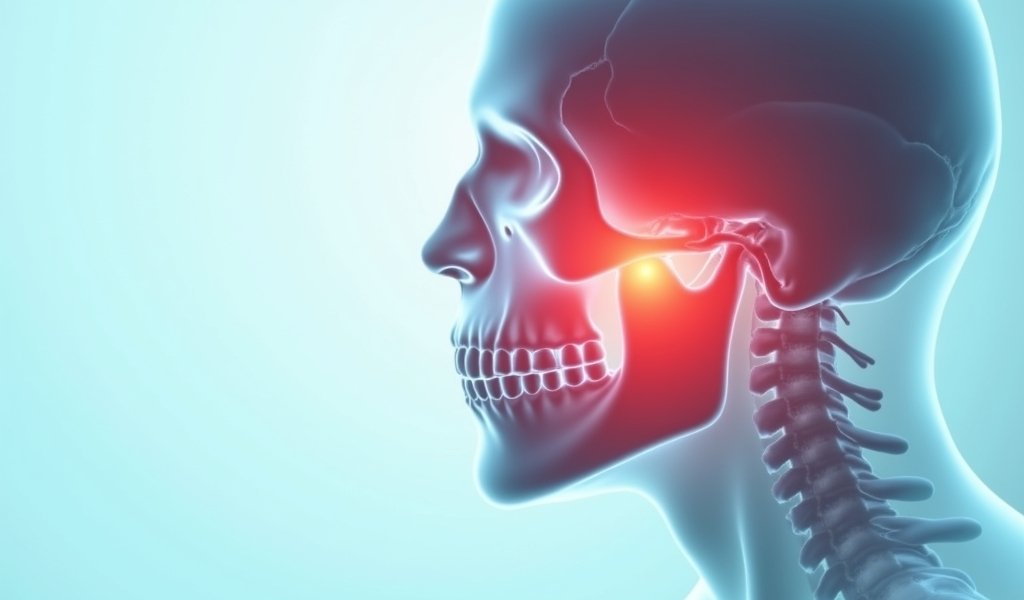
To understand why wisdom teeth can cause ear pain, we need to explore the fascinating anatomical connections within our head and neck. This isn’t merely referred pain – there are specific physiological mechanisms at play.
The trigeminal nerve (fifth cranial nerve) plays a central role in this connection. This major nerve has three branches that provide sensation to different areas of your face, including your teeth and jaw. When wisdom teeth become impacted or infected, they can irritate branches of this nerve, causing pain signals to spread to nearby structures – including your ears.
Additionally, the temporomandibular joint (TMJ) sits just in front of each ear. Wisdom teeth issues often lead to changes in bite alignment or jaw positioning, placing stress on these joints. This TMJ dysfunction can directly contribute to ear discomfort, including pain, pressure, and even ringing in the ears.
There’s also a proximity factor at work. Your wisdom teeth and ear structures share close quarters in a relatively small area of your head. Inflammation from problematic wisdom teeth doesn’t respect anatomical boundaries – it can spread to nearby tissues, affecting the ear region. The lymphatic drainage system in this area can also transport inflammatory substances between these regions.
Perhaps most surprisingly, impacted wisdom teeth can sometimes create enough pressure to affect the eustachian tubes – the small passageways that connect your middle ear to your upper throat and nasal cavity. These tubes regulate ear pressure and drainage. When they’re compressed or irritated due to dental issues, you may experience ear fullness, pressure, or pain similar to what you’d feel during altitude changes.
Relief Methods: Easing the Discomfort
While addressing the underlying dental issue is crucial for long-term resolution, several effective methods can help manage wisdom teeth-related ear pain in the meantime. These approaches focus on reducing inflammation, managing pain, and preventing complications.
Over-the-counter pain relievers can provide significant relief. Non-steroidal anti-inflammatory drugs (NSAIDs) like ibuprofen (Advil, Motrin) or naproxen sodium (Aleve) target both pain and inflammation. For those who cannot take NSAIDs, acetaminophen (Tylenol) can help with pain management, though it won’t reduce inflammation as effectively.
Cold compresses work wonders for many patients. Apply an ice pack wrapped in a thin cloth to the jaw area (not directly on the ear) for 15-20 minutes several times daily. This helps reduce swelling and numb the area, providing natural pain relief without medications.
Warm salt water rinses can be particularly effective for discomfort related to infection or inflammation. Mix a teaspoon of salt in warm (not hot) water and gently rinse your mouth several times daily. This helps reduce bacteria and soothes irritated tissues around problematic wisdom teeth.
Consider these additional relief methods:
- Clove oil: Apply a small amount to the affected gum area (not in the ear) for its natural analgesic properties
- Soft diet: Temporarily avoiding hard, crunchy, or chewy foods reduces pressure on inflamed areas
- Proper hydration: Staying well-hydrated supports immune function and healing
- Over-the-counter dental gels: Products containing benzocaine can temporarily numb painful gum areas
- Rest: Adequate sleep supports your body’s natural healing processes
For some patients, gentle jaw stretches can help relieve tension that contributes to ear pain. Open your mouth slowly as wide as comfortable, hold for 5-10 seconds, then slowly close. Repeat this 5-10 times, several times daily, unless it causes increased pain.
Research suggests that combining these approaches often works better than relying on just one method. However, it’s important to remember that these measures address symptoms rather than the underlying cause – if wisdom teeth are creating problems, they’ll likely continue until properly evaluated by a dental professional.
When to See a Dentist or Doctor
While home remedies can provide temporary relief, certain situations call for prompt professional attention. Being proactive about seeking care can prevent complications and ensure you receive appropriate treatment for your specific condition.
Contact a healthcare professional immediately if you experience any of these warning signs:
- Severe pain that doesn’t respond to over-the-counter pain relievers
- Facial swelling that progresses or spreads
- Difficulty swallowing or breathing
- Fever or chills (indicating possible infection)
- Inability to open your mouth fully (trismus)
- Persistent ear pain lasting more than 2-3 days
- Discharge from the ear or sudden hearing changes
- Redness or warmth spreading across your cheek or jaw
Even without these urgent symptoms, scheduling a dental evaluation is wise if you suspect wisdom teeth are causing your ear discomfort. A dentist can take specialized X-rays (panoramic radiographs) that show the position of your wisdom teeth in relation to other structures. This imaging helps determine whether your wisdom teeth are impacted and likely contributing to your symptoms.
Remember that differentiating between ear pain caused by dental issues versus primary ear problems isn’t always straightforward. If you’re uncertain about the source of your discomfort, consider consulting both a dentist and an ear specialist (otolaryngologist). These professionals can collaborate to ensure you receive comprehensive care.
Many patients hesitate to seek care due to dental anxiety or cost concerns. However, modern dental practices offer numerous comfort measures and payment options. The potential consequences of ignoring problematic wisdom teeth – including spreading infection, damage to adjacent teeth, and chronic pain – make professional evaluation well worth prioritizing.
Preventive Measures: Staying Ahead of the Pain
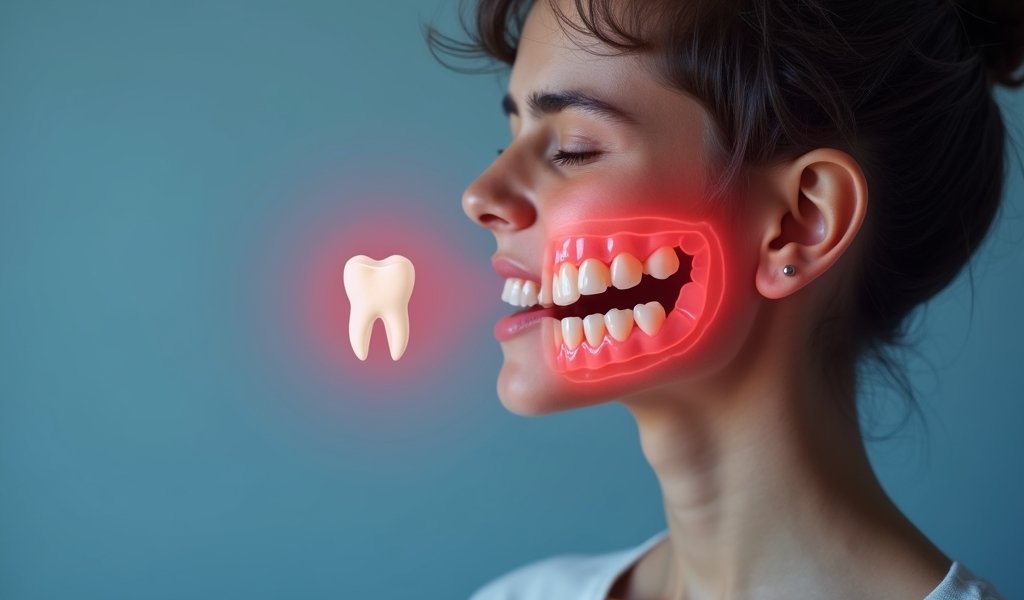
While not all wisdom tooth complications can be prevented, several proactive strategies can minimize your risk of developing severe issues and associated ear pain. Taking these preventive steps is especially important if you know your wisdom teeth are present but haven’t yet caused problems.
Regular dental check-ups with radiographic evaluation are your first line of defense. Most dentists recommend panoramic X-rays every 3-5 years during young adulthood to monitor wisdom tooth development. These images allow for early identification of potentially problematic positioning before symptoms arise.
Diligent oral hygiene becomes particularly crucial when wisdom teeth begin emerging. Since these teeth are located far back in the mouth, they’re challenging to clean properly. Invest in a toothbrush with a smaller head that can reach these areas more easily, and consider using an oral irrigator (water flosser) to flush out food particles and bacteria from around partially erupted wisdom teeth.
Nutritional support can also make a difference in how your body responds to the stress of emerging wisdom teeth. Studies show that adequate vitamin D and calcium support proper tooth development, while vitamin C and zinc help maintain healthy gum tissue and support immune function. A well-balanced diet rich in these nutrients may help reduce inflammation and support healing.
For those experiencing early signs of wisdom tooth discomfort, prompt management is key to preventing progression to more severe pain that radiates to the ears. Don’t wait until pain becomes unbearable – addressing minor symptoms early often prevents more complicated issues later.
Some individuals may benefit from prophylactic wisdom tooth extraction before problems develop. This approach is somewhat controversial in dental medicine, with varying opinions among specialists. The current consensus suggests personalized decision-making based on factors including age, tooth positioning, existing symptoms, and overall oral health. A consultation with an oral surgeon can help you determine if this preventive approach might be appropriate for your specific situation.
Long-term Solutions: Beyond Temporary Relief
While temporary relief measures are valuable, addressing the root cause of wisdom tooth-related ear pain typically requires more definitive intervention. Understanding your options helps you make informed decisions about long-term solutions.
Extraction remains the most common and definitive treatment for problematic wisdom teeth. This procedure has evolved significantly, with modern techniques and anesthesia options making it far more comfortable than in previous generations. For many patients, removing troublesome wisdom teeth resolves ear pain and prevents future complications. Recovery typically takes 5-7 days, with most individuals returning to normal activities within a week.
However, extraction isn’t always necessary or appropriate. In some cases, when wisdom teeth have erupted normally with adequate space and proper alignment, careful monitoring and enhanced oral hygiene measures may be sufficient. Your dentist might recommend more frequent professional cleanings and teach you specialized techniques for maintaining these hard-to-reach teeth.
Coronectomy represents a middle-ground approach for certain complex cases. This procedure involves removing just the crown (top) of the wisdom tooth while leaving the roots in place. It’s primarily used when complete extraction poses a high risk of nerve damage. For some patients with ear pain related to wisdom tooth pressure but complicated root anatomy, this approach can provide relief while minimizing surgical risks.
Following any dental intervention, adjunctive therapies may help resolve lingering ear discomfort. These might include physical therapy for TMJ issues that developed due to wisdom tooth problems, or specialized ear exercises to improve eustachian tube function. Your healthcare provider can recommend appropriate supportive therapies based on your specific situation.
It’s worth noting that some patients report immediate relief from ear pain following wisdom tooth extraction, while others experience a more gradual improvement over several weeks as inflammation subsides. Research indicates that approximately 85-90% of patients with ear symptoms related to wisdom teeth experience significant improvement following appropriate dental treatment.
Conclusion
The connection between wisdom teeth and ear pain represents a perfect example of how interconnected our body systems truly are. What seems like an ear problem might actually originate from dental issues, highlighting the importance of considering multiple factors when addressing persistent pain.
If you’ve been wondering “can wisdom teeth cause ear pain?” – the evidence clearly suggests they can. The anatomical proximity, shared nerve pathways, and inflammatory mechanisms create perfect conditions for dental problems to manifest as ear discomfort. Understanding this connection empowers you to seek appropriate care rather than treating symptoms without addressing their source.
While temporary relief measures certainly have their place in managing discomfort, pursuing evaluation by dental professionals offers the most direct path to resolving wisdom tooth-related ear pain. Whether through improved oral hygiene, medical management, or surgical intervention, solutions exist to help you find relief and prevent recurrence.
Remember that each person’s situation is unique. The ideal approach for managing your wisdom teeth and associated symptoms depends on multiple factors including tooth positioning, your age, overall health, and specific symptoms. By working closely with healthcare providers and being proactive about both preventive measures and treatment, you can overcome the challenges posed by wisdom teeth and enjoy life free from their associated ear pain.
Frequently Asked Questions
How quickly will ear pain resolve after wisdom tooth extraction?
Most patients experience significant improvement in ear pain within 48-72 hours after extraction. Complete resolution typically occurs within 1-2 weeks as overall inflammation subsides.
Can children experience ear pain from wisdom teeth?
It’s rare for children to experience wisdom tooth-related ear pain since these teeth typically don’t begin developing until the teenage years. Ear pain in children should be evaluated for other causes, such as middle ear infections.
Can wisdom teeth on the bottom jaw cause ear pain?
Yes, lower (mandibular) wisdom teeth can definitely cause ear pain due to shared nerve pathways and proximity to structures that connect to the ear. In fact, lower wisdom teeth often cause more ear-related symptoms than upper ones.
Is wisdom tooth-related ear pain typically worse at night?
Many patients report increased discomfort at night due to lying down, which can increase pressure and fluid accumulation in the head and neck region. Additionally, fewer daytime distractions often make pain more noticeable during quiet nighttime hours.
Can wisdom teeth cause permanent ear damage if left untreated?
Permanent ear damage from wisdom teeth is extremely rare but not impossible in cases of severe, spreading infection. Prompt treatment of problematic wisdom teeth prevents such complications and protects both dental and ear health.