
Overview
Achoo! When your allergies attack, they don’t just stop at your nose—they can wage a sneaky war on your ears too! This article explains how allergies cause ear pain through Eustachian tube inflammation and outlines seven relief strategies including antihistamines, nasal irrigation, warm compresses, ear drops, allergen avoidance, hydration/steam therapy, and medical interventions like immunotherapy.
Table of Contents
- Understanding Allergies and Ear Pain
- The Connection Between Allergies and Ear Discomfort
- Common Allergy Symptoms That Affect the Ears
- Relief Strategy 1: Antihistamines and Decongestants
- Relief Strategy 2: Nasal Irrigation
- Relief Strategy 3: Warm Compresses
- Relief Strategy 4: Over-the-Counter Ear Drops
- Relief Strategy 5: Allergen Avoidance
- Relief Strategy 6: Hydration and Steam Therapy
- Relief Strategy 7: Medical Intervention
- When to Seek Medical Attention
- Conclusion
- Frequently Asked Questions
Understanding Allergies and Ear Pain
Yes, allergies can certainly cause ear pain, and it’s a more common connection than many realize. When your body reacts to allergens like pollen, pet dander, or dust mites, the inflammatory response doesn’t just affect your nose and throat—it can extend to your ears as well. As an otolaryngologist who has treated thousands of patients with allergy-related ear discomfort, I’ve seen firsthand how seasonal allergies can trigger uncomfortable ear symptoms that range from mild pressure to significant pain.
The relationship between allergies and ear pain stems from the interconnected nature of your ear, nose, and throat systems. These areas share mucous membranes and are linked by the Eustachian tube—a small passageway that connects your middle ear to the back of your throat. When allergies flare up, inflammation can block this crucial tube, creating pressure differences that result in ear pain, fullness, and even temporary hearing loss.
Allergy-related ear pain affects people of all ages but can be particularly troublesome for children, whose Eustachian tubes are shorter and more horizontal than adults’. This anatomical difference makes children more susceptible to ear infections and pain when allergies strike. Understanding this connection is the first step toward finding effective relief for your symptoms.
The Connection Between Allergies and Ear Discomfort
When allergens enter your body, your immune system responds by releasing histamines and other chemicals that cause inflammation. This inflammatory response doesn’t discriminate—it can affect any mucous membrane in your respiratory system, including those in your ears. The result is often a cascade of reactions that leads directly to ear discomfort.
The Eustachian tube plays a crucial role in equalizing pressure between your middle ear and the outside environment. When functioning properly, it opens and closes naturally when you swallow or yawn. However, allergy-induced inflammation can cause the tube to swell shut, preventing proper ventilation and drainage. This blockage creates negative pressure in the middle ear, pulling the eardrum inward and causing that familiar sensation of ear fullness or pain.
Research published in the Journal of Otolaryngology confirms that allergic rhinitis (hay fever) significantly increases the risk of Eustachian tube dysfunction, which is often the primary mechanism behind allergy-related ear pain. The study found that patients with seasonal allergies were three times more likely to experience ear pressure and pain during allergy seasons compared to non-allergy sufferers.
Additionally, the excess mucus production triggered by allergies can back up into the middle ear, creating an ideal environment for bacteria to grow. This explains why untreated allergies can sometimes lead to secondary ear infections, particularly in children. Addressing the underlying allergic reaction is therefore essential for comprehensive relief from ear pain.

Common Allergy Symptoms That Affect the Ears
When allergies target your ears, they can manifest in several distinct and sometimes overlapping symptoms. Recognizing these signs is crucial for proper management and timely intervention. The most frequent ear-related allergy symptoms include:
- Ear fullness or pressure (like the feeling during altitude changes)
- Sharp or dull ear pain that may come and go
- Popping or crackling sounds when swallowing or yawning
- Temporary hearing reduction or muffled hearing
- Itchy ear canals that may be intensely irritating
- Fluid buildup behind the eardrum
- Dizziness or balance problems in severe cases
These symptoms often accompany the more familiar allergy manifestations such as sneezing, runny nose, and watery eyes. What makes ear symptoms particularly challenging is that they can mimic other conditions like ear infections, making self-diagnosis difficult. Many of my patients report that their ear discomfort intensifies during high pollen counts or when exposed to specific allergens they’re sensitive to.
It’s worth noting that allergic reactions in the ear can sometimes trigger a phenomenon called serous otitis media—a condition where fluid accumulates in the middle ear without infection. This fluid buildup puts pressure on the eardrum and can cause significant discomfort while temporarily affecting hearing. In children, this condition is especially common and may impact language development if it persists for extended periods.
The good news is that understanding the connection between your overall wellness and allergy symptoms can help you take proactive steps toward relief. Let’s explore seven proven strategies that can help alleviate allergy-related ear pain and restore comfort.
Relief Strategy 1: Antihistamines and Decongestants
Antihistamines work by blocking the action of histamine, the chemical your body releases during allergic reactions. By reducing this inflammatory response, antihistamines can decrease swelling in the Eustachian tubes and surrounding tissues, helping to relieve ear pressure and pain. Modern second-generation antihistamines like cetirizine (Zyrtec), loratadine (Claritin), and fexofenadine (Allegra) offer relief without significant drowsiness for most people.
When choosing an antihistamine, consider how long your symptoms typically last. For seasonal allergies that trigger ear pain, a once-daily non-drowsy formula may be ideal. For intermittent symptoms, a shorter-acting option might be preferable. Always follow package directions carefully and be aware that some people may still experience drowsiness even with non-drowsy formulations.
Decongestants complement antihistamines by shrinking swollen blood vessels and tissues, which can help open blocked Eustachian tubes. Available as oral medications or nasal sprays, decongestants like pseudoephedrine or phenylephrine can provide quick relief from ear fullness and pressure. However, they come with important limitations—nasal decongestant sprays should not be used for more than three consecutive days due to the risk of rebound congestion, and oral decongestants may not be appropriate for people with certain medical conditions like high blood pressure.
According to research from Mayo Clinic, combining an antihistamine with a decongestant often provides more complete relief for allergy-related ear symptoms than either medication alone. However, these combination medications may have more side effects, so it’s important to use them judiciously and consult with a healthcare provider if you have any underlying health concerns.
Relief Strategy 2: Nasal Irrigation
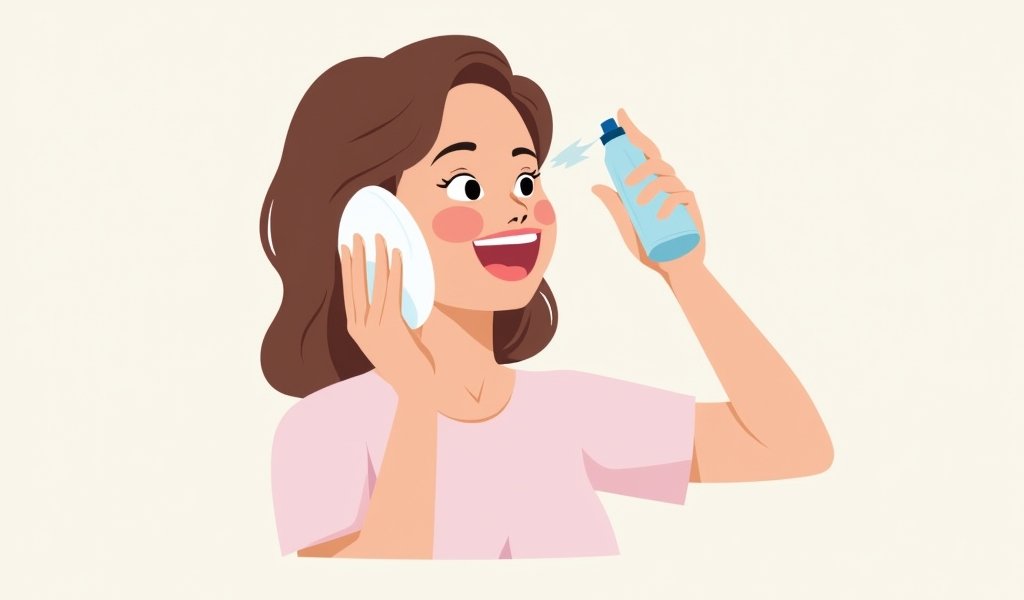
Nasal irrigation, often performed with a neti pot or squeeze bottle, is a remarkably effective yet simple technique for alleviating allergy-related ear pain. This method works by physically flushing allergens, excess mucus, and inflammatory substances from your nasal passages and sinuses, which in turn helps reduce swelling around the Eustachian tube openings.
The process involves gently running a sterile saline solution through one nostril and out the other, effectively washing away irritants. A study published in the International Journal of Immunopathology and Pharmacology found that regular nasal irrigation significantly reduced allergy symptoms and the need for medications in patients with seasonal allergies, including those experiencing ear discomfort.
To perform nasal irrigation safely and effectively:
- Use only distilled, sterile, or previously boiled (and cooled) water to prevent introducing harmful organisms
- Mix the proper ratio of salt solution (typically ¼ teaspoon non-iodized salt to 8 ounces of water)
- Lean over a sink with your head tilted to one side
- Breathe through your mouth, not your nose, during the process
- Allow the solution to flow into one nostril and out the other
- Gently blow your nose afterward to clear any remaining solution
For maximum benefit, try performing nasal irrigation once or twice daily during allergy seasons or when symptoms flare. Many of my patients report that doing this routine before bed helps them sleep better by reducing nighttime congestion and associated ear pressure. As an added benefit, this drug-free approach can be used alongside other treatments without concerns about medication interactions, making it an excellent addition to your holistic wellness routine.
Relief Strategy 3: Warm Compresses
Sometimes the simplest remedies can provide significant relief. Applying warm compresses to the affected ear is a gentle, non-invasive way to alleviate allergy-related ear pain. Heat works by increasing blood circulation to the area, which can help reduce inflammation and relax tense muscles around the ear.
To create an effective warm compress, soak a clean washcloth in warm (not hot) water, wring out the excess moisture, and hold it against the ear for 10-15 minutes. Some patients prefer using a warm water bottle wrapped in a thin towel for longer-lasting heat. Repeat this process several times throughout the day when experiencing discomfort.
The therapeutic benefits of warm compresses extend beyond just comfort. The increased blood flow can help mobilize fluid trapped in the middle ear and promote drainage through the Eustachian tube. Additionally, the gentle pressure and warmth can help temporarily open blocked tubes, equalizing pressure and relieving that uncomfortable plugged feeling.
For enhanced results, try this technique after a hot shower when your nasal passages are already opened from the steam. Some patients also find benefit from adding a few drops of essential oils like eucalyptus or lavender to the warm compress (though keep the oils away from the ear canal itself). These natural additions may provide additional comfort through aromatherapy effects, though they’re not necessary for the physical benefits of heat application.
Relief Strategy 4: Over-the-Counter Ear Drops
When allergies trigger itchy, irritated ear canals, over-the-counter ear drops formulated for allergy relief can provide targeted comfort. These drops typically contain ingredients that reduce inflammation and itching in the outer ear canal. Look for products specifically labeled for allergies rather than those designed for swimmers or earwax removal.
Most allergy-specific ear drops contain mild antihistamines, steroids, or both to address the local inflammatory response. When used as directed, these formulations can significantly reduce the urge to scratch or rub the ears—actions that often exacerbate irritation and can lead to secondary infections. Some drops also contain soothing agents like glycerin that help moisturize dry, irritated ear canals.
To use ear drops correctly:
- Warm the bottle slightly by holding it in your hands for a few minutes (cold drops can cause dizziness)
- Tilt your head to the side with the affected ear facing upward
- Gently pull your outer ear up and back to straighten the ear canal
- Apply the recommended number of drops
- Stay in the tilted position for 3-5 minutes to allow the medication to penetrate
- If treating both ears, wait 5-10 minutes before repeating on the other side
It’s important to note that over-the-counter drops should only be used in ears with intact eardrums. If you suspect you have a perforated eardrum or have had ear surgery, consult a healthcare provider before using any ear drops. Additionally, if symptoms persist beyond a week of using OTC products, professional evaluation is recommended to rule out other conditions like fungal infections that may require different treatment approaches.
Relief Strategy 5: Allergen Avoidance
While it may seem obvious, reducing your exposure to allergens remains one of the most effective strategies for preventing allergy-related ear pain. By minimizing contact with the substances that trigger your immune system’s overreaction, you can significantly decrease inflammation throughout your respiratory system, including your Eustachian tubes and ears.
For seasonal allergy sufferers, this might mean tracking pollen counts and limiting outdoor activities when levels are high. Many weather apps and websites now include pollen forecasts that can help you plan accordingly. During peak seasons, simple habits like showering and changing clothes after being outdoors can prevent allergens from accumulating in your home environment.
For those sensitive to indoor allergens like dust mites, pet dander, or mold, environmental modifications can make a substantial difference:
- Use allergen-proof covers on pillows, mattresses, and box springs
- Wash bedding weekly in hot water (at least 130°F)
- Replace carpeting with hard flooring when possible
- Use a HEPA air purifier in bedrooms and frequently used living spaces
- Maintain indoor humidity between 40-50% to discourage dust mite and mold growth
- Regularly clean areas prone to mold, like bathrooms and kitchens
- Consider removing shoes at the door to prevent tracking outdoor allergens inside
According to research from the American Academy of Allergy, Asthma & Immunology, implementing comprehensive allergen avoidance measures can reduce symptoms by up to 60% in sensitive individuals. This reduction in overall allergic response often translates to less ear inflammation and discomfort.
While perfect allergen avoidance is rarely possible, even modest reductions in exposure can make a meaningful difference in symptom severity and frequency. For many of my patients with recurrent allergy-related ear issues, identifying and minimizing contact with their specific trigger allergens has been the key to long-term relief.
Relief Strategy 6: Hydration and Steam Therapy
Proper hydration plays a surprisingly important role in managing allergy-related ear pain. When you’re well-hydrated, the mucous membranes throughout your respiratory system—including those in your ears, nose, and throat—maintain optimal moisture levels. This helps thin mucus secretions, making them less likely to block the Eustachian tubes and cause pressure buildup in your ears.
Aim for at least 8-10 glasses of water daily during allergy seasons, and consider increasing this amount if you’re taking decongestants or antihistamines, as these medications can have drying effects. Avoiding excess caffeine and alcohol, which can contribute to dehydration, is also beneficial when managing allergy symptoms that affect your ears.
Steam therapy complements hydration by delivering moisture directly to irritated nasal passages and the openings of the Eustachian tubes. The warm, moist air helps soothe inflammation and loosen mucus blockages. There are several effective ways to incorporate steam therapy into your allergy management routine:
- Take a hot shower, breathing deeply through your nose for 10-15 minutes
- Use a facial steamer or personal steam inhaler for 5-10 minutes twice daily
- Create a steam tent by draping a towel over your head while leaning over a bowl of hot water
- Run a humidifier in your bedroom while sleeping (clean it regularly to prevent mold growth)
For enhanced relief, consider adding a few drops of eucalyptus oil or mentholated products to your steam therapy session. These additions can provide a cooling sensation that temporarily opens nasal passages further. However, those with sensitivities to strong scents should proceed cautiously and start with minimal amounts to avoid triggering additional symptoms.
Many patients find that incorporating steam therapy before bed helps reduce nighttime congestion and associated ear pressure, leading to more restful sleep and waking with less discomfort. This approach fits perfectly into a comprehensive health strategy that addresses both symptoms and underlying causes of allergy-related ear pain.
Relief Strategy 7: Medical Intervention
When self-care measures and over-the-counter treatments don’t provide adequate relief for allergy-related ear pain, it’s time to consider medical interventions. Healthcare providers have several effective options at their disposal that can address more persistent or severe symptoms.
Prescription-strength allergy medications often provide more robust relief than their OTC counterparts. These might include stronger antihistamines, corticosteroid nasal sprays that reduce inflammation throughout the upper respiratory tract, or leukotriene modifiers like montelukast that block specific chemical pathways involved in allergic reactions. For patients with concurrent asthma and allergies affecting the ears, proper asthma management often improves ear symptoms as well.
Immunotherapy represents a longer-term solution for many allergy sufferers experiencing recurrent ear issues. This treatment, available as allergy shots or sublingual tablets, gradually desensitizes your immune system to specific allergens. According to a study in the Journal of Allergy and Clinical Immunology, patients receiving immunotherapy reported a 60-70% reduction in overall allergy symptoms, including related ear complaints, with benefits often lasting years after treatment completion.
For immediate relief of severe Eustachian tube dysfunction causing significant ear pain, a physician might perform a minor procedure called ear popping or ear inflation. This technique uses gentle pressure to open blocked Eustachian tubes and equalize pressure in the middle ear. In cases where fluid has accumulated behind the eardrum, tympanostomy tubes might be recommended, especially for children with recurrent issues that affect hearing or speech development.
If allergies have led to secondary complications like middle ear infections, prescription antibiotics may be necessary. However, addressing the underlying allergic inflammation remains crucial to preventing recurrence. Your healthcare provider can help determine if your ear pain stems directly from allergies or has developed into a condition requiring additional treatment.
When to Seek Medical Attention
While many cases of allergy-related ear pain can be managed at home, certain situations warrant prompt medical attention. Being aware of these red flags can help prevent complications and ensure appropriate treatment when self-care isn’t enough.
Seek medical care if you experience:
- Severe ear pain that interferes with daily activities or sleep
- Discharge from the ear, especially if it’s bloody or has an unusual color
- Sudden hearing loss or significant changes in hearing ability
- Dizziness, vertigo, or balance problems accompanying ear symptoms
- Ear pain with fever over 101°F (38.3°C)
- Symptoms that worsen or don’t improve after 7-10 days of home treatment
- Ringing in the ears (tinnitus) that begins with allergy symptoms
- Pain that spreads to the face, jaw, or side of the head
Children with allergy-related ear complaints deserve special attention, as they may not be able to clearly communicate their symptoms. Parents should watch for signs like tugging at the ears, unusual irritability, difficulty sleeping, balance problems, or speech delays, which could indicate hearing impairment from chronic fluid buildup.
During your medical appointment, be prepared to describe when your symptoms started, what makes them better or worse, and any previous allergy diagnoses. Mention any treatments you’ve already tried and their effectiveness. This information helps your healthcare provider determine whether your ear pain is directly related to allergies or might have another cause requiring different management.
Remember that early intervention often leads to faster resolution and prevents the development of chronic issues or complications. Don’t hesitate to reach out to a healthcare professional if you’re concerned about the nature or severity of your ear symptoms.
Conclusion
Allergy-related ear pain, while uncomfortable, is a manageable condition with the right approach. From understanding the connection between your body’s allergic response and ear discomfort to implementing practical relief strategies, you now have a comprehensive toolkit for addressing these symptoms.
The seven strategies we’ve explored—antihistamines and decongestants, nasal irrigation, warm compresses, OTC ear drops, allergen avoidance, hydration and steam therapy, and medical interventions—provide multiple pathways to relief. Many people find that combining several approaches yields the best results, particularly during peak allergy seasons when symptoms tend to intensify.
Remember that individual responses to allergies vary widely, so you may need to experiment to discover which combination works best for your specific symptoms. Be patient with this process and consistent with your chosen treatments, as some approaches may take time to show their full benefit.
If your symptoms persist despite trying these strategies, don’t hesitate to consult a healthcare provider. Allergists, otolaryngologists (ear, nose, and throat specialists), and primary care physicians can offer additional insights and treatments tailored to your unique situation.
By taking a proactive approach to managing your allergies, you can significantly reduce ear pain and related discomfort, allowing you to enjoy your daily activities without the distraction of these troublesome symptoms. Your ears—and your overall quality of life—will thank you for the attention.
Ready to take control of your allergy-related ear pain? Start implementing these proven strategies today, and consider consulting with a healthcare professional for personalized advice that addresses your specific allergy triggers and symptoms.
Frequently Asked Questions
How quickly can allergies cause ear pain?
Ear pain can develop within hours of allergen exposure as inflammation affects the Eustachian tubes. The timeline varies based on allergen concentration and individual sensitivity.
Can children’s ear infections be caused by allergies?
Yes, allergies frequently lead to Eustachian tube dysfunction in children, creating fluid buildup that can become infected. Children’s shorter, more horizontal Eustachian tubes make them especially vulnerable to this complication.
Will allergy shots help with chronic ear pain?
Immunotherapy (allergy shots) can significantly reduce allergy-related ear pain for many patients. Studies show 60-70% symptom reduction with consistent treatment over time.
Can allergies cause ear pain without other allergy symptoms?
Yes, isolated ear symptoms can occur in some individuals, though it’s less common. Some people experience ear fullness or pain as their primary or even sole allergy manifestation.
How can I tell if my ear pain is from allergies or an infection?
Allergy-related ear pain typically fluctuates with allergy symptoms and rarely causes fever. Infections usually involve more severe, constant pain, possibly with discharge and fever.