

Overview
Ever had a crowned tooth that hurts just enough to ruin your chocolate cake moment but disappears when your dentist calls you in? This article explores six practical solutions for intermittent crown-related tooth pain—from improving oral hygiene and adjusting eating habits to professional treatments like crown adjustments and replacements—while emphasizing the importance of not ignoring even occasional discomfort as it may signal underlying issues requiring prompt dental attention.
Table of Contents
- Understanding Crown-Related Tooth Pain
- Causes of Intermittent Tooth Pain Under Crowns
- Fix #1: Proper Oral Hygiene
- Fix #2: Avoiding Certain Foods and Habits
- Fix #3: Over-the-Counter Pain Relief
- Fix #4: Professional Crown Adjustment
- Fix #5: Treating Underlying Infections
- Fix #6: Crown Replacement
- When to See a Dentist
- Prevention Tips
- Conclusion
- Frequently Asked Questions
Understanding Crown-Related Tooth Pain
Dealing with tooth pain under a crown that comes and goes can be both confusing and frustrating. One moment you’re enjoying your favorite meal, and the next, you’re wincing from an unexpected jolt of pain. As a dental professional, I’ve seen countless patients struggling with this intermittent discomfort, often unsure of what’s causing it or how to address it.
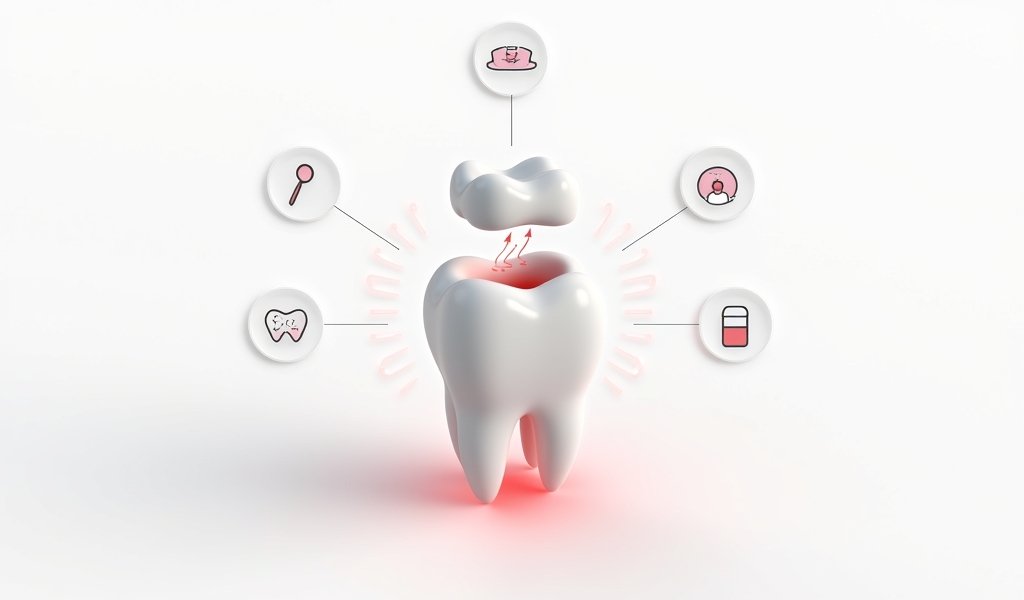
Dental crowns are designed to protect damaged teeth, restore functionality, and improve appearance. They’re essentially protective caps that cover the entire visible portion of a tooth. When properly fitted and maintained, crowns should function comfortably like natural teeth. However, sometimes pain develops beneath these restorations, creating a perplexing situation where discomfort appears and disappears seemingly without pattern.
This fluctuating pain isn’t something you should ignore. Even mild, occasional discomfort can signal underlying issues that, if left untreated, may develop into more serious dental problems. The good news is that most causes of tooth pain under crowns can be effectively addressed with proper diagnosis and treatment.
Causes of Intermittent Tooth Pain Under Crowns
Before we dive into solutions, it’s important to understand why tooth pain under a crown might come and go. This intermittent nature often confuses patients, leading them to delay seeking treatment. Let’s explore the common culprits:
- Crown fit issues: If a crown doesn’t fit perfectly, it may create pressure on the underlying tooth or surrounding gums, causing periodic pain.
- Tooth decay: Bacteria can sometimes infiltrate beneath a crown, especially at the margins where the crown meets the tooth, leading to decay and sensitivity.
- Infected pulp or abscess: If bacteria reach the pulp of your tooth, an infection might develop, causing intermittent or persistent pain.
- Receding gums: As gums recede, they can expose the tooth root, which isn’t covered by enamel and is therefore more sensitive.
- Cracked tooth beneath the crown: Fractures in the underlying tooth structure can cause pain that comes and goes, especially when pressure is applied.
- Grinding or clenching: These habits can put excessive pressure on crowned teeth, resulting in periodic discomfort.
The intermittent nature of this pain often correlates with specific triggers. For instance, you might notice discomfort only when consuming hot or cold foods, when biting down, or perhaps at random intervals throughout the day. These patterns can provide valuable clues for diagnosing the underlying issue.
According to research from the American Association of Endodontists, cracked teeth are one of the most common causes of pain under dental restorations and often present with symptoms that come and go.
Fix #1: Proper Oral Hygiene
One of the simplest yet most effective ways to address tooth pain under a crown is to optimize your oral hygiene routine. Proper cleaning can prevent many problems before they start and can sometimes resolve minor issues causing intermittent pain.
Start by ensuring you’re brushing correctly around your crown. Use a soft-bristled toothbrush and gentle, circular motions. Pay special attention to the area where your crown meets your gum line, as this junction can harbor bacteria that lead to decay or infection.
Flossing daily is absolutely crucial for crowned teeth. Regular dental floss works well, but you might find floss threaders or water flossers particularly helpful for cleaning around and under crowns. These tools can reach areas that standard brushing might miss.
Consider incorporating an antimicrobial mouth rinse into your daily routine. These rinses can help reduce bacteria levels throughout your mouth, including around and under your crown. Look for alcohol-free options if you have sensitive tissues.
Visiting your trusted wellness clinic regularly for professional cleanings is also essential. Dental hygienists have specialized tools that can remove buildup from areas you simply can’t reach at home, helping prevent the progression of problems that might be causing your intermittent pain.
According to the American Dental Association, maintaining excellent oral hygiene is particularly important for patients with dental restorations like crowns to ensure their longevity and prevent complications.
Fix #2: Avoiding Certain Foods and Habits
Sometimes, the solution to intermittent crown pain lies in modifying your diet and habits. Certain foods and behaviors can trigger or worsen discomfort, and eliminating these factors might provide significant relief.
Temperature extremes are common triggers. If you notice pain when consuming very hot or cold items, try:
- Allowing hot beverages to cool slightly before drinking
- Letting cold foods warm up a bit before eating
- Avoiding direct contact between temperature-sensitive foods and the crowned tooth
Sticky, hard, or chewy foods can put excessive pressure on crowns or get lodged around them, potentially causing pain. Consider limiting:
- Caramels and taffy
- Hard candies and ice
- Chewy breads and tough meats
Acidic foods and beverages can increase sensitivity and potentially accelerate deterioration around crown margins. Be mindful with:
- Citrus fruits and juices
- Tomato-based products
- Vinegars and pickled foods
- Carbonated beverages
Beyond dietary considerations, certain habits can contribute to crown-related pain. If you grind or clench your teeth (bruxism), consider talking to your dentist about a nightguard. This simple appliance can protect your crowned tooth from excessive pressure during sleep.
Additionally, avoid using your teeth as tools. Opening packages, biting fingernails, or holding items with your teeth puts unnecessary stress on dental work. These habits might seem harmless, but they can contribute to crown damage and resulting pain.
Fix #3: Over-the-Counter Pain Relief
When tooth pain under a crown flares up, over-the-counter solutions can provide temporary relief while you arrange for professional dental care. These approaches shouldn’t replace proper treatment but can make you more comfortable in the interim.
Non-steroidal anti-inflammatory drugs (NSAIDs) like ibuprofen can help reduce both pain and inflammation. Follow package directions carefully, and be aware of any medical conditions that might contraindicate their use. Acetaminophen is another option if NSAIDs aren’t suitable for you.
Topical numbing gels containing benzocaine can provide localized relief. Apply a small amount directly to the painful area using a clean fingertip or cotton swab. These products are available at most pharmacies without a prescription.
Clove oil has natural analgesic properties that many find effective for dental pain. Dilute a drop in a carrier oil (like olive oil) and apply it carefully to the affected area with a cotton ball. Use sparingly, as undiluted clove oil can irritate sensitive tissues.
Salt water rinses can help reduce inflammation and kill bacteria. Mix half a teaspoon of salt in a cup of warm water and gently swish for 30 seconds before spitting out. This simple remedy can be repeated several times daily.
Remember that while these measures can provide temporary comfort, they don’t address the underlying cause of your crown pain. If discomfort persists for more than a day or two, professional evaluation becomes increasingly important. Visiting a wellness center near you that offers dental services should be your priority.
Fix #4: Professional Crown Adjustment
When tooth pain under a crown comes and goes, the issue might be related to how the crown fits your bite. Even minor misalignments can cause significant discomfort that appears intermittently, particularly when you’re chewing or speaking.
A professional crown adjustment is a relatively simple procedure where your dentist carefully reshapes the crown to better harmonize with your natural bite. Using specialized tools, they can identify high spots—areas where the crown contacts opposing teeth with excessive force—and gently reduce them.
The process is typically quick and painless. Your dentist will ask you to bite down on special marking paper that transfers color to contact points, revealing precisely where adjustments are needed. After making small modifications, they’ll check your bite again to ensure proper alignment.
What makes this fix so effective is that it addresses the mechanical aspect of crown-related pain without requiring replacement of the restoration. Many patients experience immediate relief following adjustment, as the pressure that was triggering their pain is eliminated.
According to dental research published in the Journal of Prosthodontics, improper occlusal (bite) relationships are a leading cause of post-crown discomfort and can be successfully resolved through professional adjustment in most cases.
If you suspect your crown doesn’t fit quite right, don’t attempt to adjust it yourself. Home adjustments can damage the crown or your opposing teeth, potentially creating more serious problems. Instead, schedule an appointment with your dentist to evaluate whether a professional adjustment might resolve your intermittent pain.
Fix #5: Treating Underlying Infections
Sometimes, the real culprit behind tooth pain under a crown that comes and goes is an infection in the tooth or surrounding tissues. These infections can develop even years after a crown is placed and often require targeted treatment approaches.
If decay has penetrated beneath your crown or if bacteria have reached the pulp of your tooth, you might need root canal therapy. During this procedure, your dentist or endodontist removes infected pulp tissue, cleans the internal chambers of the tooth, and seals them to prevent reinfection. Despite their reputation, modern root canal treatments are typically no more uncomfortable than having a filling placed.
Gum infections around crowned teeth can also cause intermittent pain. These may present as swollen, tender gum tissue around the crown margin. Treatment might involve specialized cleaning procedures like scaling and root planing, antimicrobial rinses, or, in some cases, locally-delivered antibiotics.
For more severe infections that have progressed to dental abscesses, systemic antibiotics might be prescribed alongside other treatments. These medications help your body fight the infection while the source of the problem is addressed.
Research from the Journal of Clinical and Diagnostic Research indicates that bacterial microleakage under dental crowns is a significant cause of post-restoration pain and failure, highlighting the importance of promptly treating any signs of infection.
The good news is that once the infection is properly treated, the associated pain typically resolves completely. Your dentist will determine the appropriate treatment based on the specific type and extent of infection present in your case. Prioritizing comprehensive health and wellness includes addressing these dental infections promptly to prevent their spread to other parts of your body.
Fix #6: Crown Replacement
When other interventions haven’t resolved your intermittent tooth pain, crown replacement might become necessary. This solution is typically reserved for situations where the existing crown can’t be salvaged or when underlying issues can’t be adequately addressed with the crown in place.
Several scenarios might warrant crown replacement:
- The crown has significant wear, cracks, or damage
- There are large gaps between the crown and tooth that can’t be repaired
- Recurring decay beneath the crown that can’t be properly treated
- The aesthetic appearance of an older crown has deteriorated
- Materials in the current crown are causing sensitivity or allergic reactions
The replacement process typically requires two appointments. During the first visit, your dentist will remove the old crown, address any decay or damage to the underlying tooth, and take new impressions. You’ll receive a temporary crown while your permanent one is being fabricated. At the second appointment, your new, custom-made crown will be permanently cemented in place.
Modern dental materials offer significant advantages over older options. Today’s crowns can provide better fits, improved durability, and more natural appearances than those placed many years ago. According to research in the Journal of Dentistry, newer crown materials and fabrication techniques show higher success rates and fewer complications compared to older methods.
While crown replacement represents a more significant intervention, it often provides a definitive solution to persistent pain issues. Many patients report that their new crown feels more comfortable and natural than their previous restoration, eliminating the frustrating cycle of intermittent pain completely.
When to See a Dentist
While some minor crown-related discomfort might resolve with home care, certain symptoms should prompt immediate professional attention. Knowing when to seek help can prevent more serious complications and potentially save your tooth.
Contact your dentist promptly if you experience:
- Severe pain that disrupts sleep or daily activities
- Pain that persists for more than a few days
- Swelling around the crowned tooth or in your face
- Discharge or pus around the crown
- Fever accompanied by dental pain
- A crown that feels loose or has fallen out
- Obvious damage to the crown such as chips or cracks
Don’t delay seeking treatment if the pain becomes more frequent or intense over time. What begins as occasional discomfort can sometimes progress to more serious issues if underlying problems aren’t addressed. Remember that modern dental care prioritizes your comfort—most dentists offer same-day appointments for painful conditions.
When you visit the dentist for crown-related pain, be prepared to describe your symptoms in detail. Note when the pain occurs, what seems to trigger it, how long it lasts, and whether anything provides relief. This information helps your dental professional pinpoint the cause more quickly.
Even if your pain subsides temporarily, keeping your scheduled dental appointment is important. Intermittent symptoms can indicate problems that continue to progress even during pain-free periods. A thorough examination might reveal issues that require treatment before they cause more significant discomfort or damage.
Prevention Tips
The best way to deal with tooth pain under a crown is to prevent it from occurring in the first place. With proper care and attention, many crowned teeth can remain comfortable and functional for many years. Here are some effective prevention strategies:
- Maintain impeccable oral hygiene focused specifically around crown margins
- Use a nightguard if you tend to grind or clench your teeth during sleep
- Attend regular dental checkups for professional cleaning and early problem detection
- Address any changes in how your crown feels promptly, even if they seem minor
- Consider using sensitivity-reducing toothpaste as a preventive measure
- Follow a tooth-friendly diet that limits sugary, acidic, and extremely hard foods
- Avoid using crowned teeth to bite or hold non-food items
If you have multiple crowns or are planning to get a crown, discuss material options thoroughly with your dentist. Different materials have varying properties that might be better suited to your specific situation. For instance, some newer ceramic materials are less likely to cause sensitivity than certain metals.
Regular professional evaluations of your crowns are essential. Dental professionals can detect early signs of problems—such as minor margin deterioration or subtle cracks—before they cause noticeable pain. Using specialized instruments and techniques, they can identify issues that aren’t visible to the naked eye.
Remember that crowns, while durable, aren’t indestructible. They’re designed to last many years but not necessarily a lifetime. Being prepared for eventual replacement and maintaining awareness of your crown’s condition can help you avoid unexpected pain episodes.
Conclusion
Dealing with tooth pain under a crown that comes and goes can be challenging, but understanding the causes and solutions puts you in a better position to address the issue effectively. From simple fixes like improving oral hygiene and avoiding trigger foods to more involved solutions like professional adjustments or crown replacement, there are multiple approaches to resolving this common dental problem.
The intermittent nature of the pain doesn’t mean you should ignore it. Even periodic discomfort signals that something requires attention, and addressing these issues promptly typically leads to simpler, less invasive treatments and better outcomes. Remember that modern dentistry offers numerous comfortable, effective solutions for crown-related pain.
If you’re currently experiencing tooth pain under a crown, begin with the conservative approaches outlined here while arranging to see your dental professional. Document your symptoms carefully to help guide diagnosis, and don’t hesitate to seek emergency care if you notice signs of serious infection.
With proper treatment and ongoing care, your crowned tooth can return to comfortable function, allowing you to enjoy eating, speaking, and smiling without the worry of unpredictable pain interrupting your day. Your dental health is an important component of your overall wellbeing—it deserves attentive care and prompt professional attention when problems arise.
Frequently Asked Questions
Why does my tooth under a crown hurt only when I eat?
Pain that occurs only during eating typically indicates a bite alignment issue or sensitivity to pressure. Your crown may need adjustment to properly distribute forces when you chew.
Can a tooth under a crown still get cavities?
Yes, the area where the crown meets your natural tooth remains vulnerable to decay. Bacteria can penetrate this junction if oral hygiene is inadequate, leading to cavities under the crown.
How long should sensitivity last after getting a new crown?
Mild sensitivity is normal for a few days to two weeks after crown placement. Persistent or worsening sensitivity beyond this timeframe warrants a follow-up with your dentist.
Will I need a root canal if my crowned tooth hurts?
Not necessarily, as pain can stem from various issues like bite problems or minor decay. However, persistent or severe pain might indicate pulp damage requiring root canal therapy.
How can I tell if my crown needs to be replaced?
Signs indicating potential crown replacement include visible damage, persistent pain, obvious gaps between the crown and tooth, or decay detected by your dentist. Most crowns have a lifespan of 5-15 years depending on material and care.