
Overview
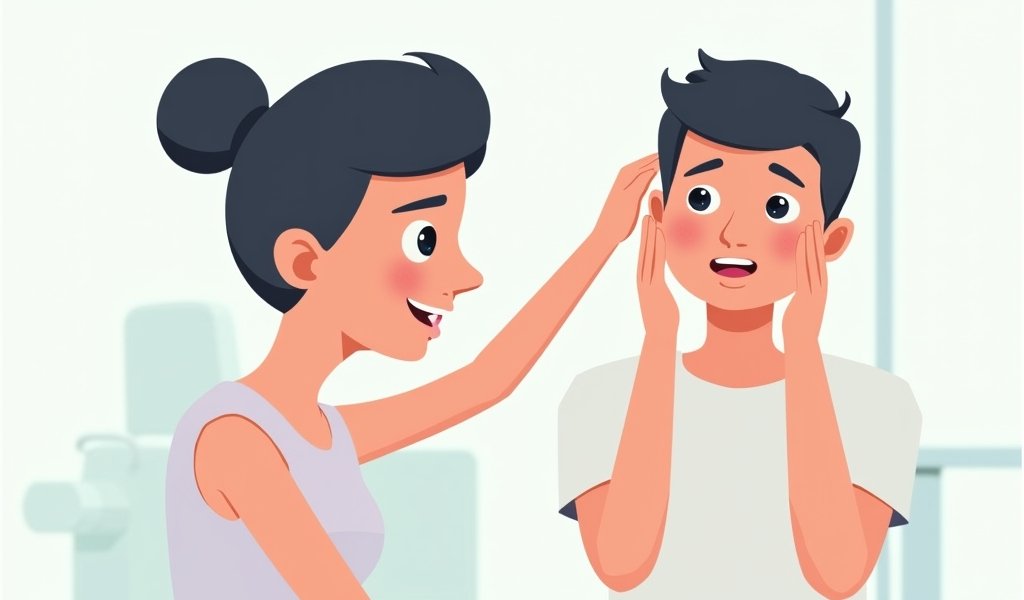
Ever wondered why your ear hurts but your doctor keeps looking at your jaw like it’s the troublemaker at the party? This article explains how TMJ disorders can cause ear pain due to the proximity of the jaw joint to the ear canal, offering a 5-step relief approach including pain management techniques, diet modifications, stress management, targeted exercises, and professional interventions when self-care isn’t enough.
Table of Contents
- Understanding TMJ Disorder and Its Relationship with Ear Pain
- Recognizing the Symptoms: When TMJ Might Be Causing Your Ear Pain
- Diagnosing TMJ-Related Ear Discomfort: What to Expect
- The Ultimate 5-Step Relief Guide for TMJ-Related Ear Pain
- Long-Term Prevention Strategies for TMJ and Ear Pain
- When to Seek Professional Help
- Conclusion
- Frequently Asked Questions
Understanding TMJ Disorder and Its Relationship with Ear Pain
Can TMJ cause ear pain? The simple answer is yes, and it happens more frequently than most people realize. As a clinical specialist who has treated hundreds of patients with temporomandibular joint (TMJ) disorders, I’ve witnessed firsthand the confusion and frustration that comes when ear pain persists despite normal otolaryngological evaluations.
My own journey with TMJ began during my residency years. The long hours, constant stress, and admittedly poor habit of clenching my teeth during difficult procedures led to what I initially mistook as recurring ear infections. Only after consulting with a colleague did I realize my ear discomfort stemmed from my jaw, not my ear itself.
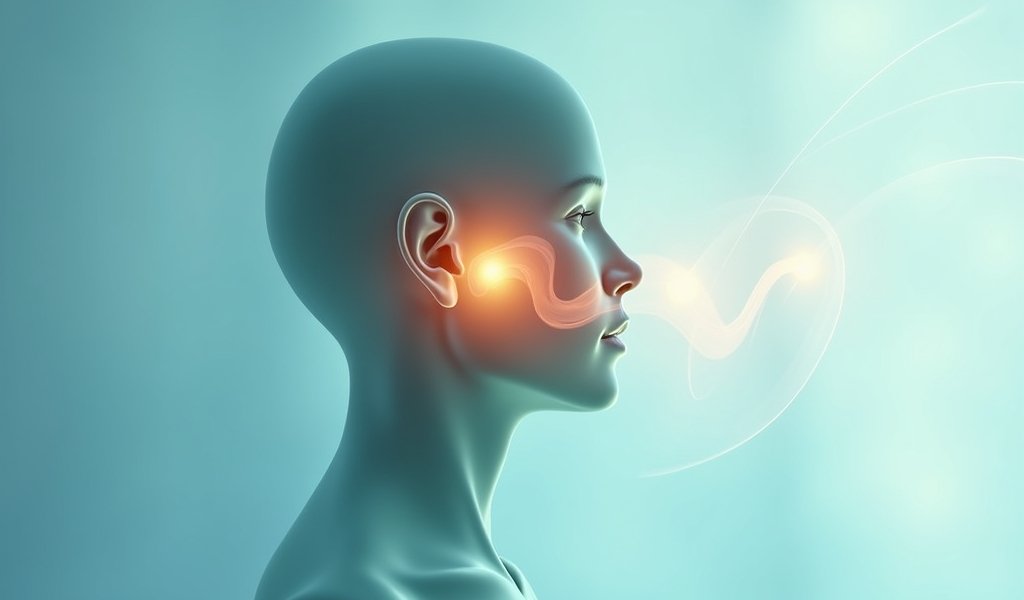
The temporomandibular joint connects your jawbone to your skull and functions as one of the most complex and frequently used joints in your body. Located just in front of each ear, these joints work in harmony to facilitate essential functions like speaking, chewing, and yawning. Due to this proximity to the ear canal, problems with the TMJ can manifest as ear pain, fullness, or even tinnitus.
According to research from the National Institute of Dental and Craniofacial Research, TMJ disorders affect approximately 10 million Americans, with women experiencing symptoms more frequently than men. The intricate connection between the jaw joint and the auditory system creates a situation where dysfunction in one area can directly impact the other.
What makes TMJ disorders particularly challenging is that they exist at the intersection of several health and wellness disciplines, including dentistry, neurology, and otolaryngology. The trigeminal nerve—responsible for sensation in your face—and several shared muscle groups create neurological and structural pathways between your jaw and ear, explaining why TMJ dysfunction often presents with ear-related symptoms.
Understanding this relationship is the first step toward finding effective relief for what might otherwise be misdiagnosed as primary ear conditions, potentially leading to unnecessary treatments that fail to address the root cause.
Recognizing the Symptoms: When TMJ Might Be Causing Your Ear Pain
Distinguishing between ear pain caused by TMJ disorder and pain from actual ear conditions can be challenging, even for healthcare professionals. During my years in practice, I’ve developed a keen sense for spotting the telltale signs that suggest jaw dysfunction might be the culprit behind a patient’s ear discomfort.
TMJ-related ear pain typically presents with some distinctive characteristics:
- Pain that worsens when chewing, yawning, or opening the mouth widely
- Ear pain accompanied by jaw clicking, popping, or grinding sounds
- Discomfort that extends beyond the ear to the temple, cheek, or jaw area
- Ear fullness or pressure without signs of infection
- Intermittent tinnitus (ringing in the ears) that fluctuates with jaw movement
- Ear pain that coincides with headaches, especially in the morning
One particularly revealing symptom combination I’ve observed in my practice is ear pain that occurs alongside difficulty in fully opening or closing the mouth. This pattern strongly suggests TMJ involvement rather than a primary ear condition.
In contrast, ear pain from actual ear pathologies tends to be more localized, may include discharge, and typically doesn’t change in intensity with jaw movements. Ear infections often present with more acute symptoms, including fever and pronounced hearing changes, which are uncommon in TMJ disorders.
I recall a patient, Sarah, who had undergone three courses of antibiotics for suspected ear infections before coming to my office. Her description of pain that intensified when eating crunchy foods and her morning headaches immediately suggested TMJ involvement. A simple examination confirmed jaw muscle tenderness and limited mouth opening—classic TMJ disorder signs that had been overlooked.
If you experience persistent ear discomfort alongside any of these TMJ-related symptoms, consider consulting a healthcare provider who specializes in physical wellness and jaw disorders rather than focusing exclusively on ear treatments. Proper identification of the underlying cause is crucial for effective management.
Diagnosing TMJ-Related Ear Discomfort: What to Expect
Arriving at an accurate diagnosis of TMJ-related ear pain typically requires a comprehensive approach that considers multiple body systems. When patients come to my practice complaining of ear pain with normal otoscopic examinations, I initiate a diagnostic process that looks beyond the ear itself.
The diagnostic journey usually involves several key components:
Clinical Examination
A thorough clinical assessment begins with palpation of the jaw joints and muscles. I pay particular attention to the masseter, temporalis, and pterygoid muscles, which often harbor tenderness in TMJ disorders. During this examination, I ask patients to open and close their mouth while I listen and feel for clicking, popping, or grating sounds (crepitus) that indicate joint dysfunction.
Range of motion testing reveals whether a patient can fully open their mouth (normally 40-50mm between upper and lower front teeth) or if there’s deviation of the jaw when opening. Restricted movement or deviation strongly suggests TMJ involvement in the reported ear symptoms.
Medical History Review
Understanding a patient’s complete history is crucial. I inquire about:
- Recent dental work or changes to bite alignment
- History of jaw trauma or orthodontic treatment
- Stress levels and sleep quality
- Habits like gum chewing, nail biting, or teeth grinding
- Previous ear treatments and their effectiveness
One patient’s breakthrough came when she mentioned beginning a new high-stress job three months prior to her ear pain onset—precisely when she began clenching her jaw during the day, a connection she hadn’t made until our detailed history discussion.
Imaging Studies
While not always necessary, imaging can provide valuable insights in complex cases. According to research published in the Journal of Oral Rehabilitation, modern diagnostic approaches may include:
- Panoramic X-rays to view the entire jaw structure
- Cone beam CT scans for detailed bone imaging
- MRI to evaluate soft tissues and disc position within the joint
In my practice, I reserve advanced imaging for cases where treatment isn’t progressing as expected or when I suspect structural abnormalities that require specific interventions.
Interdisciplinary Consultation
Collaboration between healthcare providers often yields the most accurate diagnosis. I frequently consult with colleagues in dentistry, otolaryngology, and neurology to ensure we’re addressing all aspects of a patient’s condition, especially before their wellness exam.
This multidisciplinary approach prevents the all-too-common scenario where patients bounce between specialists, receiving treatments for ear symptoms while the underlying TMJ disorder remains unaddressed.
The Ultimate 5-Step Relief Guide for TMJ-Related Ear Pain
After diagnosing countless cases of TMJ-related ear discomfort, I’ve developed a systematic 5-step approach that addresses both immediate pain relief and long-term management. This protocol has helped many of my patients regain comfort and function without invasive procedures.
Step 1: Immediate Pain Management Techniques
When TMJ-related ear pain strikes, these immediate interventions can provide relief:
- Moist Heat Application: Apply a warm, damp washcloth to the jaw joint for 10-15 minutes to relax tense muscles and improve blood circulation.
- Cold Therapy: For acute pain with inflammation, alternate with cold packs (wrapped in a thin cloth) for 10 minutes to reduce swelling.
- Over-the-counter Anti-inflammatories: Ibuprofen or naproxen sodium can help manage both pain and inflammation when used as directed. Research indicates these medications can be effective for short-term TMJ pain relief.
- Gentle Jaw Stretches: Slowly open and close your mouth in a controlled manner, without forcing movement beyond comfort.
I always remind my patients that these measures address symptoms rather than causes, making them stepping stones toward more comprehensive management rather than complete solutions.
Step 2: Diet and Habit Modifications
Simple changes to daily habits can dramatically reduce strain on the temporomandibular joint:
- Soft Food Diet: Temporarily switch to softer foods that require minimal chewing—smoothies, yogurt, well-cooked vegetables, and tender proteins.
- Bite-sized Portions: Cut food into smaller pieces to reduce the need to open wide.
- Avoid Extreme Movements: Minimize activities that require opening the mouth widely, such as yawning or dental procedures, when possible.
- Eliminate Chewy Foods: Temporarily avoid gum, caramels, tough meats, and crusty breads that require vigorous chewing.
One patient found remarkable improvement simply by switching from bagels to softer bread for breakfast and taking smaller bites of her food—changes that seemed minor but significantly reduced her daily jaw strain.
Step 3: Stress Management and Sleep Position Optimization
Many TMJ sufferers unconsciously clench or grind their teeth during stress or sleep. Addressing these factors can provide substantial relief:
- Mindfulness Practices: Regular meditation or deep breathing exercises help reduce overall tension that can manifest in the jaw. I recommend the 4-7-8 breathing technique (inhale for 4 counts, hold for 7, exhale for 8) practiced for 5 minutes, twice daily.
- Sleep Position Awareness: Side sleepers should ensure their pillow provides adequate neck support without creating jaw pressure. Back sleeping is often ideal for TMJ sufferers.
- Bedtime Relaxation Routine: Develop a consistent pre-sleep routine that signals your body to release tension before sleep.
The connection between stress and TMJ symptoms is well-documented in dental research, making stress management an essential component of any treatment plan.
Step 4: Targeted Exercises and Physical Therapy
Specific exercises can strengthen supporting muscles and improve joint function:
- Resistance Training: Place your palm under your chin and gently open your mouth against this resistance, holding for 5-10 seconds.
- Controlled Movement: Practice opening your mouth in front of a mirror, focusing on keeping the movement straight without deviation.
- Isometric Exercises: Gently press your palm against the side of your face while attempting to move your jaw in that direction without actually moving it.
For patients with persistent symptoms, I often recommend formal physical therapy with a specialist trained in orofacial pain. These professionals can provide customized exercise programs and hands-on techniques that address individual needs more precisely than general recommendations.
Step 5: Supportive Devices and Professional Interventions
When self-management techniques aren’t sufficient, several professional interventions can help:
- Occlusal Splints/Night Guards: Custom-fitted devices that prevent teeth grinding and promote optimal jaw alignment during sleep.
- Trigger Point Injections: For patients with identifiable muscle trigger points, targeted injections can provide relief when other methods fail.
- Low-Level Laser Therapy: This emerging treatment shows promise for reducing inflammation and promoting healing in TMJ tissues.
The effectiveness of occlusal splints is well-supported by clinical research, with one recent study showing significant improvement in pain scores for over 80% of participants using custom-fitted devices.

Long-Term Prevention Strategies for TMJ and Ear Pain
Beyond addressing acute symptoms, preventing recurrence of TMJ-related ear pain requires consistent attention to the underlying factors that contribute to jaw dysfunction. Throughout my clinical practice, I’ve identified several prevention strategies that yield the most significant long-term benefits.
Ergonomic Considerations
Poor posture, particularly forward head posture common with desk work and smartphone use, places additional strain on the jaw joint and associated muscles. I advise patients to:
- Position computer monitors at eye level to prevent looking down for extended periods
- Use headsets for phone calls rather than cradling phones between shoulder and ear
- Take regular “posture breaks” to reset alignment when working at desks
- Consider ergonomic assessments of workstations, particularly for those in office environments
The connection between cervical spine alignment and TMJ function has been demonstrated in multiple studies, including research published in the Journal of Prosthodontic Dentistry showing significant correlations between head posture and TMJ disorders.
Ongoing Awareness Training
Many TMJ sufferers develop harmful jaw habits unconsciously. Teaching awareness techniques helps interrupt these patterns:
- The “lips apart, teeth apart” rule: Train yourself to maintain a small space between your teeth when not eating or speaking
- Posture cues: Use everyday activities (like stopping at red lights or receiving notifications) as reminders to check jaw tension
- Tongue position training: Practice maintaining the tongue’s “resting position”—lightly touching the roof of the mouth just behind the front teeth—to promote proper jaw alignment
I often recommend patients place small colored stickers in locations they frequently see (computer monitors, bathroom mirrors) as visual reminders to check for jaw clenching or incorrect tongue positioning.
Regular Maintenance Care
For those with recurrent TMJ issues, establishing a maintenance routine can prevent major flare-ups:
- Schedule periodic evaluations with dental professionals who specialize in TMJ disorders
- Maintain consistent use of prescribed night guards or splints, replacing them when worn
- Continue with targeted exercises even after symptoms resolve to maintain muscle balance
- Address dental issues promptly, as malocclusion can contribute to TMJ strain
Prevention often requires a multidisciplinary approach, involving coordination between dentistry, physical therapy, and sometimes psychological support for stress management. This comprehensive care model has proven most effective for my patients with complex or recurrent TMJ disorders.
When to Seek Professional Help
While many cases of TMJ-related ear pain respond well to self-management techniques, certain situations warrant prompt professional evaluation. Throughout my clinical career, I’ve identified several red flags that indicate the need for specialized care.
Warning Signs That Require Immediate Attention
Seek professional help without delay if you experience:
- Severe, sudden-onset pain that doesn’t respond to over-the-counter pain management
- Inability to open or close your mouth completely (locked jaw)
- Significant changes in your bite alignment where teeth no longer fit together properly
- Persistent ear symptoms like ringing, fullness, or hearing changes that worsen despite TMJ management
- Jaw pain accompanied by fever or other signs of infection
One particularly concerning presentation I’ve encountered is asymmetrical jaw opening, where the jaw deviates significantly to one side. This often indicates disc displacement that may require specific interventions beyond self-care approaches.
Choosing the Right Healthcare Provider
TMJ disorders fall at the intersection of several specialties, making provider selection important:
- Dentists with TMJ specialty training often provide the most comprehensive initial evaluation
- Oral and maxillofacial surgeons for cases where structural abnormalities are suspected
- Physical therapists with orofacial specialization for movement dysfunction and muscle imbalances
- Ear, Nose, and Throat specialists (ENTs) to rule out primary ear pathology when symptoms persist
When selecting a provider, look for professionals who take a conservative, multidisciplinary approach. The most effective treatment plans typically begin with the least invasive interventions and progress only as needed based on response.
I advise patients to prepare for specialist appointments by documenting:
- A timeline of symptoms, noting any patterns or triggers
- Previous treatments attempted and their effectiveness
- Related symptoms beyond the ear and jaw
- Recent life changes or stressors that coincided with symptom onset
This documentation helps specialists quickly identify patterns and develop targeted treatment plans, potentially saving significant time in the diagnostic process.
Conclusion
The connection between TMJ disorders and ear pain represents one of the more complex intersections of our body’s systems. Throughout this exploration, we’ve seen how the proximity of the temporomandibular joint to the ear structures creates a pathway for symptoms to manifest in seemingly unrelated areas—a phenomenon I’ve witnessed repeatedly in clinical practice.
The 5-step relief approach outlined provides a comprehensive framework that addresses both immediate comfort and long-term management of TMJ-related ear discomfort. From immediate pain relief strategies to preventative measures, this systematic approach offers hope for those caught in the frustrating cycle of unexplained ear symptoms.
Perhaps most importantly, understanding the TMJ-ear pain connection empowers patients to become active participants in their care. By recognizing the characteristic signs that distinguish TMJ-related ear pain from primary ear conditions, individuals can seek appropriate care sooner and avoid the common pitfall of treating symptoms while missing the underlying cause.
As both a clinician and someone who has personally experienced TMJ-related ear discomfort, I can attest to the significant improvement possible through proper diagnosis and management. The journey to relief may require patience and persistence, but with the right approach, most individuals can achieve substantial improvement in both symptoms and quality of life.
Remember that TMJ disorders exist on a spectrum, with some cases resolving through simple self-care measures while others require more comprehensive professional intervention. Listening to your body and seeking appropriate care when needed represents the wisest approach to addressing this complex but manageable condition.
Frequently Asked Questions
Can TMJ cause ear infections?
TMJ doesn’t directly cause ear infections, but it can mimic infection symptoms like pain and pressure. True ear infections typically involve other symptoms like fever and discharge that aren’t present with TMJ disorders.
How long does TMJ-related ear pain typically last?
Without treatment, TMJ ear pain may last from days to months depending on underlying causes. With appropriate intervention, most patients experience significant improvement within 2-4 weeks.
Can children develop TMJ-related ear pain?
Yes, children can develop TMJ disorders that manifest as ear pain, though it’s less common than in adults. Growth-related jaw changes, orthodontic treatment, and habits like pencil chewing can contribute to childhood TMJ issues.
Is surgery necessary for TMJ disorders?
Surgery is rarely needed for TMJ disorders and is typically considered only after conservative treatments fail. Less than 5% of TMJ patients require surgical intervention according to current clinical guidelines.
Can emotional stress really affect my TMJ and cause ear pain?
Yes, stress is a significant contributor to TMJ disorders through increased muscle tension and teeth clenching/grinding. Studies show stress reduction techniques can significantly improve TMJ symptoms, including referred ear pain.