
Overview
Got chest pain? Before you panic that your heart is staging a rebellion, it might just be your anxiety playing an unwanted game of “let’s freak you out today.” This article explains that anxiety can indeed cause daily chest pain through mechanisms like muscle tension and hyperventilation, while offering five proven relief strategies including deep breathing, muscle relaxation, and cognitive reframing, along with guidance on when to seek medical help.
Table of Contents
- Understanding Anxiety-Induced Chest Pain
- Can Anxiety Cause Chest Pain Everyday?
- Differentiating Anxiety Chest Pain from Heart Problems
- Why Does Anxiety Trigger Chest Pain?
- 5 Proven Relief Tips for Anxiety-Induced Chest Pain
- When to Seek Medical Help for Chest Pain
- Long-Term Management Strategies
- Conclusion
- Frequently Asked Questions
Understanding Anxiety-Induced Chest Pain
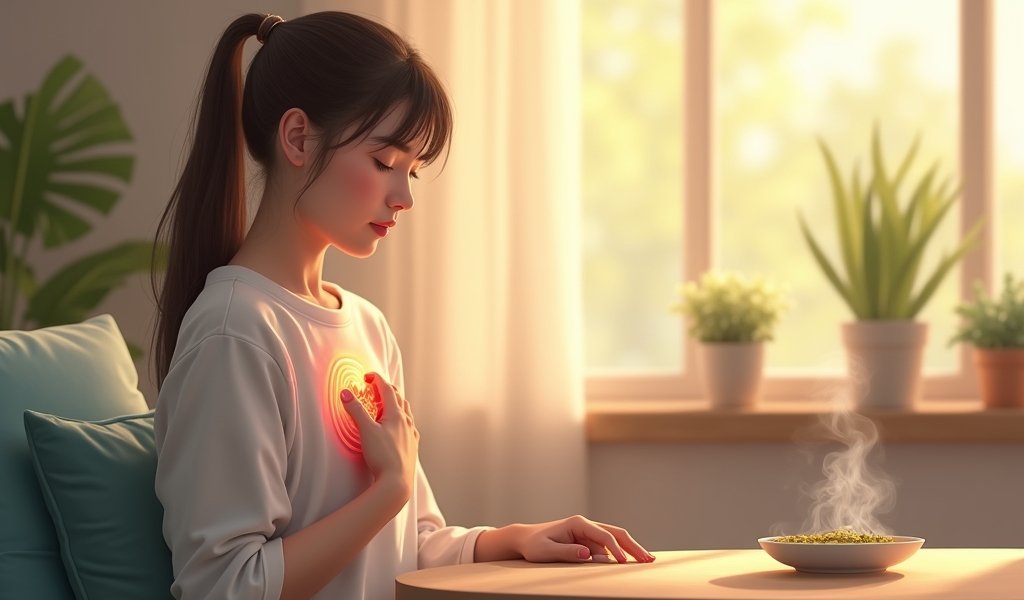
Can anxiety cause chest pain everyday? As a health professional who has worked with numerous anxiety patients, I can confirm that yes, anxiety can indeed cause recurring or even daily chest pain. This phenomenon, while frightening, is actually quite common among those who struggle with anxiety disorders, affecting approximately 25-50% of patients with panic disorder or generalized anxiety.
Anxiety-related chest pain can feel eerily similar to cardiac distress – tight, sharp, or stabbing sensations that may last from a few minutes to several hours. It’s one of the primary reasons people with anxiety disorders seek emergency medical care, often fearing they’re experiencing a heart attack when the culprit is actually their mental health.
The connection between our emotional state and physical sensations represents one key aspect of the mind-body connection in wellness. Understanding this relationship is crucial for both diagnosis and treatment of anxiety-induced chest discomfort.
Can Anxiety Cause Chest Pain Everyday?
For those living with chronic anxiety or panic disorder, daily chest pain is unfortunately a reality many face. Research published in the Journal of Psychosomatic Research indicates that up to 70% of patients with panic disorder experience chest pain as a primary symptom. What’s more concerning is that this pain can become a persistent, everyday occurrence when anxiety remains untreated.
Continuous psychological stress keeps your body in a perpetual “fight-or-flight” state. When this response is chronically activated, your muscles remain tense, your breathing stays shallow, and your nervous system remains on high alert – all contributing to recurring chest discomfort.
Many patients describe their experience as a vicious cycle: anxiety causes chest pain, which then triggers more anxiety about having chest pain, resulting in a continuous feedback loop that can make symptoms appear daily. Breaking this cycle requires addressing both the physical sensations and the underlying anxiety.
Differentiating Anxiety Chest Pain from Heart Problems
One of the most challenging aspects of anxiety-induced chest pain is distinguishing it from cardiac issues. As healthcare providers, we’re trained to recognize subtle differences, but even for us, the distinction isn’t always immediately clear. Here are some characteristic differences:
- Anxiety chest pain often changes with body position or breathing patterns
- Cardiac pain typically radiates to the left arm, jaw, or back; anxiety pain is usually centered in the chest
- Heart-related pain often worsens with physical exertion; anxiety pain may occur at rest or during stress
- Cardiac episodes usually come with additional symptoms like nausea, cold sweats, or lightheadedness
- Anxiety chest pain frequently coincides with other anxiety symptoms like dizziness, tingling sensations, or feeling of impending doom
According to research from the American College of Cardiology, up to 25% of patients presenting to emergency departments with chest pain are experiencing panic-related symptoms rather than cardiac issues. However, it’s crucial to note that anxiety and heart problems aren’t mutually exclusive – both can occur simultaneously.
If you experience new or changing chest pain, seeking immediate medical attention remains the safest approach. Once cardiac causes have been ruled out through appropriate testing, we can confidently address anxiety as the underlying cause.
Why Does Anxiety Trigger Chest Pain?
Understanding the physiological mechanisms behind anxiety-induced chest pain can help demystify this frightening symptom. When anxiety strikes, several bodily processes activate simultaneously:
Muscle Tension: Anxiety causes involuntary tightening of chest wall muscles, including the intercostal muscles between your ribs. This sustained tension creates aching, stabbing, or burning sensations across your chest.
Hyperventilation: Anxiety often triggers rapid, shallow breathing (hyperventilation). This breathing pattern changes your body’s carbon dioxide levels, which can cause chest tightness, tingling sensations, and even spasms in chest muscles.
Esophageal Issues: The stress response can increase acid production and affect esophageal muscle function, leading to acid reflux or esophageal spasms that mimic cardiac pain. Studies in the Journal of Gastroenterology have confirmed this connection between anxiety and esophageal symptoms.
Increased Heart Rate and Blood Pressure: Anxiety activates your sympathetic nervous system (your “fight or flight” response), causing your heart to work harder. This increased cardiac workload can create sensations of pressure or discomfort in your chest.
These physical changes represent normal biological responses to perceived threats, despite no actual danger being present. The good news? Understanding these mechanisms is the first step in managing and reducing their impact on your daily life and overall health and wellness.
5 Proven Relief Tips for Anxiety-Induced Chest Pain
Living with anxiety-related chest pain doesn’t mean you’re powerless. As a health professional, I’ve seen remarkable improvement in patients who implement these evidence-based strategies:
1. Deep Breathing Techniques
The 4-7-8 breathing technique has shown particular effectiveness for anxiety-induced chest pain. Here’s how to practice it:
- Inhale quietly through your nose for 4 seconds
- Hold your breath for 7 seconds
- Exhale completely through your mouth for 8 seconds
- Repeat 3-4 times
This pattern helps counter hyperventilation, regulates your autonomic nervous system, and relaxes tense chest muscles. Research in the Journal of Neuropsychiatry has demonstrated that controlled breathing exercises can significantly reduce both anxiety and its associated physical symptoms.
2. Progressive Muscle Relaxation
This technique directly addresses muscle tension that contributes to chest discomfort:
- Start with your facial muscles, tensing them for 5-10 seconds, then releasing
- Gradually work downward through your body
- When you reach your chest, focus on gentle tension and complete release
- Pay particular attention to shoulder and upper back muscles that affect chest comfort
Regular practice of progressive muscle relaxation has been shown to reduce both the frequency and intensity of anxiety-related chest pain episodes.
3. Cognitive Reframing
Breaking the cycle of catastrophic thinking is essential for managing anxiety chest pain. When chest discomfort occurs:
- Acknowledge the sensation without judgment
- Remind yourself of previous episodes that passed safely
- Challenge automatic thoughts like “I’m having a heart attack”
- Replace with realistic assessments: “This is my anxiety. It’s uncomfortable but not dangerous.”
This cognitive behavioral approach helps disrupt the anxiety-pain feedback loop and supports the mental pillars of wellness necessary for recovery.
4. Heat Therapy
Applying warmth to the chest area can provide surprisingly effective relief:
- Use a heating pad on medium setting for 15-20 minutes
- Try a warm shower with water directed at your chest and shoulders
- Consider a warm compress with aromatherapy elements like lavender
Heat therapy works by increasing blood flow to tense muscles and triggering the release of endorphins, your body’s natural pain relievers.
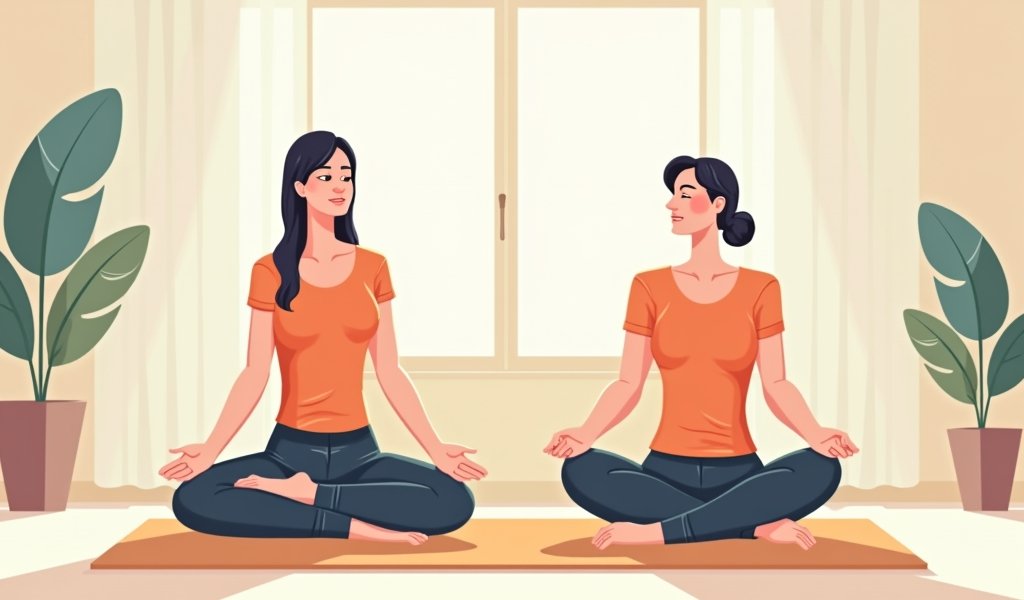
5. Mindfulness Meditation
Regular mindfulness practice has shown remarkable effectiveness for anxiety-related physical symptoms, including chest pain:
- Start with just 5 minutes daily of focused attention on your breathing
- When chest pain occurs, use a “body scan” technique to observe sensations without reacting
- Practice acceptance of physical sensations without attempting to change them
- Gradually build to 15-20 minute sessions for maximum benefit
A study published in JAMA Internal Medicine found that mindfulness meditation can reduce anxiety symptoms by up to 30% after just 8 weeks of regular practice.

When to Seek Medical Help for Chest Pain
While anxiety can absolutely cause chest pain, it’s crucial to know when to seek immediate medical attention. As a healthcare provider, I always emphasize that certain symptoms warrant emergency evaluation, regardless of your anxiety history:
- Chest pain accompanied by shortness of breath, nausea, or lightheadedness
- Pain that radiates to your jaw, left arm, or between your shoulder blades
- Sudden, severe chest pain unlike your typical anxiety symptoms
- Chest discomfort that worsens with physical exertion
- Pain accompanied by unusual fatigue or weakness
Remember, having anxiety doesn’t make you immune to cardiac issues. In fact, chronic anxiety is associated with increased cardiovascular risk over time. When in doubt, seek evaluation – a thorough medical assessment provides both safety and peace of mind.
Once cardiac concerns have been appropriately addressed, working with mental health professionals becomes the next important step. Psychologists and psychiatrists specializing in anxiety disorders can provide targeted therapies like cognitive behavioral therapy (CBT), which has shown up to 70% effectiveness for anxiety-related physical symptoms.
Long-Term Management Strategies
Beyond immediate relief techniques, managing anxiety-induced chest pain requires a comprehensive approach focused on reducing overall anxiety levels. Consider these evidence-based strategies:
Regular Physical Activity: Exercise is one of our most powerful anti-anxiety tools. Activities like walking, swimming, or yoga have been shown to reduce anxiety symptoms by up to 30%. Start with just 10 minutes daily and gradually increase to 30 minutes most days.
Consistent Sleep Habits: Sleep disruption both triggers and worsens anxiety symptoms, including chest pain. Aim for 7-8 hours nightly, maintain consistent sleep/wake times, and create a relaxing pre-bed routine to signal your body it’s time to rest.
Nutritional Support: Certain dietary patterns can influence anxiety levels. Research suggests limiting caffeine, alcohol, and refined sugars while increasing omega-3 fatty acids, complex carbohydrates, and magnesium-rich foods may help reduce anxiety symptoms.
Social Connection: Isolation amplifies anxiety, while meaningful social contact provides protective benefits. Even brief, positive social interactions can reduce stress hormone levels and improve emotional resilience against anxiety symptoms.
Professional Support: For persistent anxiety chest pain, professional treatment offers the highest success rates. Cognitive behavioral therapy (CBT), acceptance and commitment therapy (ACT), and sometimes medication can significantly reduce both the frequency and intensity of anxiety-related chest sensations.
I’ve witnessed remarkable transformations in patients who commit to these comprehensive approaches. One patient, who had experienced daily anxiety chest pain for over a year, found that a combination of guided meditation, twice-weekly moderate exercise, and CBT techniques reduced her episodes by over 90% within three months.
Conclusion
Can anxiety cause chest pain everyday? The evidence clearly shows it can. Anxiety-induced chest discomfort represents a common, though distressing, manifestation of how our mental and physical health interconnect. The chronic muscle tension, breathing changes, and autonomic nervous system activation triggered by persistent anxiety can indeed create daily chest pain that feels frighteningly real.
The good news is that this connection between anxiety and chest pain is well-understood by health professionals and highly treatable. By implementing the five proven relief techniques we’ve discussed – deep breathing, progressive muscle relaxation, cognitive reframing, heat therapy, and mindfulness meditation – most people experience significant improvement in their symptoms.
Remember that while anxiety-related chest pain isn’t dangerous in itself, it serves as an important signal from your body that stress levels have become unsustainable. Listening to this signal and taking proactive steps to address the underlying anxiety not only relieves chest discomfort but improves overall quality of life.
If you’re struggling with anxiety-induced chest pain, know that you’re not alone, and effective help is available. With the right combination of self-management techniques and professional support, you can break free from the cycle of anxiety and chest pain to reclaim comfort and calm in your daily life.
Frequently Asked Questions
Can anxiety chest pain last for days?
Yes, anxiety chest pain can persist for days during periods of high stress or during anxiety flare-ups. The continuous muscle tension and autonomic nervous system activation can maintain the discomfort until the anxiety cycle is interrupted.
Is it normal for anxiety chest pain to move around?
Absolutely, anxiety-related chest pain often shifts location or changes in character. This migrating quality is actually one feature that can help distinguish it from cardiac pain, which tends to remain consistent in location and sensation.
Can anxiety chest pain wake you up from sleep?
Yes, some people experience anxiety chest pain that wakes them from sleep. This often occurs during periods of elevated stress when anxiety manifests physically even during sleep cycles.
Will my anxiety chest pain ever completely go away?
With appropriate treatment addressing the underlying anxiety, most people experience significant reduction or complete resolution of chest pain symptoms. Comprehensive treatment combining physical techniques, cognitive strategies, and lifestyle modifications offers the best outcomes.
Can children experience anxiety chest pain?
Yes, children and adolescents can experience chest pain related to anxiety. In fact, studies show that up to 30% of pediatric chest pain cases presenting to emergency departments are anxiety-related rather than cardiac in nature.