
Overview
When your toenail ghosted your toe without so much as a painful goodbye, don’t panic – it’s surprisingly common and usually fixable! The article explains that painless toenail detachment typically results from fungal infections, repetitive trauma, or underlying health conditions, with treatment options ranging from antifungal medications to proper wound care, while complete regrowth takes 6-12 months with proper care and prevention strategies.
Table of Contents
- Understanding Painless Toenail Loss: Why It Happens
- 7 Common Causes of Painless Toenail Detachment
- Diagnosing the Issue: When to See a Doctor
- 7 Proven Treatment Options for Toenail Loss
- Preventing Future Toenail Loss
- Recovery Timeline: What to Expect
- Natural Remedies to Support Healing
- Conclusion
- Frequently Asked Questions
Understanding Painless Toenail Loss: Why It Happens
Discovering your toenail has fallen off without pain can be quite startling. One minute you’re going about your day, and the next, you notice your toenail has decided to part ways with your toe – with surprisingly little fanfare. Why did my toenail fall off without pain? This question brings many concerned patients to my office each year.
As a podiatric specialist with over 15 years of clinical experience, I can tell you this phenomenon is more common than you might think. The human nail is a fascinating structure – essentially a modified form of skin made of hardened protein called keratin. When a toenail detaches painlessly, it usually indicates the separation occurred gradually rather than through sudden trauma.
What makes this situation unique is the lack of pain. Typically, when we experience injuries, pain serves as our body’s alarm system. When a toenail detaches without this warning signal, it suggests the nerve endings beneath the nail may have experienced minimal disruption, or the separation happened so gradually that your body adjusted without triggering pain responses.
According to research published in the Journal of the American Academy of Dermatology, painless nail detachment (onycholysis) affects approximately 2% of the general population at some point in their lives. The good news? Most cases are entirely treatable, and with proper care, your nail will likely grow back healthier than before.
Let’s dive into why this happens and how you can address it effectively – without the medical jargon that makes your eyes glaze over. After all, your toes deserve the same TLC as the rest of your body, and proper foot care is essential for overall wellness.
7 Common Causes of Painless Toenail Detachment
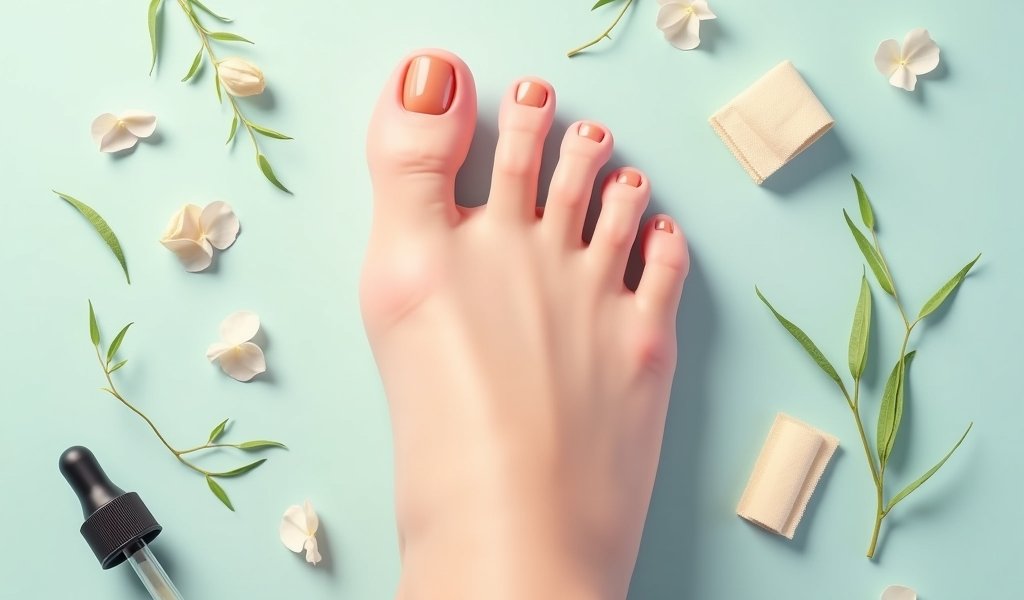
When it comes to painless toenail loss, several culprits might be to blame. Let’s break down the most common causes I’ve encountered in my practice:
1. Fungal Infections
The most frequent cause I see is onychomycosis – fancy medical speak for a fungal nail infection. These pesky fungi love warm, moist environments (like your sweaty shoes) and gradually work their way under your nail. Over time, they can cause the nail to separate from the nail bed painlessly.
Studies from the American Academy of Family Physicians indicate that fungal infections account for about 50% of all nail disorders and affect up to 14% of the general population. The infection typically starts at the tip of the nail and works its way back, often causing discoloration (yellowing or whitening) before detachment.
2. Repetitive Trauma
Sometimes the culprit is hiding in plain sight – your footwear! Runners, hikers, and anyone wearing ill-fitting shoes can experience microtrauma to the nail. While each individual impact might not hurt much, the cumulative effect can gradually loosen the nail until it eventually detaches.
I once had a patient who couldn’t figure out why her big toenails kept falling off painlessly every few months. The mystery was solved when we discovered her weekend hiking boots were just slightly too short, causing constant gentle pressure on her toenails with each downhill step.
3. Psoriasis and Other Skin Conditions
Skin conditions like psoriasis don’t just affect the visible skin – they can impact your nails too. According to the National Psoriasis Foundation, up to 50% of people with psoriasis experience nail changes, including onycholysis (nail separation).
These conditions cause abnormal cell growth and can affect the attachment between your nail and nail bed. Since the process is gradual and related to an underlying condition rather than injury, the detachment often happens without pain.
4. Chemical Exposure
Those household cleaning products under your sink? They might be tougher on your nails than you realize. Regular exposure to harsh chemicals like bleach, detergents, or even some nail polish removers can weaken the nail structure over time.
This is particularly common among people whose occupations involve frequent hand-washing or chemical exposure, such as healthcare workers, hairstylists, and cleaning professionals. The chemicals gradually break down the keratin in your nails, leading to brittleness and eventual separation.
5. Systemic Conditions
Sometimes, painless nail loss can be a sign of something happening elsewhere in your body. Conditions like thyroid disorders, circulation problems, or autoimmune diseases can manifest through changes in your nails.
Research published in the American Academy of Dermatology suggests that up to 10% of painless nail detachments are associated with systemic conditions that affect multiple body systems. This is why it’s important not to ignore this symptom, even when it’s painless.
6. Aging
As we get older, our nails naturally become more brittle and prone to separation. The growth rate slows down, and the attachment between the nail and nail bed may weaken. This natural aging process can lead to painless detachment, particularly in seniors.
It’s worth noting that age-related nail changes can be exacerbated by other factors like poor circulation or nutritional deficiencies, which are also more common in older adults.
7. Nutritional Deficiencies
Your nails are like windows into your nutritional status. Deficiencies in biotin, iron, zinc, or protein can lead to weak, brittle nails that separate from the nail bed more easily. In fact, studies from the National Institutes of Health have connected several specific nutritional deficiencies with nail abnormalities.
The good news is that addressing these nutritional gaps often leads to healthier nail growth once the detached nail is replaced by new growth.
Diagnosing the Issue: When to See a Doctor
While a painless toenail loss might not send you running to the emergency room, it’s definitely worth getting checked out. Here’s how to determine whether your situation requires professional attention:
Red Flags That Warrant Immediate Attention
Not all toenail detachments are created equal. Seek medical attention promptly if you notice:
- Signs of infection (increasing pain, warmth, redness, swelling, or discharge)
- The nail loss occurred after significant trauma
- You have diabetes or circulation problems
- You’re experiencing similar issues with multiple nails
- The skin around the nail appears abnormal or concerning
People with diabetes should be particularly cautious with any foot-related issues. According to the American Diabetes Association, even minor foot problems can escalate quickly in diabetic patients due to reduced sensation and compromised circulation.
What to Expect at Your Appointment
When you visit a healthcare provider for a detached toenail, the diagnostic process typically involves:
- A thorough medical history review, including questions about footwear, activities, and previous nail issues
- Physical examination of the affected nail and surrounding tissue
- Possible nail clippings or debris samples for laboratory testing
- Blood tests if a systemic condition is suspected
Be prepared to answer questions about your typical footwear, exercise habits, and any products you regularly use on your feet. These details can provide valuable clues to help pinpoint the underlying cause of your nail detachment.
I always remind my patients that good health and wellness starts with paying attention to the small stuff – like changes in your toenails – that your body uses to communicate with you.
7 Proven Treatment Options for Toenail Loss
Once you’ve identified the cause of your toenail falling off without pain, it’s time to take action. Here are seven effective approaches to address the issue and promote healthy nail regrowth:
1. Antifungal Treatments
If a fungal infection is to blame (and it often is), antifungal treatments are your go-to solution. These come in several forms:
- Topical solutions (applied directly to the nail bed and surrounding skin)
- Oral medications for more severe infections
- Medicated nail polishes that combine treatment with cosmetic coverage
Research from the American Academy of Dermatology indicates that combination therapy—using both topical and oral treatments—yields the highest success rates, with approximately 70-80% of patients experiencing significant improvement.
Keep in mind that patience is key here. Fungal infections are notoriously stubborn, and complete treatment can take anywhere from a few months to a year as your new, healthy nail grows in.
2. Proper Wound Care
The exposed nail bed requires proper care to prevent infection and support healthy regrowth:
- Clean the area gently with mild soap and water daily
- Apply an antiseptic solution or antibiotic ointment as recommended by your doctor
- Cover with a breathable bandage, especially during the first few days
- Change the covering regularly and monitor for signs of infection
A study published in the Journal of the American Medical Association Dermatology found that proper wound care following nail loss reduced infection rates by up to 60% and promoted faster regrowth.
3. Footwear Adjustments
Sometimes, the simplest solutions are the most effective. If repetitive trauma from footwear is contributing to your toenail issues, consider these adjustments:
- Choose shoes with wider toe boxes to minimize pressure
- Ensure proper shoe sizing (remember that foot size can change over time)
- Use silicone toe caps or specialized padding to protect the healing nail bed
- Consider custom orthotics if biomechanical issues are contributing to the problem
I’ve seen countless patients experience dramatic improvement simply by switching to more appropriate footwear. Your toes should never feel cramped or compressed in your shoes—that’s a recipe for ongoing nail problems.
4. Addressing Underlying Medical Conditions
If your toenail loss is related to a systemic condition like psoriasis or thyroid dysfunction, treating the underlying issue is essential for preventing recurrence:
- Work with appropriate specialists to manage skin conditions
- Follow prescribed treatment plans for autoimmune disorders
- Optimize management of circulatory issues
- Consider medications that specifically address nail manifestations of these conditions
For example, biologic medications used for severe psoriasis have shown remarkable effectiveness in resolving nail psoriasis, according to research from the National Psoriasis Foundation.
5. Nutritional Support
Supporting healthy nail growth from the inside out can make a significant difference:
- Ensure adequate protein intake (keratin is a protein, after all)
- Consider supplements like biotin, which has been shown to strengthen brittle nails
- Address any iron deficiency, which can contribute to nail problems
- Stay hydrated to support overall skin and nail health
A comprehensive review in the Journal of Drugs in Dermatology found that biotin supplementation improved nail thickness by 25% and reduced brittleness in patients with fragile nails.
6. Professional Nail Restoration
For those concerned about appearance during the regrowth phase, professional options include:
- Temporary prosthetic nails applied by podiatrists or specialized nail technicians
- KeryFlex or similar medical-grade nail restoration systems
- Professional guidance on safe cosmetic options during the healing process
These approaches can provide natural-looking coverage while your nail regrows, which typically takes 6-12 months for a toenail.
7. Laser and Light Therapies
Emerging technologies offer promising results, particularly for fungal infections:
- Laser therapy targets fungal organisms without damaging surrounding tissue
- Photodynamic therapy combines light activation with photosensitizing medications
- These approaches may be particularly helpful for patients who cannot tolerate oral antifungals
Clinical studies reported in the Journal of the American Academy of Dermatology show success rates of 60-70% for laser treatment of onychomycosis, with minimal side effects.
Preventing Future Toenail Loss
An ounce of prevention is worth a pound of cure – especially when it comes to your toenails. Here’s how to keep those nails firmly attached where they belong:
Daily Foot Hygiene Practices
Establishing a solid foot care routine is your first line of defense:
- Wash and thoroughly dry your feet daily, paying special attention to the spaces between toes
- Change socks regularly, especially after exercise or if your feet tend to sweat
- Rotate shoes to allow them to dry completely between wearings
- Use antifungal powder or spray in shoes and on feet if you’re prone to fungal issues
These simple habits can dramatically reduce your risk of developing the fungal infections that commonly lead to painless toenail detachment.
Smart Nail Care
How you care for your nails makes a big difference in their health and attachment:
- Trim nails straight across, not curved, to prevent ingrown toenails
- Use clean, dedicated tools for toenail care
- Avoid cutting nails too short, which increases risk of injury and infection
- Skip the cuticle cutting – those cuticles provide a protective seal against bacteria
According to American Orthopaedic Foot & Ankle Society, proper nail trimming alone can prevent many common toenail problems that eventually lead to detachment.
Footwear Wisdom
Your choice of shoes plays a crucial role in preventing nail trauma:
- Always wear proper athletic shoes for sports activities
- Choose shoes with a thumb’s width of space beyond your longest toe
- Consider protective toe caps for high-impact activities like running or hiking
- Replace athletic shoes regularly (typically every 300-500 miles of use)
I often tell my patients to do the “thumb test” – you should be able to press your thumb down in front of your longest toe when standing in shoes. If you can’t, those shoes are too short and may cause gradual nail trauma.
Environmental Considerations
Be mindful of where your feet spend their time:
- Wear shower shoes or sandals in public pools, showers, and locker rooms
- Avoid going barefoot in high-traffic public areas
- Use clean, dedicated tools at nail salons or bring your own
- Protect feet and nails when using household chemicals
These precautions help minimize exposure to fungal organisms and harsh chemicals that can compromise nail health. Research from the American Academy of Dermatology indicates that public swimming areas are among the most common sources of foot fungus transmission.
Remember that health and wellness is a holistic journey that includes caring for every part of your body – right down to your toenails.
Recovery Timeline: What to Expect
Patience is definitely a virtue when it comes to toenail regrowth. Let’s break down what you can expect during the healing process:
The First Few Days
Immediately after losing your toenail, the priority is protecting the exposed nail bed:
- The nail bed may appear raw and pink but shouldn’t be painful
- Slight tenderness when pressure is applied is normal
- A thin protective layer begins forming within 24-48 hours
- Any bleeding should be minimal and stop quickly
During this initial phase, keeping the area clean and covered is crucial. The nail bed is vulnerable to infection during these first few days.
Weeks 1-4: The Protection Phase
As your toe begins its healing journey:
- The nail bed hardens slightly and becomes less sensitive
- A thin, clear layer of protective cells covers the nail bed
- You may notice the very beginning of new nail growth at the cuticle
- The need for bandaging becomes less necessary as days pass
This period is critical for establishing the foundation for healthy regrowth. According to dermatologists at the Mayo Clinic, proper care during these first few weeks significantly influences the quality of the new nail.
Months 1-3: The Growth Phase Begins
Now we’re in it for the long haul:
- New nail becomes clearly visible growing from the base
- The nail bed continues to harden and appears less pink
- You may resume most normal activities with appropriate protection
- The new nail growth typically reaches about 1/3 of the way down the nail bed
Toenails grow at an average rate of about 1.62 mm per month – much slower than fingernails. That’s why patience is so important during this phase.
Months 3-6: The Middle Stretch
As your new nail continues its journey:
- The nail typically covers about half to two-thirds of the nail bed
- The growing edge may appear thicker than normal
- The new nail should appear firmly attached to the nail bed
- Any temporary unevenness begins to smooth out
This is often when patients begin to feel relief as their toe starts looking more normal, even though the regrowth isn’t complete.
Months 6-12: The Finish Line
The home stretch of nail regrowth:
- Complete nail regrowth typically occurs within this timeframe
- The new nail should reach the end of the toe
- Any irregularities usually resolve as the nail completes its growth
- The new nail should appear smooth and properly attached
Studies from the American Academy of Dermatology show that a full toenail replacement takes approximately 12-18 months on average, with significant variation based on age, overall health, and the specific toe affected (big toes take longer than smaller toes).
Potential Setbacks
Sometimes the regrowth process isn’t perfectly smooth:
- Infection can delay healing and require additional treatment
- Trauma to the new growing nail can cause deformities
- Underlying conditions may affect the quality of regrowth
- The new nail may temporarily appear different in texture or thickness
If you notice the new growth appearing yellow, unusually thick, or separating from the nail bed, it’s worth consulting your healthcare provider, as these could indicate ongoing issues that need addressing.
Natural Remedies to Support Healing
While medical treatments are often necessary, several natural approaches can complement conventional care and support your body’s healing process. Here are some evidence-backed natural remedies worth considering:
Tea Tree Oil
This powerful natural antifungal has gained scientific credibility:
- Contains terpenoids that have demonstrated antifungal properties
- Can be applied diluted (with a carrier oil) to the nail bed and surrounding skin
- Studies show effectiveness against the dermatophytes that commonly cause nail fungus
- Use consistently for best results, typically twice daily
Research published in the Journal of Family Practice found that tea tree oil was effective against certain strains of fungus when used consistently over several months. Always dilute tea tree oil properly, as the concentrated form can irritate skin.
Vitamin E Oil
This nutrient supports skin and nail health:
- Apply topically to the nail bed to support healing and moisture
- Contains antioxidants that help protect new nail growth
- May help reduce scarring of the nail bed
- Can be combined with other treatments
Many of my patients report that vitamin E oil helps keep the nail bed supple during healing, potentially leading to smoother regrowth. The scientific evidence is still developing, but the moisturizing properties alone make it worth considering.
Dietary Adjustments
Supporting your body’s nail-building capabilities from within:
- Increase protein intake (eggs, lean meats, legumes) to provide building blocks for keratin
- Consume foods rich in biotin (eggs, nuts, sweet potatoes) to support nail strength
- Include zinc-rich foods (pumpkin seeds, beef, lentils) to promote healing
- Ensure adequate iron intake to support healthy circulation to the extremities
A balanced diet rich in these nutrients creates the optimal internal environment for nail regrowth. According to nutritional research from Harvard School of Public Health, specific nutrients play crucial roles in the production and maintenance of skin appendages like nails.
Vinegar Soaks
This kitchen staple has surprising benefits:
- Create a solution of one part vinegar to two parts warm water
- Soak the affected foot for 15-20 minutes daily
- The acidic environment helps inhibit fungal growth
- Apple cider vinegar is often preferred for its additional beneficial properties
While not a replacement for medical antifungals, vinegar soaks can be a helpful complementary approach, especially for preventing reinfection during the regrowth phase.
Stress Management
Don’t underestimate the mind-body connection:
- Chronic stress can impair immune function and slow healing
- Stress reduction techniques support overall health and recovery
- Regular exercise improves circulation to extremities
- Adequate sleep is essential for cellular repair and regrowth
Research from the Proceedings of the National Academy of Sciences has demonstrated that psychological stress can delay wound healing by up to 40% – a finding that likely extends to nail regrowth as well.
Conclusion
Discovering your toenail has fallen off without pain can certainly be unsettling, but as we’ve explored throughout this article, it’s rarely cause for serious alarm. Most cases of painless toenail detachment stem from common, treatable causes like fungal infections, repetitive microtrauma, or underlying health conditions that affect nail attachment.
The key takeaways? First, proper diagnosis is essential – while the lack of pain might tempt you to ignore the issue, understanding the root cause is critical for effective treatment and prevention of recurrence. Second, patience is non-negotiable – complete toenail regrowth takes time, often 6-12 months for full restoration. Finally, a holistic approach combining medical treatment, proper foot hygiene, appropriate footwear, and supportive natural remedies offers the best path to healthy nail regeneration.
Remember that your toenails, while small, serve important protective functions for your toes and can provide valuable insights into your overall health. By implementing the preventive measures we’ve discussed – from daily foot hygiene to smart shoe choices – you can significantly reduce your risk of experiencing toenail loss in the future.
If you’re currently dealing with a detached toenail, take heart in knowing that with proper care, your new nail will likely grow in stronger and healthier than before. Your body has remarkable regenerative abilities when given the right support.
Looking after your foot health is an important component of your overall health and wellness journey. By understanding why your toenail fell off without pain and taking appropriate action, you’re not just solving a temporary problem – you’re investing in long-term foot health that supports your active lifestyle for years to come.
Frequently Asked Questions
Will my toenail grow back after falling off?
Yes, in most cases your toenail will grow back completely. The regrowth process typically takes 6-12 months for a toenail to fully regenerate.
Should I remove a partially detached toenail?
Never forcibly remove a partially attached toenail as this can cause injury and infection. If it’s hanging by a small piece, a medical professional can safely remove it.
How do I know if my toenail falling off is serious?
Seek medical attention if you notice signs of infection (redness, warmth, swelling, discharge), if you have diabetes, or if multiple nails are affected. These could indicate a more serious underlying issue.
Can I put nail polish on a regrowth toenail?
It’s best to avoid nail polish during the early regrowth phases. Allow the new nail to grow in completely before applying polish, and use breathable, formaldehyde-free options when you do.
Why didn’t I feel pain when my toenail fell off?
Painless detachment usually occurs when the separation happens gradually over time, often due to fungal infection or repeated minor trauma. The slow separation doesn’t trigger acute pain responses like sudden injuries do.