

Overview
Who knew that staring at salads and peaceful bedrooms could actually rewire your brain? This article examines ten categories of wellness imagery that can significantly boost health motivation—including balanced meal compositions, authentic transformation photos, proper exercise form visuals, outdoor settings, mindfulness scenes, hydration imagery, sleep environments, active lifestyle moments, recovery visuals—and explains how to create personal vision boards that leverage the brain’s rapid visual processing power to transform health intentions into sustainable actions.
Table of Contents
- The Power of Visual Motivation
- Why Wellness Images Matter
- Balanced Meal Compositions
- Authentic Transformation Images
- Proper Exercise Form Visuals
- Inspiring Outdoor Settings
- Mindfulness & Meditation Visuals
- Hydration Imagery
- Sleep Environment Inspiration
- Active Lifestyle Moments
- Recovery and Self-Care Visuals
- Creating Your Wellness Vision Board
- Conclusion
- Frequently Asked Questions
The Power of Visual Motivation
Have you ever noticed how a single powerful image can instantly spark your motivation to exercise or eat healthier? It’s not coincidence—it’s neuroscience. Our brains process images 60,000 times faster than text, making wellness images particularly effective motivational tools for health and fitness goals.
As a health professional who’s guided hundreds of clients through successful transformations, I’ve witnessed firsthand how strategic visual cues can transform intention into action. The right wellness images don’t just inspire momentary motivation; they rewire our perception of what’s possible for our own health journey.
In my clinical practice at our wellness center, I’ve developed a systematic approach to visual motivation that’s helped even my most resistant clients breakthrough plateaus. Today, I’m sharing the 10 essential types of wellness images that science has proven most effective for sustainable health improvements.
Why Wellness Images Matter
Our visual processing system occupies nearly 30% of our brain’s cortex—far more neural real estate than our other senses. This evolutionary advantage makes visual cues our primary information channel, especially for complex concepts like health and fitness.
According to research from Harvard Medical School, visual prompts increase healthy habit adherence by up to 42% compared to written reminders alone. This happens because images bypass our logical resistance and connect directly with our emotional motivation centers.
The most effective wellness images share three key characteristics: they’re attainable (you can envision yourself achieving something similar), specific (they show clear actions rather than vague concepts), and emotionally resonant (they trigger positive feelings rather than shame or inadequacy).
Balanced Meal Compositions
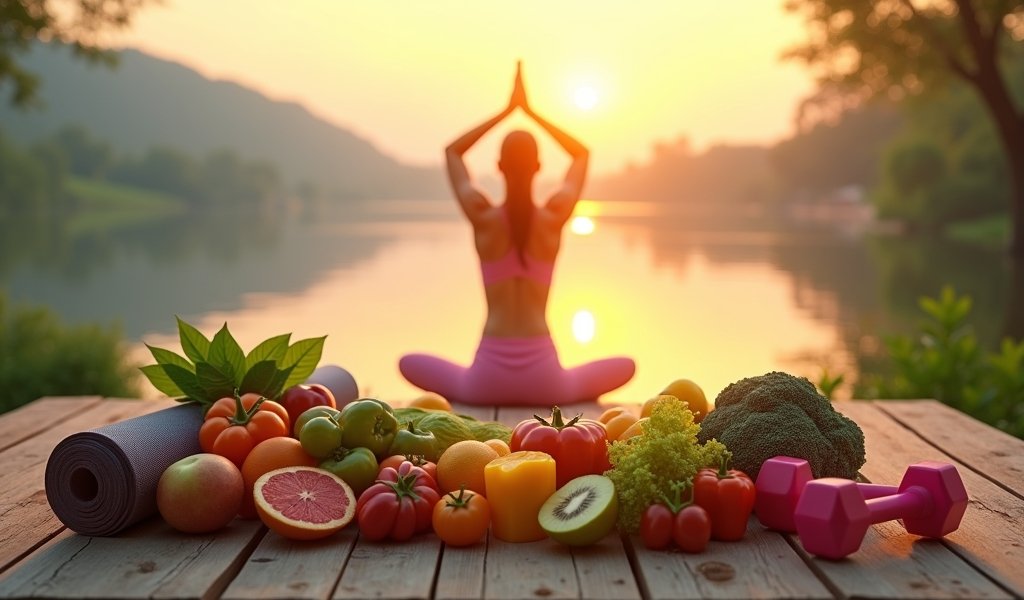
The visual composition of a healthy meal teaches proper nutrition more effectively than any calorie-counting lecture. Quality food imagery shows proportional macronutrients: typically half the plate covered with colorful vegetables, a quarter with lean protein, and a quarter with whole grains or complex carbohydrates.
Look for images that showcase real, minimally processed foods with vibrant natural colors. The most motivating meal photos aren’t overly styled or unattainable—they represent meals you could reasonably prepare at home without specialized equipment or obscure ingredients.
Keep a digital collection of inspiring meal compositions that align with your dietary preferences. Whether you follow Mediterranean, plant-based, or low-carb approaches, having visual templates removes the decision fatigue that often leads to unhealthy choices during busy weekdays.
Authentic Transformation Images
Transformation images can provide powerful proof that change is possible, but authenticity is crucial. Effective before-and-after visuals document gradual changes over realistic timeframes (months, not days) and highlight improvements beyond just weight loss—such as posture, energy levels, and confidence.
To identify authentic transformations, look for consistent lighting, similar poses, natural skin texture, and detailed captions that acknowledge the time and effort invested. Be wary of dramatic changes claimed in unrealistically short periods, unusually perfect skin in “after” photos, or suspiciously warped backgrounds.
Research from The European Health Psychologist suggests that viewing moderate, achievable transformations increases motivation significantly more than extreme examples. Save transformations that represent your realistic goals rather than idealized outcomes that may not align with your body type or lifestyle.
Proper Exercise Form Visuals
Correct exercise form is the difference between results and injury. Form demonstration images should highlight key alignment points from multiple angles and identify common mistakes to avoid. The best technical exercise visuals include both the starting and ending positions, with clear indicators of proper joint alignment.
Create a dedicated album of form guides for your regular exercises, particularly for complex movements like squats, deadlifts, or yoga poses. Reference these before each session until proper form becomes muscle memory—a practice shown to reduce exercise-related injuries by up to 60% according to sports medicine research.
For maximum benefit, supplement static images with video demonstrations from certified fitness professionals. Organizations like ACE Fitness provide anatomically correct visuals that prioritize both effectiveness and safety in their extensive exercise library.
Inspiring Outdoor Settings

Environmental psychology research confirms that simply viewing images of natural exercise settings increases anticipated workout enjoyment by 35%. From forest trails to beach yoga sessions, nature-based fitness imagery taps into our innate biophilia—our genetically programmed affinity for natural environments.
These visuals expand our concept of what “counts” as exercise. That hike through autumn foliage isn’t just a walk; it’s cardiovascular training with mental health benefits. The paddleboarding session isn’t just recreation; it’s core stability training with vitamin D production.
Create a seasonal outdoor activity vision board featuring locations within your reach. Participants in my wellness retreats who implement this strategy increase their outdoor activity frequency by an average of 2.4 days per week—a significant boost to both physical and mental wellbeing.
Mindfulness & Meditation Visuals
The mind-body connection requires visual reinforcement just as much as physical fitness does. Effective mindfulness imagery is characterized by simplicity, space, and natural elements that instinctively trigger parasympathetic nervous system activation—our body’s relaxation response.
Studies from the Journal of Environmental Psychology demonstrate that even 40-second views of peaceful nature scenes improve concentration and reduce stress markers in blood tests. These physiological responses explain why meditation apps heavily feature calming visual backdrops.
Create a dedicated “mental reset” album on your phone containing images that immediately center you when viewed. Whether it’s a perfect meditation space with morning light, stone stacks by still water, or empty beaches at dawn, these visuals become anchors that remind you to breathe deeply throughout your day.
Hydration Imagery
Despite universal advice to drink more water, chronic dehydration remains common among my clients until we implement visual hydration triggers. Effective hydration imagery includes aesthetically pleasing water vessels, infusion combinations, and visual tracking systems that transform this basic necessity into an appealing self-care ritual.
Research shows people consuming from attractive water vessels drink 27% more water daily—evidence that presentation significantly impacts this fundamental health behavior. The rise of visually appealing marked water bottles with time indicators has turned hydration into a trackable daily achievement.
For maximum impact, place hydration imagery where beverages decisions happen: as your phone background, near your desk, and on your refrigerator. Many clients find success with hydration-tracking apps that use visual rewards to reinforce consistent water consumption throughout the day.
Sleep Environment Inspiration
The bedroom—where we spend approximately one-third of our lives—deserves more wellness attention than it typically receives. Quality sleep environment imagery showcases the elements of truly restorative spaces: clutter-free surfaces, nature-inspired color palettes, appropriate darkness, and a notable absence of electronic devices.
These peaceful bedroom scenes serve as templates for creating your own sleep sanctuary. They remind us that sleep isn’t just what happens when we’re done with everything else—it’s a crucial wellness activity deserving of intentional design and preparation.
Consider simple implementations inspired by sleep environment visuals: removing electronic devices after seeing the tranquility of tech-free bedrooms, investing in blackout curtains after noticing their presence in ideal sleep spaces, or adopting the Scandinavian approach of separate duvets after learning how this simple change has revolutionized couples’ sleep quality.
Active Lifestyle Moments
Some of the most powerful fitness imagery doesn’t feature traditional workouts at all, but rather captures movement integrated into everyday life: family bike rides, gardening with vigor, taking stairs instead of elevators, or dancing while cooking dinner. These snapshots reframe fitness as something we live rather than something we do.
These visuals are particularly motivating because they feel accessible—you don’t need special equipment, matching activewear, or even dedicated time slots to incorporate movement this way. The World Health Organization now emphasizes these accumulated movement minutes as crucial to meeting weekly activity recommendations.
Start your own active lifestyle photo journal documenting one moment of natural movement each day for a month. The resulting collection will likely reveal how much activity you’re already incorporating—and inspire you to find even more opportunities for movement within your existing routines.
Recovery and Self-Care Visuals
In our “no pain, no gain” fitness culture, recovery imagery serves as the essential counterbalance. These visuals—featuring foam rolling sessions, contrast therapy, gentle stretching, and massage—remind us that growth happens during recovery, not during exertion.
Quality recovery visuals highlight the intentionality behind rest. They show that recovery isn’t passive collapse but rather active restoration—a crucial distinction for those programmed to equate stillness with laziness. The science is clear: without appropriate recovery, physical progress stalls and injury risk increases dramatically.
Build a recovery reminder system by saving post-workout stretching sequences as your phone wallpaper or creating a Sunday evening self-care checklist with accompanying images. My clients who implement structured recovery visualization increase their compliance with rest protocols by over 40%—translating to better results and fewer setbacks.
Creating Your Wellness Vision Board
Combining these ten categories of wellness images creates a powerful visual motivation system tailored to your specific health goals. This approach leverages what neuroscientists call the “reticular activating system”—the brain mechanism that filters information based on what we’ve programmed it to notice.
Digital vision boards offer flexibility and privacy—apps like Pinterest, Canva, or dedicated vision board applications make compiling and categorizing inspirational images simple. The advantage here is portability; your motivation travels with you throughout the day.
Physical vision boards, while more traditional, offer distinct neurological benefits. The tactile process of selecting, arranging, and displaying images activates different brain regions than digital curation. Many participants in our wellness wheel workshops report stronger emotional connections to physical boards they’ve created by hand.
For maximum effectiveness, consider strategic placement of your wellness images. The most impactful visuals live where decisions happen: hydration reminders as phone backgrounds, meal inspiration inside pantry doors, exercise form guides in workout spaces, and comprehensive vision boards visible during morning and evening routines.
Conclusion
The 10 essential wellness images we’ve explored aren’t just pretty pictures—they’re strategic tools for rewiring how your brain perceives health behaviors. From balanced meal compositions to recovery visuals, each category serves a specific purpose in your wellness journey.
The beauty of visual motivation lies in its accessibility. You don’t need expensive equipment or special training to benefit—just intentional curation of the images that surround you daily. Begin by selecting the category that resonates most strongly with your current wellness goals and start building your collection today.
Remember that what we consistently see shapes what we believe is possible—and what we believe is possible ultimately determines what we achieve. By surrounding yourself with attainable, specific wellness imagery, you’re programming your brain to recognize and create these healthy patterns in your own life.
Which of these wellness image categories will you incorporate first? Your visual journey to better health begins with that single, powerful image that makes you think, “I could do that too.”
Frequently Asked Questions
How often should I update my wellness vision board?
Review and refresh your wellness vision board quarterly, or whenever your health goals significantly change. This keeps your visual motivation current and aligned with your evolving priorities.
Can wellness images really help me lose weight?
Yes, when used as part of a comprehensive approach. Research shows appropriate visual cues increase adherence to nutrition and exercise plans by providing constant reminders of your goals and desired outcomes.
Where’s the best place to find authentic wellness images?
Look for images from certified health professionals, reputable fitness organizations, and real people sharing genuine journeys. Avoid heavily filtered content from influencers promoting quick fixes or unrealistic standards.
Should I avoid “before and after” transformation photos?
Not necessarily, but choose transformations showing realistic changes over appropriate timeframes. Focus on progress photos that highlight improvements beyond just weight loss, such as posture, energy, and confidence.
How many wellness images should I surround myself with?
Quality matters more than quantity. Select 10-15 highly motivating images that genuinely inspire rather than overwhelm yourself with dozens of less impactful visuals.