
## Overview
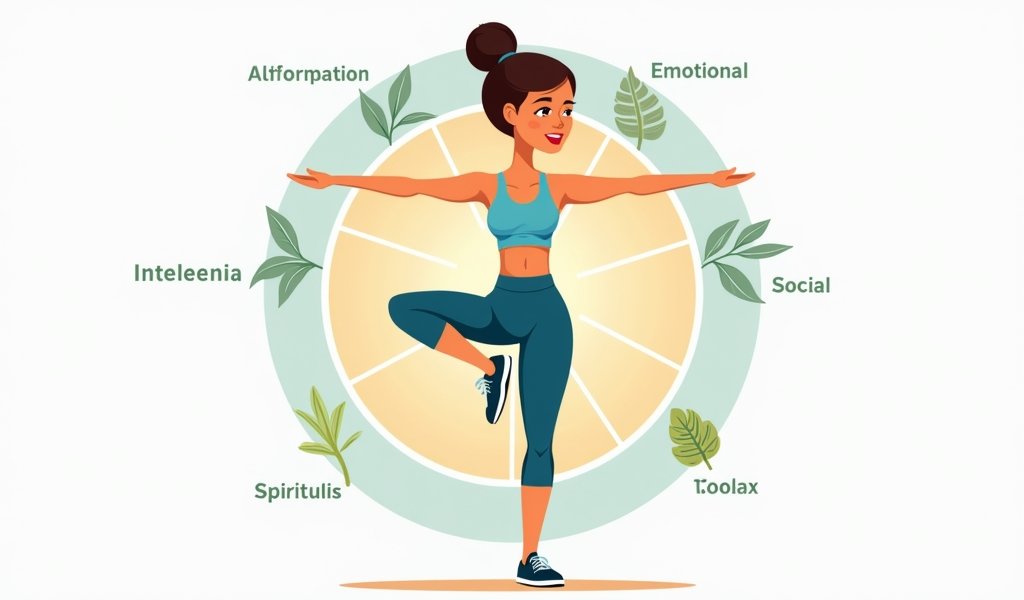
The wellness wheel is your life’s flat tire detector—showing which of seven dimensions need air: physical, emotional, social, intellectual, spiritual, occupational, and financial health. This article walks you through creating your personalized wellness wheel worksheet, setting SMART goals for imbalanced areas, developing actionable plans with daily practices, and regularly reassessing your progress—because true wellness isn’t just about crushing gym goals while your bank account cries for help!
Table of Contents
- What is a Wellness Wheel?
- The Importance of Balance in Your Wellness Journey
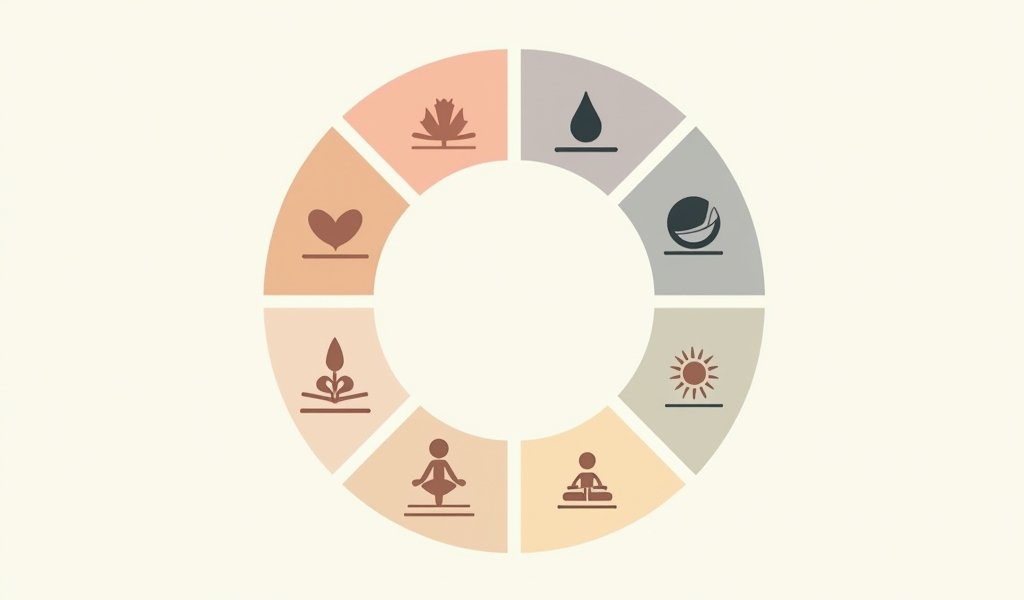
- The Seven Dimensions of the Wellness Wheel
- Step 1: Assess Your Current State with the Wellness Wheel Worksheet
- Step 2: Identify Areas Needing Improvement
- Step 3: Set SMART Goals for Each Dimension
- Step 4: Create an Action Plan
- Step 5: Implement Daily Wellness Practices
- Step 6: Track Your Progress
- Step 7: Reassess and Adjust Your Wellness Wheel Regularly
- Conclusion: Your Journey to Holistic Wellness
- Frequently Asked Questions
What is a Wellness Wheel?
The wellness wheel worksheet is a powerful visual tool that helps you evaluate and balance the various aspects of your life that contribute to your overall health and well-being. As a health professional, I’ve seen firsthand how this simple yet effective framework can transform lives by providing clarity and direction for personal growth.
At its core, the wellness wheel represents a holistic approach to health that extends far beyond just physical fitness or nutrition. It acknowledges that true wellness encompasses multiple dimensions of our lives, each interconnected and equally important for our overall sense of fulfillment and vitality.
The concept originated in the 1970s when Dr. Bill Hettler, co-founder of the National Wellness Institute, developed a six-dimensional model of wellness. Since then, various adaptations have emerged, typically featuring between six and eight dimensions. The version we’ll explore today includes seven key dimensions that comprehensively cover all aspects of human wellness.
Think of the wellness wheel as your personal compass for navigating the complex journey of health and well-being. Rather than focusing solely on one aspect of health—like many traditional approaches do—the wellness wheel encourages a balanced development across all life domains, recognizing that deficiencies in one area inevitably impact others.
The Importance of Balance in Your Wellness Journey
Balance is not just a buzzword in wellness circles—it’s the fundamental principle behind the wellness wheel framework. When your life dimensions are relatively balanced, you experience greater resilience, satisfaction, and overall well-being. Conversely, neglecting certain areas can create a domino effect that destabilizes your entire wellness ecosystem.
Consider Maria, a dedicated professional who prioritized her career dimension while neglecting physical and social wellness. Initially, her professional success brought satisfaction, but eventually, physical exhaustion and social isolation led to burnout and depression. This illustrates how imbalance, even when favoring “positive” pursuits, can undermine overall wellness.
Research from the Centers for Disease Control and Prevention supports this integrated approach, showing that individuals who maintain balance across various life domains report higher quality of life and fewer health issues than those who excel in just one or two areas.
The wellness wheel worksheet serves as both a diagnostic tool and a roadmap. It helps you visualize your current state of balance, identify areas needing attention, and create actionable plans for improvement. This balanced approach aligns perfectly with our mission at Achieve Health Goals: to empower individuals to take control of their health through holistic, evidence-based strategies that address the complete person, not just isolated symptoms or goals.
Now, let’s explore the seven dimensions that make up a comprehensive wellness wheel before diving into the practical steps for using this powerful tool to transform your health and well-being.
The Seven Dimensions of the Wellness Wheel
Understanding each dimension of the wellness wheel is crucial before you begin using the worksheet. Each component represents a vital aspect of your overall well-being, with its own unique characteristics and requirements for balance.
Physical Wellness
Physical wellness encompasses more than just the absence of illness. It includes maintaining a nutritious diet, engaging in regular physical activity, getting adequate sleep, and seeking appropriate medical care. This dimension forms the foundation of your wellness wheel because physical health impacts your ability to function in all other areas.
Research published in the Journal of Health Psychology demonstrates that regular physical activity not only improves physical health markers but also enhances cognitive function, emotional regulation, and stress resilience—highlighting the interconnected nature of wellness dimensions.
Emotional Wellness
Emotional wellness involves understanding, expressing, and managing your feelings in healthy ways. It includes developing emotional intelligence, building resilience against life’s challenges, and maintaining a positive outlook while acknowledging the full range of human emotions.
This dimension is particularly important in our high-stress world, where emotional regulation skills can make the difference between thriving and merely surviving. Practices like mindfulness meditation, journaling, and therapy can significantly enhance this dimension.
Social Wellness
Humans are inherently social creatures, and our relationships profoundly impact our health. Social wellness encompasses building and maintaining meaningful connections with others, developing communication skills, and creating a supportive community network.
A landmark study from Harvard University that spanned nearly 80 years found that close relationships were the strongest predictor of happiness and longevity—stronger even than genetics, socioeconomic status, or lifestyle factors. This makes social wellness an essential component of any comprehensive health and wellness plan.
Intellectual Wellness
Intellectual wellness involves keeping your mind active and continuously expanding your knowledge and skills. It includes curiosity, critical thinking, creativity, and a willingness to explore new ideas and perspectives. This dimension helps prevent cognitive decline as you age and contributes to a fulfilling, purpose-driven life.
Activities that enhance intellectual wellness include reading, learning new skills, engaging in stimulating conversations, solving puzzles, and pursuing educational opportunities throughout your lifetime.
Spiritual Wellness
Spiritual wellness doesn’t necessarily involve religious practice (though it can). Rather, it centers on finding meaning and purpose in life, developing a sense of connection to something larger than yourself, and living according to your deeply held values and beliefs.
This dimension provides a foundation of purpose that can guide decisions and help you navigate life’s inevitable challenges. Practices like meditation, time in nature, volunteer work, or religious observance can nurture spiritual wellness.
Occupational Wellness
Occupational wellness relates to finding satisfaction, enrichment, and alignment with your values in your work life. This dimension recognizes that how you spend a significant portion of your waking hours impacts your overall well-being.
Whether through paid employment, volunteer work, or other productive pursuits, occupational wellness involves using your skills in ways that contribute to society while providing personal fulfillment. It also encompasses work-life balance and creating healthy boundaries between professional and personal life.
Financial Wellness
Often overlooked in traditional wellness models, financial wellness is increasingly recognized as a crucial component of overall health. This dimension involves managing your resources effectively, understanding financial principles, planning for the future, and developing a healthy relationship with money.
Financial stress is consistently ranked among Americans’ top stressors, with research from the American Psychological Association showing that money worries can trigger numerous health problems, from insomnia to heart disease. Addressing this dimension through budgeting, saving, and financial education can significantly reduce stress and improve overall quality of life.
Step 1: Assess Your Current State with the Wellness Wheel Worksheet
Now that you understand the seven dimensions, it’s time to assess where you currently stand. The wellness wheel worksheet provides a structured way to evaluate your life holistically and visually represent your current state of balance.
To begin, download or create a wellness wheel worksheet. The worksheet typically features a circle divided into seven equal segments (like a pie chart), one for each dimension. Each segment contains a scale from 0 (center of the wheel) to 10 (outer edge), representing your level of satisfaction in that area.
For each dimension, honestly assess your current state of satisfaction on the 0-10 scale, where:
- 0-3: Significant dissatisfaction or neglect in this area
- 4-6: Moderate satisfaction with clear room for improvement
- 7-10: High satisfaction and well-developed practices in this area
As you complete this assessment, remember that this is not about judgment but awareness. There are no “right” scores—only honest reflections of your current state. To help you evaluate each dimension accurately, consider these prompting questions:
Physical Wellness Assessment Questions
- Do I engage in regular physical activity that I enjoy?
- Am I eating a balanced diet that provides adequate nutrition?
- Do I consistently get 7-9 hours of quality sleep?
- Do I attend regular preventive health check-ups?
- Do I limit harmful habits like excessive alcohol consumption or smoking?
Emotional Wellness Assessment Questions
- Can I recognize and appropriately express my emotions?
- Do I have effective strategies for managing stress?
- Am I generally able to maintain a positive outlook?
- Do I seek help when facing emotional challenges?
- Can I adapt to change and bounce back from setbacks?
Social Wellness Assessment Questions
- Do I have meaningful connections with family and friends?
- Am I able to communicate effectively with others?
- Do I have a support network I can rely on in difficult times?
- Am I comfortable in social situations?
- Do I contribute positively to my community?
Intellectual Wellness Assessment Questions
- Do I regularly engage in activities that stimulate my mind?
- Am I open to new ideas and perspectives?
- Do I seek opportunities to learn and grow intellectually?
- Can I think critically about information I encounter?
- Do I engage in creative activities that I enjoy?
Spiritual Wellness Assessment Questions
- Do I have a sense of purpose or meaning in my life?
- Do I live according to values that are important to me?
- Do I take time for reflection or spiritual practices?
- Do I feel connected to something larger than myself?
- Am I able to find peace and contentment in daily life?
Occupational Wellness Assessment Questions
- Does my work (paid or unpaid) give me satisfaction?
- Do I use my skills and abilities in fulfilling ways?
- Do I maintain a healthy work-life balance?
- Does my work environment support my overall well-being?
- Do I feel my work contributes meaningfully to society?
Financial Wellness Assessment Questions
- Am I able to live within my means?
- Do I have a plan for saving and future financial goals?
- Am I managing debt responsibly?
- Do I have adequate insurance and emergency funds?
- Do I feel in control of my financial situation?
After rating each dimension, connect your points to create a shape within the wheel. The more balanced your wellness, the more your shape will resemble a perfect circle. Areas that fall closer to the center represent dimensions needing more attention, while those extending toward the outer edge indicate strengths to maintain.
Step 2: Identify Areas Needing Improvement
With your completed wellness wheel worksheet in hand, it’s time to analyze the results and identify priority areas for improvement. The visual representation makes it immediately apparent which dimensions need the most attention—these are the segments that extend least toward the outer edge of the wheel.
While it might be tempting to tackle all lower-scoring areas at once, research on behavior change shows that focusing on too many goals simultaneously often leads to overwhelm and abandonment of all efforts. Instead, I recommend selecting 2-3 priority dimensions based on:
- Lowest scores: Dimensions scoring 3 or below typically need immediate attention as they can significantly impact overall well-being.
- Greatest impact: Consider which dimensions, if improved, would positively influence multiple other areas of your life.
- Personal readiness: Select areas where you feel motivated and prepared to make changes.
For example, if your physical wellness score is low (2/10) and you’re experiencing chronic fatigue that affects your work performance, relationships, and emotional state, improving this dimension could create positive ripple effects throughout your wellness wheel.
Once you’ve identified your priority dimensions, dig deeper to understand specific aspects needing attention. For instance, within physical wellness, is it nutrition, exercise, sleep, or preventive care that requires the most improvement?
This granular analysis helps you move from general awareness (“My physical wellness needs work”) to specific recognition (“I need to focus on establishing a consistent sleep schedule”) that can inform targeted goals and actions.
It’s also important to acknowledge and celebrate your strengths—the dimensions where you scored 7 or higher. These areas represent wellness practices you’ve successfully incorporated into your life and can serve as foundations for building other dimensions. Sometimes, leveraging a strength can help address a weakness, such as using strong social connections (high social wellness) to find an exercise buddy (to improve physical wellness).
Step 3: Set SMART Goals for Each Dimension

With your priority areas identified, it’s time to set effective goals for improvement. Research consistently shows that well-formulated goals significantly increase the likelihood of successful behavior change. The SMART framework—Specific, Measurable, Achievable, Relevant, and Time-bound—provides an excellent structure for creating goals that drive meaningful progress.
Let’s break down how to create SMART goals for each dimension of your wellness wheel worksheet:
Specific
Vague intentions like “improve my physical health” don’t provide clear direction. Instead, define exactly what you want to accomplish. For example: “Establish a regular strength training routine” or “Develop a consistent meditation practice to manage work stress.”
The more specific your goal, the easier it becomes to identify the necessary steps and recognize when you’ve achieved it. Ask yourself: What precisely do I want to accomplish in this dimension?
Measurable
To track progress and maintain motivation, your goals must be quantifiable. This means including metrics that allow you to objectively assess advancement. For instance:
- Physical wellness: “Walk 8,000 steps daily” rather than “walk more”
- Financial wellness: “Save $300 monthly toward emergency fund” rather than “improve savings”
- Intellectual wellness: “Read 20 pages daily” rather than “read more books”
Measurable goals provide clear milestones and evidence of progress, which helps sustain motivation through the change process.
Achievable
While ambition is admirable, setting unrealistic goals sets you up for frustration and failure. According to research published in the American Psychologist, goals should stretch your abilities but remain within the realm of possibility given your current circumstances.
Consider your starting point, available resources, and realistic capacity for change. If you currently don’t exercise at all, aiming for daily 60-minute workouts immediately may be unrealistic. Instead, start with three 20-minute sessions weekly and build from there.
Relevant
Ensure your goals align with your broader life values and priorities. Relevant goals feel personally meaningful rather than imposed by external expectations. Ask yourself:
- Why does this goal matter to me personally?
- How does it connect to my core values?
- Will achieving this goal contribute significantly to my overall wellness?
Goals that resonate with your intrinsic values generate stronger commitment than those pursued solely for external validation.
Time-bound
Open-ended goals often fall victim to procrastination. Setting specific timeframes creates urgency and helps you prioritize actions. Include both:
- Target dates: “Establish a consistent meditation practice of 10 minutes daily by December 1st”
- Frequency parameters: “Attend two social events monthly” or “Prepare home-cooked meals 5 nights weekly”
For each priority dimension, create 1-2 SMART goals that address your specific areas of need. Here are examples across different dimensions:
- Physical Wellness: “Complete 30 minutes of moderate exercise 4 days per week for the next 3 months, tracking in my fitness app.”
- Emotional Wellness: “Practice mindfulness meditation for 10 minutes daily for 30 consecutive days, using the Calm app for guidance.”
- Social Wellness: “Initiate one meaningful connection weekly for the next 2 months by calling a friend, scheduling a coffee date, or attending a community event.”
- Financial Wellness: “Create a detailed monthly budget by the 15th and track all expenses daily for 60 days using the YNAB app.”
Remember, goals should be challenging enough to inspire growth but realistic enough to be achievable with consistent effort. As you progress, you can gradually increase the difficulty of your goals to continue advancing your wellness journey.
Step 4: Create an Action Plan
Setting SMART goals is an essential first step, but without a concrete action plan, even the best goals can remain unfulfilled aspirations. Your action plan transforms intentions into a practical roadmap by breaking down each goal into manageable steps and anticipating potential obstacles.
For each wellness dimension goal, follow this structured approach to create an effective action plan:
Identify Necessary Resources
Before diving into action, take inventory of what you’ll need to succeed. Resources might include:
- Information/knowledge: Books, courses, consultations with experts
- Tools/equipment: Fitness gear, meditation apps, financial tracking software
- Support systems: Accountability partners, professional guidance, community groups
- Time: Realistic assessment of time requirements and schedule adjustments
For example, if your goal involves strength training, you might need to research proper technique, purchase basic equipment, consider a session with a personal trainer, and block off specific time slots in your schedule.
Break Down Into Micro-Steps
Research from behavior science shows that breaking goals into smaller steps significantly increases follow-through. Each step should be specific, actionable, and achievable within a short timeframe.
For example, if your goal is to “Establish a meditation practice of 10 minutes daily within 30 days,” your micro-steps might include:
- Research and download two meditation apps this weekend
- Try each app for 5 minutes on Monday and Tuesday
- Select preferred app and complete the beginner tutorial by Wednesday
- Identify ideal daily meditation time based on schedule
- Set daily reminder on phone
- Create comfortable meditation space in home
- Begin with 3-minute sessions for first week
- Increase to 5-minute sessions for second week
- Progress to 10-minute sessions by third week
This granular approach makes the process less overwhelming and provides clear next actions at each stage.
Create Implementation Intentions
Implementation intentions are specific “if-then” plans that link situational cues with desired actions. According to research by psychologist Peter Gollwitzer, this planning technique significantly improves follow-through by creating automatic behavioral responses to specific triggers.
For example:
- “If it’s 7 AM on Monday, Wednesday, and Friday, then I will do my 30-minute strength training routine.”
- “If I receive a paycheck, then I will immediately transfer 10% to my savings account.”
- “If I feel work stress mounting, then I will take a 5-minute mindfulness break.”
These specific action plans eliminate decision fatigue and reduce the gap between intention and behavior.
Anticipate and Plan for Obstacles
Proactively identifying potential challenges allows you to develop contingency plans before motivation wanes or difficulties arise. For each goal, ask:
- What internal or external obstacles might prevent success?
- What situations have derailed similar efforts in the past?
- How can I prepare for or work around these challenges?
For instance, if your physical wellness goal involves morning exercise but you anticipate occasional late nights, create a specific backup plan: “If I stay up past 11 PM, then I’ll do a shorter workout at lunch instead of skipping entirely.”
Establish Accountability Systems
Accountability significantly increases follow-through. Consider these accountability strategies:
- Tracking methods: Apps, journals, calendars with check-marks
- Progress reviews: Weekly self-assessments of action steps completed
- Accountability partners: Friends, family members, or professionals who check in regularly
- Public commitments: Sharing goals with others to increase social accountability
Research from the American Society of Training and Development found that committing to someone else increases the probability of achieving a goal by up to 65%, while having a specific accountability appointment with that person increases success rates to 95%.
Document your complete action plan for each wellness dimension goal, including resources, micro-steps, implementation intentions, obstacle plans, and accountability measures. This comprehensive approach transforms abstract wellness aspirations into concrete daily actions that systematically move you toward your desired state of balance.
Step 5: Implement Daily Wellness Practices
While your wellness wheel worksheet and action plan provide the strategic framework for improvement, lasting change happens through consistent daily practices. The secret to successful wellness transformation isn’t found in occasional grand gestures but in the small choices you make every day.
Let’s explore how to implement sustainable daily practices across each dimension of your wellness wheel:
Physical Wellness Daily Practices
- Morning movement ritual: Even 5-10 minutes of stretching, yoga, or bodyweight exercises can energize your body and establish a positive tone for the day.
- Hydration habits: Keep a water bottle visible and accessible, refilling at specific triggers (after bathroom breaks, between meetings, etc.).
- Nutritional anchors: Rather than overhauling your entire diet, establish 1-2 nutritional “non-negotiables” like eating protein at breakfast or including vegetables with every dinner.
- Movement breaks: Set a timer to stand and move for 3-5 minutes every hour during sedentary periods.
- Sleep preparation: Create a consistent 15-minute wind-down routine to signal your body it’s time for rest.
Emotional Wellness Daily Practices
- Emotional check-ins: Take 60 seconds several times daily to notice and name your emotional state without judgment.
- Gratitude practice: Identify three specific things you’re grateful for each morning or evening.
- Stress reduction moments: Incorporate brief breathing exercises (like box breathing) during transitions between activities.
- Joy scheduling: Intentionally include one small activity daily that reliably brings you pleasure or contentment.
- Boundaries practice: Exercise your “no muscle” by identifying one request or expectation daily that you can decline or delay.
Social Wellness Daily Practices
- Meaningful connection: Engage in one quality interaction daily, even if brief (a thoughtful text, a genuine conversation with a coworker).
- Active listening: Practice giving your full attention during conversations, without planning your response while the other person is speaking.
- Appreciation expression: Share specific, authentic appreciation with someone in your life each day.
- Digital relationship boundaries: Designate specific times for social media use rather than reflexive checking.
Intellectual Wellness Daily Practices
- Learning moments: Dedicate 15-20 minutes to learning something new through reading, podcasts, or online resources.
- Curiosity practice: Ask “I wonder…” about something you encounter each day and spend a few minutes exploring the question.
- Perspective expansion: Intentionally seek viewpoints different from your own through varied news sources or conversations with diverse individuals.
- Creative expression: Incorporate small creative acts into your routine, whether writing, drawing, problem-solving, or improvising.
Spiritual Wellness Daily Practices
- Mindful moments: Practice full presence and awareness during everyday activities like eating, walking, or listening to music.
- Values alignment check: Ask “How did my actions today reflect my core values?” each evening.
- Nature connection: Spend a few minutes outdoors with awareness of the natural world, even in urban environments.
- Purpose reflection: Begin the day by identifying one way your activities will contribute meaning or value.
Occupational Wellness Daily Practices
- Intention setting: Begin workdays by identifying your most important contributions rather than reacting to demands.
- Skill development: Dedicate 10-15 minutes to improving a work-related skill or knowledge area.
- Work boundary ritual: Create a consistent end-of-work routine that signals the transition to personal time.
- Accomplishment recognition: Acknowledge three specific achievements, however small, at day’s end.
Financial Wellness Daily Practices
- Spending awareness: Track every expenditure, either manually or through an app.
- Financial learning: Read or listen to financial education content for 5-10 minutes daily.
- Conscious consumption: Before non-essential purchases, apply a 24-hour rule and ask “Does this align with my financial goals?”
- Gratitude for resources: Acknowledge the resources you already have rather than focusing on what’s lacking.
The key to implementing these daily practices successfully lies in three principles:
1. Start small: Begin with just 1-2 practices per priority dimension, adding more only after the initial habits are firmly established. Research from the European Journal of Social Psychology suggests that habit formation typically takes 18-254 days, with an average of 66 days for a behavior to become automatic.
2. Stack habits: Attach new wellness practices to existing habits to leverage established neural pathways. For example, do your gratitude practice while brewing morning coffee or perform breathing exercises immediately after brushing your teeth.
3. Create environmental triggers: Modify your environment to prompt desired behaviors. Place your journal by your bed, set calendar reminders for movement breaks, or position a water bottle prominently on your desk.
Remember that consistency matters more than intensity. A five-minute daily meditation practiced consistently will yield greater benefits than occasional hour-long sessions. Your wellness wheel transformation happens through the accumulation of these small, daily choices aligned with your larger goals.
Step 6: Track Your Progress
Systematic tracking is the bridge between intention and lasting change. Without monitoring your progress, it’s easy to lose motivation or fail to recognize meaningful improvements in your wellness journey. Effective tracking serves multiple purposes: it provides accountability, generates motivation through visible progress, and offers data for informed adjustments to your approach.
Here’s how to implement a comprehensive tracking system for your wellness wheel goals:
Choose Appropriate Tracking Methods
Different wellness dimensions and goals require different tracking approaches. Select methods that provide meaningful data without becoming burdensome:
- Digital apps and tools: