

Overview
Who knew that counting to 1700 could be the magic number for your waistline? This article explains how a 1700-calorie diet provides a sustainable approach to weight loss by creating a moderate caloric deficit without extreme restriction, allowing for balanced nutrition with proper protein, carbohydrate, and fat intake while still promoting a healthy weight loss of 1-2 pounds weekly.
Table of Contents
- Understanding the 1700 Calorie Diet Plan
- The Science Behind Caloric Intake and Weight Loss
- Benefits of a 1700 Calorie Diet Plan
- Who Should Try a 1700 Calorie Diet?
- Creating a Balanced 1700 Calorie Meal Plan
- 7-Day Sample 1700 Calorie Meal Plan
- Tips for Successfully Following a 1700 Calorie Diet
- Common Mistakes to Avoid
- Tracking Your Progress
- Conclusion
- Frequently Asked Questions
Understanding the 1700 Calorie Diet Plan
The 1700 calorie diet plan represents a balanced approach to weight management that doesn’t require extreme restriction. As a clinical nutritionist, I’ve found this calorie level particularly effective for sustainable fat loss while maintaining energy and nutritional adequacy. Unlike more restrictive plans, a 1700 calorie diet provides enough energy for most moderately active adults while creating the modest caloric deficit needed for steady weight loss.
Think of this approach as the “Goldilocks” of diet plans—not too restrictive, not too generous, but just right for many people seeking gradual, sustainable results. This moderate calorie level allows for nutritional variety and flexibility, making it easier to adhere to in the long term compared to severely restrictive diets that often lead to rebound weight gain.
A properly structured 1700 calorie diet plan incorporates a balance of macronutrients—proteins, carbohydrates, and healthy fats—while ensuring adequate micronutrient intake through diverse food choices. This isn’t about deprivation; it’s about making thoughtful choices that nourish your body while gently encouraging fat loss.
The Science Behind Caloric Intake and Weight Loss
Weight management fundamentally comes down to energy balance. When you consume fewer calories than your body expends, you create a caloric deficit that leads to weight loss. According to research published in the New England Journal of Medicine, a deficit of approximately 500-750 calories daily typically results in a sustainable weight loss of 1-1.5 pounds per week—precisely what a 1700 calorie diet achieves for many individuals.
Your Total Daily Energy Expenditure (TDEE) consists of your Basal Metabolic Rate (BMR)—the energy needed for basic bodily functions—plus additional energy expended through physical activity and digestion. For many adults with sedentary to moderately active lifestyles, daily energy needs range between 1900-2500 calories, making a 1700 calorie diet effective for creating that gentle deficit.
However, weight loss isn’t simply about calories. The hormonal effects of different foods matter too. A 1700 calorie diet rich in protein and fiber helps regulate hunger hormones like ghrelin and leptin, making it easier to maintain the plan without constant hunger. Additionally, recent research indicates that meal timing and macronutrient distribution can influence metabolic rate and fat oxidation, highlighting why a thoughtfully structured 1700 calorie plan works better than simply reducing portion sizes.

Benefits of a 1700 Calorie Diet Plan
The 1700 calorie diet plan offers numerous advantages over more restrictive approaches. First and foremost, it promotes sustainable weight loss at a healthy rate of 1-2 pounds weekly for most individuals. This gradual approach preserves lean muscle mass while primarily targeting fat loss, unlike crash diets that often result in muscle breakdown alongside fat.
From a psychological standpoint, this moderate plan reduces the feelings of deprivation that sabotage more restrictive diets. The 1700 calorie threshold allows for occasional treats and dining flexibility, making it compatible with social eating and special occasions—a crucial factor for long-term adherence.
Nutritionally, this calorie level enables a wider variety of foods compared to more restrictive plans like a 1200 calorie diet, allowing for better micronutrient coverage. Many patients report improved energy levels, better sleep quality, and enhanced mood stability on a 1700 calorie regimen compared to more severe restrictions.
Additionally, moderate calorie restriction has been linked to numerous metabolic benefits beyond weight loss. Research from the National Institute on Aging suggests that moderate calorie reduction may improve insulin sensitivity, reduce inflammation markers, and potentially extend lifespan—benefits that extreme diets often fail to deliver due to the stress they place on the body.
Who Should Try a 1700 Calorie Diet?
The 1700 calorie diet plan is particularly well-suited for moderately active adults looking for sustainable weight loss without extreme restriction. It’s especially appropriate for women with moderate activity levels and men with lower activity levels or smaller frames. For those transitioning from higher-calorie eating patterns, this represents a meaningful reduction without triggering the metabolic adaptations that extremely low-calorie diets can cause.
Individuals with a sedentary lifestyle who still want modest weight loss without increasing physical activity may find this calorie level particularly effective. It’s also suitable for those who have plateaued on a 7-day diet plan for weight loss and need a more sustainable approach for continued progress.
However, this plan isn’t appropriate for everyone. Very active individuals, especially those engaging in intense exercise regularly, may require more calories to support their activity levels. Pregnant or breastfeeding women, teenagers, and those with certain medical conditions should consult healthcare providers before adopting any calorie-restricted plan. Additionally, those with a history of eating disorders should approach calorie counting with caution and professional guidance.
It’s worth noting that your caloric needs may change over time. As you lose weight, your metabolic rate naturally decreases somewhat, and you might need to adjust your intake or increase activity levels to maintain progress. This adaptability is a natural part of any successful weight management journey.
Creating a Balanced 1700 Calorie Meal Plan
Constructing a balanced 1700 calorie diet plan requires thoughtful macronutrient distribution. For optimal results, I typically recommend allocating approximately 25-30% of calories to protein (about 105-130g), 40-45% to complex carbohydrates (170-190g), and 25-30% to healthy fats (47-57g). This balance supports muscle preservation, provides sustained energy, and ensures hormonal function while creating a caloric deficit.
Protein should form the foundation of each meal, as it promotes satiety and helps preserve lean muscle during weight loss. Excellent sources include lean poultry, fish, eggs, tofu, legumes, and Greek yogurt. I often recommend my clients invest in a quality protein powder for convenient supplementation when whole food options aren’t readily available.
Carbohydrates should primarily come from fiber-rich sources like vegetables, fruits, and whole grains. These provide essential micronutrients and help maintain digestive health during calorie restriction. The fiber content also slows digestion, preventing blood sugar spikes and promoting longer-lasting fullness.
Healthy fats from sources like avocados, nuts, olive oil, and fatty fish are crucial even during weight loss, as they support cell function, hormone production, and nutrient absorption. Don’t eliminate them in pursuit of calorie reduction—they’re essential for sustainable results and overall well-being.
For practicality, I suggest dividing the 1700 calories across 3 main meals (400-450 calories each) and 2 snacks (150-200 calories each). This distribution helps maintain stable blood sugar and energy levels throughout the day, preventing the extreme hunger that often leads to overeating.
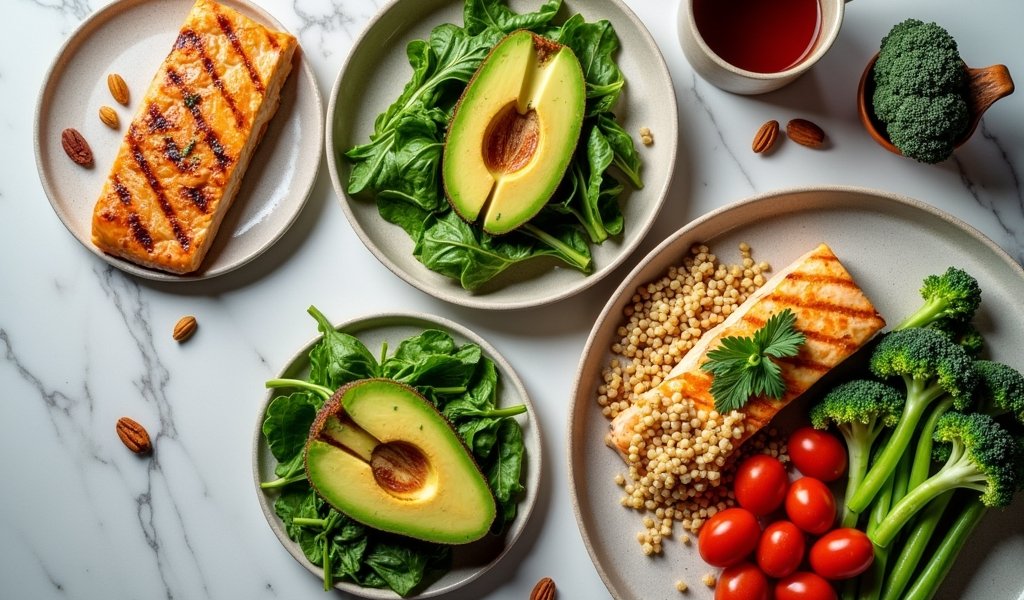
7-Day Sample 1700 Calorie Meal Plan
Here’s a practical 7-day meal plan that delivers balanced nutrition within a 1700 calorie framework. Each day includes three main meals and two snacks to keep hunger at bay while supporting steady energy levels.
Day 1
Breakfast (425 calories): Veggie omelet with 2 eggs, spinach, bell peppers, and 1/4 avocado; 1 slice whole-grain toast
Snack (175 calories): Apple with 1 tablespoon almond butter
Lunch (425 calories): Quinoa bowl with 4 oz grilled chicken, roasted vegetables, and 1 tablespoon olive oil dressing
Snack (175 calories): Greek yogurt with berries and 1 teaspoon honey
Dinner (500 calories): 4 oz baked salmon, 1/2 cup brown rice, steamed broccoli with lemon
Day 2
Breakfast (400 calories): Overnight oats made with 1/2 cup oats, 1 cup almond milk, 1 tablespoon chia seeds, and 1/2 cup berries
Snack (200 calories): 1/4 cup hummus with cucumber and carrot sticks
Lunch (450 calories): Turkey and avocado wrap with mixed greens in a whole-grain tortilla
Snack (150 calories): 1 small banana with 2 teaspoons natural peanut butter
Dinner (500 calories): Vegetarian chili with mixed beans, vegetables, and a small whole-grain roll
Day 3
Breakfast (450 calories): Smoothie with 1 cup unsweetened almond milk, 1 serving protein powder, 1 tablespoon almond butter, 1/2 banana, and spinach
Snack (175 calories): 1 hard-boiled egg and a small pear
Lunch (425 calories): Mediterranean salad with 3 oz grilled chicken, cherry tomatoes, cucumber, olives, feta, and 1 tablespoon olive oil dressing
Snack (150 calories): 1/4 cup cottage cheese with pineapple chunks
Dinner (500 calories): 4 oz lean beef stir-fry with mixed vegetables and 2/3 cup brown rice
This meal plan aligns perfectly with a 7-day protein diet plan for weight loss while maintaining the moderate calorie level that makes the 1700 calorie approach sustainable. I recommend using a digital food scale and quality measuring cups to ensure accuracy, especially when starting this eating plan.
For the remaining four days, follow similar patterns while introducing variety through different protein sources, vegetables, and whole grains. The key is maintaining consistent portion sizes while rotating foods to ensure micronutrient diversity.
Tips for Successfully Following a 1700 Calorie Diet
Success on a 1700 calorie diet plan hinges on preparation and mindful eating practices. First, consider meal prepping twice weekly—perhaps Sunday and Wednesday—to ensure you always have measured, calorie-appropriate options available. This single habit dramatically increases adherence rates among my clients.
Hydration plays a crucial role in both appetite regulation and metabolism. Aim for at least 2-3 liters of water daily, and consider starting each meal with a full glass of water to promote satiety. Often, what we perceive as hunger is actually mild dehydration.
Invest in quality kitchen tools to make meal preparation easier and more enjoyable. A good digital kitchen scale is essential for accurate portion control, and high-quality storage containers make meal prepping more practical. These small investments pay dividends in both convenience and dietary adherence.
When dining out, which is inevitable in social settings, use strategies like reviewing menus in advance, requesting dressings and sauces on the side, and prioritizing lean proteins and vegetables. Most restaurants can accommodate simple modifications that significantly reduce caloric impact without sacrificing the dining experience.
Finally, practice mindful eating by eliminating distractions during meals, chewing thoroughly, and pausing between bites. Research from Harvard Medical School suggests that mindful eating practices can reduce overall consumption while increasing meal satisfaction—a powerful combination for long-term success.
Common Mistakes to Avoid
Even with the best intentions, several common pitfalls can derail progress on a 1700 calorie diet plan. One of the most frequent mistakes is underestimating portion sizes, particularly with calorie-dense foods like oils, nuts, and nut butters. A tablespoon of olive oil contains approximately 120 calories—eyeballing this amount often leads to significant undercounting.
Another common error is neglecting hidden calories from beverages. Many people meticulously track food intake while overlooking the impact of sweetened coffee drinks, alcoholic beverages, or even multiple glasses of juice. These liquid calories can easily push you beyond your 1700 calorie target without providing the satiety of solid foods.
Inadequate protein intake remains a persistent issue for many dieters. At 1700 calories, aim for at least 100-130g of protein daily to preserve lean muscle mass and optimize satiety. Without sufficient protein, the body may preferentially lose muscle tissue rather than fat, compromising both metabolic rate and physical appearance.
Weekend abandonment represents another significant obstacle. Many people adhere perfectly to their calorie targets Monday through Friday, then abandon all structure on weekends, potentially undoing an entire week’s progress in just two days. Instead, consider allowing for slightly higher calories (perhaps 1900-2000) on weekends while maintaining the fundamental nutrition principles.
Finally, don’t fall into the trap of extreme restriction followed by compensatory overeating. If you exceed your calorie target one day, simply return to your plan the next day rather than drastically cutting calories to “make up” for it. This balanced approach prevents the restrictive-reactive cycle that often leads to diet abandonment.
Tracking Your Progress
Effective progress monitoring extends far beyond the bathroom scale. While weekly weigh-ins provide valuable data, they tell only part of the story. Body composition changes—particularly the ratio of fat to lean mass—matter more than absolute weight. Consider monthly measurements of waist, hips, chest, and other relevant areas to track dimensional changes.
For those with access, periodic body composition assessments via bioelectrical impedance scales, DEXA scans, or professional skinfold measurements provide more detailed insights than weight alone. These methods can confirm you’re losing fat rather than muscle—a critical distinction for both health and aesthetics.
Non-scale victories often prove more motivating than weight changes. Track energy levels, sleep quality, mood stability, and exercise performance—all of which typically improve with proper nutrition even before significant weight loss occurs. Many clients report clothing fitting differently and receiving compliments from others before seeing dramatic scale changes.
Tracking food intake, especially initially, significantly increases success rates. Whether using a dedicated app, a simple notebook, or taking photos of meals, this accountability measure helps identify patterns and potential calorie creep. According to research from the National Weight Control Registry, consistent self-monitoring represents one of the strongest predictors of long-term weight management success.
Remember that progress rarely follows a linear trajectory. Weight fluctuations of 1-3 pounds due to water retention, hormonal changes, and digestive contents are entirely normal. Focus on the overall trend rather than daily or even weekly variations.
Conclusion
The 1700 calorie diet plan stands as a balanced, sustainable approach to weight management that bridges the gap between effectiveness and livability. By creating a modest caloric deficit while providing adequate nutrition, this approach supports gradual, healthy fat loss without triggering the metabolic adaptations and psychological challenges that more restrictive diets often create.
Success with this plan hinges on thoughtful implementation—focusing on nutrient-dense whole foods, balancing macronutrients appropriately, and maintaining consistent eating patterns. The sample meal plans and practical strategies outlined here provide a framework that can be personalized to individual preferences and lifestyle needs.
Remember that sustainable weight management is a marathon, not a sprint. The 1700 calorie approach acknowledges this reality by providing sufficient energy for life’s demands while gently encouraging your body to utilize stored fat. This balance makes it suitable for longer-term adherence—the true key to lasting results.
If you’re ready to transform your relationship with food while achieving meaningful fat loss, I encourage you to explore our comprehensive weight management programs. Visit our Healthy Weight Loss Programs page to discover personalized approaches that incorporate the principles discussed here, with professional guidance and support to ensure your success. Your journey to sustainable, healthy weight management begins with that first intentional step—why not take it today?
Frequently Asked Questions
How much weight can I lose on a 1700 calorie diet?
Most people can expect to lose 1-2 pounds per week on a 1700 calorie diet, depending on their starting weight and activity level. This rate represents healthy, sustainable fat loss that’s more likely to be maintained long-term.
Is a 1700 calorie diet suitable for men?
A 1700 calorie diet can work well for men with lower activity levels, smaller frames, or those in later stages of weight loss. More active or larger-framed men may need additional calories to avoid excessive hunger or muscle loss.
Can I exercise while following a 1700 calorie diet?
Yes, moderate exercise complements a 1700 calorie diet perfectly. Focus on strength training to preserve muscle mass and moderate cardio for heart health and additional calorie burning.
How long can I safely follow a 1700 calorie diet?
Most healthy adults can follow a properly balanced 1700 calorie diet for several months safely. After reaching your goal weight, gradually increase calories to a maintenance level appropriate for your activity level.
Do I need to count calories exactly on this plan?
While exact counting isn’t mandatory, tracking closely for the first few weeks helps develop awareness of portion sizes and calorie content. Once familiar with appropriate portions, many people can maintain the plan with less rigorous tracking.
Pingback: Ultimate Guide: How Much Weight Can I Lose in 2 Months? - achievehealthgoals.com