
Overview
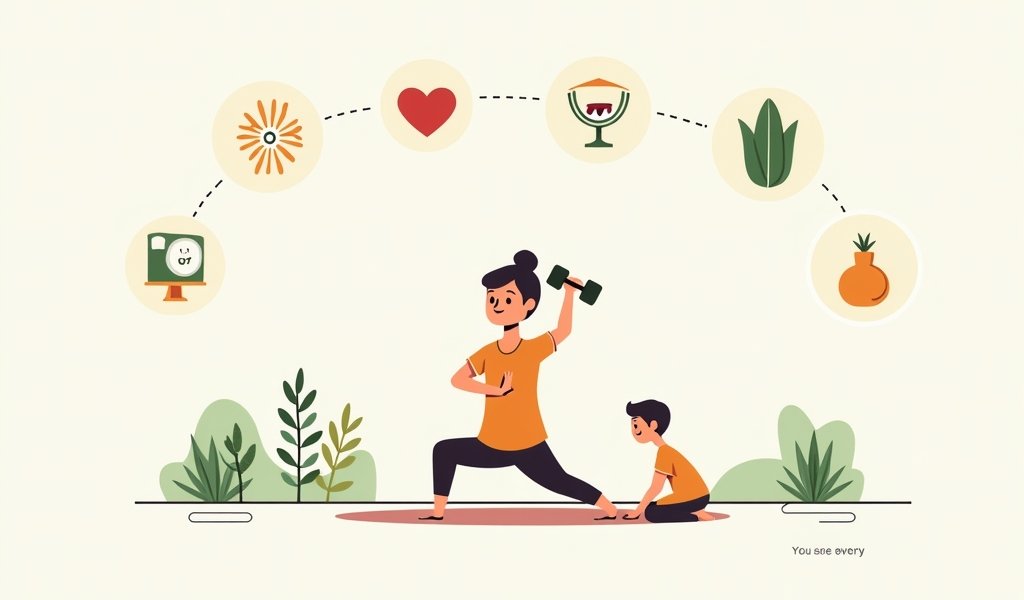
Who knew that being a well-rounded human requires juggling six different health dimensions like some sort of cosmic wellness circus act? This article outlines a seven-step approach to achieving complete wellness by nurturing the physical, emotional, intellectual, social, spiritual, and environmental dimensions of health, emphasizing that true wellness emerges from the interconnection of all six areas rather than simply the absence of disease.
Table of Contents
- Understanding Complete Wellness: The 6 Dimensions of Health
- Step 1: Nurturing Your Physical Dimension
- Step 2: Embracing Your Emotional Dimension
- Step 3: Stimulating Your Intellectual Dimension
- Step 4: Cultivating Your Social Dimension
- Step 5: Developing Your Spiritual Dimension
- Step 6: Harmonizing With Your Environmental Dimension
- Step 7: Taking an Integrated Approach to Wellness
- Conclusion: Your Journey to Complete Wellness
- Frequently Asked Questions
Understanding Complete Wellness: The 6 Dimensions of Health
True wellness is achieved when someone is at their best in all 6 dimensions of health. While many people equate health solely with physical fitness or the absence of illness, comprehensive wellness encompasses a much broader spectrum. As a health professional, I’ve witnessed countless individuals transform their lives once they begin nurturing all six dimensions of wellness simultaneously.
These six dimensions—physical, emotional, intellectual, social, spiritual, and environmental—form the foundation of holistic health. When balanced and thriving, they create a synergy that elevates your overall quality of life. Think of these dimensions as interconnected pillars supporting your wellbeing; when one weakens, the entire structure becomes unstable.
According to the World Health Organization, health is “a state of complete physical, mental and social well-being and not merely the absence of disease or infirmity.” This definition aligns perfectly with the multidimensional approach to wellness we’ll explore together.
Throughout this article, I’ll guide you through seven proven steps to achieve optimal wellness across all dimensions. You’ll discover practical strategies to assess your current state in each area and specific actions to strengthen any dimensions that may need attention. Let’s begin this journey toward complete wellness together.
Step 1: Nurturing Your Physical Dimension
The physical dimension forms the foundation of wellness and involves caring for your body through proper nutrition, regular exercise, adequate sleep, and preventive healthcare. When your physical health thrives, you have more energy to nurture the other dimensions of wellness.
Start by evaluating your current nutritional habits. Are you consuming a balanced diet rich in essential nutrients like proteins, healthy fats, complex carbohydrates, vitamins, and minerals? A rainbow of fruits and vegetables on your plate indicates a diverse nutrient intake. Try incorporating one new vegetable or fruit each week to expand your nutritional profile.
Next, assess your physical activity levels. The American Heart Association recommends at least 150 minutes of moderate-intensity aerobic activity per week. Find activities you genuinely enjoy, whether it’s dancing, hiking, swimming, or cycling. Consistency matters more than intensity, especially when building new habits.
Sleep quality deserves equal attention. Most adults require 7-9 hours of quality sleep nightly. Create a relaxing bedtime routine by dimming lights, avoiding screens, and maintaining a cool bedroom temperature. Research from the Sleep Foundation shows that consistent sleep schedules significantly improve overall health.
Preventive healthcare completes the physical dimension. Schedule regular check-ups, screenings, and dental visits. Take time to understand your family’s health history and discuss potential risk factors with your healthcare provider. Prevention truly is better—and less costly—than treatment.

Step 2: Embracing Your Emotional Dimension
Emotional wellness involves understanding, expressing, and managing your feelings in healthy ways. This dimension reflects your ability to cope with life’s challenges, maintain optimism, and build resilience. When emotionally balanced, you can face setbacks with greater equanimity and appreciate life’s joys more fully.
Begin by practicing emotional awareness. Take a few minutes each day to check in with yourself. What emotions are you experiencing? Where do you feel them in your body? Simply acknowledging your feelings without judgment can reduce their intensity and help you respond rather than react.
Stress management techniques form another crucial aspect of emotional wellness. Consider these evidence-based practices:
- Deep breathing exercises (try the 4-7-8 technique: inhale for 4 counts, hold for 7, exhale for 8)
- Progressive muscle relaxation
- Mindfulness meditation
- Journaling about difficult emotions
- Time in nature
Even five minutes of these practices can activate your parasympathetic nervous system, reducing stress hormones and promoting calm. Studies from the American Psychological Association consistently show that regular stress management improves both mental and physical health.
Building emotional resilience also means cultivating self-compassion. Speak to yourself as you would to a dear friend facing difficulties. Replace harsh self-criticism with gentle understanding. Remember, emotional wellness isn’t about feeling positive all the time but developing the capacity to work through all emotions constructively.
If you’re struggling with persistent negative emotions, consider seeking professional support. Working with a therapist can provide valuable tools for emotional regulation and healing. There’s tremendous strength in reaching out when needed.
Step 3: Stimulating Your Intellectual Dimension
Intellectual wellness involves keeping your mind active, curious, and engaged throughout life. This dimension encompasses critical thinking, creativity, lifelong learning, and cognitive flexibility. A stimulated intellect contributes significantly to your sense of purpose and satisfaction.
Challenge your brain regularly through learning new skills. Whether it’s picking up a musical instrument, studying a foreign language, or mastering a craft, novel activities create new neural pathways. Research from neuroscience journals suggests that continuous learning may help protect against cognitive decline as we age.
Make reading a daily habit. Books, articles, and thoughtful essays expand your perspectives and vocabulary while improving concentration. Try alternating between fiction and non-fiction to exercise different cognitive muscles. Even 15-20 minutes of focused reading daily yields significant benefits over time.
Engage in stimulating conversations that challenge your viewpoints. Seeking diverse perspectives enriches your understanding of complex issues and develops intellectual humility. Ask thoughtful questions and practice active listening rather than simply waiting for your turn to speak.
Creative expression offers another avenue for intellectual growth. Whether through writing, painting, cooking, gardening, or problem-solving at work, creativity engages multiple brain regions simultaneously. Don’t worry about producing masterpieces—focus on the joy of the creative process itself.
Finally, practice digital discipline. While technology offers unprecedented access to information, constant connectivity can fragment attention and reduce deep thinking. Designate periods for focused concentration without digital interruptions to strengthen your cognitive abilities.
Step 4: Cultivating Your Social Dimension
Social wellness involves building and maintaining meaningful relationships, contributing to your community, and communicating effectively with others. This dimension recognizes humans as inherently social creatures who thrive through connection and belonging.
Invest time in nurturing quality relationships. Research consistently shows that strong social bonds correlate with longer, healthier lives. In fact, studies from Harvard’s longitudinal research indicate that close relationships may be more important for longevity than genetics or lifestyle factors.
Develop your communication skills, particularly active listening. Practice being fully present when someone speaks to you—put away devices, maintain appropriate eye contact, and ask clarifying questions. Effective communication builds trust and deepens connections.
Seek diverse relationships that expose you to different perspectives, cultures, and life experiences. Broadening your social circle enriches your understanding of the human experience and cultivates empathy. Consider joining groups based on shared interests or volunteering for causes you value.
Set healthy boundaries within relationships. Clearly communicate your needs and limits while respecting those of others. Boundaries aren’t walls but flexible guidelines that protect your well-being while allowing for authentic connection.
Remember that social wellness looks different for everyone. Introverts may thrive with a small circle of deep connections, while extroverts might energize through broader social networks. Honor your natural tendencies while gradually expanding your comfort zone.

Step 5: Developing Your Spiritual Dimension
Spiritual wellness involves connecting with something larger than yourself and finding meaning in life’s experiences. This dimension encompasses your values, beliefs, purpose, and sense of interconnectedness. Contrary to common misconception, spiritual wellness doesn’t necessarily involve religious practice, though it certainly can for many people.
Begin exploring this dimension by clarifying your core values—the principles that guide your decisions and actions. When you live in alignment with these values, you experience greater coherence and fulfillment. Take time to identify 3-5 values that matter most to you, such as compassion, integrity, growth, or community.
Regular reflection practices nurture spiritual wellness. Consider these approaches:
- Meditation or contemplative prayer
- Spending time in natural settings
- Journaling about meaningful experiences
- Creating or appreciating art and music
- Contributing to causes aligned with your values
Purpose and meaning arise from different sources for different people. Some find it through professional contributions, others through parenting or creative expression, and still others through service to community or spiritual traditions. According to research from the Journal of Experimental Social Psychology, people with a strong sense of purpose tend to live longer and report higher life satisfaction.
Practicing gratitude strengthens spiritual wellness by shifting focus from what’s lacking to what’s present. Try noting three specific things you’re grateful for each day. This simple practice has been shown to increase happiness and reduce symptoms of depression.
Finally, cultivate forgiveness—of others and yourself. Holding onto resentments creates internal barriers to spiritual well-being. Forgiveness doesn’t mean condoning harmful actions but releasing their power over your peace of mind.
Step 6: Harmonizing With Your Environmental Dimension
Environmental wellness involves living in harmony with your surroundings, both immediate and global. This dimension recognizes that our health is inextricably linked to the health of our environments, from our homes and workspaces to our planet.
Start by creating nurturing personal environments. Your immediate surroundings significantly impact your mental and physical health. Declutter spaces to reduce visual noise and cognitive load. Introduce natural elements like plants, which research shows can improve air quality and reduce stress levels. Consider natural light sources and ergonomic furniture to support physical comfort.
Become more conscious of your environmental impact. Simple shifts like reducing single-use plastics, conserving water and energy, choosing nutritious locally-sourced foods when possible, and exploring plant-based meals several times weekly can significantly reduce your ecological footprint. These choices benefit not only planetary health but often personal health as well.
Connect regularly with nature, whether through hiking in wilderness areas, gardening, or simply sitting in a neighborhood park. Nature exposure has been linked to reduced stress hormones, improved mood, and enhanced cognitive function. According to studies from the University of Exeter, even 20 minutes of nature contact significantly lowers stress hormones.
Consider the toxins in your environment. Evaluate household cleaners, personal care products, and pest control methods for potentially harmful chemicals. The Environmental Working Group offers helpful guides for choosing safer alternatives that protect both personal and environmental health.
Environmental wellness also involves community engagement. Supporting local sustainability initiatives, participating in community clean-ups, or advocating for green spaces fosters a sense of agency and connection to place. These actions contribute to collective environmental health while strengthening social bonds.
Step 7: Taking an Integrated Approach to Wellness
True wellness emerges when all six dimensions receive attention and care. This final step involves recognizing the interconnectedness of each dimension and developing strategies to maintain balance among them. When you nurture all dimensions simultaneously, you create powerful synergies that elevate your overall wellbeing.
Start by assessing your current wellness across all dimensions. Where do you feel strongest? Which areas need more attention? Remember that perfect balance isn’t the goal—rather, aim for conscious awareness and ongoing adjustment as life circumstances change. Some dimensions may naturally receive more focus during particular life phases.
Create a holistic wellness plan that addresses each dimension with specific, achievable actions. For example, a morning walk addresses physical wellness through exercise, environmental wellness through nature exposure, and potentially social wellness if you walk with a friend. Look for these multi-dimensional activities that efficiently nurture several aspects of wellness simultaneously.
Track your progress using a wellness journal or app. Regular self-assessment helps identify patterns and adjust your approach as needed. Be patient with yourself—meaningful change develops gradually through consistent small actions rather than dramatic overhauls.
Consider how your fitness meaning extends beyond physical exercise to encompass all dimensions of wellness. True fitness involves being adaptable, resilient, and capable across all aspects of life.
Find supportive communities that share your wellness values. Whether through in-person groups, online forums, or wellness professionals, surrounding yourself with like-minded individuals sustains motivation and provides accountability. Share your journey with others while respecting that everyone’s path to wellness looks different.
Remember that wellness isn’t a destination but an ongoing process. Life inevitably brings challenges that may temporarily disrupt your balance. What matters is your ability to return to wellness practices with self-compassion after disruptions rather than maintaining perfect consistency.
Conclusion: Your Journey to Complete Wellness
Wellness is achieved when someone is at their best in all 6 dimensions of health—physical, emotional, intellectual, social, spiritual, and environmental. As we’ve explored throughout this article, these dimensions don’t exist in isolation but continually influence and strengthen one another, creating a foundation for a vibrant, purposeful life.
Your wellness journey is uniquely yours, with different dimensions requiring attention at different times. The key lies in maintaining awareness of all six aspects while making consistent small choices that honor each dimension’s importance. These daily choices compound over time, creating resilience and vitality that extend far beyond mere absence of illness.
Remember that wellness isn’t about perfection but progression. Each step you take—whether improving nutrition, practicing stress management, learning something new, deepening relationships, clarifying your values, or caring for your environment—moves you closer to integrated wellbeing. Celebrate these steps, however small they may seem.
I encourage you to begin today with just one action from this article that resonates most strongly with you. Perhaps it’s establishing a morning mindfulness practice, scheduling a preventive health screening, reaching out to strengthen a valued relationship, or reducing environmental toxins in your home. Start where you are, use what you have, and build momentum from there.
True wellness emerges not from dramatic transformations but from the accumulation of thoughtful choices made day after day. By honoring all six dimensions, you create a life of balance, meaning, and joy—the very essence of holistic health.
Frequently Asked Questions
What are the 6 dimensions of health that contribute to complete wellness?
The six dimensions of health are physical, emotional, intellectual, social, spiritual, and environmental. When balanced and thriving together, these interconnected dimensions create complete wellness.
How can I tell which dimension of wellness needs the most attention?
Areas where you feel persistent dissatisfaction, stress, or avoidance likely need attention. Consider rating your satisfaction in each dimension on a scale of 1-10 to identify where to focus first.
Can I work on multiple dimensions of wellness simultaneously?
Yes, many wellness activities naturally address multiple dimensions at once. For example, a group hike nurtures physical, social, and environmental wellness simultaneously.
How long does it take to see improvements in overall wellness?
Some benefits like improved mood may appear within days, while others develop over weeks or months of consistent practice. The most profound wellness transformations typically emerge after 3-6 months of consistent attention.
Is perfect balance across all dimensions necessary for wellness?
Perfect balance isn’t the goal; rather, wellness involves awareness of all dimensions and the ability to adjust focus as needed. Different life phases may naturally emphasize certain dimensions without sacrificing overall wellness.