
Overview
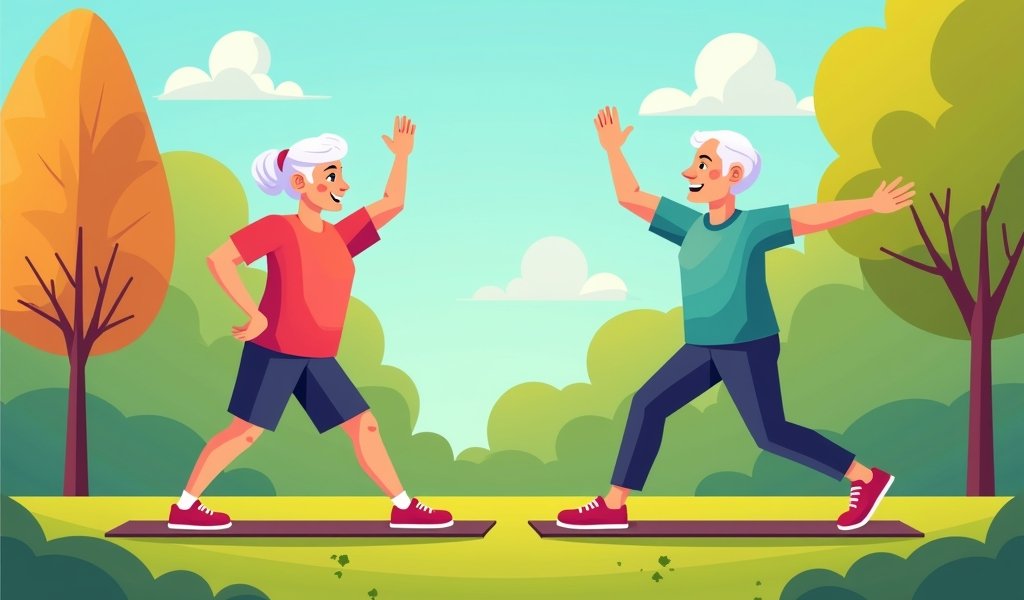
Who knew that not turning into a human rocking chair was such serious business? This article outlines eleven essential components of senior wellness—including daily physical activity, proper nutrition, cognitive engagement, preventative healthcare, social connections, stress management, quality sleep, age-friendly living environments, purposeful activities, and a positive mindset—all working together to promote vibrant, independent aging rather than merely surviving the golden years.
Table of Contents
- Embracing Senior Wellness: The Foundation for Vibrant Aging
- Daily Movement: The Cornerstone of Senior Vitality
- Nutritional Needs in Your Golden Years
- Keeping Your Mind Sharp and Engaged
- Preventative Healthcare: Your Wellness Safety Net
- Social Connections: The Heartbeat of Healthy Aging
- Stress Management Techniques for Seniors
- Quality Sleep: Nature’s Restoration Process
- Creating an Age-Friendly Living Environment
- Finding Purpose in Your Golden Years
- Cultivating a Positive Mindset for Aging
- Conclusion: Your Senior Wellness Journey
- Frequently Asked Questions
Embracing Senior Wellness: The Foundation for Vibrant Aging
Growing older doesn’t mean slowing down – it means evolving into a new chapter filled with possibilities. Senior wellness encompasses not just physical health but the rich tapestry of mental, emotional, and social well-being that creates a fulfilling life after 65.
As a health professional who’s worked with seniors for over two decades, I’ve witnessed firsthand how embracing wellness practices can transform the aging experience. The difference between those who thrive in their golden years and those who merely survive often comes down to daily habits and mindset.
According to the World Health Organization, healthy aging is about creating environments and opportunities that enable people to be and do what they value throughout their lives. It’s not about avoiding the inevitable changes that come with age, but rather adapting to them gracefully while maintaining autonomy and quality of life.
In this comprehensive guide, we’ll explore ten evidence-based strategies that form the foundation of robust senior wellness. These aren’t complicated medical interventions – they’re accessible practices that you can begin implementing today, regardless of your current fitness level or health status.
Daily Movement: The Cornerstone of Senior Vitality
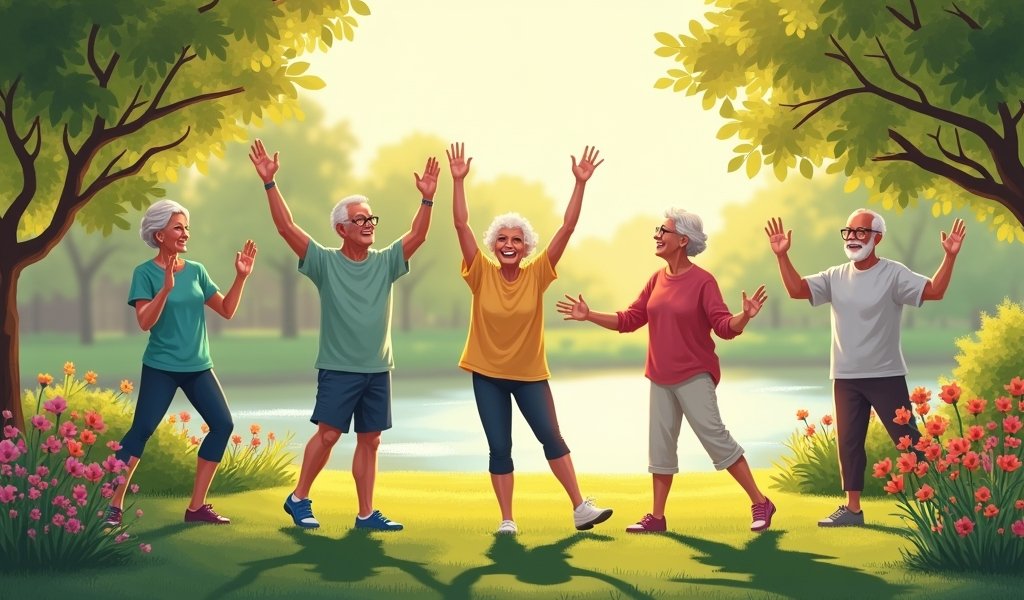
If there’s one thing that consistently predicts healthy aging, it’s regular physical activity. Movement truly is medicine for the aging body, helping maintain muscle mass, joint flexibility, cardiovascular health, and even brain function.
The good news? You don’t need to run marathons to reap the benefits. Even modest amounts of physical activity can yield significant health improvements. The key is consistency and finding activities you genuinely enjoy.
Senior-Friendly Exercise Options:
- Walking – 30 minutes daily can reduce heart disease risk by up to 30%
- Swimming or water aerobics – perfect for joint problems
- Tai chi or gentle yoga – improves balance and reduces fall risk
- Resistance training with bands or light weights – preserves muscle mass
Many seniors find success with specialized exercise equipment designed for older adults that offers additional support and safety features. These tools can make the difference between a sustainable fitness routine and one that’s quickly abandoned.
For those with mobility challenges, seated exercises can be surprisingly effective. Even chair-based movements can improve circulation, maintain range of motion, and boost mood through the release of endorphins.
The most important aspect of physical activity isn’t intensity but consistency. According to research published in the Journal of the American Geriatrics Society, seniors who engaged in regular moderate exercise showed significant improvements in mobility and independence, regardless of previous fitness levels.
Nutritional Needs in Your Golden Years
Your nutritional needs change as you age, requiring a thoughtful approach to eating rather than simply following general guidelines. Senior nutrition isn’t about strict diets – it’s about nourishing your body with the nutrients it needs while enjoying meals that bring satisfaction.
As metabolism slows and calorie needs decrease, the importance of nutrient-dense foods increases. Think of your daily calories as valuable real estate – you want to invest in high-quality options that deliver maximum nutritional returns.
Key Nutritional Priorities for Seniors:
- Protein – Aim for 25-30 grams per meal to combat muscle loss
- Fiber – 25-30 grams daily supports digestive health and stabilizes blood sugar
- Calcium and vitamin D – Essential for bone health (1200mg calcium, 800-1000 IU vitamin D daily)
- B vitamins – Especially B12, which becomes harder to absorb with age
- Healthy fats – Omega-3s support brain health and reduce inflammation
Staying hydrated becomes increasingly important yet challenging as we age. The thirst sensation diminishes, making dehydration a common issue for seniors. Set reminders to drink water throughout the day, and include hydrating foods like cucumbers, oranges, and berries in your diet.
Planning balanced meals doesn’t need to be complicated. Our 30-day heart-healthy meal plan provides a simple framework that ensures you’re getting the nutrients you need without spending hours in the kitchen.
Remember that eating well should remain one of life’s pleasures. Include favorite foods in moderation, experiment with herbs and spices to compensate for any diminished sense of taste, and whenever possible, make meals a social occasion to nourish both body and soul.
Keeping Your Mind Sharp and Engaged
Cognitive health isn’t just about preventing decline – it’s about actively building mental resilience through continuous learning and mental challenges. Your brain, like your muscles, responds to the “use it or lose it” principle.
Neuroplasticity – the brain’s ability to form new connections – continues throughout life, though it may require more consistent effort as we age. The key is introducing novel challenges that force your brain to create new neural pathways.
Brain-Boosting Activities:
- Learning a new skill (painting, musical instrument, language)
- Strategic games (chess, bridge, complex card games)
- Reading outside your usual genres
- Socializing with diverse groups of people
- Taking alternate routes while driving or walking
Digital brain training apps can supplement these activities, though researchers at Harvard Medical School suggest that real-world activities generally provide more comprehensive benefits than digital alternatives alone.
The connection between physical exercise and brain health cannot be overstated. Activities like using an exercise bike designed for seniors provide both cardiovascular benefits and cognitive stimulation, particularly when combined with mentally engaging activities like listening to podcasts or audiobooks while pedaling.
Don’t underestimate the power of good sleep for cognitive function. During deep sleep, your brain clears out waste products and consolidates memories, making quality rest essential for maintaining mental sharpness.
Preventative Healthcare: Your Wellness Safety Net
Preventative care becomes increasingly valuable as we age, often catching potential health issues before they become serious problems. Think of regular check-ups and screenings as your early warning system – they’re investments that pay significant dividends in quality of life.
Beyond the annual physical, seniors should maintain a schedule of age-appropriate screenings tailored to their specific health risks. Having these conversations with your healthcare provider ensures you’re getting personalized preventative care.
Essential Preventative Care for Seniors:
- Annual wellness visit with comprehensive review
- Blood pressure and cholesterol monitoring
- Cancer screenings (colonoscopy, mammogram, skin checks)
- Bone density test (especially for women)
- Vision and hearing assessments
- Immunizations (flu, pneumonia, shingles, COVID-19)
- Dental check-ups (oral health connects to overall health)
Medication management becomes increasingly important as prescription counts often rise with age. Consider using pill organizers, setting digital reminders, or using medication management apps to ensure you’re taking the right medications at the right times.
Don’t hesitate to be your own advocate during healthcare visits. Prepare questions in advance, bring a complete list of your medications (including supplements), and consider bringing a trusted friend or family member to help remember important information.
According to the CDC’s healthy aging data, preventative services can substantially reduce premature mortality and improve quality of life, yet many seniors don’t take full advantage of the preventative services available to them.
Social Connections: The Heartbeat of Healthy Aging
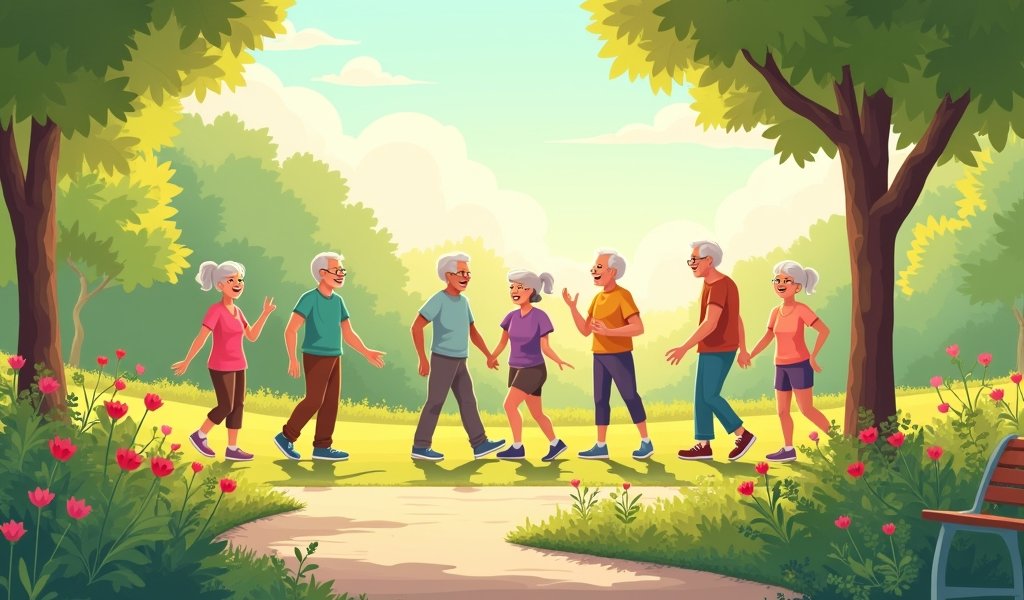
The importance of social connections for senior wellness can’t be overstated. Research consistently shows that strong social ties are as influential on health outcomes as physical activity, blood pressure, and even smoking habits.
Social isolation isn’t just lonely – it’s linked to higher rates of heart disease, depression, cognitive decline, and even premature death. Building and maintaining meaningful connections should be considered a fundamental health practice, not just a nice-to-have.
Ways to Foster Social Connections:
- Join community centers or senior groups based on interests
- Volunteer for causes that matter to you
- Take classes at local community colleges
- Participate in faith-based organizations
- Explore technology for virtual connections with distant loved ones
- Consider pet ownership for companionship
Quality matters more than quantity when it comes to relationships. A few deep, meaningful connections often provide more psychological benefit than numerous superficial acquaintances.
For those who find social situations challenging, structured activities like book clubs or hobby groups can provide natural conversation starters and shared experiences that make connection easier.
Technology has created new avenues for seniors to stay connected. Learning to use video calling apps, social media, or messaging platforms can help bridge physical distances with family and friends. Many libraries and senior centers offer free technology classes specifically designed for older adults.
Stress Management Techniques for Seniors
Stress doesn’t disappear with retirement – it simply takes different forms. Financial concerns, health issues, loss of loved ones, and adapting to life changes can all create significant stress for seniors. The good news is that with age often comes perspective and wisdom that can be leveraged for more effective stress management.
The physical impact of chronic stress on older bodies can be particularly pronounced, affecting everything from immune function to cardiovascular health. Learning to recognize and address stress becomes an essential health practice.
Effective Stress Management Practices:
- Mindfulness meditation – even 5-10 minutes daily can reduce stress hormones
- Deep breathing exercises – activates the parasympathetic nervous system
- Progressive muscle relaxation – helps identify and release physical tension
- Gentle movement practices like tai chi or yoga
- Time in nature – shown to reduce stress markers and improve mood
- Creative expression through art, music, or writing
According to research from the National Institute on Aging, mindfulness practices can be particularly beneficial for older adults, helping to reduce anxiety, improve sleep, and even enhance immune function.
It’s important to recognize the difference between normal stress reactions and symptoms of anxiety or depression. Persistent feelings of hopelessness, excessive worry, or loss of interest in previously enjoyed activities warrant a conversation with a healthcare provider.
Many seniors find that their spiritual practices provide significant stress relief and meaning. Whether through traditional religious observance, meditation, or personal spiritual practices, nurturing this dimension of wellness can provide resilience during challenging times.
Quality Sleep: Nature’s Restoration Process
Sleep architecture naturally changes with age, but poor sleep isn’t an inevitable part of growing older. Many sleep issues can be addressed through adjustments to sleep habits and environment.
Quality sleep does more than prevent daytime fatigue – it’s essential for memory consolidation, immune function, hormone balance, and even clearing waste products from the brain. Prioritizing sleep means prioritizing overall health.
Sleep Optimization for Seniors:
- Maintain consistent sleep and wake times, even on weekends
- Create a cool, dark, quiet sleep environment
- Limit screen time and blue light exposure before bed
- Avoid caffeine after noon and alcohol close to bedtime
- Establish a relaxing bedtime routine
- Consider light therapy if your sleep schedule has shifted
Many sleep disturbances in seniors have treatable medical causes. Sleep apnea, restless leg syndrome, and side effects from medications can all interfere with sleep quality and should be discussed with healthcare providers rather than accepted as normal aging.
The relationship between exercise and sleep quality is well-established. According to the Sleep Foundation, regular physical activity can help you fall asleep faster, enjoy deeper sleep, and wake feeling more refreshed – yet another reason to maintain an active lifestyle.
While occasional sleep aids might be helpful, they’re not a long-term solution. Work with your healthcare provider to address underlying causes of sleep disturbances rather than relying on medication, which can create dependency and may cause side effects like daytime drowsiness or increased fall risk.
Creating an Age-Friendly Living Environment
Your living environment plays a crucial role in supporting independence and preventing accidents as you age. Thoughtful modifications can make your home safer and more comfortable without sacrificing aesthetics or independence.
The goal of an age-friendly home isn’t just accident prevention – it’s creating spaces that support your changing needs while maintaining quality of life. Small adjustments can often make significant differences in daily comfort and functionality.
Home Modifications for Safety and Comfort:
- Install grab bars in bathrooms near toilets and in showers
- Improve lighting throughout the home, especially on stairs and in hallways
- Remove or secure potential tripping hazards like area rugs and cords
- Consider first-floor living options to minimize stair use
- Add non-slip surfaces in bathrooms and kitchens
- Install a raised toilet seat and shower bench in bathrooms
- Ensure frequently used items are within easy reach
Smart home technology offers exciting possibilities for aging in place. Voice-activated systems can control lights, thermostats, and security features, while wearable devices can detect falls and call for help if needed. These technologies continue to evolve, becoming more affordable and user-friendly each year.
Many communities offer home safety assessments for seniors through local aging services departments. These professional evaluations can identify potential hazards you might not notice and suggest practical, cost-effective modifications.
Remember that making your home age-friendly isn’t admitting defeat – it’s a proactive step that supports your independence and may allow you to remain in your home longer than would otherwise be possible.
Finding Purpose in Your Golden Years
Purpose and meaning remain fundamental human needs throughout life. The retirement years offer a unique opportunity to explore interests, contribute to causes you care about, and define purpose on your own terms.
Research published in the JAMA Psychiatry journal found that seniors with a strong sense of purpose tend to live longer and experience lower rates of heart disease, stroke, and cognitive decline. Purpose isn’t just about satisfaction – it appears to have tangible health benefits.
Pathways to Purpose in Retirement:
- Volunteering for organizations aligned with your values
- Mentoring younger generations in your field of expertise
- Learning new skills or pursuing education
- Creating art, music, writing, or other creative expressions
- Engaging in community improvement projects
- Preserving family stories and traditions
Many seniors find purpose through intergenerational connections, sharing wisdom and experiences with younger people while gaining fresh perspectives in return. These relationships can be formal mentoring arrangements or informal connections with grandchildren, neighbors, or community members.
The transition to retirement often requires reimagining identity, especially for those whose careers played a central role in their sense of self. This transition can be challenging but also deeply rewarding as new aspects of identity are discovered and developed.
Remember that purpose doesn’t require grand gestures or extraordinary achievements. Finding meaning in daily activities, relationships, and small contributions can create a profound sense of satisfaction and wellbeing.
Cultivating a Positive Mindset for Aging
Your attitude toward aging significantly influences how you experience it. Research from the Yale School of Public Health found that seniors with positive attitudes about aging lived an average of 7.5 years longer than those with negative perceptions – a larger effect than many medical interventions!
This doesn’t mean denying the challenges that come with aging or maintaining toxic positivity. Rather, it’s about developing resilience, focusing on possibilities rather than limitations, and appreciating the unique gifts of this life stage.
Fostering a Positive Aging Mindset:
- Practice gratitude daily – list three specific things you appreciate
- Challenge negative stereotypes about aging when you encounter them
- Celebrate your accomplishments, wisdom, and experiences
- Surround yourself with positive influences, including people of various ages
- Focus on what you can do rather than what you can’t
- Embrace learning and growth as lifelong processes
The stories we tell ourselves about aging matter. Notice your internal dialogue about getting older and gently challenge negative assumptions. Replace “I’m too old for that” with “I haven’t tried that yet” or “I wonder how I might adapt that for my current abilities.”
Humor and lightheartedness can be powerful tools for maintaining perspective. The ability to laugh at life’s challenges and at yourself cultivates resilience and makes the journey more enjoyable for you and those around you.
According to the Journal of Happiness Studies, practicing positive psychology techniques like gratitude journaling, savoring positive experiences, and performing acts of kindness can significantly improve wellbeing in older adults.
Conclusion: Your Senior Wellness Journey
Senior wellness isn’t about achieving perfection in every area we’ve discussed – it’s about making intentional choices that enhance your quality of life. The beauty of this approach is that small, consistent actions in any of these areas can create meaningful improvements in your overall wellbeing.
Remember that wellness is highly individual. What works beautifully for one person might not resonate for another. The key is to experiment, adapt, and discover the specific practices that support your unique needs and preferences.
As you incorporate these strategies into your life, be patient with yourself and celebrate progress rather than focusing on perfection. Wellness is a journey, not a destination, and each day offers new opportunities to make choices that support vibrant aging.
The golden years truly can be golden – filled with growth, joy, meaningful connections, and new discoveries. By prioritizing your wellness today, you’re investing in a future with greater independence, vitality, and satisfaction.
Which aspect of senior wellness will you focus on first? Even small steps in any of these areas can start a positive ripple effect that enhances your overall quality of life. Your wellness journey is uniquely yours – embrace it with curiosity, commitment, and compassion for yourself.
Frequently Asked Questions
What’s the most important exercise for seniors?
Walking is arguably the most valuable exercise for seniors as it’s accessible, requires no equipment, and benefits cardiovascular health, balance, and mood. Aim for 30 minutes daily, broken into smaller sessions if needed.
How much protein do seniors need daily?
Most seniors need 1.0-1.2 grams of protein per kilogram of body weight daily, higher than younger adults. This means a 150-pound senior should aim for 68-82 grams of protein spread throughout the day.
Does Medicare cover preventative healthcare?
Medicare Part B covers many preventative services including annual wellness visits, various screenings, and immunizations. Check Medicare.gov for a complete list of covered services and any applicable conditions.
How can seniors improve sleep naturally?
Establish consistent sleep/wake times, create a relaxing bedtime routine, limit screen time before bed, and ensure your bedroom is cool, dark and quiet. Regular physical activity during the day also significantly improves sleep quality.
What’s the best way for seniors to stay socially connected?
Participate in activities aligned with your interests, whether community centers, faith organizations, volunteer opportunities, or classes. Technology like video calls can supplement in-person connections, especially with distant family members.