
Overview
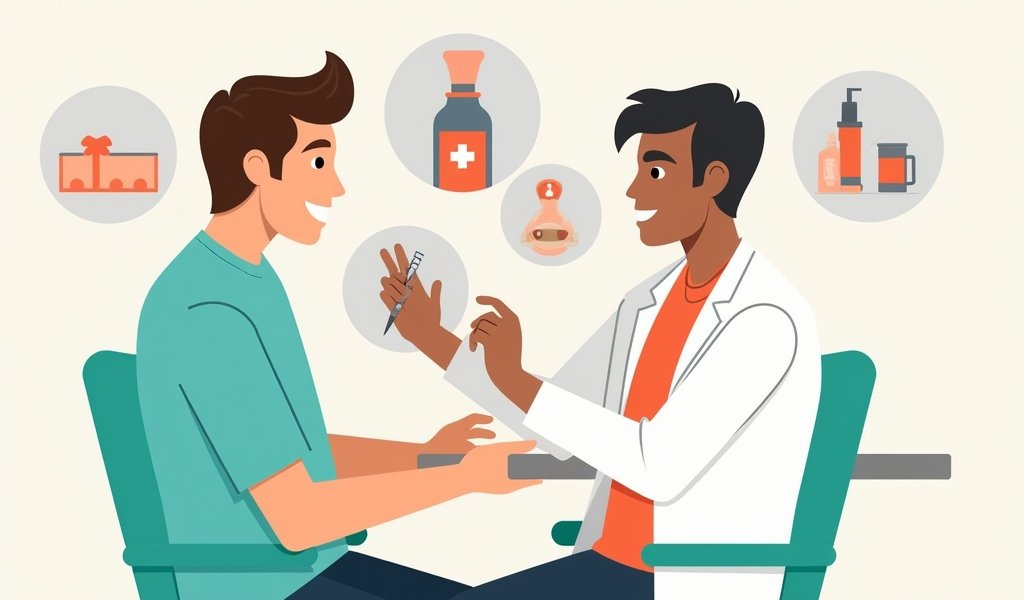
Think of wellness checks as the ultimate body tune-up—without the greasy mechanics or awkward waiting room magazines! Regular wellness visits offer ten key benefits including early disease detection, personalized health guidance, preventive care, medication management, mental health screening, relationship building with your provider, vaccination updates, health education, cost savings through insurance coverage, and peace of mind.
Table of Contents
- What is a Wellness Check?
- Benefit 1: Early Detection of Health Issues
- Benefit 2: Personalized Health Guidance
- Benefit 3: Disease Prevention
- Benefit 4: Medication Management
- Benefit 5: Mental Health Screening
- Benefit 6: Building a Relationship with Your Healthcare Provider
- Benefit 7: Vaccination Updates
- Benefit 8: Health Education
- Benefit 9: Insurance Coverage
- Benefit 10: Peace of Mind
- Who Needs Wellness Checks?
- Conclusion
- Frequently Asked Questions
What is a Wellness Check?
A wellness check is a preventative healthcare visit designed to assess your overall health when you’re not sick. Unlike appointments for specific illnesses or injuries, a wellness check focuses on prevention, screening, and maintaining good health before problems develop. These comprehensive evaluations help identify risk factors and detect health issues at their earliest, most treatable stages.
During a wellness check, your healthcare provider will typically assess vital signs, review your medical history, perform a physical examination, and order age-appropriate screening tests. They’ll also evaluate your lifestyle habits, discuss any health concerns you may have, and provide recommendations for improving or maintaining your health.
As a physician who’s conducted thousands of wellness checks, I’ve seen firsthand how these preventative visits can be life-changing. They provide a valuable opportunity to step back from the day-to-day rush and take stock of your overall health picture. Think of it as regular maintenance for your body—similar to how you’d service your car before it breaks down.

Benefit 1: Early Detection of Health Issues
One of the most powerful benefits of wellness checks is their ability to catch health issues before they cause symptoms. Many serious conditions like high blood pressure, diabetes, and certain cancers can develop silently for years before causing noticeable problems. By the time symptoms appear, these conditions may have already caused significant damage.
Regular wellness checks create opportunities to detect these silent threats through routine screenings and physical examinations. For example, a simple blood pressure reading during a wellness check might reveal hypertension before it leads to heart disease. Similarly, blood tests can uncover cholesterol abnormalities, prediabetes, or liver dysfunction while they’re still easily manageable.
The statistics speak volumes: according to the American Cancer Society, the five-year survival rate for breast cancer is 99% when caught early but drops to 29% when diagnosed at advanced stages. Early detection truly saves lives.
In my practice, I’ve discovered countless health issues during routine wellness checks that patients had no idea were developing. One patient’s slightly elevated blood sugar led to lifestyle changes that prevented full-blown diabetes. Another’s routine blood test revealed early-stage kidney disease that we were able to address before permanent damage occurred.
Benefit 2: Personalized Health Guidance
Generic health advice is everywhere, but wellness checks offer something far more valuable: personalized guidance based on your specific health profile. Your provider will consider your age, gender, family history, personal medical history, current health status, and lifestyle factors to develop recommendations tailored specifically to you.
This individualized approach ensures you’re focusing on the health strategies most relevant to your needs. For instance, someone with a family history of heart disease might receive different nutrition and exercise recommendations than someone with a family history of osteoporosis. Your fitness requirements for optimal health will vary based on your unique physiological makeup.
During wellness checks, we establish baseline measurements for various health markers, allowing us to track changes over time. These personalized benchmarks help identify concerning trends before they develop into diagnosable conditions. A slight upward trend in blood pressure readings across several visits, even if still technically within normal range, might prompt early intervention strategies.
This personalized guidance becomes increasingly valuable as you age and your health needs evolve. The wellness check serves as a regular opportunity to update and refine your personal health plan based on changing circumstances.
Benefit 3: Disease Prevention
While early detection is crucial, preventing disease altogether is even better. Wellness checks excel at primary prevention—stopping health problems before they start. Your healthcare provider can identify specific risk factors you may have for various conditions and help you develop strategies to mitigate those risks.
For example, if your wellness check reveals you’re at high risk for type 2 diabetes based on family history and current blood sugar levels, your provider might recommend specific dietary changes, a fitness assessment, weight management strategies, and regular monitoring. These interventions can often prevent the condition from developing entirely.
Prevention strategies discussed during wellness checks might include:
- Dietary modifications tailored to your health profile
- Appropriate physical activity recommendations
- Stress management techniques
- Sleep optimization strategies
- Smoking cessation support
- Alcohol moderation guidance
The Centers for Disease Control and Prevention estimates that chronic diseases that could be prevented through lifestyle modifications and regular healthcare account for 75% of the nation’s healthcare spending. Wellness checks represent one of our most effective tools for addressing this challenge.
Benefit 4: Medication Management
If you take prescription medications, wellness checks provide a valuable opportunity for comprehensive medication review. Your provider will evaluate all your current medications—including over-the-counter drugs and supplements—to ensure they’re still necessary, effective, and properly dosed.
This regular review helps identify potential drug interactions, unnecessary medications, or opportunities to simplify your regimen. It also provides a chance to discuss any side effects you might be experiencing and explore alternative options if needed.
Medication needs change over time as your health evolves. A medication that was appropriate when first prescribed might need adjustment as you age or as other aspects of your health change. Regular wellness checks ensure your medication plan remains optimized for your current situation.
In my experience, medication reviews during wellness checks frequently reveal issues patients didn’t realize were problematic. I’ve had patients suffering from fatigue, dizziness, or other symptoms that turned out to be medication side effects or interactions that we could easily address once identified.

Benefit 5: Mental Health Screening
Your mental health is just as important as your physical health, and comprehensive wellness checks include screening for common mental health conditions like depression and anxiety. These conditions affect millions of Americans but often go undiagnosed and untreated when regular healthcare visits are skipped.
Simple screening questionnaires can identify potential mental health concerns that might otherwise be overlooked. Many patients find it easier to discuss mental health symptoms in the context of a general wellness check than to make a separate appointment specifically for mental health concerns.
According to the National Institute of Mental Health, nearly one in five U.S. adults lives with a mental illness, yet many don’t receive treatment. Wellness checks help bridge this gap by normalizing mental health screening as part of routine healthcare.
I’ve had countless patients express relief when their wellness check created space to discuss anxiety, depression, or stress they’d been experiencing. Many weren’t sure their symptoms warranted attention or didn’t realize effective treatments were available until we discussed their mental health as part of their overall wellness assessment.
Benefit 6: Building a Relationship with Your Healthcare Provider
Regular wellness checks foster a valuable ongoing relationship with your healthcare provider. This continuity of care means your provider gets to know you, your health patterns, and your preferences over time. This relationship leads to more personalized care and often more accurate diagnoses when problems do arise.
When your provider knows your baseline health status and personality, they’re better equipped to notice subtle changes that might indicate developing health issues. They’re also more likely to understand which health strategies will work best with your lifestyle and preferences.
This established relationship becomes particularly valuable during health crises. Having a provider who already knows your medical history and values can make navigating complex health decisions much easier. They can serve as a trusted guide through complicated treatment options or specialist referrals.
The trust developed through regular wellness visits also makes it easier to discuss sensitive health topics or concerns that might otherwise feel uncomfortable. Many patients tell me they’re more likely to mention embarrassing symptoms or ask awkward questions because we’ve established a comfortable rapport through regular wellness visits.
Benefit 7: Vaccination Updates
Wellness checks provide the perfect opportunity to ensure your vaccinations are up to date. Adult immunization needs change over time, and many people aren’t aware of the vaccines recommended for their age group or risk factors.
Your healthcare provider will review your immunization history and recommend appropriate vaccines based on your age, health conditions, occupation, travel plans, and other risk factors. These might include:
- Annual influenza (flu) vaccine
- Tetanus-diphtheria boosters (every 10 years)
- Shingles vaccine (for adults 50+)
- Pneumococcal vaccines (for older adults and those with certain health conditions)
- COVID-19 vaccines and boosters
- Hepatitis vaccines for those with risk factors
Keeping vaccinations current is one of the simplest yet most effective preventive health measures. According to the World Health Organization, immunizations prevent 2-3 million deaths annually worldwide from diseases like influenza, tetanus, and measles.
In my practice, I’ve found that many adults simply lose track of when they’re due for vaccine boosters or aren’t aware of newer vaccines that might benefit them. The wellness check creates a regular checkpoint to address these gaps in protection.
Benefit 8: Health Education
Wellness checks provide a valuable opportunity for personalized health education. Your provider can clarify confusing health information, debunk myths, and provide evidence-based guidance specific to your situation. This education empowers you to make informed decisions about your health between visits.
During these visits, you can ask questions about health topics you’ve heard about in the news or on social media. Your provider can help you understand which health trends or recommendations are legitimate and which might be marketing hype or pseudoscience.
This education component extends to understanding your own health metrics. Knowing what your numbers mean—whether blood pressure, cholesterol, or blood sugar—helps you take ownership of your health journey. Understanding the “why” behind health recommendations increases the likelihood you’ll follow through with them.
The wellness check also provides an opportunity to learn about fitness meanings and concepts that apply specifically to your health situation. Your provider can explain how different types of physical activity might benefit your particular health profile and help you develop a sustainable approach to staying active.
Benefit 9: Insurance Coverage
Here’s some good news for your wallet: most health insurance plans, including Medicare, cover annual wellness visits at 100% with no copay or deductible. This makes wellness checks one of the few healthcare services that might actually cost you nothing out-of-pocket.
The Affordable Care Act requires insurance plans to cover preventive services like wellness checks without cost-sharing. Insurance companies willingly provide this coverage because they recognize that preventing health problems is far more cost-effective than treating them once they’ve developed.
Even if you have to pay something out-of-pocket for a wellness check, it’s one of the best health investments you can make. The potential savings from preventing or catching health problems early far outweigh the cost of an annual visit. Think of it as an investment in your future health and financial well-being.
If you’re unsure about coverage for wellness visits, contact your insurance provider for clarification. Many people miss out on this valuable benefit simply because they don’t realize it’s fully covered by their insurance.
Benefit 10: Peace of Mind
There’s something deeply reassuring about knowing you’ve had a thorough health evaluation and everything looks good—or if there are concerns, that you’re addressing them proactively. This peace of mind is a significant yet often overlooked benefit of regular wellness checks.
Health anxiety is common, especially in our information-saturated world where symptoms can be googled and worst-case scenarios imagined. A proper wellness check with a healthcare professional provides objective information to replace worry and speculation.
For those with family histories of serious conditions, regular wellness checks can be particularly reassuring. Knowing you’re being monitored appropriately for your specific risk factors can significantly reduce health-related stress.
This peace of mind extends beyond just the patient. Family members often report relief knowing their loved ones are receiving regular preventive care. I’ve had countless adult children thank me for the thorough wellness checks I provide to their aging parents.
Who Needs Wellness Checks?
The short answer: virtually everyone can benefit from regular wellness checks, though the recommended frequency and specific components may vary based on age, gender, and risk factors.
Children and adolescents typically follow a more frequent schedule, with multiple visits during infancy and annual checks throughout childhood and adolescence. These visits track development, provide necessary immunizations, and address age-specific health concerns.
For adults, general guidelines include:
- Ages 18-39: Every 1-3 years, depending on health status and risk factors
- Ages 40-64: Every 1-2 years
- Ages 65 and older: Annually
People with chronic health conditions, family histories of serious diseases, or other risk factors may benefit from more frequent wellness checks. Your healthcare provider can recommend the appropriate schedule for your specific situation.
Even if you feel perfectly healthy, regular wellness checks remain valuable. Many health conditions develop silently without symptoms until they’re advanced. The goal is to catch these issues before you ever feel sick.
Conclusion
Wellness checks represent one of the most valuable tools in modern healthcare—a proactive approach that helps you stay healthy rather than just treating illness after it develops. From early detection and disease prevention to personalized guidance and peace of mind, the benefits extend far beyond what most people realize.
These comprehensive health evaluations provide a regular opportunity to step back from the daily rush and focus on your long-term health and wellbeing. They create a partnership between you and your healthcare provider that empowers you to make informed health decisions.
If it’s been more than a year since your last wellness check, consider this your friendly reminder to schedule one. It might be the most important appointment you make this year. Your future self will thank you for this investment in healthier years ahead.
Remember that wellness checks work best when approached as an ongoing component of your health maintenance rather than a one-time event. Just as you wouldn’t expect a single gym session to keep you fit for life, regular wellness checks provide cumulative benefits that build over time.
Your health deserves this investment of time and attention. After all, it’s the foundation that makes everything else in life possible.
Frequently Asked Questions
How long does a wellness check typically take?
Most wellness checks take between 30-60 minutes, depending on your age, health history, and the specific screenings needed. Your first wellness visit with a new provider may take longer as they establish your baseline health information.
Is a wellness check the same as a physical exam?
A wellness check typically includes a physical exam, but it’s more comprehensive, also covering preventive screenings, vaccinations, health risk assessments, and personalized health planning. The terms are often used interchangeably, though wellness checks emphasize prevention more explicitly.
Should I fast before a wellness check?
If blood work is planned as part of your wellness check, you may need to fast for 8-12 hours beforehand. Ask your provider’s office about specific preparation instructions when scheduling your appointment.
What should I bring to a wellness check?
Bring a list of all medications and supplements you take, your medical history information, records of any recent tests or procedures, and a list of questions or concerns to discuss. Having this information organized helps maximize the value of your appointment.
Can I discuss specific health concerns during a wellness check?
Absolutely! While wellness checks focus on prevention, they’re also an appropriate time to discuss any health concerns you’re experiencing. Your provider can address these issues or recommend follow-up appointments if needed.