
Overview
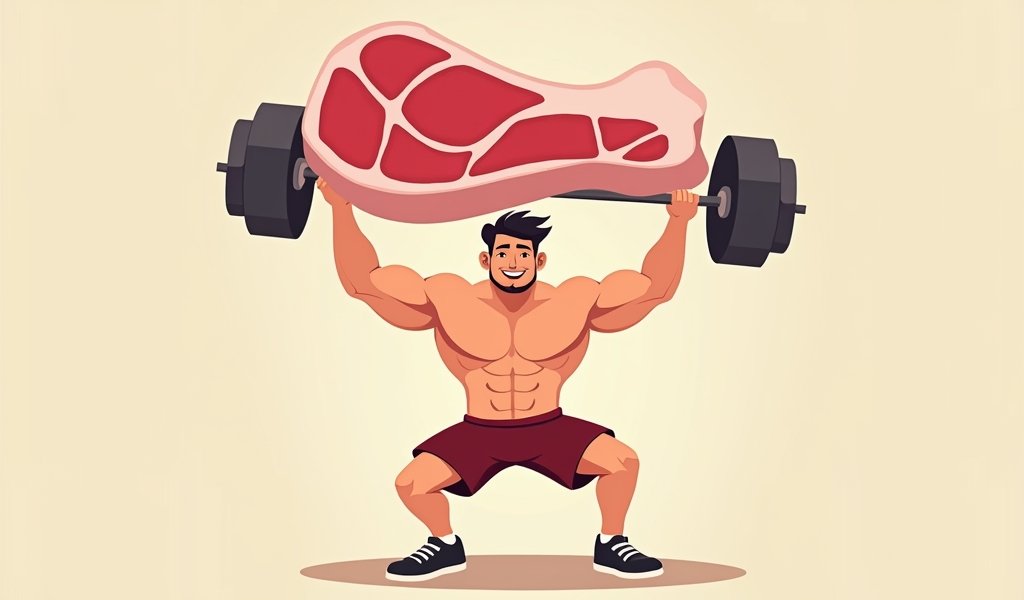
Move over, chicken breast—the humble pork chop is strutting onto the nutritional runway with its lean protein and impressive micronutrient profile! Modern pork chops are 16% leaner than those from decades past, offering 22g of protein per 3-ounce serving alongside abundant B vitamins, selenium, zinc, and heart-healthy monounsaturated fats that support muscle development, weight management, and overall health when properly selected and prepared using methods like grilling, baking, or air frying rather than deep frying.
Table of Contents
- Introduction to Pork Chop Nutrition
- The Complete Nutritional Profile of Pork Chops
- High-Quality Protein Content
- Essential Vitamins and Minerals
- Pork Chops and Heart Health
- Role in Weight Management
- Healthy Cooking Methods
- How to Select Quality Pork Chops
- Conclusion
- Frequently Asked Questions
Introduction to Pork Chop Nutrition
When it comes to versatile protein sources, pork chops stand out as a nutrient-dense option that deserves a place in a balanced diet. Pork chop nutrition offers a surprising array of health benefits that often go unrecognized in popular health discussions. As a dietitian who’s worked with clients across various dietary preferences, I’ve seen firsthand how lean cuts of pork can complement a health-conscious eating plan.
Pork has evolved considerably over the decades. Modern pork is about 16% leaner than it was 30 years ago, with many cuts meeting the USDA guidelines for “lean” meat. This transformation makes pork chops a compelling option for those seeking to diversify their protein sources while maintaining nutritional quality.
In this comprehensive guide, we’ll explore the seven evidence-backed health benefits of including pork chops in your diet, breaking down the nutritional components that make this meat a valuable addition to balanced meal plans. Whether you’re a fitness enthusiast looking to optimize your protein intake or simply interested in making informed dietary choices, understanding pork chop nutrition can help you make better decisions about this versatile food.
The Complete Nutritional Profile of Pork Chops
Before diving into specific health benefits, let’s examine what makes up the nutritional profile of a typical pork chop. A 3-ounce cooked pork chop (about 85 grams) contains approximately:
- Calories: 137
- Protein: 22 grams
- Fat: 4-5 grams (varies by cut)
- Saturated Fat: 1.5 grams
- Carbohydrates: 0 grams
- Cholesterol: 65 mg
- Sodium: 48 mg
Pork chops also provide significant amounts of essential vitamins and minerals, including:
- Vitamin B1 (Thiamin): 0.4 mg (33% of Daily Value)
- Vitamin B2 (Riboflavin): 0.2 mg (15% DV)
- Vitamin B3 (Niacin): 4.8 mg (30% DV)
- Vitamin B6: 0.4 mg (20% DV)
- Vitamin B12: 0.5 mcg (21% DV)
- Phosphorus: 180 mg (18% DV)
- Zinc: 2.0 mg (18% DV)
- Selenium: 32.4 mcg (59% DV)
- Potassium: 278 mg (6% DV)
The nutritional profile varies slightly depending on the specific cut, cooking method, and whether the fat is trimmed. Center-cut loin chops tend to be leaner than shoulder chops, making them an excellent choice for those watching their fat intake.
Pork chops fit well into various dietary approaches, including animal-based diets that prioritize quality protein sources. Let’s now examine how these nutrients translate into specific health benefits.

High-Quality Protein Content
The impressive protein content in pork chops makes them a standout option for supporting muscle growth and maintenance. With approximately 22 grams of complete protein per 3-ounce serving, pork chops deliver all nine essential amino acids your body needs but cannot produce on its own.
This high-quality protein plays several crucial roles in the body:
- Muscle synthesis and repair, especially important for athletes and active individuals
- Supporting immune function through antibody production
- Enzyme and hormone production
- Maintaining healthy skin, hair, and nails
- Promoting satiety to help control hunger
Particularly noteworthy is pork’s leucine content. Leucine is a branched-chain amino acid (BCAA) that acts as a key trigger for muscle protein synthesis. According to research published in the Journal of Nutrition, leucine-rich proteins like those found in pork can enhance post-exercise recovery and support lean muscle development.
For those engaged in regular strength training or high-intensity exercise, incorporating pork chops into your post-workout meal can provide the amino acid building blocks needed for optimal recovery. Even for those not actively pursuing fitness goals, adequate protein intake becomes increasingly important with age to combat natural muscle loss (sarcopenia).
Essential Vitamins and Minerals
One of the most overlooked aspects of pork chop nutrition is the impressive array of vitamins and minerals packed into each serving. Pork chops are particularly rich in B-complex vitamins, which play vital roles in energy metabolism, nervous system function, and cell health.
Thiamin (B1) deserves special mention, as pork is one of the richest natural sources of this essential nutrient. A single pork chop can provide up to a third of your daily thiamin needs. This vitamin is crucial for converting carbohydrates into energy and supporting proper nerve function. Historically, thiamin deficiency was a significant public health concern before pork became widely available in many diets.
Beyond B vitamins, pork chops offer substantial amounts of these key nutrients:
Selenium
With nearly 60% of your daily selenium requirements in a single serving, pork chops support thyroid function, DNA production, and act as a powerful antioxidant in the body. Research indicates that adequate selenium intake may help reduce inflammation and support immune function.
Zinc
Essential for immune function, wound healing, and DNA synthesis, zinc from animal sources like pork is more bioavailable than plant-based zinc. This makes pork chops an excellent option for maintaining optimal zinc levels, especially for those with increased requirements like athletes or pregnant women.
Phosphorus
Working alongside calcium, the phosphorus in pork chops contributes to bone health and cellular energy production. It’s also vital for proper kidney function and the body’s ability to utilize carbohydrates and fats.
Potassium
Though not as high as in some plant foods, the potassium in pork chops helps balance sodium levels in the body, potentially supporting healthy blood pressure. This mineral also aids in muscle contractions and nerve signal transmission.
These micronutrients work synergistically to support overall health, making pork chops more than just a protein source. When incorporated into a diet rich in diverse whole foods, pork can help address potential nutrient gaps that might otherwise require supplementation.
Pork Chops and Heart Health
The relationship between pork consumption and heart health has evolved considerably as our understanding of dietary fats and cholesterol has become more nuanced. While processed pork products have been associated with cardiovascular concerns, lean pork chops tell a different story.
Modern pork is significantly leaner than in previous generations. A trimmed pork chop contains comparable levels of saturated fat to some poultry options, challenging outdated perceptions about pork’s fat content. Furthermore, nearly half of the fat in pork is monounsaturated fat (primarily oleic acid), the same heart-healthy fat found in olive oil.
The American Heart Association now recognizes lean pork as a heart-healthy protein option when consumed as part of a balanced diet. Research published in the Journal of the American Heart Association suggests that lean, unprocessed red meat, including pork, does not significantly impact cardiovascular risk factors when incorporated into a healthy dietary pattern.
Several components in pork chops actively support cardiovascular health:
- Potassium helps regulate blood pressure by counterbalancing sodium
- B vitamins, particularly B6, B12, and folate, help manage homocysteine levels, a risk factor for heart disease
- Selenium provides antioxidant protection that may help prevent LDL cholesterol oxidation
- The high protein content supports healthy weight management, a key factor in heart health
Of course, cooking methods matter significantly. Grilling, baking, or broiling pork chops without excessive added fats or sodium preserves their heart-healthy potential, while heavy breading, frying, or pairing with rich sauces can negate these benefits.

Role in Weight Management
High-protein foods like pork chops can be valuable allies in weight management strategies. Protein has a higher thermic effect than carbohydrates or fats, meaning your body expends more energy digesting and metabolizing it. This increased calorie burn, though modest, can contribute to weight management over time.
Perhaps more significantly, protein promotes satiety—the feeling of fullness and satisfaction after eating. Research in the International Journal of Obesity demonstrates that high-protein meals help regulate appetite hormones like ghrelin and promote greater feelings of fullness compared to lower-protein alternatives with the same calorie count.
A typical pork chop provides approximately 22 grams of protein for just 137 calories, creating an excellent protein-to-calorie ratio. This nutrient density allows you to meet protein needs without excessive calorie consumption, making portion control more manageable.
For those following carnivore diet food plans or other low-carbohydrate approaches, pork chops offer versatility and satisfaction without the carbohydrates. They can be paired with non-starchy vegetables for a complete, filling meal that supports blood sugar stability.
Consider these practical tips for incorporating pork chops into a weight-management plan:
- Choose center-cut loin chops for the leanest option
- Trim visible fat before cooking
- Use herbs, spices, and citrus for flavor instead of high-calorie sauces
- Pair with fiber-rich vegetables to enhance the meal’s satiety value
- Consider pork chops for post-workout meals when protein needs are elevated
Remember that sustainable weight management involves creating a dietary pattern you can maintain long-term, not just short-term restrictions. The versatility and satisfying nature of pork chops can help create satisfying meals that support your weight goals without feeling deprived.
Healthy Cooking Methods
How you prepare pork chops significantly impacts their nutritional value and health benefits. Cooking methods that minimize added fats while preserving moisture and flavor are ideal for maximizing pork chop nutrition.
Here are the most health-conscious cooking approaches for pork chops:
Grilling
Grilling allows fat to drip away from the meat while imparting delicious flavor. For best results, marinate lean chops in herbs, citrus, and a small amount of olive oil to maintain moisture. Avoid charring, as excessive blackening can create potentially harmful compounds.
Broiling
Similar to grilling but using your oven’s top heating element, broiling creates a nicely browned exterior while keeping the inside juicy. Place pork chops on a rack over a baking sheet to allow fat to drain during cooking.
Baking or Roasting
Gentle oven cooking preserves moisture and nutrients while requiring minimal added fat. Brining lean pork chops before baking can help maintain juiciness without the need for added fats during cooking.
Air Frying
This modern method creates a crispy exterior similar to frying but uses circulating hot air instead of oil. A light spray of olive oil is usually sufficient for excellent results.
Sautéing
Quick cooking in a non-stick pan with minimal oil preserves nutrients and develops excellent flavor. Finish thicker chops in the oven to ensure they’re cooked through without drying out.
For optimal nutrition and food safety, cook pork chops to an internal temperature of 145°F (63°C), followed by a 3-minute rest. This temperature, recommended by the USDA, results in slightly pink, juicy meat that retains more nutrients while ensuring safety.
Avoid these less healthy preparation methods that can diminish nutritional value:
- Deep frying in oil, which substantially increases calories
- Cooking in excessive butter or cream-based sauces
- Using pre-packaged, high-sodium seasonings
- Charring or burning during cooking
Healthier seasoning alternatives include fresh herbs, spices, garlic, citrus, and small amounts of quality olive oil. These additions enhance flavor while contributing their own health benefits.
How to Select Quality Pork Chops
Maximizing the nutritional benefits of pork chops begins at the point of purchase. Selecting high-quality cuts ensures you’re getting the best possible nutritional value and taste.
When shopping for pork chops, look for these quality indicators:
Color and Appearance
Fresh pork should be pinkish-red with some marbling (thin streaks of fat within the meat). Avoid chops that appear pale or grayish, which may indicate poor quality or age. The fat should be white or slightly pink, never yellow or gray.
Cut Selection
Different cuts offer varying nutritional profiles:
- Loin chops: The leanest option, with excellent protein-to-fat ratio
- Rib chops: More marbling for flavor but slightly higher fat content
- Sirloin chops: Less tender but very flavorful with moderate fat
- Shoulder/blade chops: Most marbling and fat, best for slow cooking
For the healthiest option, center-cut loin chops provide the optimal balance of leanness and flavor.
Thickness
Choose chops at least 1-inch thick. Thinner cuts cook too quickly and often become dry, while thicker chops retain moisture better. Adequate thickness also makes it easier to achieve the proper internal temperature without overcooking.
Sourcing and Quality
When possible, select pork labeled as:
- Pasture-raised: These pigs have access to outdoors and natural diets, potentially resulting in meat with more beneficial fatty acids
- No antibiotics/hormones: Reduces exposure to unnecessary additives
- Heritage breeds: Often raised with better standards and may offer superior nutritional profiles
While these options typically cost more, the improved nutritional profile and environmental benefits may justify the investment for those prioritizing optimal nutrition.
Avoid pre-marinated or “enhanced” pork products, which often contain added sodium, sugar, and preservatives that can negate some of pork’s natural health benefits. Instead, purchase plain pork chops and add your own healthy seasonings at home.
Proper storage is equally important. Use or freeze fresh pork chops within 2-3 days of purchase to maintain quality and prevent spoilage. When freezing, wrap tightly to prevent freezer burn, which can degrade both nutrition and flavor.
Conclusion
Pork chop nutrition offers far more than just protein. These versatile cuts deliver an impressive array of essential nutrients that support multiple aspects of health, from muscle development and immune function to energy metabolism and heart health. The seven proven benefits we’ve explored demonstrate why pork chops deserve consideration in a balanced, nutrient-focused eating plan.
Modern pork is leaner and more nutritious than ever before, challenging outdated perceptions about its place in a healthy diet. When selected carefully and prepared using health-conscious methods, pork chops can be part of heart-healthy, weight-conscious, and fitness-supporting meal plans.
Remember that food quality matters—choosing well-raised pork and pairing it with abundant plant foods creates a dietary pattern that leverages pork’s nutritional strengths while creating balanced meals. Whether you’re following an omnivorous, carnivore, or flexible eating approach, pork chops can provide valuable nutrition when incorporated thoughtfully.
As with any food, moderation and context matter. Pork chops are best enjoyed as part of a diverse diet rich in various protein sources, vegetables, fruits, and whole grains. This balanced approach allows you to benefit from pork chop nutrition while creating a sustainable dietary pattern that supports your overall health and wellness goals.
Frequently Asked Questions
Are pork chops healthy for weight loss?
Yes, lean pork chops can support weight loss due to their high protein content and relatively low calorie count. They promote satiety and have a higher thermic effect compared to carbs and fats.
How often can I eat pork chops in a healthy diet?
Lean pork chops can be included 2-3 times weekly as part of a varied diet. Balance your protein sources between different meats, fish, and plant-based options for optimal nutrition.
Are pork chops or chicken breast healthier?
Both are excellent lean protein sources with similar calorie counts. Pork chops contain more thiamin, selenium and zinc, while chicken breast is slightly lower in saturated fat.
What’s the healthiest cut of pork chop?
Center-cut loin chops are the leanest and healthiest option. They offer the highest protein-to-fat ratio while still providing excellent flavor and tenderness.
Do pork chops raise cholesterol?
Lean pork chops, when substituted for fattier proteins and consumed as part of a balanced diet, have not been shown to significantly raise cholesterol levels. Research suggests unprocessed lean pork has minimal impact on heart disease risk factors.