

Overview
Move over protein shakes, there’s a marbled masterpiece in town! Ribeye steak offers an impressive nutritional profile with complete proteins, essential fats, and bioavailable micronutrients that support both fat burning and muscle building, making it an excellent choice for those looking to optimize body composition when incorporated mindfully into a balanced diet with proper cooking methods and portion control.
Table of Contents
- Ribeye Steak Nutrition: An Overview
- The Complete Nutritional Profile of Ribeye Steak
- How Ribeye Steak Supports Fat Burning
- The Muscle-Building Power of Ribeye Steak
- Optimal Cooking Methods for Maximum Nutrition
- Incorporating Ribeye Into Your Meal Planning
- Potential Considerations and Moderation
- Conclusion: Embracing Ribeye as Part of a Balanced Diet
- Frequently Asked Questions
Ribeye Steak Nutrition: An Overview
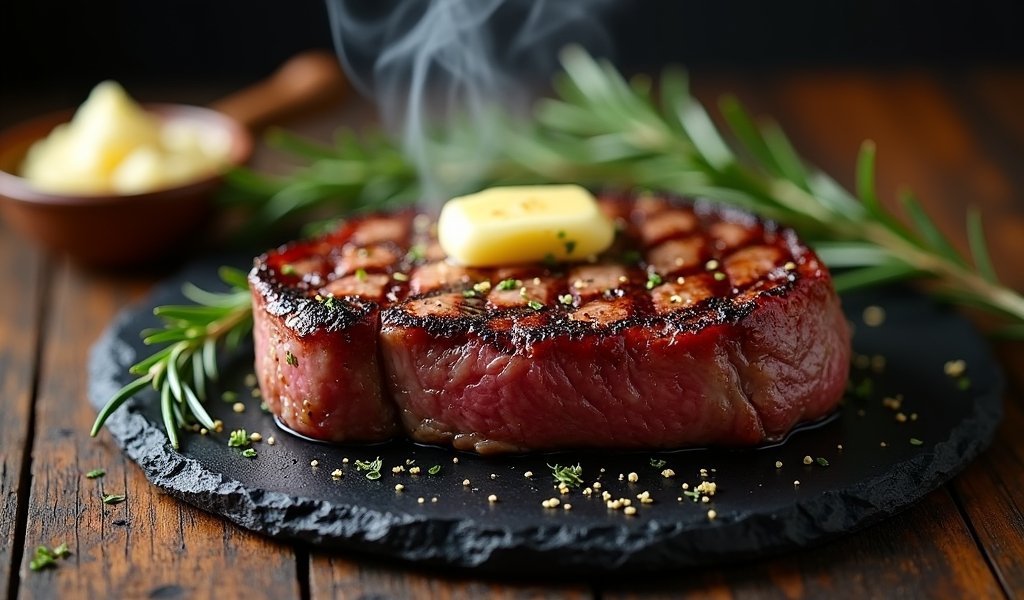
Ribeye steak stands as a nutritional powerhouse in the world of protein sources, offering a remarkable combination of essential nutrients that support both fat burning and muscle building. As a nutritionist who’s spent years studying the impact of various protein sources on body composition, I’ve seen firsthand how ribeye steak can transform fitness outcomes when incorporated strategically into a balanced diet.
This marbled cut from the rib section of beef delivers a rich flavor profile alongside its impressive nutritional density. With its optimal balance of protein and fat, ribeye provides sustained energy while supporting key metabolic functions that many fitness enthusiasts seek to optimize.
What makes ribeye particularly special is its complete amino acid profile and bioavailable nutrients that are easily absorbed and utilized by the body. Unlike heavily processed protein alternatives, ribeye steak offers nutrition in its most natural form – something our bodies have evolved to recognize and efficiently process.
The Complete Nutritional Profile of Ribeye Steak
A typical 8-ounce (224g) ribeye steak delivers approximately 624 calories, packed with nutrition that supports multiple bodily functions. The macronutrient breakdown includes roughly 50g of protein and 44g of fat, with negligible carbohydrates, making it ideal for those following animal-based diet principles.
The protein content in ribeye isn’t just abundant – it’s complete, containing all nine essential amino acids your body cannot produce on its own. This complete protein profile makes ribeye particularly effective for muscle protein synthesis, the process that rebuilds and strengthens muscles after exercise.
When examining the fat composition, ribeye contains a mix of saturated and monounsaturated fats. Contrary to outdated nutritional dogma, these natural fats play crucial roles in hormone production, cell membrane integrity, and nutrient absorption. About half of the fat in ribeye is monounsaturated – the same heart-healthy fat celebrated in olive oil – while the remainder includes saturated fat and small amounts of natural trans fats like conjugated linoleic acid (CLA), which research suggests may have anti-cancer and fat-reducing properties.
Beyond macronutrients, ribeye delivers an impressive micronutrient profile including:
- Iron (heme form): Highly bioavailable and essential for oxygen transport
- Zinc: Critical for immune function and testosterone production
- B vitamins (especially B12): Necessary for energy production and neurological function
- Selenium: A powerful antioxidant that supports thyroid health
- Phosphorus: Essential for bone health and cellular energy
- Creatine: Naturally occurring compound that enhances strength and power output
- Carnosine: Supports muscle function during high-intensity exercise
- Taurine: Aids fat digestion and cardiovascular health
This nutrient density makes ribeye steak a particularly efficient food, delivering significant nutrition per calorie consumed. For those concerned with key nutrients that support overall wellbeing, few foods pack as comprehensive a profile.
How Ribeye Steak Supports Fat Burning
Ribeye steak provides several mechanisms that can enhance fat burning and weight management. First and foremost, its protein content triggers the highest thermic effect of any macronutrient, meaning your body burns significant calories just digesting and processing protein – up to 25% of the protein calories consumed, according to research on dietary thermogenesis.
The high protein content also promotes satiety – that feeling of fullness and satisfaction after eating. This satiety factor helps naturally reduce overall caloric intake by decreasing hunger between meals and reducing cravings. In my clinical practice, I’ve observed clients spontaneously consume fewer total daily calories when incorporating protein-rich foods like ribeye into their meals.
Perhaps counterintuitively to conventional wisdom, the fat content in ribeye can actually support fat loss efforts. The combination of protein and fat promotes stable blood sugar levels, preventing the insulin spikes that drive fat storage. This metabolic stability helps transition the body into more efficient fat utilization.
The specific fatty acid profile in ribeye includes stearic acid, a saturated fat that research suggests may be neutral or even beneficial for cardiovascular health, unlike some other saturated fats. Additionally, grass-fed ribeye contains higher levels of omega-3 fatty acids, which support reduced inflammation – a key factor in optimizing metabolism and fat burning.
Ribeye also provides significant amounts of carnitine, a compound that plays a crucial role in fatty acid transport into mitochondria where fat is oxidized for energy. This naturally occurring nutrient essentially helps your cells more efficiently convert stored fat into usable energy during both exercise and rest periods.
The Muscle-Building Power of Ribeye Steak
Muscle development requires adequate protein intake, and ribeye delivers this essential macronutrient in its most bioavailable form. The complete amino acid profile in ribeye includes high levels of leucine – the primary amino acid that triggers muscle protein synthesis through the mTOR pathway.
Unlike plant proteins that often require careful combining to achieve a complete amino acid profile, ribeye delivers all necessary building blocks in optimal ratios. This makes it particularly effective for supporting recovery and growth after resistance training.
The zinc content in ribeye deserves special attention for those focused on muscle development. This mineral plays a critical role in testosterone production, with studies showing that zinc deficiency can significantly reduce testosterone levels – a key hormone for muscle growth and recovery. A single ribeye steak provides nearly 100% of the recommended daily zinc intake.
Creatine, naturally present in ribeye, has been extensively researched for its performance-enhancing effects. While most studies use supplemental creatine, regularly consuming ribeye provides this compound in its natural form, supporting increased strength, power output, and muscle gain over time.
The B vitamin complex found in ribeye – particularly B12, niacin, and B6 – supports energy production at the cellular level, enabling more effective workouts and recovery. These vitamins are critical for converting food into usable energy during exercise and supporting protein metabolism for muscle repair afterward.
For those following carnivore diet food principles, ribeye steak serves as an excellent foundation for muscle development without the digestive challenges some experience with plant-based protein sources. The high digestibility of animal proteins means more of the consumed protein actually reaches your muscles rather than being lost to inefficient digestion.
Optimal Cooking Methods for Maximum Nutrition
How you prepare your ribeye significantly impacts its nutritional value and bioavailability. Contrary to some outdated guidance, cooking meat doesn’t substantially reduce its nutritional content – in fact, certain cooking methods can enhance nutrient availability.
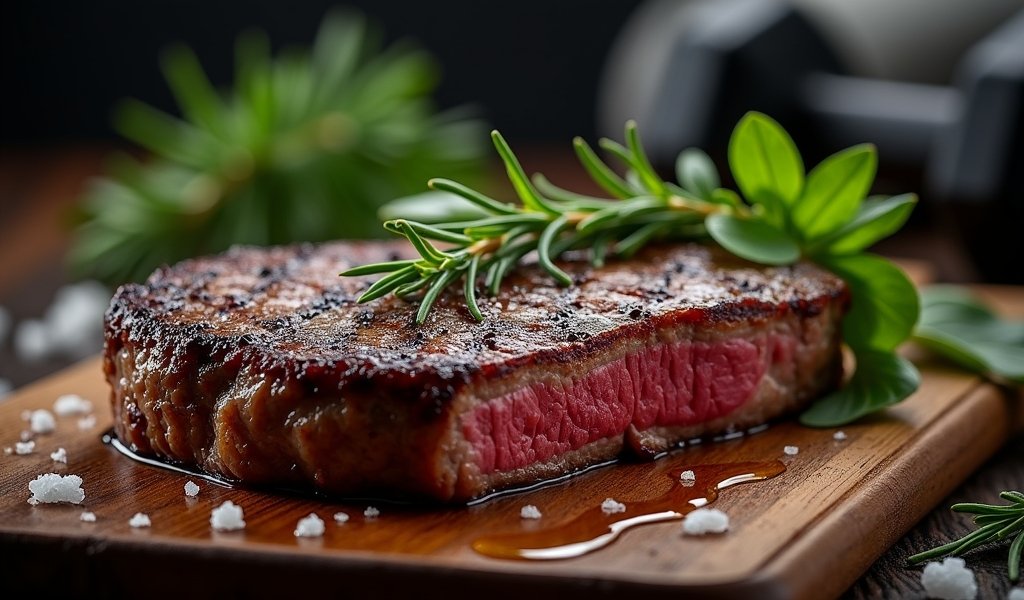
Medium-rare to medium cooking temperatures (130-145°F) generally preserve the most nutrients while ensuring food safety. This temperature range maintains most B vitamins while making the protein more digestible than raw meat. Overcooked meat (well-done) can lead to the formation of potentially harmful compounds and degradation of some nutrients.
Low and slow cooking methods like sous vide preserve more nutrients than high-heat methods and maintain the natural fatty acid profile without oxidation. However, for maximum flavor and nutrient preservation, a combination approach often works best: starting with gentle heat and finishing with a brief high-heat sear.
The searing process creates beneficial compounds through the Maillard reaction – the chemical reaction between amino acids and reducing sugars that gives browned meat its characteristic flavor. Research indicates this reaction can actually increase antioxidant activity in cooked meat.
Resting your steak after cooking is not just about flavor – it allows the redistribution of juices throughout the meat, preventing valuable nutrients from being lost when cutting. A good rule of thumb is to rest your steak for about 5 minutes per inch of thickness.
If using marinades, those containing acidic ingredients like lemon juice or vinegar can help break down tough connective tissue, making nutrients more accessible. However, extended marinating times (beyond 24 hours) may begin to degrade some proteins, so moderation is key.
Incorporating Ribeye Into Your Meal Planning
Integrating ribeye steak into a balanced nutrition plan requires thoughtful consideration of portion size, frequency, and complementary foods. For active individuals focused on body composition, a 6-8 ounce serving of ribeye provides an excellent protein foundation for a meal without excessive calories.
The timing of ribeye consumption can enhance its benefits. Post-workout meals featuring ribeye take advantage of the body’s heightened nutrient partitioning, directing amino acids toward muscle recovery and growth rather than fat storage. For those practicing intermittent fasting, a ribeye-centered meal provides sustained energy and satiety during eating windows.
While ribeye can stand alone nutritionally, pairing it with specific foods can enhance its benefits. Low-oxalate vegetables like asparagus or zucchini provide fiber and additional micronutrients without interfering with mineral absorption. Meanwhile, fermented foods like sauerkraut can aid digestion of the protein and fat.
For sustainable meal planning, consider varying your cuts of beef rather than consuming ribeye daily. Alternating between ribeye, sirloin, and leaner cuts provides nutritional variety while controlling overall fat and calorie intake. According to Harvard Health, moderate consumption of unprocessed red meat (2-3 servings weekly) aligns with overall health recommendations.
Budget-conscious fitness enthusiasts can stretch their ribeye investment by incorporating it into strategic meals. Using smaller portions of ribeye in stir-fries or salads alongside other protein sources provides the flavor and nutritional benefits with greater economy. Purchasing larger cuts and portioning them yourself also typically offers better value than pre-cut steaks.
Potential Considerations and Moderation
While ribeye offers impressive nutritional benefits, balanced consideration of individual health factors remains essential. The higher saturated fat content may warrant moderation for those with specific cardiovascular concerns or genetic predispositions affecting lipid metabolism. However, recent research has challenged many traditional assumptions about saturated fat and heart disease.
The caloric density of ribeye necessitates portion awareness, particularly for those with specific weight management goals. A single large restaurant-sized ribeye can exceed 1,000 calories, potentially challenging calorie targets when combined with other foods. Mindful portioning based on individual energy needs prevents unintentional caloric surplus.
Environmental considerations lead some to question beef consumption. Choosing grass-finished ribeye from regenerative farming operations can align nutritional goals with environmental values. These practices prioritize soil health, carbon sequestration, and animal welfare while producing beef with enhanced nutritional profiles, including higher omega-3 content.
Individual digestive tolerance varies, with some people experiencing easier digestion of beef than others. Those new to higher protein intakes may benefit from gradually increasing portion sizes and ensuring adequate hydration. Digestive enzymes or apple cider vinegar can support digestion for those experiencing heaviness after consuming ribeye.
Finally, cooking methods matter for long-term health. Avoiding charring or burning prevents formation of heterocyclic amines and polycyclic aromatic hydrocarbons – compounds associated with increased cancer risk with regular consumption. Using marinades containing antioxidants like rosemary extract can reduce formation of these compounds during high-heat cooking.
Conclusion: Embracing Ribeye as Part of a Balanced Diet
Ribeye steak stands as a nutritional cornerstone for those seeking to optimize body composition through natural, nutrient-dense foods. Its comprehensive profile of complete protein, bioavailable nutrients, and beneficial fats makes it uniquely positioned to support both fat loss and muscle development simultaneously.
When incorporated mindfully into a varied diet with attention to quality, cooking method, and individual needs, ribeye can enhance physical performance, recovery, and overall nutritional status. The satiety it provides helps naturally regulate appetite, while its nutrient density ensures efficient nutrition per calorie consumed.
Rather than viewing ribeye through the reductionist lens of simply protein or fat, understanding its complete nutritional matrix reveals why this traditional food has nourished healthy populations for generations. Modern nutritional science continues to validate the benefits of whole, unprocessed protein sources like ribeye, especially when sourced from well-raised animals.
The journey toward optimal body composition isn’t about dietary extremes but thoughtful integration of nutritious foods that deliver results sustainably. Ribeye steak, with its balanced combination of metabolism-supporting nutrients, offers precisely this kind of sustainable nutrition – delicious, satisfying, and aligned with our biological needs.
Frequently Asked Questions
Is ribeye steak good for weight loss?
Yes, ribeye steak can support weight loss due to its high protein content that increases satiety and thermic effect of feeding. The stable blood sugar response prevents insulin spikes that drive hunger and fat storage.
How many calories are in an 8oz ribeye steak?
An 8oz (224g) ribeye steak contains approximately 624 calories. This includes about 50g protein and 44g fat, with the exact count varying based on the cut’s marbling.
Is ribeye healthier than chicken breast?
Ribeye provides different nutritional benefits than chicken breast, offering more iron, zinc, B12 and beneficial fats while chicken provides leaner protein. Each serves different nutritional needs rather than one being universally “healthier.”
How often can I eat ribeye steak?
Most health authorities suggest limiting red meat to 2-3 servings per week for general health. Individual factors including activity level, genetic factors, and overall diet quality may influence optimal consumption frequency.
Does cooking ribeye destroy its nutrients?
Moderate cooking (medium-rare to medium) preserves most nutrients while improving digestibility and safety. B-vitamins may decrease slightly with cooking, but protein bioavailability and mineral content remain largely intact.