
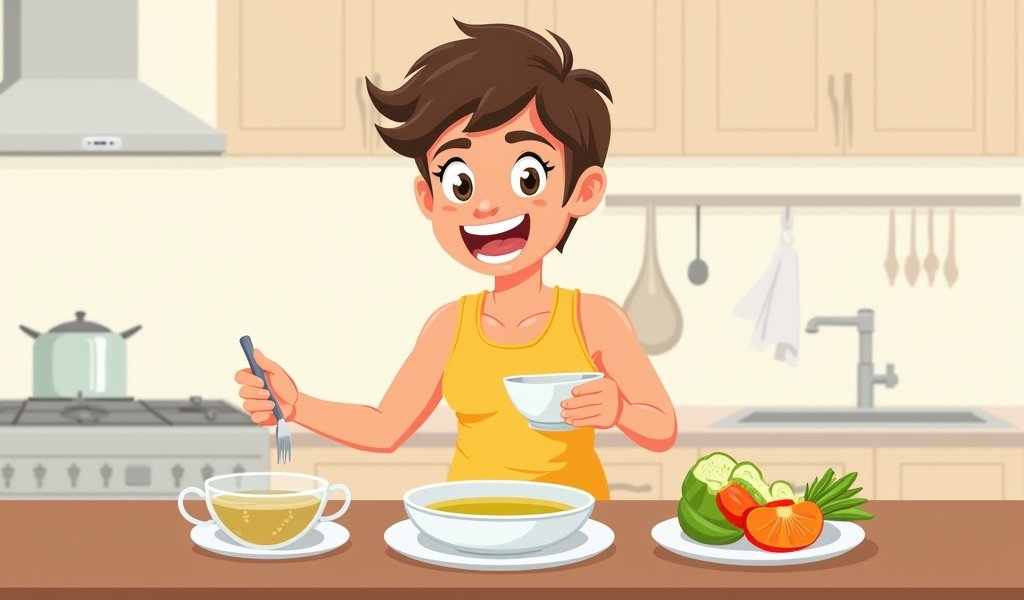
Overview
This article offers seven practical strategies for making colonoscopy prep more bearable, including starting dietary changes early, mastering the low-residue diet, staying hydrated, optimizing clear liquid consumption, making prep solutions more palatable, managing hunger, and planning post-procedure recovery meals. While nobody looks forward to colonoscopy prep, these gastroenterologist-approved tips transform the experience from miserable to manageable—because let’s face it, the only thing worse than drinking prep solution is having to do it all over again when your colon isn’t clean enough the first time.
Table of Contents
- Tip 1: Start Dietary Changes Early
- Tip 2: Master the Low-Residue Diet
- Tip 3: Hydration is Your Best Friend
- Tip 4: Optimize Your Clear Liquid Day
- Tip 5: Prep Solution Strategies That Work
- Tip 6: Managing Hunger During Prep
- Tip 7: Recovery Diet Planning
- Conclusion
- Frequently Asked Questions
Let’s be honest – preparing for a colonoscopy isn’t anyone’s idea of a good time. But this potentially life-saving procedure remains one of our most effective tools for detecting and preventing colorectal cancer. While the examination itself is quick and painless thanks to sedation, the preparation beforehand can feel daunting.
As a gastroenterology specialist who has guided thousands of patients through colonoscopy prep, I’ve seen firsthand how the right dietary approach can transform this experience from miserable to manageable. The colonoscopy diet you follow before your procedure can make all the difference between a successful screening and having to reschedule and do it all over again (trust me, nobody wants that).
These seven proven strategies will help you sail through your colonoscopy prep with minimal discomfort while ensuring your doctor gets the clear view they need to keep you healthy. Ready to make your next colonoscopy prep a smoother experience? Let’s dive in!
Tip 1: Start Dietary Changes Early
The most common mistake I see patients make is treating colonoscopy prep like a one-day event. In reality, it’s more like a gradual runway – and the longer the runway, the smoother the takeoff.
Start modifying your diet 3-5 days before your procedure. This early preparation gives your digestive system time to clear out residue gradually rather than frantically. Think of it as sweeping your house before the professional cleaners arrive – it makes the deep cleaning process much more efficient.
During this early phase, begin reducing your fiber intake by avoiding:
- Whole grains and high-fiber cereals
- Raw vegetables, especially those with skins
- Fruits with skins, seeds, or membranes
- Nuts, seeds, and popcorn
- Beans and lentils
Instead, shift toward easier-to-digest foods like:
- White bread, pasta, and rice
- Eggs and lean proteins
- Well-cooked vegetables (without skins)
- Canned fruits (without seeds)
This gradual approach significantly reduces bloating and discomfort during the actual prep day. It also helps ensure your colon will be thoroughly cleaned – precisely what your doctor needs for accurate results. According to research published in the American Journal of Gastroenterology, patients who begin dietary modifications earlier have significantly cleaner colons during their procedures.
Tip 2: Master the Low-Residue Diet
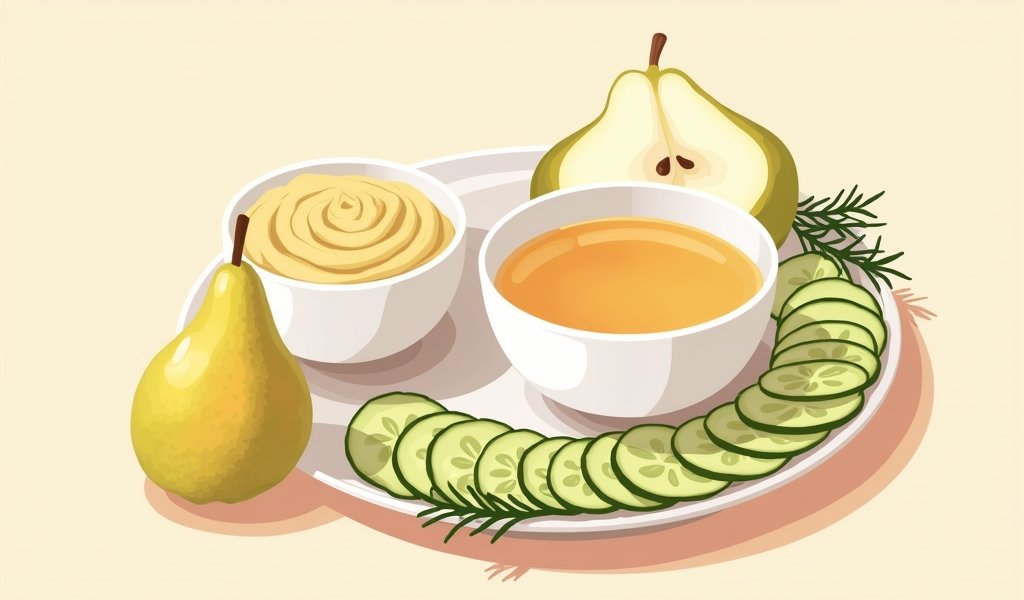
Two days before your procedure, it’s time to implement a low-residue diet fully. But what exactly does that mean? A low-residue diet includes foods that are easy to digest and leave minimal waste in your colon.
Think of your digestive system as a highway that needs clearing. The less traffic (food residue) on the road, the easier the cleanup crew (your prep solution) can work.
Foods to avoid on a low-residue diet:
- High-fiber cereals and breads
- Raw fruits and vegetables
- Dried fruits
- Seeds, nuts, and popcorn
- Tough or fibrous meats
- Fatty, fried, or heavily spiced foods
Foods that are generally safe to eat:
- White bread, pasta, and rice
- Well-cooked vegetables without seeds or skins
- Ripe bananas and canned fruits (no seeds or skins)
- Tender, well-cooked meats, fish, and poultry
- Eggs and smooth nut butters (in moderation)
- Dairy products if well-tolerated (avoid if you’re lactose sensitive)
A sample low-residue meal plan might look like:
- Breakfast: Scrambled eggs, white toast with a little butter, and a cup of coffee
- Lunch: Tuna salad (no celery or onions) on white bread with canned peaches
- Dinner: Baked chicken breast, white rice, and well-cooked carrots
- Snacks: Yogurt without seeds or fruit pieces, cheese slices with crackers
Remember, this diet isn’t about nutrition – it’s temporary preparation for a medical procedure. You’ll be back to your fiber-filled, nutritious diet soon enough! The low-fiber diet approach has been shown to significantly improve bowel preparation quality according to a study in the World Journal of Gastroenterology.
Tip 3: Hydration is Your Best Friend
If there’s one thing I tell every single patient, it’s this: hydration can make or break your colonoscopy prep experience. Dehydration during prep is like trying to clean a dirty dish with too little water – inefficient and uncomfortable.
The bowel preparation medications work by drawing water into your colon, which means your body needs extra fluids to prevent dehydration. Start increasing your fluid intake several days before your prep. Aim for at least 8-10 large glasses daily, but more is better (unless you have medical restrictions on fluid intake).
Beyond plain water, consider these hydration options:
- Clear sports drinks (great for replacing electrolytes)
- Clear broths
- Apple juice, white grape juice, or white cranberry juice
- Tea or coffee without milk (yes, some caffeine is okay)
- Popsicles made from clear juices
One clever trick I recommend to patients: keep a large water bottle with time markers nearby, challenging yourself to drink to each line by the designated time. Your future self will be grateful for every extra sip you take now.
The most common complaint I hear after difficult preps is, “I should have drunk more fluids.” Don’t be that patient! Proper hydration not only makes the prep more effective but also significantly reduces side effects like nausea, headaches, and lightheadedness.
Tip 4: Optimize Your Clear Liquid Day
The day before your colonoscopy is typically restricted to clear liquids only. This doesn’t have to be as bland as it sounds! The key is variety – the same clear broth all day is a recipe for misery.
Clear doesn’t necessarily mean colorless, but rather transparent enough that you could hypothetically read text through it. However, avoid red, purple, or blue liquids as they can be mistaken for blood in the colon or leave residue that obscures the view.
Try these approaches to make clear liquid day more bearable:
- Start the day with a cup of coffee or tea (no milk)
- Rotate between savory broths and sweet juices to satisfy different cravings
- Freeze juices into popsicles for a more substantial-feeling snack
- Try different temperatures – warm broth can be comforting, while iced tea might be refreshing
- Use flavorful broths with herbs (strained) to provide satisfaction
- Sip on ginger ale or clear sodas if you need a change of pace
Space out your consumption to prevent feeling too hungry at any point. Having something every 1-2 hours can help maintain a sense of normalcy.
One patient shared her genius hack with me: she prepares small “meals” of different clear liquids served in proper dishware at regular mealtimes. Breakfast might be apple juice and clear tea, lunch could be chicken broth with lemon juice, and dinner a variety of clear liquids served in nice glasses. The psychological benefit of maintaining meal routines shouldn’t be underestimated!
Remember, medical research from the American Society for Gastrointestinal Endoscopy confirms that proper clear liquid diet adherence significantly improves colonoscopy results.
Tip 5: Prep Solution Strategies That Work
Ah, the prep solution – often the most dreaded part of the entire process. These solutions work wonders for cleaning your colon, but they’re not exactly competing for any taste awards. Here’s how to make the experience more tolerable:
- Chill it thoroughly – cold prep solution is generally more palatable than room temperature
- Use a straw placed far back on your tongue to bypass some taste buds
- Have a clear “chaser” ready, such as apple juice, ginger ale, or lemon water
- Consider flavor packets if approved by your doctor (some prep kits include them)
- Practice the “gulp and go” method – take quick drinks rather than sipping slowly
- Hold your nose while drinking to reduce taste perception
- Suck on a lemon slice or hard candy between doses (clear colors only)
Many of my patients find that splitting the prep between evening and morning (the “split-dose” method) makes the process much more manageable. Studies show split-dosing not only improves patient experience but also leads to better colon cleansing. Be sure to discuss this option with your doctor.
Remember, it’s not about enjoyment – it’s about efficiency. Think of it as a means to an end, and focus on the importance of the procedure rather than the temporary unpleasantness of the preparation. Your clean colon (and potentially life-saving procedure) is the goal!
Tip 6: Managing Hunger During Prep
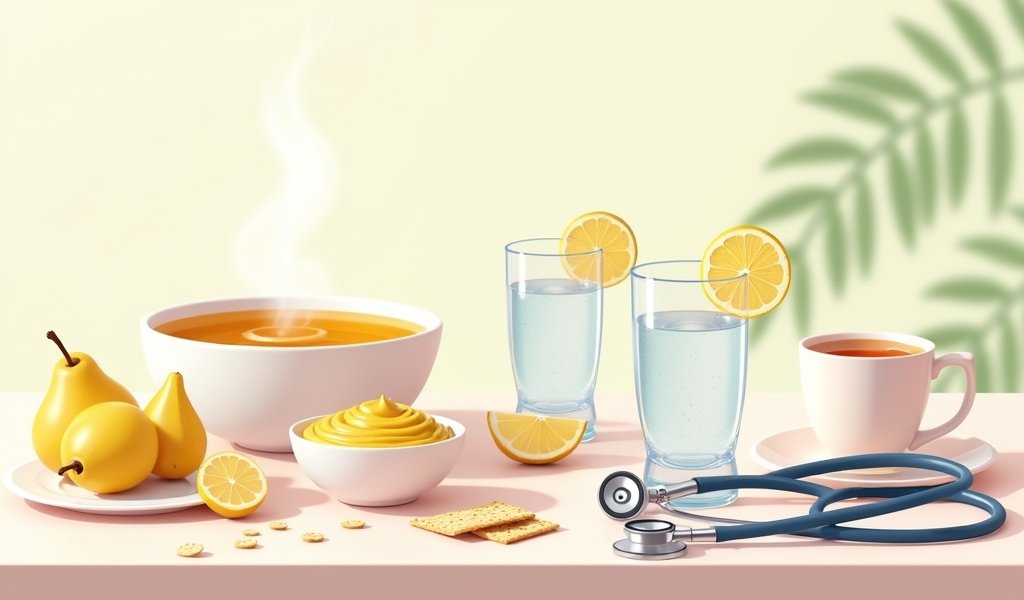
Let’s be honest – hunger happens during prep. Your stomach doesn’t immediately get the memo that you’re on a medical mission. Managing these hunger pangs requires both physical and psychological strategies.
Try these approaches to handle hunger:
- Stay busy with activities that don’t revolve around food (avoid cooking shows!)
- Choose clear liquids with some calories (juice, broth) over water when hunger strikes
- Consume warm liquids, which often feel more satisfying than cold ones
- Use hard candies (clear ones like lemon drops) to combat hunger pangs
- Time your clear liquids like regular meals to maintain routine
- Remind yourself this is temporary – visualize the post-procedure meal you’ll enjoy
One patient told me she schedules her prep day for a busy workday from home, using meetings and tasks to distract from hunger. Another found that playing video games kept both his hands and mind occupied. Finding your personal distraction technique can make all the difference.
If hunger becomes overwhelming, try this psychological trick from the Harvard Medical School: take several small sips of clear broth or juice, wait 15-20 minutes, and then reassess your hunger. Often, the physical sensation subsides enough to be manageable again.
Remember, hunger won’t harm you during this short period, and keeping your eye on the prize – a successful, potentially life-saving procedure – can help put temporary discomfort in perspective.
Tip 7: Recovery Diet Planning
Once your colonoscopy is complete, you’ll likely be ready to eat everything in sight! But your digestive system needs a gradual return to normalcy.
Start with light, easy-to-digest foods such as:
- Scrambled eggs
- Toast or crackers
- Well-cooked, plain pasta
- Broth-based soups
- Yogurt (if you tolerate dairy)
- Baked chicken or fish
Avoid these foods initially:
- Spicy dishes
- Fatty, fried foods
- Heavy dairy products
- Raw vegetables
- High-fiber foods
- Alcohol
Most people can return to their normal diet within 24-48 hours. However, the prep process can temporarily disrupt your gut microbiome. Consider incorporating probiotic-rich foods like yogurt, kefir, or fermented vegetables to help restore healthy gut bacteria.
Planning your post-procedure meal beforehand can be a wonderful motivator during prep. One patient told me he prepares a special “recovery meal” that sits in his refrigerator, ready for his return – a tasty but gentle reward for completing the procedure.
Whatever you choose, eat slowly and stop when you begin to feel full. Your stomach may have shrunk slightly during the prep process, and overindulging immediately afterward can cause discomfort.
Conclusion
A successful colonoscopy prep isn’t just about getting through it—it’s about ensuring your doctor can thoroughly examine your colon. Think of it as clearing the fog from a window; the cleaner the window, the better the view.
By following these seven proven tips – starting dietary changes early, mastering low-residue eating, prioritizing hydration, optimizing clear liquids, employing prep solution strategies, managing hunger effectively, and planning your recovery diet – you’ve given yourself the best chance for a smooth experience and accurate results.
Remember that colonoscopies save lives by detecting issues before they become serious problems. The 24-48 hours of preparation discomfort pales in comparison to this procedure’s potential benefits. Your future self will thank you for taking these steps today.
Ready to schedule your colonoscopy? Talk to your doctor about these preparation strategies, and remember: with the right approach, you can turn this necessary medical procedure into a manageable experience. Your colon health is worth it!
Have you found any creative ways to make colonoscopy prep more bearable? Share your experiences in the comments below to help others in our community!
Frequently Asked Questions
Can I drink coffee during colonoscopy prep?
Yes, you can drink black coffee (no milk or creamer) during the clear liquid stage of prep. The caffeine can actually help stimulate bowel movements, but be mindful that coffee can be dehydrating, so balance it with plenty of water.
What happens if I accidentally eat something I shouldn’t during prep?
Contact your doctor immediately if you consume solid food or non-clear liquids during the final prep stage. They may need to reschedule your procedure or modify your prep instructions to ensure proper cleaning.
Can I take my regular medications during colonoscopy prep?
Most medications can be taken with a small sip of water, but some may need to be temporarily paused. Always discuss your medications with your doctor before beginning prep, especially blood thinners, iron supplements, and diabetes medications.
How do I know if my bowel prep is complete?
Your stool should be clear to yellow liquid with no solid matter. It should look similar to the clear liquids you’ve been drinking, often described as the clarity of urine or light-colored apple juice.
Will a colonoscopy prep affect my birth control pill?
The active purging during colonoscopy prep can potentially reduce the effectiveness of oral contraceptives. Continue taking your pills as scheduled, but use a backup method of contraception until your next menstrual cycle begins.