

Overview
Ribeye steak offers significant nutritional benefits for fitness enthusiasts, containing high-quality protein for muscle growth, healthy fats that support hormone production, and essential micronutrients that enhance metabolism. Contrary to popular belief, ribeye can support weight loss through its exceptional satiety factor, thermic effect, and zero-carb nature, making it a valuable addition to a balanced diet when properly portioned and prepared.
Table of Contents
- Understanding Ribeye Nutrition: More Than Just a Delicious Cut
- The Protein Powerhouse: How Ribeye Fuels Muscle Growth
- The Surprising Truth About Ribeye’s Healthy Fats
- Vitamin and Mineral Content: Micronutrients That Make a Macro Difference
- Ribeye and Weight Loss: An Unlikely but Effective Partnership
- How to Include Ribeye in Your Healthy Diet Plan
- Conclusion
- Frequently Asked Questions
Understanding Ribeye Nutrition: More Than Just a Delicious Cut
When it comes to ribeye nutrition, most people think they’ve got it figured out: delicious? Absolutely. Healthy? Not so much. But what if I told you that juicy, marbled steak on your plate might actually help you reach your fitness goals?
For decades, ribeye steak has been cast as the villain in our nutritional narrative – too fatty, too calorie-dense, something to be enjoyed only on “cheat days.” This culinary scarlet letter has kept many fitness enthusiasts from incorporating this nutrient-rich cut into their regular meal plans.
Today, we’re cutting through the fat, so to speak, to reveal the surprising truth: a properly portioned ribeye can be a powerful ally in both building muscle and burning fat. Think of it as the misunderstood superhero of the protein world – powerful, complex, and waiting to be appreciated for its true potential.
The average 8-ounce ribeye contains approximately 600 calories, 54 grams of complete protein, and a spectrum of essential nutrients that are difficult to find in such abundance elsewhere. While the calorie content might seem high at first glance, the metabolic advantages offered by this nutritional profile tell a different story.
As we dive into the five proven benefits of ribeye nutrition for muscle growth and fat loss, prepare to reconsider everything you thought you knew about this magnificent cut of beef. Your taste buds and your muscles might just become the best of friends.
The Protein Powerhouse: How Ribeye Fuels Muscle Growth
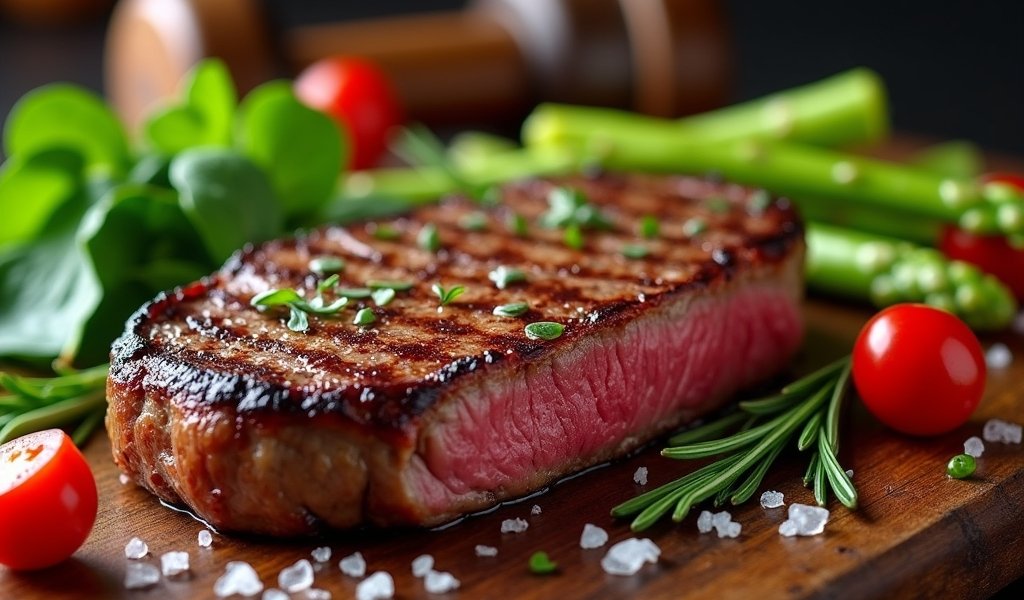
If muscles could talk, they’d probably request a ribeye steak after a tough workout. Why? Because the protein quality in ribeye is nothing short of exceptional. An 8-ounce serving delivers around 54 grams of complete protein containing all nine essential amino acids your body cannot produce on its own.
The star of the show is leucine, the amino acid that acts as the primary trigger for muscle protein synthesis. Think of leucine as the foreman on your muscle-building construction site – without enough of it, the work simply doesn’t get started. A single ribeye serving provides approximately 5 grams of leucine, far exceeding the 2.5-gram threshold needed to maximize muscle growth signals.
But the muscle-building benefits extend beyond just the protein content. Ribeye contains natural creatine, providing roughly 2-3 grams per serving. If you’re familiar with the supplement aisle, you know that creatine is one of the most researched and effective supplements for increasing strength, power, and muscle mass.
The combination of complete protein, abundant leucine, and natural creatine creates a perfect storm for muscle recovery and growth. It’s like getting your protein supplement and creatine in one delicious, whole-food package.
What makes ribeye particularly effective for muscle building is that its nutrients exist in a natural matrix that our bodies have evolved to process efficiently. The bioavailability of animal proteins generally exceeds that of plant proteins, meaning more of those amino acids actually make it to your muscles where they’re needed most.
How Ribeye Supports Protein Synthesis
- Provides all essential amino acids in optimal ratios
- Contains abundant leucine (5g per 8oz serving) to trigger muscle growth
- Delivers natural creatine for improved strength and recovery
- Offers highly bioavailable nutrients that your body can efficiently use
This remarkable protein profile doesn’t just help build muscle – it also contributes to the preservation of lean mass during weight loss phases. When you’re in a calorie deficit, quality protein becomes even more important to prevent your body from breaking down muscle tissue for energy. Like a protective shield, ribeye’s protein content helps maintain your hard-earned muscle while your body taps into fat stores instead.
The Surprising Truth About Ribeye’s Healthy Fats
Let’s address the marbled elephant in the room: the fat content in ribeye steak. For years, nutritional dogma painted all saturated fats with the same broad, condemning brush. But modern nutritional science tells a more nuanced story – one where the type of fat and the whole food matrix matter tremendously.
Would you believe that nearly 50% of ribeye’s fat is actually monounsaturated – the same heart-healthy fat celebrated in olive oil? It’s true. An additional 3-5% comes from omega-3 fatty acids, especially in grass-fed varieties, which help reduce inflammation and support overall health.
The saturated fat in ribeye deserves special attention, particularly stearic acid, which makes up about 30% of ribeye’s fat content. Unlike other saturated fats, research suggests stearic acid has a neutral effect on blood cholesterol levels and may even support fat metabolism. It’s like finding out that not all members of a maligned family are troublemakers – some might actually be upstanding citizens.
Perhaps most interesting for fitness enthusiasts is the role these fats play in hormone production. Dietary fat, particularly saturated fat, provides the raw materials your body needs to produce testosterone – a critical hormone for both men and women that drives muscle growth and fat loss.
Studies have shown that very low-fat diets can reduce testosterone levels by up to 12%, potentially undermining your efforts in the gym. By providing adequate dietary fat in a whole food package, ribeye helps maintain optimal hormone levels that support your fitness goals.
The conjugated linoleic acid (CLA) naturally found in beef, particularly grass-fed varieties, has been shown in some studies to support fat loss while preserving muscle mass. While supplement forms often disappoint in research, the natural CLA in whole foods like ribeye appears to function differently in the body.
Beneficial Fat Composition in Ribeye
- 50% monounsaturated fats (similar to olive oil)
- 30% stearic acid (a unique saturated fat with neutral or beneficial effects)
- 3-5% omega-3 fatty acids (higher in grass-fed beef)
- Natural CLA that may support fat loss and muscle preservation
This complex fat profile, when consumed as part of a balanced diet, contributes to hormone optimization, satiety, and even fat-burning potential. The old paradigm of avoiding fat to lose fat has been thoroughly debunked, replaced with a more sophisticated understanding of how different dietary fats affect our metabolism and body composition.
Vitamin and Mineral Content: Micronutrients That Make a Macro Difference
If ribeye were a multivitamin, it would be the premium, broad-spectrum kind that costs a small fortune. This nutritional powerhouse delivers an impressive array of vitamins and minerals that play crucial roles in metabolism, energy production, and overall health – all of which directly impact your ability to build muscle and burn fat.
Let’s start with the B-vitamin complex abundantly found in ribeye. These vitamins serve as essential cofactors in energy metabolism – basically, they help turn the food you eat into usable energy for your workouts and daily activities. Vitamin B12, in particular, deserves special mention, as it’s found almost exclusively in animal products and plays a vital role in red blood cell formation, neurological function, and DNA synthesis.
Iron deficiency remains the most common nutritional deficiency worldwide, even in developed countries, and can significantly impact exercise performance and recovery. Ribeye provides heme iron, the most bioavailable form that your body can easily absorb and utilize. Unlike plant sources that provide non-heme iron with absorption rates as low as 2-5%, the heme iron in ribeye boasts absorption rates of 15-35%.
The zinc content in ribeye – approximately 7mg per 8-ounce serving – supports protein synthesis, immune function, and testosterone production. If you’re falling short on zinc (as many Americans do), your body’s ability to recover from workouts and build new muscle tissue may be compromised.
Perhaps most impressive is ribeye’s contribution to thyroid health through selenium, zinc, and other minerals. Your thyroid gland controls your metabolic rate – essentially how many calories you burn at rest – and requires these nutrients to produce and activate thyroid hormones. By supporting healthy thyroid function, ribeye may help maintain an optimal metabolic rate for fat loss.
Key Micronutrients in Ribeye and Their Benefits
- B Vitamins: Energy production, red blood cell formation, nerve function
- Iron (Heme): Oxygen transport, exercise performance, prevention of fatigue
- Zinc: Protein synthesis, immune function, hormone production
- Selenium: Thyroid function, antioxidant protection, immune support
- Phosphorus: Bone health, ATP (energy) production, cell membrane structure
These micronutrients work synergistically, creating a nutritional environment that supports both muscle recovery and fat metabolism. While you could certainly piece together these nutrients from various sources, ribeye provides them in a convenient, delicious package with naturally occurring cofactors that enhance absorption and utilization.
According to research published in the journal Medicine & Science in Sports & Exercise, micronutrient status significantly impacts exercise performance and recovery. By addressing potential nutritional gaps with nutrient-dense foods like ribeye, you create a foundation for optimal physical performance and body composition.
Ribeye and Weight Loss: An Unlikely but Effective Partnership
When most people think about weight loss foods, steak rarely makes the list. But what if I told you that ribeye might be one of your most powerful allies in the battle against body fat? It sounds counterintuitive, I know – like finding out that Darth Vader was actually fighting for the good guys all along.
The magic begins with ribeye’s exceptional satiety factor. Protein is the most filling macronutrient, and the combination of protein and fat in ribeye creates a meal that keeps hunger at bay for hours. In a world where hunger often derails even the most determined dieter, this satiety advantage shouldn’t be underestimated.
Research from the American Journal of Clinical Nutrition has shown that high-protein meals reduce subsequent calorie intake throughout the day. In practical terms, this means that having ribeye for lunch might naturally lead you to eat less at dinner – creating calorie reduction without the feeling of restriction that dooms many diets.
Ribeye’s zero-carb nature makes it an ideal centerpiece for ketogenic and low-carb dietary approaches. By providing substantial protein without any carbohydrates, ribeye helps maintain stable blood sugar levels, preventing the insulin spikes that can promote fat storage. For those utilizing ketogenic diets, ribeye’s fat content provides fuel for ketone production while its protein preserves muscle mass.
The thermic effect of protein (TEF) represents another weight loss advantage. Your body burns calories just to digest and process nutrients, but protein has the highest thermic effect – requiring about 20-30% of its calories just for processing. This means that a 400-calorie portion of protein from ribeye might only “cost” you 280-320 net calories after digestion, creating a metabolic advantage.
How Ribeye Supports Fat Loss
- Creates exceptional satiety, reducing overall calorie intake
- Provides zero carbohydrates, supporting ketogenic and low-carb approaches
- Offers a high thermic effect, burning calories through digestion
- Maintains muscle mass during caloric restriction
- Supports optimal hormone levels for fat metabolism
Perhaps most importantly, ribeye allows you to enjoy a delicious, satisfying meal while pursuing your weight loss goals. The psychological component of sustainable weight loss is often overlooked, but feeling deprived is a recipe for eventual rebound. Ribeye offers a delicious dietary option that feels indulgent while actually supporting your physiological fat loss mechanisms.
Is it magic? No, it’s just good nutritional science finally catching up to what our taste buds have known all along: sometimes the foods we love can actually love us back.
How to Include Ribeye in Your Healthy Diet Plan
Now that we’ve debunked the ribeye myths and revealed its muscle-building, fat-burning potential, let’s talk practical application. How can you incorporate this nutritional powerhouse into your diet without overindulging or breaking the bank?
First, portion control matters. A 6-8 ounce serving of ribeye provides ample protein and nutrients without excessive calories. For most active individuals, this portion size delivers roughly 40-54 grams of protein – near optimal for muscle protein synthesis in a single meal. Think of it as the Goldilocks zone – not too little, not too much, but just right for your body’s needs.
Frequency is another consideration. For most people, including ribeye 1-3 times weekly provides an excellent balance of nutritional benefits while allowing for dietary variety. This approach lets you reap the unique benefits of ribeye while still incorporating other protein sources like fish, poultry, and plant proteins for a well-rounded nutritional profile.
Cooking methods significantly impact both the nutritional value and potential health concerns associated with red meat. Aim for medium-rare to medium temperatures (130-145°F) to preserve nutrients while minimizing the formation of potentially harmful compounds associated with very high-heat cooking. Consider methods like reverse searing, sous vide with a quick finish, or even slow roasting to bring out the best in your ribeye.
Smart Pairings to Maximize Benefits
What you serve alongside your ribeye can amplify its health benefits or potentially detract from them. Consider these strategic pairings:
- Non-starchy vegetables: The antioxidants in vegetables like asparagus, broccoli, or spinach help neutralize any potential oxidative effects from cooking meat at high temperatures
- Fermented foods: Kimchi, sauerkraut, or yogurt provide probiotics that may help optimize digestion and nutrient absorption
- Herbs and spices: Rosemary, garlic, and turmeric add not just flavor but potent anti-inflammatory compounds
- Slow-digesting carbs (if not keto): Sweet potatoes or quinoa can provide sustained energy for intense training without dramatic blood sugar spikes
Quality matters too. When budget allows, opt for grass-fed ribeye, which typically offers a superior nutrient profile with higher omega-3 content, more antioxidants like glutathione and superoxide dismutase, and higher levels of vitamins A and E. The environmental impact is also reduced with properly managed grass-fed operations.
For cost-conscious fitness enthusiasts, consider buying in bulk when sales occur or exploring local meat shares or butchers who may offer better pricing than conventional grocery stores. Properly stored (vacuum-sealed and frozen), ribeye maintains its nutritional integrity for months, allowing you to stock up when prices are favorable.
Remember that context matters – ribeye can be part of many different successful dietary approaches, from ketogenic to Mediterranean to balanced omnivore. The key is integrating it thoughtfully into your overall nutritional strategy, considering your specific goals, preferences, and lifestyle.
Conclusion
The ribeye steak represents a fascinating intersection of culinary pleasure and nutritional science. Far from being a dietary villain, this magnificent cut offers a unique constellation of nutrients that can actively support your muscle-building and fat loss goals when incorporated wisely.
We’ve explored how ribeye’s complete protein profile with abundant leucine and natural creatine creates an optimal environment for muscle growth and recovery. We’ve demystified its fat content, revealing how the monounsaturated fats, stearic acid, and natural CLA can actually support metabolic health and hormone optimization. We’ve detailed the impressive micronutrient density that fuels everything from energy production to thyroid function. And finally, we’ve seen how ribeye’s satiating properties and thermogenic advantages can support weight loss efforts.
The story of ribeye nutrition perfectly illustrates how nutritional science continues to evolve, moving away from simplistic “good food/bad food” categorizations toward a more nuanced understanding of how whole foods affect our bodies in complex, interconnected ways.
As with any nutritional strategy, balance and context remain essential. Ribeye isn’t a miracle food, but it is a nutrient-dense option that deserves reconsideration from health-conscious individuals who may have unnecessarily restricted it based on outdated information.
Perhaps the most beautiful aspect of including ribeye in your health and fitness journey is that it aligns biological optimization with pleasure – proving once again that sustainable approaches to nutrition don’t require endless sacrifice. Sometimes, the most delicious option at the table might also be one of the most beneficial for your body composition goals.
Next time you’re planning your meals for the week, consider giving ribeye a place at the table. Your taste buds – and your muscles – will thank you.
Frequently Asked Questions
Is ribeye too fatty for a healthy diet?
No, ribeye can be part of a healthy diet when properly portioned. About 50% of its fat is monounsaturated (the same as in olive oil), and its fat content supports hormone production and satiety.
How much protein is in an 8-ounce ribeye steak?
An 8-ounce ribeye provides approximately 54 grams of complete protein. This includes all essential amino acids in optimal ratios for muscle synthesis.
Can eating ribeye help me lose weight?
Yes, ribeye can support weight loss through its high protein content that increases satiety and metabolic rate. It’s particularly effective in low-carb dietary approaches that focus on protein and fat for fuel.
Is grass-fed ribeye worth the extra cost?
Grass-fed ribeye typically contains more omega-3 fatty acids, CLA, and antioxidants than grain-fed options. The nutritional advantage may justify the cost for some, but conventional ribeye still offers most of the core benefits.
How often can I include ribeye in my diet?
For most active individuals, consuming ribeye 1-3 times weekly provides optimal nutritional benefits while allowing dietary variety. This frequency supports muscle growth and recovery while maintaining a balanced nutritional approach.