

Overview
Bean sprouts are nutritional powerhouses offering seven key fitness benefits: they support weight management due to low calories and high fiber, enhance muscle recovery through bioavailable proteins and antioxidants, improve digestive health, boost immune function, promote heart health, increase energy levels, and easily integrate into various meals. Their impressive profile includes essential vitamins, minerals, and fiber while remaining affordable, making them an accessible superfood for athletes and health-conscious individuals.
Table of Contents
- Introduction to Bean Sprouts
- Nutritional Profile of Bean Sprouts
- Bean Sprouts for Weight Management
- Enhanced Muscle Recovery and Growth
- Digestive Health Benefits
- Immune System Support
- Heart Health Advantages
- Improved Energy Levels
- Incorporating Bean Sprouts Into Your Diet
- Conclusion
- Frequently Asked Questions
Introduction to Bean Sprouts
Bean sprouts have been cultivated for thousands of years as a nutritional powerhouse across many cultures, particularly in Asia. These tiny, crunchy vegetables are simply germinated beans, most commonly mung beans or soybean varieties. The bean sprouts nutrition profile is remarkably impressive for such a humble food. As a clinical nutritionist working with athletes and fitness enthusiasts, I’ve seen firsthand how incorporating these sprouted gems into a balanced diet can transform energy levels and support fitness goals.
What makes bean sprouts particularly fascinating is the biological transformation that occurs during germination. During this process, the nutritional profile dramatically changes – proteins become more bioavailable, certain anti-nutrients decrease, and vitamin content increases significantly. This makes bean sprouts nutrition particularly relevant for those looking to optimize their diet for athletic performance and recovery.
The beauty of bean sprouts lies in their versatility and accessibility. They’re incredibly easy to grow at home with minimal equipment, making them an economical addition to any fitness-focused diet. Whether you’re a competitive athlete or simply someone looking to enhance your overall health, understanding the full spectrum of bean sprouts nutrition benefits can help you make informed dietary choices to support your wellness journey.
Nutritional Profile of Bean Sprouts
Bean sprouts nutrition is characterized by an impressive array of nutrients packed into a low-calorie package. A one-cup serving of raw mung bean sprouts contains just 31 calories, making them an ideal food for those monitoring their caloric intake. Despite being low in calories, they’re surprisingly filling due to their high water and fiber content, addressing both hydration and satiety needs.
Protein content is another standout feature of bean sprouts nutrition. They provide approximately 3 grams of protein per cup, which is notable for a vegetable source. The sprouting process improves protein digestibility by breaking down complex proteins into simpler amino acids, making bean sprouts an excellent protein supplement for vegetarians and vegans seeking to optimize their breakfast protein intake.
Micronutrient density truly sets bean sprouts apart in the nutrition landscape. They contain significant amounts of vitamin C (providing about 14% of your daily value per cup), which is crucial for immune function and collagen synthesis – both essential for active individuals. The folate content is particularly impressive, with one cup offering about 16% of the daily recommended intake, supporting red blood cell formation and DNA synthesis.
The mineral profile of bean sprouts includes potassium, iron, and magnesium – electrolytes and minerals that play vital roles in muscle function, oxygen transport, and energy production. This makes bean sprouts nutrition particularly valuable for endurance athletes who need to replenish these nutrients after intense training sessions. According to research published in the Journal of Clinical Biochemistry and Nutrition, the bioavailability of these minerals is enhanced through the sprouting process.
Bean sprouts also contain various antioxidants that help combat exercise-induced oxidative stress. These include vitamin E, which protects cell membranes, and phytochemicals that have been linked to reduced inflammation. For athletes pushing their bodies to the limit, these antioxidants can help mitigate some of the cellular damage that occurs during intense physical activity, potentially improving recovery times.
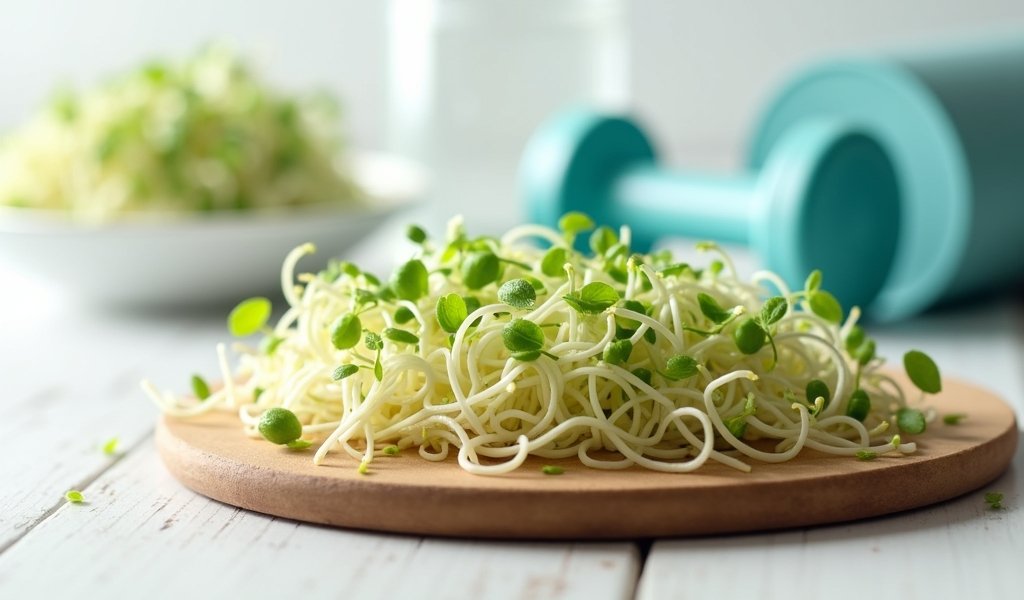
Bean Sprouts for Weight Management
Bean sprouts nutrition offers compelling benefits for weight management strategies, making them an excellent addition to a calorie-conscious diet. With their remarkably low caloric density – just 31 calories per cup – bean sprouts allow you to consume satisfying portions without significantly impacting your daily calorie budget. This volume-to-calorie ratio makes them particularly valuable for individuals struggling with portion control or those who enjoy larger meals.
The fiber content in bean sprouts plays a crucial role in their weight management benefits. Each cup provides approximately 1.8 grams of fiber, which slows digestion and promotes a sustained feeling of fullness. This can naturally reduce overall calorie consumption throughout the day by decreasing the frequency and intensity of hunger signals. Clinical studies have consistently demonstrated that high-fiber foods like bean sprouts can significantly improve adherence to calorie-restricted diets by enhancing satiety.
Bean sprouts also have a remarkably low glycemic index, meaning they have minimal impact on blood sugar levels. This steady blood sugar response helps prevent the energy crashes and subsequent hunger that often follow consuming high-glycemic foods. By incorporating bean sprouts into meals, you can maintain more stable energy levels throughout the day, potentially reducing the likelihood of reaching for calorie-dense snacks when energy dips.
Water content is another often-overlooked aspect of bean sprouts nutrition that supports weight management. Bean sprouts are approximately 90% water, contributing to overall hydration while adding volume to meals. Research from the Department of Human Nutrition at Virginia Tech has shown that consuming water-rich foods before or during meals can significantly reduce calorie intake while maintaining satisfaction levels.
The metabolic benefits of bean sprouts extend beyond their basic nutritional components. Some preliminary research suggests that certain compounds in sprouted beans may help modulate fat metabolism. While more studies are needed to confirm these effects in humans, the combination of their established nutritional properties already makes bean sprouts an excellent choice for anyone managing their weight through diet.
Enhanced Muscle Recovery and Growth
Bean sprouts nutrition offers specific advantages for muscle recovery and growth that many fitness enthusiasts overlook. While they may not contain the high protein levels found in animal products, bean sprouts provide a unique amino acid profile that complements muscle repair processes. The sprouting process increases the bioavailability of these amino acids, making them more readily usable by the body for tissue repair following exercise-induced microtrauma.
The vitamin C content in bean sprouts plays a crucial role in muscle recovery by supporting collagen synthesis. Collagen is essential for maintaining the structural integrity of connective tissues, including tendons and ligaments that undergo stress during exercise. Regular consumption of vitamin C-rich foods like bean sprouts helps ensure these tissues can withstand training loads and recover efficiently between sessions. This is particularly important for individuals engaging in high-impact activities or resistance training.
Bean sprouts also contain significant levels of antioxidants that help combat the oxidative stress generated during intensive exercise. Physical exertion naturally produces free radicals that can damage muscle cells and delay recovery. The antioxidants present in bean sprouts help neutralize these free radicals, potentially reducing muscle soreness and accelerating recovery times. This makes bean sprouts an excellent addition to post-workout nutrition strategies.
The mineral content of bean sprouts, particularly magnesium and potassium, supports optimal muscle function. Magnesium is involved in over 300 enzymatic reactions in the body, many of which relate to muscle contraction and protein synthesis. Potassium helps maintain proper fluid balance within muscle cells and facilitates nerve signals that control muscle contractions. Ensuring adequate intake of these minerals through foods like bean sprouts can help prevent muscle cramps and optimize training performance.
For plant-based athletes concerned about meeting their protein needs, bean sprouts can be a valuable complementary protein source. When combined with other plant proteins throughout the day, they contribute to meeting total protein requirements while providing additional micronutrients that many isolated protein supplements lack. This whole-food approach to supporting muscle growth aligns with contemporary sports nutrition research emphasizing the importance of nutrient synergy rather than isolated macronutrients.
Digestive Health Benefits
The digestive benefits of bean sprouts nutrition stem largely from their transformed composition during sprouting. The germination process initiates enzymatic activity that pre-digests complex carbohydrates and proteins, making bean sprouts significantly more digestible than their unsprouted counterparts. This natural “pre-digestion” can reduce bloating and gas that some people experience with mature legumes, making bean sprouts an excellent option for those with sensitive digestive systems.
Fiber content in bean sprouts supports digestive health through multiple mechanisms. The combination of soluble and insoluble fiber helps regulate bowel movements and feeds beneficial gut bacteria. These bacteria produce short-chain fatty acids that nourish the cells lining the colon and help maintain gut barrier integrity. Regular consumption of fibrous foods like bean sprouts has been linked to reduced risk of digestive disorders including diverticulitis and irritable bowel syndrome, according to Harvard T.H. Chan School of Public Health.
Bean sprouts contain natural enzymes that aid in digestion, particularly amylase and lipase, which help break down carbohydrates and fats respectively. These enzymes complement the body’s own digestive enzymes, potentially improving overall nutrient absorption. For athletes and active individuals who need to maximize nutritional intake to support performance and recovery, this enhanced digestibility is particularly beneficial.
The prebiotic qualities of bean sprouts deserve special attention in any discussion of bean sprouts nutrition. Certain fibers in sprouts act as prebiotics, nourishing the beneficial bacteria in our gut microbiome. A healthy, diverse microbiome has been increasingly linked to improved immune function, enhanced mood, and even better athletic performance. By including bean sprouts in your diet regularly, you’re essentially feeding the beneficial bacteria that support these various aspects of health.
Water content in bean sprouts also supports digestive health by helping to prevent constipation and maintain proper hydration of the digestive tract. Proper hydration is essential for the mucosal lining of the intestines to function optimally. Combined with their fiber content, the high water content of bean sprouts makes them an excellent food for promoting regularity and preventing digestive discomfort during periods of intense training when dehydration can be a concern.
Immune System Support
Bean sprouts nutrition offers remarkable immune-supportive properties that are particularly valuable for athletes and active individuals. The immune system often experiences additional stress during periods of intense training, making nutrient-dense foods like bean sprouts especially important. The vitamin C content in bean sprouts – approximately 14% of the daily value per cup – directly supports immune function by enhancing the production and activity of white blood cells, our body’s primary defense against pathogens.
Bean sprouts contain an array of antioxidants that help combat oxidative stress, which can weaken immune function. These include vitamin E, various polyphenols, and flavonoids that neutralize free radicals and reduce inflammation. For athletes who regularly experience exercise-induced oxidative stress, this antioxidant protection can help maintain immune competence even during challenging training blocks. Regular consumption of antioxidant-rich foods like bean sprouts may help reduce the incidence of upper respiratory tract infections, which are more common during periods of intense training.
The zinc content in bean sprouts, though modest, contributes to immune function through multiple pathways. Zinc is essential for the development and function of immune cells and plays a role in inflammatory response. Even mild zinc deficiency can impair immune function, making regular consumption of zinc-containing foods like bean sprouts valuable for maintaining optimal immune health. For vegetarians and vegans who may have limited zinc sources in their diet, bean sprouts offer a bioavailable plant source of this critical mineral.
Bean sprouts nutrition also includes B vitamins, particularly folate, which play supporting roles in immune function. Folate is necessary for proper cell division, including the proliferation of immune cells in response to infection. Adequate folate status ensures that the immune system can mount an appropriate response when challenged by pathogens. The sprouting process increases the bioavailability of these B vitamins, making them more accessible for absorption and utilization.
The gut health benefits of bean sprouts indirectly support immune function through the gut-immune axis. Approximately 70% of the immune system resides in the gut, and the prebiotic fibers in bean sprouts help maintain a healthy gut microbiome. This balanced microbiome communicates with immune cells, helping to regulate immune responses and reduce inappropriate inflammation. For athletes looking to support both performance and health, this gut-immune connection makes bean sprouts a particularly valuable addition to the diet.
Heart Health Advantages
Bean sprouts nutrition offers several cardiovascular benefits that are particularly relevant for those engaged in regular physical activity. Their heart-healthy profile begins with their extremely low fat content – less than 0.2 grams per cup – making them an excellent choice for those monitoring their fat intake. What little fat they do contain is predominantly unsaturated, the type associated with improved blood lipid profiles and reduced cardiovascular risk.
The potassium content in bean sprouts deserves special attention for its role in heart health. Potassium helps counterbalance sodium’s effects on blood pressure, potentially reducing hypertension risk. For athletes who may consume higher sodium levels through sports drinks and processed recovery foods, the natural potassium in bean sprouts helps maintain this critical electrolyte balance. Research has consistently demonstrated that diets rich in potassium-containing foods are associated with lower blood pressure and reduced stroke risk.
Bean sprouts contain compounds that may help improve cholesterol profiles. The fiber content, particularly soluble fiber, can bind to cholesterol in the digestive tract and help eliminate it from the body before it’s absorbed. Additionally, some plant compounds in sprouts may help reduce the liver’s production of cholesterol. While these effects are modest compared to medications, the cumulative benefit of regularly consuming foods like bean sprouts can contribute to long-term cardiovascular health.
The folate in bean sprouts plays an important role in heart health by helping regulate homocysteine levels. Elevated homocysteine is associated with increased cardiovascular risk, and folate helps convert this potentially harmful amino acid into less damaging compounds. For those incorporating heart-healthy Mediterranean recipes into their diet, bean sprouts can be a compatible addition that enhances the cardiovascular benefits of this dietary pattern.
Bean sprouts also contain small amounts of antioxidants that help protect blood vessels from oxidative damage. This protection is particularly important for endurance athletes, whose extended periods of elevated heart rate and blood flow can increase oxidative stress on the cardiovascular system. By incorporating bean sprouts into post-workout meals, athletes can help mitigate some of this exercise-induced oxidative stress while simultaneously supporting recovery through the sprouts’ other nutritional components.
Improved Energy Levels
Bean sprouts nutrition significantly impacts energy metabolism, making them an excellent addition to an athlete’s or active individual’s diet. Their complex carbohydrate content provides a steady, sustainable energy release rather than the rapid spike and crash associated with simple sugars. This makes bean sprouts particularly beneficial for endurance activities where maintaining consistent energy levels is crucial for performance.
The B-vitamin content in bean sprouts directly supports energy production at the cellular level. Vitamins B1 (thiamine), B2 (riboflavin), B3 (niacin), and B6 (pyridoxine) are all involved in converting the food we eat into usable energy through various metabolic pathways. The sprouting process increases the bioavailability of these vitamins, making them more readily accessible for energy metabolism. For athletes with high energy demands, this enhanced bioavailability can contribute to improved energy efficiency during training and competition.
Bean sprouts contain iron, which plays a critical role in oxygen transport throughout the body. Iron is an essential component of hemoglobin, the protein in red blood cells that carries oxygen from the lungs to working muscles. Even mild iron deficiency can impair aerobic capacity and lead to feelings of fatigue and reduced endurance. While bean sprouts alone won’t meet total iron needs, they contribute to overall intake and provide non-heme iron that, when consumed with vitamin C-rich foods, becomes more bioavailable.
The protein in bean sprouts, though modest in quantity, provides amino acids that support energy production and prevent energy dips between meals. Protein helps stabilize blood sugar levels and provides a secondary energy source when carbohydrate stores are depleted during prolonged activity. The combination of complex carbohydrates and protein in bean sprouts makes them an excellent snack for maintaining energy levels during active days.
Magnesium in bean sprouts deserves special attention for its role in energy metabolism. This mineral is involved in over 300 enzymatic reactions, many directly related to ATP (adenosine triphosphate) production – the body’s primary energy currency. Magnesium deficiency can manifest as fatigue and reduced exercise capacity, making regular consumption of magnesium-containing foods like bean sprouts valuable for those with high energy demands. For individuals engaged in regular high-intensity exercise, maintaining optimal magnesium status can support both performance and recovery.
Incorporating Bean Sprouts Into Your Diet
Incorporating bean sprouts nutrition into your daily meals is remarkably simple and versatile. Fresh bean sprouts can be added raw to salads, wraps, or sandwiches to add a satisfying crunch and nutritional boost. Their mild, slightly nutty flavor complements rather than overwhelms other ingredients, making them an easy addition to virtually any meal. For meal prep enthusiasts, keep in mind that bean sprouts are best used within 2-3 days of purchase to maintain their crispness and nutritional value.
Stir-frying bean sprouts is perhaps the most popular cooking method and preserves much of their nutritional content when done quickly at high heat. A quick 1-2 minute stir-fry maintains their crunch while slightly softening the texture, making them more digestible for some individuals. Add them toward the end of cooking any stir-fry dish to prevent overcooking, which can lead to a mushy texture and nutrient loss. For a simple recovery meal, try stir-frying bean sprouts with garlic, ginger, and your protein of choice.
Bean sprouts can be excellent additions to soups and broths, adding texture and nutrition to these hydrating dishes. Add them during the final minute of cooking to preserve their texture and nutritional profile. They’re particularly delicious in clear broth soups where their clean flavor and crisp texture can shine. For athletes looking for recovery meals, a miso soup with bean sprouts, tofu, and seaweed provides a perfect balance of protein, carbohydrates, and micronutrients.
Growing your own bean sprouts at home is surprisingly easy and ensures the freshest possible product. All you need are dried mung beans or other sprouting seeds, a jar, and a piece of cheesecloth or sprouting lid. Rinse the beans 2-3 times daily, and within 3-5 days, you’ll have fresh sprouts ready for consumption. Home sprouting allows you to harvest sprouts at different stages of growth to vary the flavor and nutrient profile, giving you more control over your bean sprouts nutrition intake.
Bean sprouts pair exceptionally well with aromatics like garlic, ginger, and scallions, as well as with sauces like soy sauce, rice vinegar, or sesame oil. For a quick post-workout snack, toss fresh bean sprouts with a simple dressing of rice vinegar, a touch of honey, and sesame oil for a refreshing, recovery-supporting dish. Bean sprouts also complement virtually all proteins, making them an excellent side dish for any protein-focused meal supporting muscle recovery and growth.
Conclusion
Bean sprouts nutrition offers a remarkable array of benefits for both casual fitness enthusiasts and dedicated athletes alike. From their impressive vitamin and mineral content to their digestibility and versatility, these humble sprouts deserve a prominent place in any health-conscious diet. The seven fitness perks we’ve explored – weight management support, enhanced muscle recovery, digestive benefits, immune system reinforcement, heart health advantages, improved energy levels, and their ease of incorporation into daily meals – make bean sprouts a truly exceptional functional food.
What sets bean sprouts apart from many other superfoods is their accessibility and affordability. Unlike exotic berries or specialized supplements that come with hefty price tags, bean sprouts are economical and widely available. They can even be grown at home with minimal equipment, making their nutrition accessible to virtually everyone. This combination of nutritional density and accessibility makes bean sprouts a democratizing force in the often expensive world of performance nutrition.
As we’ve seen, the sprouting process transforms ordinary beans into nutritional powerhouses through natural biological processes. This transformation enhances the bioavailability of nutrients while reducing anti-nutrients, making bean sprouts an example of food as nature intended – minimally processed yet maximally nutritious. For those looking to fuel their bodies with clean, whole foods, bean sprouts represent an ideal choice that aligns with both performance goals and holistic health principles.
I encourage you to experiment with incorporating bean sprouts into your meal rotation, whether you’re an elite athlete or simply someone looking to enhance your overall well-being. Their versatility in the kitchen means you can find countless ways to enjoy their benefits while keeping your meals interesting and flavorful. As with any dietary change, consistency is key – the cumulative effect of regularly including nutrient-dense foods like bean sprouts in your diet is what ultimately contributes to improved performance, recovery, and overall health.
Frequently Asked Questions
Are bean sprouts safe to eat raw?
Yes, bean sprouts can be eaten raw, but they carry a small risk of bacterial contamination. To minimize risk, thoroughly rinse sprouts before eating and consider lightly cooking them if you have a compromised immune system.
How many calories are in a cup of bean sprouts?
A cup of raw mung bean sprouts contains approximately 31 calories. This low calorie count makes them an excellent addition to meals for those watching their caloric intake.
Can I grow bean sprouts at home?
Absolutely! Bean sprouts are one of the easiest foods to grow at home. All you need are dried beans (mung beans work best for beginners), a jar, and a piece of cheesecloth or sprouting lid.
How long do bean sprouts last in the refrigerator?
Fresh bean sprouts typically last 2-3 days in the refrigerator. For best quality and safety, store them in a clean container lined with paper towels and use them as soon as possible.
Are bean sprouts good for weight loss?
Bean sprouts are excellent for weight management due to their high water content, fiber, and low calorie density. They provide volume and nutrients that help you feel full while consuming fewer calories.