

Overview
The Slow Carb Diet focuses on consuming foods that release energy slowly to maintain steady blood sugar levels, with key principles including avoiding “white” carbohydrates, eating protein-rich meals, and incorporating a weekly “cheat day.” The seven proven tips for success include starting each day with protein, keeping meals simple, embracing legumes, planning cheat days strategically, staying hydrated, considering optional supplements, and tracking progress beyond just scale weight.
Ultimate Slow Carb Diet Review: 7 Proven Weight Loss Tips That Actually Work
Looking for a sustainable way to shed those stubborn pounds? The slow carb diet might be exactly what you need. As a nutrition specialist with over a decade of experience guiding clients through various eating plans, I’ve seen remarkable results with this approach. The slow carb diet, popularized by Tim Ferriss in “The 4-Hour Body,” offers a structured yet flexible framework that avoids the pitfalls of extreme dieting while delivering consistent results. Let’s dive into what makes this diet effective and how you can implement it successfully in your daily routine.
Table of Contents
- What Is the Slow Carb Diet?
- How the Slow Carb Diet Works
- 7 Proven Slow Carb Diet Tips for Weight Loss
- Foods to Eat on the Slow Carb Diet
- Foods to Avoid on the Slow Carb Diet
- Sample 7-Day Slow Carb Diet Meal Plan
- Benefits Beyond Weight Loss
- Common Challenges and How to Overcome Them
- Conclusion
- Frequently Asked Questions
What Is the Slow Carb Diet?
The slow carb diet is a low-glycemic approach to eating that focuses on consuming foods that release energy slowly, helping to maintain steady blood sugar levels throughout the day. Unlike other restrictive diets, it doesn’t eliminate carbohydrates entirely but instead emphasizes consuming the right kinds of carbs—those that digest slowly and don’t cause dramatic spikes in blood glucose.
At its core, the slow carb diet revolves around five simple rules: avoid “white” carbohydrates, eat the same few meals repeatedly, don’t drink calories, don’t eat fruit, and take one day off per week. This last rule—often called the “cheat day”—is what sets this diet apart from many others, making it psychologically easier to maintain long-term.
The beauty of the slow carb diet lies in its simplicity and effectiveness. You don’t need to count calories or measure portions obsessively. Instead, you focus on eating satisfying, protein-rich meals that naturally regulate your appetite and energy levels. This approach has helped countless individuals achieve sustainable weight loss without feeling perpetually hungry or deprived.
How the Slow Carb Diet Works
The slow carb diet functions primarily through three key mechanisms: blood sugar regulation, increased protein intake, and strategic carbohydrate timing. Let’s break down each component.
Blood sugar regulation is perhaps the most important factor. By eliminating refined carbs and sugars, your body avoids the insulin spikes that promote fat storage. Instead, slow-digesting carbs provide sustained energy while keeping insulin levels more stable. This creates an optimal environment for fat burning rather than fat storage.
Protein plays a crucial role in the slow carb approach. Each meal centers around a substantial protein source, which increases satiety, preserves lean muscle mass during weight loss, and has a higher thermic effect (your body burns more calories digesting protein than other nutrients). Research shows that higher protein diets significantly improve weight management outcomes.
Finally, the weekly “cheat day” serves both psychological and physiological purposes. Psychologically, it provides something to look forward to, making adherence easier during the week. Physiologically, this temporary increase in calories helps prevent the metabolic slowdown that often occurs with prolonged caloric restriction. This approach allows for sustainable fat loss without the dreaded plateau effect many dieters experience.
7 Proven Slow Carb Diet Tips for Weight Loss
After guiding hundreds of clients through successful slow carb journeys, I’ve identified these seven strategies that consistently deliver results:
1. Start Your Day with Protein
Begin each morning with at least 30 grams of protein within 30 minutes of waking. This jump-starts your metabolism and sets the tone for balanced blood sugar throughout the day. A simple combination of eggs with black beans or lentils works wonderfully and takes just minutes to prepare. This morning protein boost has been shown to reduce cravings and overeating later in the day.
2. Keep Meals Simple and Repeatable
Decision fatigue can derail even the most committed dieter. Choose 3-5 meal templates that you enjoy and rotate them throughout the week. Not only does this simplify grocery shopping and meal prep, but it also removes the daily stress of deciding what to eat. Many of my most successful clients prepare multiple servings of their favorite meals at once, ensuring healthy choices are always readily available.
3. Embrace Legumes
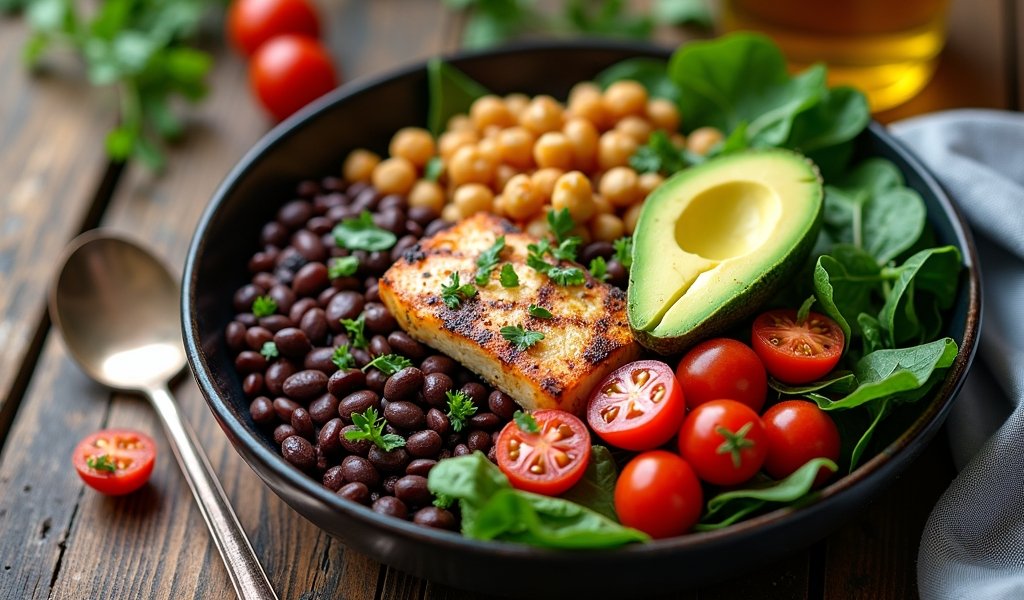
Legumes (beans, lentils, chickpeas) are your slow carb best friend. They provide the perfect combination of protein, fiber, and complex carbohydrates that digest slowly and keep you full for hours. Aim to include a serving at most meals. For convenience, keep canned beans (rinsed well) on hand for quick meal additions. These powerhouse foods are also rich in minerals like magnesium and potassium that support overall health and Mediterranean recipes often feature them prominently.
4. Plan Your Cheat Day Strategically
While the cheat day is a beloved feature of the slow carb diet, approaching it mindfully yields better results. Rather than a 24-hour free-for-all, consider scheduling specific indulgent meals or treats you’ve been craving. This prevents the “last meal” mentality that can lead to uncomfortable overeating while still providing the psychological relief and metabolic benefits. Saturday tends to work well for most people, allowing for social flexibility while maintaining structure during the workweek.
5. Stay Hydrated
Water is your weight loss ally. Aim for at least 3 liters daily, and consider adding a pinch of salt to maintain electrolyte balance. Many perceived hunger signals are actually indicating thirst. Try drinking a full glass of water before each meal and when cravings strike. The difference in appetite control can be remarkable, and proper hydration supports all metabolic processes necessary for fat loss.
6. Implement PAGG Supplement Stack (Optional)
For those seeking enhanced results, Ferriss recommends a specific supplement combination: Policosanol, Alpha-lipoic acid, Green tea extract, and Garlic extract (PAGG). This stack may help improve insulin sensitivity and fat metabolism. However, it’s optional and should be discussed with your healthcare provider. Many individuals achieve excellent results with the dietary principles alone, without supplementation.
7. Track Your Progress Beyond the Scale
Weight fluctuates naturally and can be misleading. Instead, take weekly measurements of your waist, hips, and thighs, and monthly progress photos. These metrics often reveal impressive changes even when the scale hasn’t budged. Additionally, note energy levels, sleep quality, and mood improvements—all valuable indicators of improved health. Some clients find that keeping a simple journal helps them stay motivated through plateaus.
Foods to Eat on the Slow Carb Diet
The slow carb diet thrives on a foundation of simple, nutritious foods that provide sustained energy and promote satiety. Focus your meals around these key categories:
Protein Sources
- Eggs (whole eggs are preferred)
- Chicken breast or thighs
- Turkey
- Lean beef (grass-fed when possible)
- Pork tenderloin
- Fish and seafood (especially wild-caught salmon, sardines, and tuna)
- Cottage cheese (in moderation)
Legumes
- Black beans
- Lentils (all varieties)
- Pinto beans
- Kidney beans
- Chickpeas
- Split peas
Vegetables
- Spinach
- Broccoli
- Cauliflower
- Bell peppers
- Asparagus
- Zucchini
- Cabbage
- Kale and other leafy greens
- Mushrooms
- Tomatoes
- Onions and garlic
Healthy Fats
- Avocado
- Olive oil
- Nuts (in moderation)
- Nut butters (sugar-free)
Seasonings and Condiments
- All herbs and spices
- Vinegar (especially apple cider vinegar)
- Mustard (without added sugars)
- Salsa (without added sugars)
- Hot sauce
A major advantage of the slow carb approach is its flexibility within these guidelines. You can create countless satisfying meals by mixing and matching these ingredients. For breakfast inspiration, consider trying some Mediterranean diet breakfast recipes that can easily be adapted to slow carb principles by omitting grains and fruits.
Foods to Avoid on the Slow Carb Diet
Understanding what to limit is just as important as knowing what to eat. The following foods typically cause insulin spikes or interfere with fat loss on the slow carb diet:
All “White” Carbohydrates
- Bread, pasta, and other wheat products
- Rice (all varieties, including brown)
- Potatoes and sweet potatoes
- Cereal and oatmeal
- Tortillas
Sugars and Sweeteners
- Table sugar
- Honey, maple syrup, agave
- Artificial sweeteners (may trigger cravings)
- High-fructose corn syrup
Fruits
- All fruits (save these for cheat day)
- Fruit juices
Dairy Products
- Milk
- Yogurt
- Cheese (except cottage cheese in moderation)
- Ice cream
Beverages
- Alcohol
- Soda (including diet soda)
- Fruit juices
- Sweetened coffee drinks
Remember, these foods aren’t permanently forbidden—they’re simply saved for your weekly cheat day. This balance helps maintain long-term adherence while still supporting your weight loss goals. Many clients report that after following the slow carb diet for several weeks, their cravings for these foods naturally diminish as their taste preferences adapt to whole, unprocessed foods.
Sample 7-Day Slow Carb Diet Meal Plan
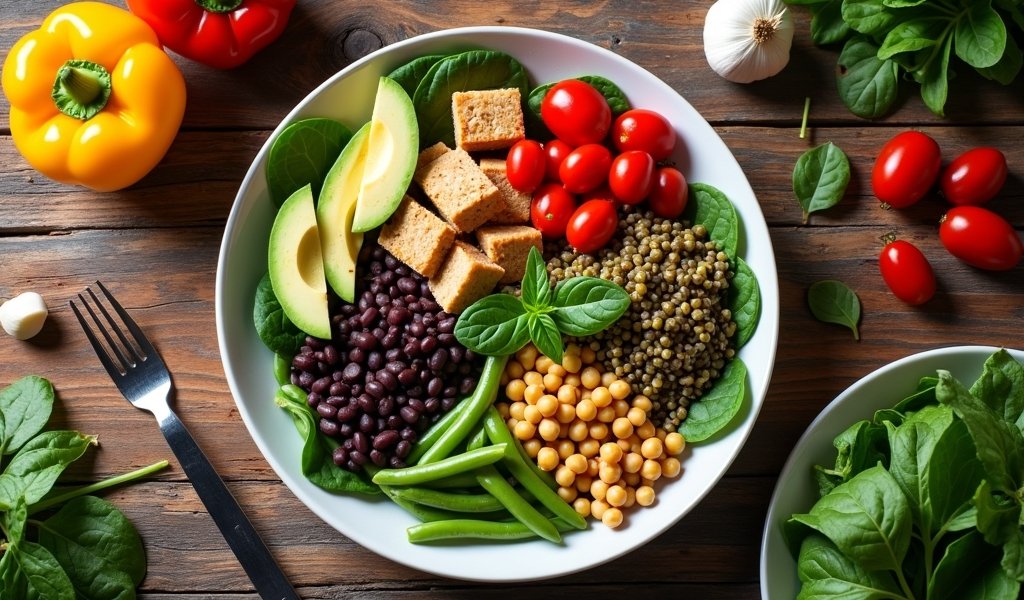
Let me share a practical week-long meal plan that demonstrates how simple and delicious the slow carb diet can be. This plan includes six consistent days followed by one cheat day:
Monday
Breakfast: 3 scrambled eggs with spinach and black beans
Lunch: Grilled chicken breast with lentils and steamed broccoli
Dinner: Baked salmon with asparagus and chickpea salad
Snack (if needed): Small handful of almonds
Tuesday
Breakfast: Protein smoothie with pea protein, spinach, and 1 tbsp almond butter
Lunch: Beef and bean chili (no rice) with mixed vegetables
Dinner: Turkey lettuce wraps with bell peppers and black bean spread
Snack (if needed): 1/4 avocado with salt and pepper
Wednesday
Breakfast: 2-egg omelet with mushrooms, spinach, and 1/2 cup lentils
Lunch: Tuna salad (with olive oil instead of mayo) over mixed greens
Dinner: Slow-cooked pork with cauliflower and black beans
Snack (if needed): 1/4 cup cottage cheese
Thursday
Breakfast: Scrambled eggs with kidney beans and sautéed kale
Lunch: Chicken and vegetable soup with side of lentils
Dinner: Ground beef with taco seasoning, bell peppers, and pinto beans
Snack (if needed): Celery with 1 tbsp sugar-free almond butter
Friday
Breakfast: Protein pancakes made with eggs and pea protein
Lunch: Leftover taco meat on a bed of greens with black beans
Dinner: Baked cod with roasted brussels sprouts and chickpeas
Snack (if needed): Small handful of macadamia nuts
Saturday (Cheat Day)
Enjoy your favorite foods in moderation! Consider starting the day with a high-protein breakfast before indulging to minimize blood sugar swings.
Sunday
Breakfast: Vegetable frittata with side of black beans
Lunch: Shrimp stir-fry with mixed vegetables (no rice)
Dinner: Slow-cooker chicken thighs with lentils and roasted zucchini
Snack (if needed): 1/2 avocado with salt and lime juice
This meal plan demonstrates how you can enjoy variety while keeping your meals simple and repeatable. Notice how each meal contains protein, legumes, and vegetables—the three pillars of the slow carb approach. For best results, prepare meals in advance when possible to ensure you always have compliant options available.
Benefits Beyond Weight Loss
While most people initially try the slow carb diet for weight management, they often continue because of the numerous other health benefits they experience. According to Harvard Health, diets focused on whole foods and steady blood sugar offer multiple advantages:
Improved Energy Levels
By eliminating blood sugar spikes and crashes, many people report consistent energy throughout the day. That mid-afternoon slump that once had you reaching for caffeine or sugary snacks often disappears entirely. Clients frequently mention feeling mentally sharper and more productive at work.
Better Digestive Health
The high fiber content from legumes and vegetables promotes a healthy digestive system and supports beneficial gut bacteria. Many people notice improvements in bloating, gas, and irregular bowel movements within the first two weeks of following the slow carb approach.
Enhanced Sleep Quality
Stable blood sugar levels contribute to better sleep. Many followers report falling asleep more easily and waking feeling more refreshed. This improvement in sleep quality creates a positive cycle, as proper rest supports hormone balance and further aids weight loss efforts.
Reduced Inflammation
By eliminating processed foods, sugars, and common inflammatory foods, many people experience a reduction in joint pain, skin issues, and other inflammation-related problems. The emphasis on protein and healthy fats provides the building blocks for tissue repair and recovery.
Sustainable Lifestyle Change
Perhaps the most significant benefit is that the slow carb approach teaches sustainable eating habits. Unlike extreme diets that can’t be maintained, many people find they can follow this way of eating indefinitely, with the weekly cheat day providing necessary psychological relief and social flexibility.
Common Challenges and How to Overcome Them
While the slow carb diet works remarkably well for most people, certain challenges may arise. Here are practical solutions to the most common obstacles:
Initial Carb Withdrawal
Some people experience headaches, irritability, or fatigue during the first week as their bodies adjust to fewer carbohydrates. Stay well-hydrated, ensure adequate salt intake, and know that these symptoms typically resolve within 3-7 days. Adding an extra serving of legumes can make the transition smoother.
Dining Out Challenges
Social situations don’t have to derail your progress. Most restaurants can accommodate simple modifications—order protein with vegetables and ask for beans instead of rice or potatoes. Mexican, Mediterranean, and many Asian restaurants often have excellent slow carb options. If you know you’ll be dining out, check the menu in advance to identify the best choices.
Plateau Phase
Weight loss is rarely linear, and plateaus are normal. If your progress stalls for more than two weeks, consider these adjustments: slightly reduce portion sizes, increase your vegetable intake, add a 30-minute walk after meals, or experiment with intermittent fasting by delaying breakfast until you’re truly hungry. Sometimes, a simple change in routine is all your body needs.
Cheat Day Recovery
Some people feel sluggish or bloated after cheat days. To minimize this effect, start your cheat day with a high-protein breakfast, stay hydrated throughout the day, and consider a short walk after indulgent meals. The morning after, return immediately to the slow carb principles rather than extending the cheat day to “recover.” A fasted morning walk can help reset your metabolism.
Food Boredom
If meal repetition becomes monotonous, experiment with different herbs, spices, and cooking methods. Global cuisines offer endless inspiration for slow carb-compliant meals—try Mexican, Indian, or Mediterranean flavor profiles to bring excitement to your plate without changing the fundamental ingredients.
Conclusion
The slow carb diet stands apart in the crowded weight loss landscape because it effectively balances physiological science with psychological sustainability. By focusing on protein-rich meals, complex carbohydrates from legumes, and abundant vegetables, you create a nutritional environment that naturally supports fat loss while maintaining muscle mass and energy.
What makes this approach truly special is its built-in flexibility. The weekly cheat day acknowledges that permanent restriction isn’t realistic for most people, creating a safety valve that prevents the all-or-nothing thinking that derails many dieters. This structured flexibility helps transform the slow carb diet from a temporary fix into a sustainable lifestyle.
As you implement the seven proven tips we’ve explored, remember that consistency matters more than perfection. Small, consistent actions compound over time to create remarkable transformations. Whether your goal is to lose 10 pounds or 100, the slow carb principles provide a clear roadmap to success.
I encourage you to give the slow carb diet a full 30-day trial. Track your results, notice how you feel, and make small adjustments to fit your unique needs and preferences. Many people discover that beyond weight loss, they gain a new relationship with food—one based on nourishment, energy, and enjoyment rather than restriction and guilt.
Frequently Asked Questions
How much weight can I expect to lose on the slow carb diet?
Most people lose 1-2 pounds per week consistently, with some experiencing more rapid results in the first few weeks. Individual results vary based on starting weight, adherence to the plan, and metabolic factors.
Can I exercise while following the slow carb diet?
Yes, exercise is encouraged and can enhance your results. Focus on strength training 2-3 times weekly to preserve muscle mass, with optional brief cardio sessions after meals for improved glucose disposal.
Is the slow carb diet safe for people with diabetes?
Many diabetic individuals find the slow carb approach beneficial for blood sugar control, but medical supervision is essential. Consult your healthcare provider before starting any new eating plan, especially if you take medication for diabetes.
Can vegetarians follow the slow carb diet?
Yes, vegetarians can thrive on the slow carb diet by emphasizing eggs, legumes, and plant proteins like tempeh. Vegans may need more careful planning to meet protein requirements but can succeed with thoughtful meal construction.
How strict do I need to be with the diet rules?
Consistency during the six regular days yields the best results, but minor deviations won’t derail your progress entirely. Aim for 90% compliance rather than perfection, and use the weekly cheat day as designed to prevent feeling restricted.