

Overview
The article presents a complete guide to following a halal diet for health and fitness, covering its religious principles, nutritional benefits, meal plans, and practical implementation strategies. It emphasizes that halal eating extends beyond religious observance to provide balanced nutrition through whole foods, ethical sourcing, and mindful consumption while offering solutions to common challenges like dining out and maintaining nutritional balance.
Table of Contents
- What is a Halal Diet?
- 5 Health Benefits of Following a Halal Diet
- The Ultimate 7-Day Halal Diet Meal Plan
- 5 Proven Fitness-Boosting Halal Meals
- Smart Shopping Tips for Halal Diet Followers
- Common Challenges and How to Overcome Them
- Conclusion
- Frequently Asked Questions
Following a halal diet offers numerous health and fitness benefits while adhering to important religious principles. Many people mistakenly think halal eating restricts food choices, but the opposite proves true. This nutritional approach provides balanced, wholesome options that promote overall wellbeing whilst remaining deliciously satisfying. Let’s explore how the halal diet can transform your fitness journey with nutritionally-complete, ethical meal choices that energise your workouts and support recovery.
What is a Halal Diet?
The halal diet follows Islamic dietary guidelines outlined in the Quran. The Arabic word “halal” translates to “permissible” or “lawful,” establishing clear boundaries for food consumption. This dietary framework extends beyond religious observance—it embodies principles of cleanliness, ethical food sourcing, and thoughtful consumption.
Halal certification requires animals to be slaughtered by a Muslim who invokes Allah’s name during the process. The method involves a swift, deep incision to the neck that severs blood vessels while sparing the spinal cord. This technique minimises animal suffering and promotes thorough blood drainage, which many nutritionists believe creates cleaner, healthier meat.
Foods explicitly forbidden (haram) in the halal diet include:
- Pork and pork by-products
- Blood and blood products
- Alcohol and intoxicants
- Meat from improperly slaughtered animals
- Carnivorous animals and birds of prey
Beyond these restrictions, the halal diet encourages wholesome, nutrient-dense foods. Fresh fruits, vegetables, whole grains, legumes, nuts, seeds, and properly sourced dairy all feature prominently. This emphasis on unprocessed, natural foods aligns perfectly with contemporary nutritional guidance for optimal health and performance.
5 Health Benefits of Following a Halal Diet
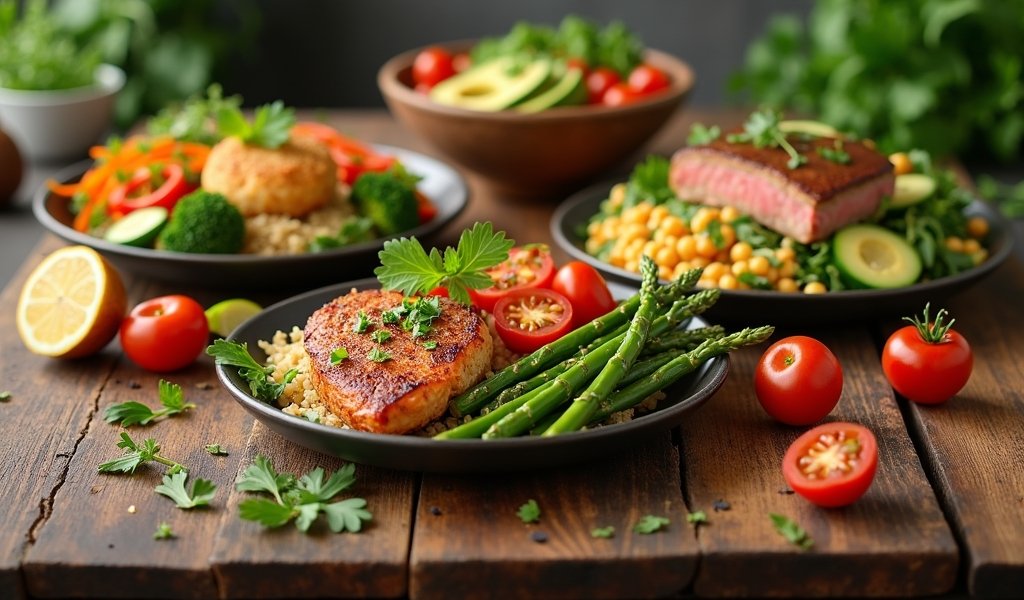
Following a halal diet offers remarkable health advantages that extend well beyond religious observance. When implemented thoughtfully, this eating pattern delivers substantial benefits for both everyday wellness and athletic performance.
1. Enhanced Protein Quality
Halal meat undergoes complete blood drainage during slaughter, potentially reducing bacterial contamination. Research suggests this process may yield meat with longer shelf life and reduced pathogen risk. The emphasis on proper animal treatment also tends to correlate with higher-quality livestock raising practices, potentially improving the nutritional profile of the resulting protein sources.
The halal diet typically incorporates diverse protein sources, including lean meats, poultry, fish, legumes, and dairy. This variety ensures a complete amino acid profile necessary for muscle repair, immune function, and overall tissue health.
2. Improved Digestive Health
The halal diet naturally eliminates many processed foods containing artificial additives and preservatives that may irritate the digestive system. By focusing on whole, natural foods, followers often experience reduced bloating, improved gut microbiome diversity, and more efficient digestion.
Many traditional halal dishes incorporate fermented foods like yoghurt (labneh) and pickled vegetables, which introduce beneficial probiotics to support gut health. The diet also typically includes fibre-rich foods such as wholegrains, vegetables, and fruits that promote regular bowel movements and contribute to digestive comfort.
3. Balanced Nutrient Intake
A properly structured halal diet naturally achieves nutritional balance through its emphasis on varied food groups. Traditional halal meal patterns include vegetables, grains, proteins, and healthy fats in proportions that support overall health and energy requirements.
The prohibition of alcohol eliminates empty calories and liver strain, while the avoidance of pork (typically high in saturated fat) may contribute to improved cardiovascular outcomes. When combined with the focus on fresh, minimally processed foods, the halal diet provides excellent micronutrient density to support metabolic functions and cellular health.
4. Better Weight Management
The halal diet’s foundation of whole, unprocessed foods naturally controls calorie intake while maximising nutrient density. By emphasising quality proteins, complex carbohydrates, and healthy fats, it promotes satiety and reduces cravings for problematic foods.
Many halal meal traditions involve mindful eating practices, including expressing gratitude before meals and eating in moderation. These habits foster greater awareness of hunger and fullness cues, helping prevent overeating and supporting healthy weight maintenance.
5. Enhanced Athletic Performance
Athletes following halal guidelines benefit from clean protein sources that support muscle recovery and growth. The diet’s emphasis on natural carbohydrates from whole grains provides sustained energy for training and competition without blood sugar spikes and crashes.
Many halal cooking methods like grilling, baking, and steaming preserve nutrients whilst minimising unhealthy fats, creating ideal fuel for active bodies. The diverse nutrient profile also supports proper hydration, electrolyte balance, and micronutrient status essential for optimal performance and recovery.
The Ultimate 7-Day Halal Diet Meal Plan
This balanced meal plan delivers variety, nutrition, and delicious options whilst strictly adhering to halal principles. Each day provides approximately 2,000 calories with balanced macronutrients to support overall health and fitness goals.
Day 1
Breakfast: Shakshuka (poached eggs in spiced tomato sauce) with wholegrain bread
Lunch: Grilled chicken salad with mixed greens, cherry tomatoes, cucumbers, and olive oil dressing
Dinner: Lamb and vegetable curry with brown rice
Snack: Greek yoghurt with honey and crushed pistachios
Day 2
Breakfast: Overnight oats with almond milk, cinnamon, berries, and chia seeds
Lunch: Lentil soup with a wholemeal roll
Dinner: Baked fish with roasted vegetables and quinoa
Snack: Apple slices with almond butter
Day 3
Breakfast: Vegetable omelette with feta cheese and wholegrain toast
Lunch: Chicken shawarma wrap with hummus and fresh vegetables
Dinner: Beef stir-fry with broccoli, peppers, and brown rice
Snack: Mixed nuts and dried fruits (no sulphites)
Day 4
Breakfast: Labneh (strained yoghurt) with olive oil, za’atar, and wholemeal pitta
Lunch: Chickpea and vegetable salad with lemon-tahini dressing
Dinner: Grilled lamb chops with roasted sweet potatoes and green beans
Snack: Homemade energy balls (dates, nuts, coconut)
Day 5
Breakfast: Smoothie bowl with banana, berries, halal protein powder, and granola topping
Lunch: Tuna salad sandwich on wholegrain bread with leafy greens
Dinner: Chicken and vegetable kebabs with tabbouleh and hummus
Snack: Cucumber and carrot sticks with labneh dip
Day 6
Breakfast: Manakeesh (zaatar flatbread) with cucumber, tomatoes, and olives
Lunch: Moroccan-style vegetable tagine with couscous
Dinner: Grilled salmon with quinoa and roasted Brussels sprouts
Snack: Dark chocolate (70%+ cacao) and a small handful of almonds
Day 7
Breakfast: Ful medames (fava beans) with olive oil, lemon, and wholegrain bread
Lunch: Chicken soup with vegetables and barley
Dinner: Beef kofte with roasted vegetables and bulgur pilaf
Snack: Dates stuffed with almond butter
This meal plan emphasises nutrient density, protein adequacy, and carbohydrate quality while providing ample healthy fats. Adjust portions based on your individual caloric needs and activity level. Ensure proper hydration by drinking water throughout the day.
5 Proven Fitness-Boosting Halal Meals
These specially formulated meals support exercise performance, muscle recovery, and overall fitness progress while adhering to halal principles. Each recipe serves as a nutritional powerhouse designed to complement your training regimen.
1. Power-Packed Chicken Biryani
This balanced one-pot meal delivers complex carbohydrates, lean protein, and anti-inflammatory spices in perfect proportion for post-workout recovery.
- 500g halal chicken breast, cubed
- 2 cups basmati rice, soaked
- 2 tablespoons olive oil
- 1 large onion, thinly sliced
- 3 cloves garlic, minced
- 1-inch ginger, grated
- 1 tablespoon turmeric
- 1 tablespoon garam masala
- 1 teaspoon cumin
- 1 cup mixed vegetables (peas, carrots, bell peppers)
- 500ml low-sodium chicken stock
- Handful of fresh coriander, chopped
Prepare this meal by sautéing the onion, garlic, and ginger in olive oil until fragrant. Add the chicken and spices, cooking until the meat browns slightly. Mix in rice and vegetables, then pour in the stock. Simmer covered until the rice absorbs all liquid. Garnish with fresh coriander before serving.
The macronutrient profile per serving provides approximately 35g protein, 45g carbohydrates, and 12g healthy fats—ideal for muscle repair and glycogen replenishment after strength training.
2. Mediterranean Fish and Sweet Potato
This omega-3-rich meal supports joint health and reduces exercise-induced inflammation while providing quality carbohydrates for energy.
- 400g white fish fillets (cod, haddock, or sea bass)
- 2 medium sweet potatoes, cubed
- 2 tablespoons olive oil
- 1 lemon, juiced and zested
- 3 cloves garlic, minced
- 1 tablespoon dried oregano
- 200g cherry tomatoes, halved
- 100g olives, pitted
- 200g spinach
- Salt and pepper to taste
Roast sweet potatoes with half the olive oil until nearly tender. Meanwhile, marinate fish in remaining oil, lemon juice, garlic, and oregano. Add fish, tomatoes, and olives to the sweet potato tray and bake until fish flakes easily. Toss with fresh spinach just before serving to lightly wilt the greens.
Each portion delivers 30g protein, 25g complex carbohydrates, and 15g healthy fats—perfect for supporting endurance training and recovery.
3. High-Protein Lentil and Lamb Stew
This iron-rich, protein-dense meal supports oxygen transport and muscle development—essential factors for training progress.
- 300g lean halal lamb, cubed
- 200g red lentils, rinsed
- 1 tablespoon olive oil
- 1 onion, diced
- 2 carrots, chopped
- 2 celery stalks, chopped
- 3 cloves garlic, minced
- 1 tablespoon tomato paste
- 1 teaspoon cumin
- 1 teaspoon coriander
- ½ teaspoon cinnamon
- 750ml low-sodium vegetable broth
- Fresh parsley for garnish
Brown lamb in olive oil, then set aside. In the same pot, sauté vegetables until softened. Add tomato paste and spices, stirring until fragrant. Return lamb to pot, add lentils and broth, and simmer until lentils and meat are tender. Garnish with fresh parsley before serving.
This hearty stew provides approximately 40g protein, 30g complex carbohydrates, and 10g fats per serving, making it excellent for recovery after intense training sessions.
4. Energising Chicken and Quinoa Bowl
This complete protein meal delivers sustained energy for workouts while supporting muscle maintenance and growth.
- 400g halal chicken thighs, boneless
- 1 cup quinoa, rinsed
- 2 tablespoons olive oil
- 1 tablespoon harissa paste
- 1 teaspoon honey
- 2 cups mixed roasted vegetables (courgette, bell peppers, aubergine)
- 1 avocado, sliced
- 50g feta cheese, crumbled
- 2 tablespoons pumpkin seeds
- Lemon-tahini dressing (2 tablespoons tahini, lemon juice, garlic, water)
Marinate chicken in harissa, honey, and 1 tablespoon olive oil, then grill until cooked through. Cook quinoa according to package instructions. Roast vegetables with remaining olive oil. Assemble bowls with quinoa as the base, topped with sliced chicken, roasted vegetables, avocado, feta, and pumpkin seeds. Drizzle with lemon-tahini dressing before serving.
Each bowl provides approximately 35g protein, 40g complex carbohydrates, and 20g healthy fats—perfect for fuelling endurance activities and supporting recovery.
5. Pre-Workout Beef and Sweet Potato Skillet
This iron-rich, carbohydrate-loaded meal optimises energy availability and supports muscle function during training.
- 300g lean halal beef mince
- 2 medium sweet potatoes, diced
- 1 tablespoon olive oil
- 1 onion, chopped
- 2 bell peppers, diced
- 2 cloves garlic, minced
- 1 teaspoon paprika
- 1 teaspoon cumin
- ½ teaspoon chilli powder (optional)
- 100g spinach
- 2 eggs
- Fresh coriander for garnish
Parboil sweet potatoes until just tender. In a large skillet, brown beef mince with onion, garlic, and spices. Add sweet potatoes and bell peppers, cooking until vegetables soften. Create wells in the mixture and crack eggs into them, covering until eggs set. Stir in spinach until wilted, then garnish with fresh coriander.
This nutrient-dense meal delivers approximately 30g protein, 35g carbohydrates, and 15g fats per serving—ideal for consuming 2-3 hours before intense training sessions.
Smart Shopping Tips for Halal Diet Followers
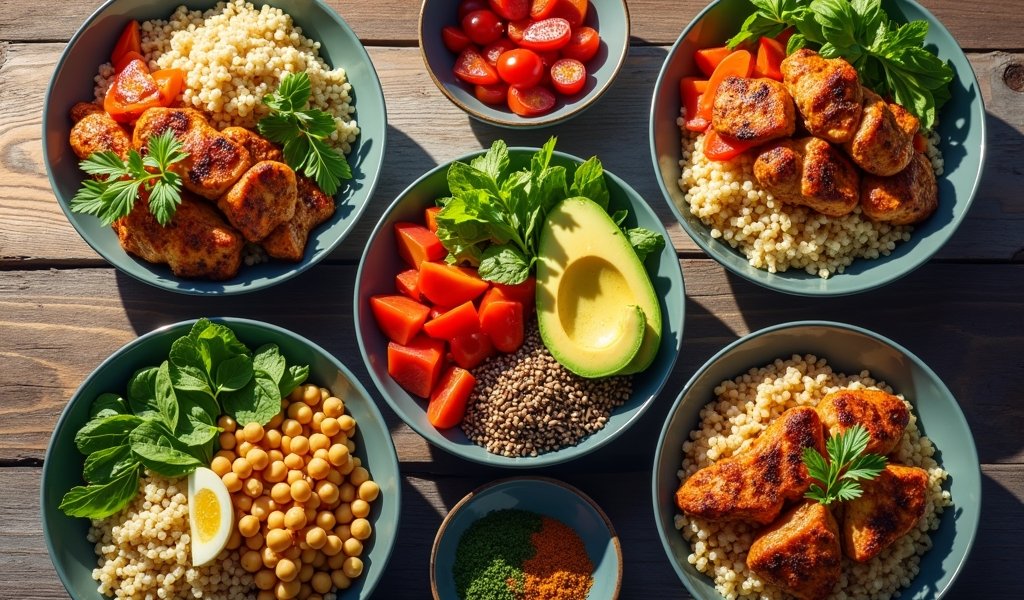
Navigating food shopping whilst maintaining halal dietary principles requires knowledge and careful attention. These practical strategies will help you build a nutritious halal pantry efficiently and economically.
Understanding Halal Certification
Look for established halal certification symbols from recognised authorities like HMC (Halal Monitoring Committee) or HFA (Halal Food Authority) in the UK. These certifications verify that products have undergone proper inspection and comply with halal requirements.
Be aware that not all products marketed as “suitable for vegetarians” are necessarily halal, as they may contain alcohol-derived ingredients or non-halal enzymes. Always check ingredient lists carefully, particularly for hidden ingredients like gelatin, rennet, and food additives that may derive from non-halal sources.
Where to Shop
Specialised halal grocers offer the widest selection of certified products, particularly for meats and prepared foods. Most major UK supermarkets now stock halal-certified products in dedicated sections, with options expanding continuously in response to growing demand.
Online halal grocers provide convenient access to specialty products and bulk purchasing options, often with delivery services that extend beyond urban areas. Farmers’ markets can offer fresh produce and sometimes halal meats from local producers, allowing direct conversations about production methods.
Budget-Friendly Approaches
Buy halal meats in bulk when possible and properly portion and freeze them for future use. This approach often yields significant cost savings while ensuring a steady supply. Incorporate plant-based protein sources like lentils, chickpeas, and beans into your meal rotation to reduce reliance on more expensive meat products.
Seasonal shopping for fruits and vegetables maximises nutritional value while reducing costs. Many halal butchers offer better pricing toward the end of the day or on specific weekdays when demand typically decreases.
Reading Labels Effectively
Develop the habit of scrutinising ingredient lists for potential non-halal components, particularly in processed foods. Common problematic ingredients include:
- Gelatin (often derived from pork)
- L-cysteine (an amino acid sometimes derived from human hair or duck feathers)
- Certain E-numbers (E120, E441, E542)
- Alcohol-based flavourings or extracts
- Rennet in cheese (unless specified as microbial or vegetarian)
When in doubt about an ingredient, consult halal consumer apps or websites that maintain comprehensive databases of permissible and prohibited ingredients. Many manufacturers now offer customer service specifically to address halal compliance questions.
Common Challenges and How to Overcome Them
Following a halal diet presents unique challenges, particularly in predominantly non-Muslim societies. These practical solutions help navigate common obstacles whilst maintaining nutritional excellence and dietary adherence.
Dining Out Strategically
Research restaurants in advance using halal-specific apps like Halal Gems or Zabihah that provide verified reviews from community members. Call establishments beforehand to inquire about halal options, cross-contamination protocols, and ingredient sourcing.
Middle Eastern, Indian, Malaysian, and Indonesian restaurants often offer halal options by default. When halal-certified options aren’t available, vegetarian and seafood dishes typically present safer alternatives.
Workplace and Social Situations
Communicate dietary requirements clearly but politely to hosts, colleagues, or event organisers with adequate notice. Many are willing to accommodate when informed respectfully. Consider bringing halal dishes to share at potlucks or gatherings—this introduces others to delicious halal options whilst ensuring you have suitable food available.
Keep shelf-stable halal snacks at work or in your bag for situations where suitable options might be unavailable. Nuts, dried fruits, granola bars, and halal-certified protein bars provide convenient nutrition in challenging circumstances.
Nutritional Balance Challenges
Work with a registered dietitian familiar with halal dietary principles to develop a personalised nutrition plan, particularly if you have specific health concerns or fitness goals. The British Dietetic Association can help locate appropriate professionals.
Consider appropriate supplements if certain nutrients prove challenging to obtain. Vitamin B12, iron, and omega-3 fatty acids sometimes require supplementation, depending on your specific diet pattern. Always choose halal-certified supplements when available.
Maintaining Variety
Explore international cuisines that naturally align with halal principles. Malaysian, Indonesian, Middle Eastern, and North African cooking traditions offer diverse flavours and techniques whilst remaining halal-friendly.
Experiment with adapting conventional recipes using halal substitutes. Halal gelatine alternatives, plant-based options, and specially formulated ingredients make recreating familiar dishes increasingly accessible. Online halal cooking communities provide excellent resources for creative adaptations.
Conclusion
The halal diet offers far more than religious compliance—it provides a comprehensive framework for balanced, ethical nutrition that supports optimal fitness and health. By focusing on whole, unprocessed foods and mindful eating practices, this dietary approach naturally aligns with contemporary nutritional guidance while honoring important cultural and spiritual values.
From enhanced protein quality to improved digestive health, the benefits of halal eating extend to virtually every aspect of wellbeing. The five fitness-boosting meals highlighted demonstrate how halal principles can be applied to create nutritionally optimal fuel for active lifestyles, supporting everything from muscle recovery to endurance performance.
While challenges exist, particularly in predominantly non-Muslim environments, practical strategies make maintaining halal standards increasingly accessible. With proper planning, label reading skills, and community resources, following this diet becomes both feasible and enjoyable in any context.
Ready to transform your fitness journey through halal nutrition? Begin by incorporating one of our performance-optimised meal recipes this week. Document how you feel during and after workouts, and gradually expand your halal recipe repertoire as you experience the benefits firsthand. Your body deserves clean, ethical, nutrient-dense fuel—and the halal approach delivers precisely that.
Frequently Asked Questions
Is the halal diet suitable for building muscle?
Yes, the halal diet provides excellent protein sources necessary for muscle growth and repair. Focus on halal-certified lean meats, dairy, eggs, and plant proteins while ensuring adequate caloric intake.
How can I ensure I’m getting enough protein on a halal diet?
Incorporate various halal protein sources including properly-slaughtered meats, fish, eggs, dairy, legumes, and nuts. Aim for 1.6-2.2g of protein per kg of bodyweight daily if actively training.
Can I follow a halal diet and still eat at restaurants?
Many restaurants offer halal options, particularly Middle Eastern, South Asian, and Malaysian establishments. Call ahead to verify certification or ingredient sourcing when uncertain.
Are protein supplements halal?
Some protein supplements are halal-certified, but many contain non-halal ingredients. Look specifically for products with halal certification symbols and verify the source of protein and additives.
Can the halal diet meet special nutritional needs like pregnancy or athletic performance?
Absolutely—the halal diet’s emphasis on whole foods makes it adaptable for special requirements. Consult with a dietitian familiar with halal principles to tailor your approach for specific needs.