

Overview
Steak is highlighted as a nutritional powerhouse for fitness enthusiasts, offering ten key benefits including high-quality protein for muscle growth, natural creatine for strength, essential minerals like zinc and iron for hormone production and energy, B vitamins for metabolism, healthy fats, and zero carbohydrates. These nutrients collectively support muscle development, recovery, hormone balance, and overall physical performance, making steak a valuable component of a fitness-focused diet when properly selected and prepared.
Table of Contents
- Steak Nutrition: The Protein Powerhouse for Fitness Enthusiasts
- 1. High-Quality Protein for Optimal Muscle Growth
- 2. Natural Creatine Content Enhances Strength Gains
- 3. Zinc for Healthy Testosterone Levels
- 4. Iron-Rich Content Boosts Energy Levels
- 5. B Vitamins Support Optimal Metabolism
- 6. Healthy Fats Support Hormone Production
- 7. Promotes Satiety for Better Weight Management
- 8. Selenium for Proper Thyroid Function
- 9. Conjugated Linoleic Acid (CLA) Benefits
- 10. Zero Carbohydrates for Ketosis Support
- Choosing and Preparing Steak for Maximum Nutritional Benefits
- Conclusion: Incorporating Steak into Your Fitness Nutrition Plan
- Frequently Asked Questions
Steak Nutrition: The Protein Powerhouse for Fitness Enthusiasts
When it comes to fueling your fitness journey, steak nutrition stands out as a game-changer for those looking to optimize their physical performance. As a registered dietitian who works with athletes, I’ve seen firsthand how incorporating high-quality steak into a well-balanced diet can transform training results. But what exactly makes this protein source so special for active individuals?
Steak offers an impressive nutritional profile that extends far beyond just protein. It’s loaded with essential nutrients that support everything from muscle recovery and growth to hormone production and energy metabolism. The beauty of steak nutrition lies in its completeness – it provides nearly all the building blocks your body needs to thrive during intense training periods.
Let’s cut through the noise surrounding red meat and explore the science-backed benefits that make steak a valuable addition to a fitness-focused diet. Whether you’re a competitive athlete, weekend warrior, or someone simply looking to improve your physical condition, understanding these steak nutrition benefits can help you make informed dietary choices that support your goals.
1. High-Quality Protein for Optimal Muscle Growth
Ever wondered why serious athletes and bodybuilders often include steak in their meal plans? The answer lies in its exceptional protein quality. Steak provides a complete protein source containing all nine essential amino acids your body cannot produce on its own. A 6-ounce serving typically delivers about 42 grams of highly bioavailable protein – meaning your body can efficiently utilize it for muscle repair and growth.
What sets steak apart from many other protein sources is its particularly high content of leucine, the amino acid that directly triggers muscle protein synthesis. Research published in the Journal of Nutrition has shown that leucine-rich proteins are superior for stimulating muscle growth compared to those with lower leucine content. This makes steak nutrition particularly valuable during both recovery periods and when trying to build lean muscle mass.
The protein in steak also has a high digestibility score, which means your body can break it down and absorb it efficiently. This makes it an excellent option for post-workout recovery meals when your muscles are primed for nutrient uptake. Unlike some plant proteins that may be missing certain amino acids or have lower digestibility, the complete amino acid profile in steak supports comprehensive muscle development and repair.
2. Natural Creatine Content Enhances Strength Gains
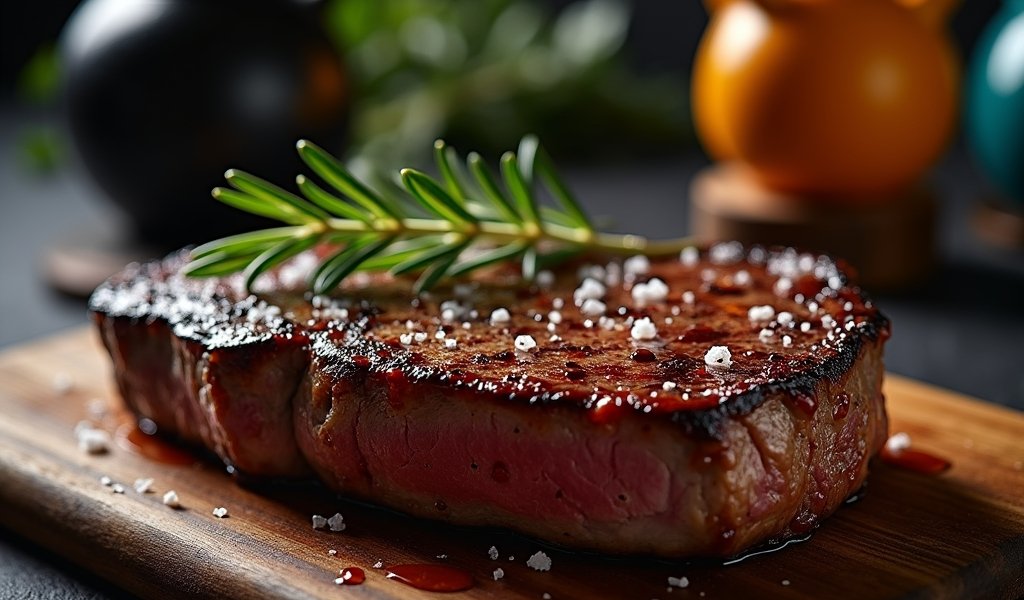
While many fitness enthusiasts spend money on creatine supplements, they might not realize that steak is one of nature’s best sources of this performance-enhancing compound. Creatine plays a crucial role in regenerating ATP (adenosine triphosphate), your body’s primary energy currency for high-intensity, short-duration activities like heavy lifting or sprinting.
A typical 8-ounce steak contains approximately 2 grams of naturally occurring creatine. While this is less than a standard supplemental dose (which is typically 3-5 grams), the creatine from whole food sources may offer additional synergistic benefits when consumed alongside other nutrients present in steak. Regular consumption of steak can contribute to your body’s creatine stores, potentially enhancing your strength, power output, and ability to train intensely.
The combination of protein and creatine makes steak particularly effective for supporting strength gains. This natural pairing helps explain why strength athletes have traditionally valued red meat as part of their training diets. If you’re looking to maximize your performance in the weight room, the creatine content in steak nutrition deserves your attention.
3. Zinc for Healthy Testosterone Levels
Testosterone plays a pivotal role in muscle development, strength gains, and overall athletic performance – and not just for men. Women also rely on appropriate testosterone levels (albeit much lower than men) for optimal body composition and fitness results. This is where steak nutrition comes into play as an excellent source of zinc, a mineral essential for testosterone production.
A 6-ounce serving of beef steak typically provides around 7-8 mg of zinc, which represents about 70% of the daily recommended intake. Zinc deficiency has been directly linked to decreased testosterone levels, reduced muscle mass, and compromised recovery ability – all factors that can significantly hamper your fitness progress.
What makes the zinc in steak particularly valuable is its high bioavailability compared to plant sources. The body absorbs zinc from animal products more efficiently than from plants, which often contain phytates that can inhibit zinc absorption. For athletes and active individuals who have higher zinc requirements due to losses through sweat, steak provides an efficient way to maintain optimal levels of this testosterone-supporting mineral.
4. Iron-Rich Content Boosts Energy Levels
Feeling fatigued during workouts despite adequate rest? Iron deficiency might be the culprit, and steak nutrition offers a powerful solution. Steak contains heme iron, the form most easily absorbed by your body, making it superior to the non-heme iron found in plant foods. A 6-ounce serving of steak can provide approximately 4 mg of highly bioavailable iron.
Iron plays a critical role in oxygen transport throughout your body. It’s an essential component of hemoglobin, the protein in red blood cells that carries oxygen from your lungs to your working muscles. Without sufficient iron, your muscles can’t receive adequate oxygen during exercise, resulting in premature fatigue and compromised performance.
For athletes, especially those engaging in endurance activities or high-volume training, iron needs are typically higher than for the general population. Women who train intensely are particularly vulnerable to iron deficiency due to menstrual losses. Including iron-rich ground beef or steak in your diet several times weekly can help maintain optimal iron status, supporting energy levels and exercise performance.
5. B Vitamins Support Optimal Metabolism
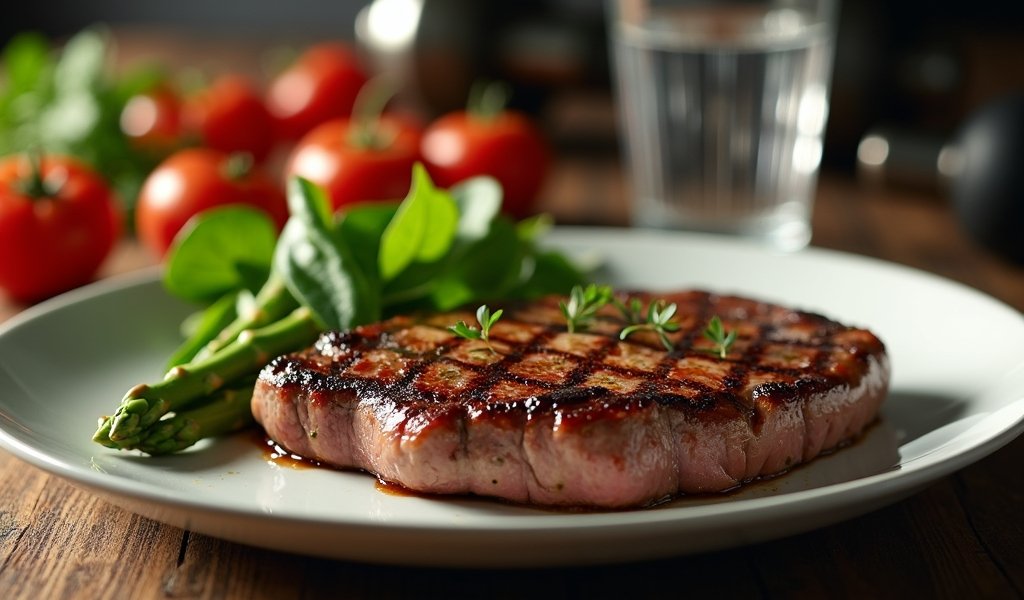
Steak is a B-vitamin goldmine, providing significant amounts of B12, B6, niacin, and riboflavin – nutrients that are absolutely crucial for energy metabolism. These vitamins play essential roles in converting the food you eat into usable energy that fuels your workouts and recovery processes.
Vitamin B12, in particular, deserves special attention. It’s found almost exclusively in animal products, with steak being an exceptional source. A single 6-ounce serving can provide over 100% of your daily B12 needs. This vitamin is essential for red blood cell formation, neurological function, and DNA synthesis – all processes that impact your training capacity and recovery ability.
The B vitamins in steak work synergistically to support your body’s energy production systems. Niacin and riboflavin are critical components of the enzymes that help convert carbohydrates, fats, and proteins into energy. B6 plays an important role in protein metabolism and the production of neurotransmitters that regulate muscle function. Together, these nutrients create a metabolic support system that enhances your body’s ability to generate energy efficiently during both training and recovery.
6. Healthy Fats Support Hormone Production
Contrary to outdated nutritional dogma, the fat in steak isn’t your enemy – especially if you choose the right cuts and sources. Grass-fed steak contains a more favorable fatty acid profile, including omega-3 fatty acids and monounsaturated fats. These healthy fats are essential building blocks for hormone production, including testosterone and growth hormone, which directly influence your ability to build and maintain muscle mass.
Cholesterol, found in steak, also deserves a mention in this conversation. While once villainized, we now understand that dietary cholesterol is a precursor to hormone production. Your body uses cholesterol to manufacture testosterone, estrogen, and cortisol – hormones that regulate everything from muscle protein synthesis to recovery and adaptation from training.
For those following the carnivore diet, steak’s fat content becomes even more important as it provides essential fatty acids that support overall health. The saturated fat in steak, when consumed as part of a balanced diet, can actually support testosterone production in active individuals. According to research published in the Journal of Steroid Biochemistry and Molecular Biology, there’s a positive association between saturated fat intake and testosterone levels in men who engage in resistance training.
7. Promotes Satiety for Better Weight Management
One of the most practical steak nutrition benefits for fitness enthusiasts is its exceptional satiety factor. The combination of protein and fat in steak activates multiple satiety pathways, helping you feel fuller longer. This can be a game-changer if you’re trying to manage your weight while maintaining performance and muscle mass.
Protein has the highest thermic effect of food (TEF) among macronutrients, meaning your body burns more calories digesting protein than it does processing carbohydrates or fats. Steak’s high protein content can therefore boost your metabolic rate temporarily, supporting weight management efforts. Research from the American Journal of Clinical Nutrition indicates that high-protein meals lead to greater feelings of fullness and reduced subsequent food intake compared to lower-protein alternatives.
The satiety value of steak can help prevent the energy crashes and hunger pangs that often lead to unplanned snacking on less nutrient-dense foods. For many active individuals, incorporating steak into their meal plan helps establish a more consistent energy level throughout the day, supporting both training performance and recovery while making it easier to stick to nutrition goals.
8. Selenium for Proper Thyroid Function
Steak provides a significant amount of selenium, a trace mineral that plays a crucial role in thyroid function. The thyroid gland produces hormones that regulate your metabolism, energy production, and protein synthesis – all of which directly impact your fitness results. A 6-ounce steak typically contains about 30-45 mcg of selenium, which represents approximately 50-80% of the daily recommended intake.
Selenium acts as a catalyst for the conversion of the thyroid hormone T4 to its more active form, T3. This conversion is essential for maintaining an optimal metabolic rate, supporting fat loss efforts, and ensuring your body can efficiently build and repair muscle tissue. Without adequate selenium, thyroid function can become compromised, potentially leading to reduced energy levels, impaired recovery, and difficulties with body composition changes.
For fitness enthusiasts, optimal thyroid function is particularly important because it influences how efficiently your body utilizes nutrients and produces energy. The selenium content in steak nutrition provides valuable support for this metabolic cornerstone, helping ensure your training efforts translate into the results you’re working for.
9. Conjugated Linoleic Acid (CLA) Benefits
Grass-fed steak contains higher levels of conjugated linoleic acid (CLA), a fatty acid that has attracted attention for its potential to support fat loss while preserving lean muscle mass. While supplemental CLA shows mixed results in research, obtaining it naturally through whole foods like grass-fed steak may provide additional synergistic benefits.
CLA appears to work through multiple mechanisms: it may help block fat storage, increase fat burning, and reduce appetite. For fitness enthusiasts looking to improve body composition, these effects can complement the metabolic benefits of regular training. Research published in the International Journal of Food Sciences and Nutrition suggests that CLA may help reduce body fat percentage while supporting lean muscle mass maintenance.
The CLA content varies significantly depending on how the cattle were raised. Grass-fed beef typically contains 2-3 times more CLA than conventional grain-fed beef. For those looking to maximize the potential body composition benefits of steak nutrition, choosing grass-fed options provides additional advantages through their enhanced CLA content.
10. Zero Carbohydrates for Ketosis Support
Steak contains virtually no carbohydrates, making it an ideal protein source for those following ketogenic or low-carb approaches to nutrition. This carb-free profile allows steak to fit seamlessly into nutrition plans designed to maintain ketosis, a metabolic state where your body primarily burns fat for fuel instead of carbohydrates.
For athletes and fitness enthusiasts who have found success with ketogenic approaches, steak nutrition provides a way to meet protein needs without compromising ketosis. This allows for simultaneous support of muscle protein synthesis and fat-adapted metabolism, potentially offering the best of both nutritional worlds for certain individuals.
Even for those not following strict ketogenic diets, the zero-carb nature of steak provides flexibility in meal planning. It allows you to strategically allocate your carbohydrate intake around workouts when your muscles may benefit most from glycogen replenishment, while still meeting protein needs through steak at other meals. This carbohydrate flexibility can be particularly valuable for athletes who practice carb cycling or periodized nutrition approaches based on training demands.
Choosing and Preparing Steak for Maximum Nutritional Benefits
To get the most from steak nutrition, selection and preparation matter significantly. When possible, opt for grass-fed beef, which typically contains higher levels of omega-3 fatty acids, CLA, and antioxidants like vitamin E compared to grain-fed options. The nutritional difference comes from the cattle’s natural diet of grass rather than the grain-based feeds used in conventional farming.
Consider these cuts based on your specific fitness goals:
- For higher protein with lower fat: Choose leaner cuts like sirloin, tenderloin, or round steak
- For more calories and healthy fats: Ribeye, T-bone, or New York strip provide additional energy
- For budget-friendly options: Flank, skirt, or chuck steak offer excellent nutrition at lower price points
Cooking methods also influence the nutritional value of your steak. High-heat methods like grilling, broiling, or pan-searing preserve more nutrients compared to long cooking processes. However, avoid charring or burning your steak, as this can produce potentially harmful compounds. Medium-rare to medium doneness generally preserves more nutrients and maintains better protein quality than well-done preparation.
For those following a carnivore diet food list, steak often forms the cornerstone of the nutritional approach. In this context, fattier cuts may be preferred to provide adequate energy through healthy animal fats while delivering all the protein and micronutrient benefits discussed above.
Conclusion: Incorporating Steak into Your Fitness Nutrition Plan
Steak nutrition offers a powerful combination of benefits that support nearly every aspect of physical performance and body composition. From its complete protein profile and creatine content to its rich array of vitamins and minerals, steak provides nutritional support that can help take your fitness results to the next level.
The key to benefiting from steak is thoughtful incorporation into a well-designed nutrition plan. Rather than daily consumption, most fitness enthusiasts will benefit from including high-quality steak in their diet 2-4 times weekly, complemented by other protein sources like poultry, fish, eggs, and plant proteins for nutritional variety.
When strategically timed around your training, steak can provide the nutritional foundation that supports your hardest workouts and most critical recovery periods. Whether you’re building strength, improving endurance, or working on body composition, the ten steak nutrition benefits we’ve explored offer valuable support for your fitness journey.
Remember that nutrition is highly individual – what works perfectly for one person may need adjustment for another. Listen to your body’s response, consider working with a nutrition professional, and find the approach to incorporating steak that best supports your unique goals and needs.
Frequently Asked Questions
Is steak good for building muscle?
Yes, steak is excellent for muscle building due to its complete protein profile and high leucine content. One serving provides approximately 42 grams of highly bioavailable protein that directly supports muscle protein synthesis.
How often should I eat steak for fitness benefits?
Most fitness enthusiasts benefit from consuming steak 2-4 times weekly as part of a varied diet. This frequency provides nutritional benefits while allowing for diversity from other protein sources.
Is grass-fed steak better than grain-fed for fitness goals?
Grass-fed steak typically contains more omega-3 fatty acids, CLA, and antioxidants than grain-fed options. These additional nutrients may provide enhanced benefits for inflammation management and body composition.
Does steak contain creatine?
Yes, steak naturally contains creatine, with approximately 2 grams in an 8-ounce serving. This natural creatine contributes to improved strength, power output, and high-intensity exercise performance.
Can steak help with weight loss?
Steak can support weight management through its high protein content, which increases satiety and has a higher thermic effect. The zero-carb nature of steak also makes it compatible with many effective weight loss approaches.