

Overview
The animal-based diet emphasizes nutrient-dense animal products like grass-fed meat, organ meats, seafood, and bone broth as dietary foundations, while allowing selective plant foods based on individual tolerance. Benefits reportedly include improved energy levels, cognitive function, digestive health, and reduced inflammation, with the article providing practical guidance on transitioning to this ancestral eating approach through quality food selection and strategic meal planning.
Table of Contents
- What Is An Animal-Based Diet?
- Benefits of Following an Animal-Based Diet
- Top 10 Animal-Based Foods to Include in Your Diet
- Organ Meats: Nature’s Multivitamin
- Grass-Fed Meat: Why Quality Matters
- Seafood Options on an Animal-Based Diet
- Dairy Products: To Include or Not?
- Bone Broth: Liquid Gold for Gut Health
- Animal-Based Fats for Cooking
- Transitioning to an Animal-Based Diet
- Meal Planning on an Animal-Based Diet
- Conclusion
- Frequently Asked Questions
What Is An Animal-Based Diet?
An animal-based diet focuses primarily on nutrient-dense foods derived from animal sources. Unlike the more restrictive carnivore diet food list, which eliminates plant foods entirely, an animal-based diet prioritizes animal products while allowing some carefully selected plant foods. The foundational principle is simple: humans evolved as omnivores with a special emphasis on animal foods that provided essential nutrients difficult to obtain elsewhere.
At its core, the animal-based diet food list centers around meat, fish, eggs, and certain dairy products. These foods serve as the nutritional cornerstone, providing complete proteins, essential fatty acids, and bioavailable micronutrients. The approach recognizes that animal products contain nutrients in forms more readily utilized by the human body.
Many who adopt this way of eating do so after experiencing health challenges with plant-heavy diets. They often report improvements in digestion, energy levels, and mental clarity. While individual experiences vary, the growing interest in returning to a more ancestral approach to nutrition has sparked significant discussion in health circles.
Benefits of Following an Animal-Based Diet
Switching to an animal-based diet often leads to remarkable improvements in several health markers. First and foremost, this approach provides highly bioavailable nutrients. The proteins, vitamins, and minerals found in animal foods require minimal conversion in the body, making them more efficiently utilized than their plant-based counterparts.
Many followers report significant improvements in energy levels. This stems from stable blood sugar levels that come with consuming protein and fat-rich meals. Without the constant carbohydrate spikes and crashes, energy remains consistent throughout the day.
Cognitive benefits frequently emerge as a welcomed surprise for many. The brain thrives on healthy fats, particularly those found in animal products like fish, eggs, and grass-fed beef. Research has connected these nutrients to improved cognitive function and potential neuroprotective effects.
Digestive comfort often improves dramatically. Many plant foods contain compounds like lectins, oxalates, and phytates that can irritate the digestive system. Reducing these while focusing on easily digestible animal proteins frequently resolves longstanding gut issues.
Perhaps most notably, inflammatory markers typically decrease. While conventional wisdom once vilified animal foods as inflammatory, emerging research suggests that properly sourced animal products may actually help reduce systemic inflammation, particularly when replacing processed foods and refined carbohydrates.

Top 10 Animal-Based Foods to Include in Your Diet
Building an effective animal-based diet food list requires focusing on nutritional powerhouses that deliver maximum benefits. Here are the top 10 essentials that form the foundation of this approach:
- Grass-Fed Beef: Rich in protein, zinc, iron, and B vitamins, grass-fed beef serves as a nutritional cornerstone. Its omega-3 content and conjugated linoleic acid profile exceed that of grain-fed alternatives.
- Organ Meats: Nature’s multivitamin, organs like liver, heart, and kidney contain concentrated nutrients unavailable in muscle meat alone.
- Pasture-Raised Eggs: Complete protein packages with choline, lutein, and essential fatty acids support brain and eye health.
- Wild-Caught Salmon: Exceptional source of omega-3 fatty acids EPA and DHA, plus vitamin D and selenium for anti-inflammatory benefits.
- Grass-Fed Butter: Contains vitamin K2, butyrate, and fat-soluble vitamins that support gut health and mineral absorption.
- Bone Broth: Delivers collagen, glycine, and minerals that support gut lining integrity and joint health.
- Grass-Fed Tallow: Stable cooking fat with a nutrient profile that supports cellular health and hormone production.
- Shellfish: Particularly oysters, clams, and mussels provide zinc, copper, selenium, and B12 in highly absorbable forms.
- Full-Fat Yogurt: For those who tolerate dairy, the probiotic benefits alongside calcium and protein make this a valuable addition.
- Wild Game Meat: Venison, bison, and elk offer lean protein with favorable fatty acid profiles compared to conventional meats.
Incorporating these foods regularly ensures you receive the full spectrum of nutrients needed for optimal health. The variety prevents boredom while covering nutritional bases that plant foods often miss.
Organ Meats: Nature’s Multivitamin
Organ meats stand as the nutritional crown jewels in any animal-based diet food list. These often-overlooked parts contain nutrient concentrations that dwarf those found in muscle meat. Liver, for instance, provides more vitamin A, B12, folate, and copper in a single serving than almost any other food on the planet.
Heart meat delivers an extraordinary amount of CoQ10, a compound vital for cellular energy production and cardiovascular health. As we age, our natural CoQ10 production declines, making dietary sources increasingly important. Regular consumption supports energy levels and potentially reduces the risk of heart-related conditions.
Kidney stands out for its selenium content, a crucial mineral for thyroid function and antioxidant pathways in the body. Just a small serving meets daily requirements while providing rare B vitamins not easily found elsewhere.
For those new to organ meats, ease into consumption gradually. Start with small amounts mixed into ground beef or disguised in flavorful stews. Freeze liver slightly before cooking to make it easier to slice thinly, which helps moderate the distinct flavor. Alternatively, desiccated organ supplements provide the benefits without the taste challenges some experience.
The ancestral wisdom of consuming “nose-to-tail” reflects a profound nutritional understanding that modern science now confirms. Studies consistently show that populations consuming organ meats display better micronutrient status than those relying solely on muscle meats.
Grass-Fed Meat: Why Quality Matters
The distinction between grass-fed and conventionally raised meat extends far beyond marketing terminology. When constructing an animal-based diet food list, this quality difference becomes nutritionally significant. Grass-fed beef contains up to five times more omega-3 fatty acids than grain-fed alternatives, creating a more favorable omega-3 to omega-6 ratio.
The natural diet of cattle—grass—produces meat with significantly higher levels of conjugated linoleic acid (CLA), a fatty acid with potential anti-inflammatory and fat-burning properties. This nutritional profile more closely resembles the meat our ancestors consumed throughout evolutionary history.
Beyond macronutrients, the micronutrient content varies substantially. Grass-fed beef provides more vitamin E, beta-carotene, and antioxidants like glutathione. These compounds support cellular health and help mitigate oxidative stress in the body.
The environmental impact differs dramatically as well. Properly managed grass-fed operations can actually sequester carbon in the soil, making them potentially carbon-negative when managed holistically. This regenerative approach stands in stark contrast to feedlot systems.
While budget constraints may make exclusively grass-fed choices challenging, prioritize quality where possible. Ground beef offers an economical entry point to grass-fed options, as do less popular cuts like chuck roast, which become remarkably tender when slow-cooked.
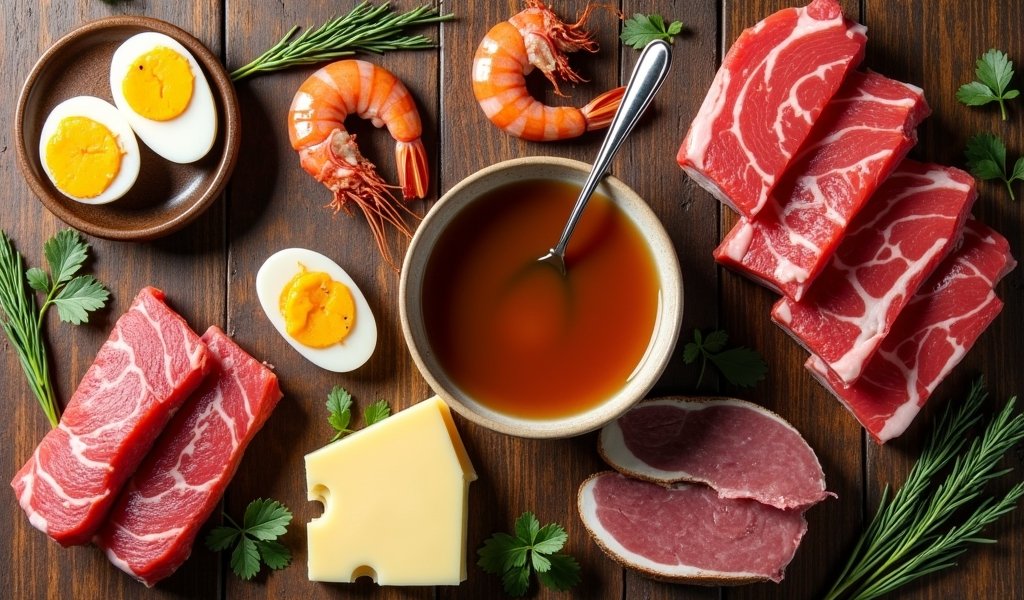
Seafood Options on an Animal-Based Diet
Seafood represents an exceptional category within the animal-based diet food list, offering unique nutrients often missing in terrestrial animal foods. Wild-caught fish like salmon, mackerel, and sardines provide unmatched concentrations of EPA and DHA—omega-3 fatty acids crucial for brain health, cardiovascular function, and managing inflammation.
Shellfish deserve special attention for their micronutrient density. Oysters contain more zinc per serving than any other food, supporting immune function and testosterone production. Mussels and clams deliver exceptional levels of B12 and iron, addressing two nutrients that many people struggle to obtain in sufficient quantities.
While concerns about mercury and other contaminants exist, the selenium content in most seafood helps protect against mercury toxicity. Generally, smaller fish lower on the food chain accumulate fewer toxins, making them safer regular choices.
Aim to incorporate seafood into your animal-based eating pattern at least twice weekly. Canned options like sardines, mackerel, and wild salmon provide affordable convenience without sacrificing nutritional quality. These preserved versions retain nearly all the beneficial omega-3s and proteins of fresh varieties.
For landlocked individuals without access to fresh seafood, consider supplementing with high-quality cod liver oil or taking advantage of online delivery services that ship flash-frozen seafood directly to consumers.
Dairy Products: To Include or Not?
Dairy occupies a complex position within an animal-based diet food list. While technically animal-derived, dairy tolerance varies significantly between individuals. Some thrive with its inclusion, while others experience inflammatory responses, digestive discomfort, or skin issues.
If well-tolerated, dairy provides valuable nutrients including calcium, vitamin K2 (particularly in fermented forms), and complete proteins. Full-fat, grass-fed options deliver fat-soluble vitamins A, D, E, and K in their most bioavailable forms. The saturated fats in dairy, contrary to outdated nutritional dogma, appear protective against certain metabolic disorders when consumed as part of whole foods.
Consider these distinctions when evaluating dairy inclusion:
- A2 milk (from heritage breed cows) may be better tolerated than conventional A1 milk
- Fermented dairy like yogurt, kefir, and aged cheeses often causes fewer issues than fresh milk
- Goat and sheep dairy provide alternative protein structures that some find easier to digest
- Raw dairy contains intact enzymes that aid digestion, though safety concerns exist
- Butter and ghee, being primarily fat with minimal protein content, rarely trigger dairy sensitivities
The optimal approach involves temporary elimination followed by careful reintroduction. Remove all dairy for at least 30 days, then reintroduce specific types individually while monitoring for reactions. This methodical process reveals your personal tolerance better than generalized recommendations ever could.
Bone Broth: Liquid Gold for Gut Health
Bone broth stands as a therapeutic cornerstone of the animal-based diet food list. This traditional preparation extracts collagen, amino acids, and minerals from bones and connective tissues through long, slow simmering. The resulting liquid delivers compounds that modern diets typically lack.
The glycine and proline abundant in bone broth support detoxification pathways in the liver and promote collagen synthesis in our own bodies. These amino acids counterbalance methionine from muscle meats, creating a more complete amino acid profile when included regularly.
The gelatin extracted during simmering helps seal a leaky gut lining—a condition increasingly linked to autoimmune disorders, food sensitivities, and chronic inflammation. Regular consumption may gradually restore intestinal integrity, improving nutrient absorption and reducing inappropriate immune responses.
Beyond gut benefits, bone broth provides bioavailable calcium, magnesium, phosphorus, and other minerals leached from the bones during preparation. These contribute to bone health, nervous system function, and enzymatic processes throughout the body.
Making bone broth requires minimal active preparation time. Simply collect bones from previous meals (or purchase them specifically), cover with filtered water and a splash of apple cider vinegar, then simmer for 12-48 hours depending on bone type. The vinegar helps extract minerals from the bone matrix, enhancing nutritional value.
For convenience, prepare large batches and freeze portions in silicone molds. This creates ready-to-use portions that can be added to cooking or sipped as a warm, nourishing beverage.
Animal-Based Fats for Cooking
Cooking fats deserve careful consideration when creating an animal-based diet food list. Unlike industrial seed oils with their problematic polyunsaturated fat content, animal fats provide stable, heat-resistant options that have nourished humans for millennia.
Tallow (beef fat) offers exceptional stability for high-heat cooking. With primarily saturated and monounsaturated fat content, it resists oxidative damage even at searing temperatures. Beyond cooking applications, tallow contains stearic acid, which emerging research suggests may promote mitochondrial health and proper fat metabolism.
Lard (pork fat) brings a mild flavor profile that works beautifully in both savory and surprisingly, sweet applications. Pasture-raised sources provide meaningful amounts of vitamin D—a nutrient surprisingly difficult to obtain from food alone.
Duck and goose fat contain more monounsaturated fats (similar to olive oil) while retaining excellent heat stability. Their rich flavor elevates simple vegetables and creates unparalleled roasted potatoes for those including selective plant foods.
Ghee (clarified butter) removes dairy proteins while preserving butter’s fat-soluble vitamins and distinctive flavor. This makes it appropriate even for many individuals with dairy sensitivities. Its high smoke point makes it versatile for everything from sautéing to deep frying.
When sourcing animal fats, quality matters significantly. Fat from pasture-raised, naturally-fed animals contains healthier fatty acid profiles and fewer accumulated environmental toxins than conventional alternatives. Many local farmers and butchers sell these traditional fats at reasonable prices, as they’re often considered by-products in modern food systems.
Transitioning to an Animal-Based Diet
Shifting to an animal-based diet food list requires thoughtful planning, especially for those coming from plant-heavy eating patterns. The transition need not be abrupt; gradual implementation often proves more sustainable and allows the digestive system to adapt appropriately.
Begin by increasing protein at each meal while simultaneously reducing refined carbohydrates and processed foods. This simple step often produces noticeable improvements in satiety and energy levels, providing motivation to continue. Quality matters more than perfection initially—focus on the best options available within your budget and access constraints.
Digestive adaptations may include temporary changes as your gut microbiome shifts. Supporting this transition with bone broth, adequate salt intake, and digestive enzymes can minimize discomfort. Some individuals experience an initial “adjustment period” as the body increases enzyme production to handle increased protein and fat consumption.
Hunger signals transform during this transition. Rather than frequent carbohydrate-driven hunger, you’ll likely notice more stable, genuine hunger cues. Learning to distinguish true hunger from habitual eating patterns takes practice but becomes increasingly intuitive.
Meal frequency often naturally decreases as the satiating effect of protein and fat extends the time between hunger signals. This spontaneous intermittent fasting pattern emerges for many without deliberate effort, potentially enhancing the metabolic benefits of the dietary approach.
Throughout the transition, remain attentive to your body’s responses. Individual variations in tolerance, digestion, and preferences mean the ideal version of an animal-based approach will look slightly different for everyone. The fundamental principle remains: prioritize nutrient-dense animal foods while remaining flexible enough to optimize for your unique needs.
Meal Planning on an Animal-Based Diet
Successful implementation of an animal-based diet food list hinges on practical meal planning strategies. Unlike many restrictive approaches, this eating pattern offers remarkable simplicity once mastered. The focus shifts from complicated recipes to quality ingredients prepared simply.
Batch cooking becomes a valuable time-saving technique. Preparing larger quantities of basics like ground beef, roasts, and bone broth creates a foundation for quick meals throughout the week. Proper storage in glass containers maintains freshness while providing visible inventory of prepared foods.
A typical day might include:
- Breakfast: Eggs cooked in grass-fed butter with sides of leftover meat and avocado (if plant foods are included)
- Lunch: Beef patties with aged cheese, fermented vegetables, and a cup of bone broth
- Dinner: Slow-cooked roast with marrow bones and a small seasonal fruit serving
- Snacks: Hard-boiled eggs, jerky from quality sources, or small portions of organ meat pâté
Eating out requires strategic thinking but remains entirely feasible. Steakhouses offer obvious choices, but even fast-casual establishments can work with modifications like bunless burgers, protein-focused salads, or breakfast menus served all day.
Cost management concerns often arise when considering quality animal foods. Address this by utilizing more affordable cuts (chuck roasts, ground meat, chicken thighs), sourcing directly from farmers, buying in bulk when possible, and minimizing food waste through proper storage and creative use of leftovers.
Remember that nutritional density often translates to greater satiety, potentially reducing overall food volume and frequency. Many find that their grocery budgets remain stable despite higher per-unit costs because they’re consuming less total food while feeling more satisfied.
Conclusion
The animal-based diet food list represents a return to nutritional principles that sustained humans for most of our evolutionary history. By prioritizing nutrient-dense animal foods—from grass-fed meats and organ meats to seafood, eggs, and selected dairy—this approach provides the building blocks needed for optimal health.
Unlike restrictive diets focused on elimination, the animal-based framework emphasizes inclusion of the most nutritionally valuable foods available. The flexibility to incorporate carefully selected plant foods allows for personalization while maintaining the core benefits of animal-derived nutrition.
As with any significant dietary change, individual responses vary. What remains consistent, however, is the transformative potential when moving from processed food dependency toward whole-food, ancestral eating patterns. The animal-based approach offers a sustainable framework that aligns with human biological needs rather than fleeting nutritional trends.
Whether you’re exploring this way of eating for specific health concerns, performance optimization, or simply a desire for greater vitality, the principles outlined provide a roadmap for implementation. Start where you are, prioritize quality within your means, and allow your own experience to guide refinements over time.
The most compelling evidence ultimately comes from your personal results—improved biomarkers, enhanced energy, mental clarity, and the quiet confidence that comes from nourishing your body according to its inherent design rather than contemporary food manufacturing priorities.
Frequently Asked Questions
What exactly is an animal-based diet?
An animal-based diet prioritizes nutrient-dense animal foods like meat, organs, eggs, and dairy while minimizing or eliminating processed foods. Unlike strict carnivore approaches, it may allow select plant foods in moderation based on individual tolerance.
Is an animal-based diet the same as keto?
No, though they may overlap. Animal-based focuses on food quality and source rather than macronutrient ratios, while keto specifically aims for ketosis through very low carbohydrate intake. Many animal-based eaters naturally consume fewer carbs but don’t necessarily track them.
Are organ meats really necessary?
While not absolutely required, organ meats provide unique nutrient profiles unavailable in muscle meats. Including them even occasionally significantly enhances nutritional completeness and addresses potential deficiencies in vitamins A, B12, copper, and other vital nutrients.
Can I follow an animal-based diet on a budget?
Yes, by focusing on ground meats, less popular cuts, eggs, canned fish, and buying in bulk. Quality matters, but perfect shouldn’t be the enemy of good—prioritize the best options available within your means.
Will an animal-based diet increase cholesterol?
Individual responses vary, but many experience improvements in cholesterol particle size and inflammatory markers despite potential increases in total cholesterol. Context matters more than isolated numbers, and the overall metabolic impact tends to be positive for most people.