

Overview
Pink Himalayan salt contains trace minerals that may provide benefits including improved electrolyte balance, enhanced hydration, and better digestive health when used as a replacement for regular table salt. While it offers advantages through its minimal processing and complex flavor profile that may reduce overall sodium usage, it’s not a miracle cure and should be consumed in moderation, especially by those with conditions like hypertension or kidney disease.
Table of Contents
- What Is Pink Salt?
- 7 Health Benefits of Pink Salt
- How to Incorporate Pink Salt Into Your Diet
- Myths and Facts About Pink Salt
- Potential Side Effects and Precautions
- Getting Started with a Pink Salt Diet
- Conclusion
- Frequently Asked Questions
Pink Himalayan salt has been gaining popularity in health-conscious circles for years now. With its rosy hue and claims of enhanced mineral content, many people are curious about whether a pink salt diet could improve their health. As a nutritionist who has studied mineral balance for over a decade, I’ve seen firsthand how small dietary changes can make meaningful differences in wellbeing.
In this comprehensive guide, we’ll explore what pink salt actually is, its evidence-based benefits, and practical ways to incorporate it into your daily routine. I’ll also address common misconceptions and help you understand when this particular salt might not be appropriate for your individual needs.
Whether you’re just salt-curious or already convinced of pink salt’s potential, this guide will help you make informed decisions about this trending mineral supplement.
What Is Pink Salt?
Pink Himalayan salt comes primarily from the Khewra Salt Mine in Pakistan’s Punjab region, part of the Salt Range mountains. These salt deposits formed over 250 million years ago when ancient seabeds dried up and were subsequently preserved under intense geological pressure.
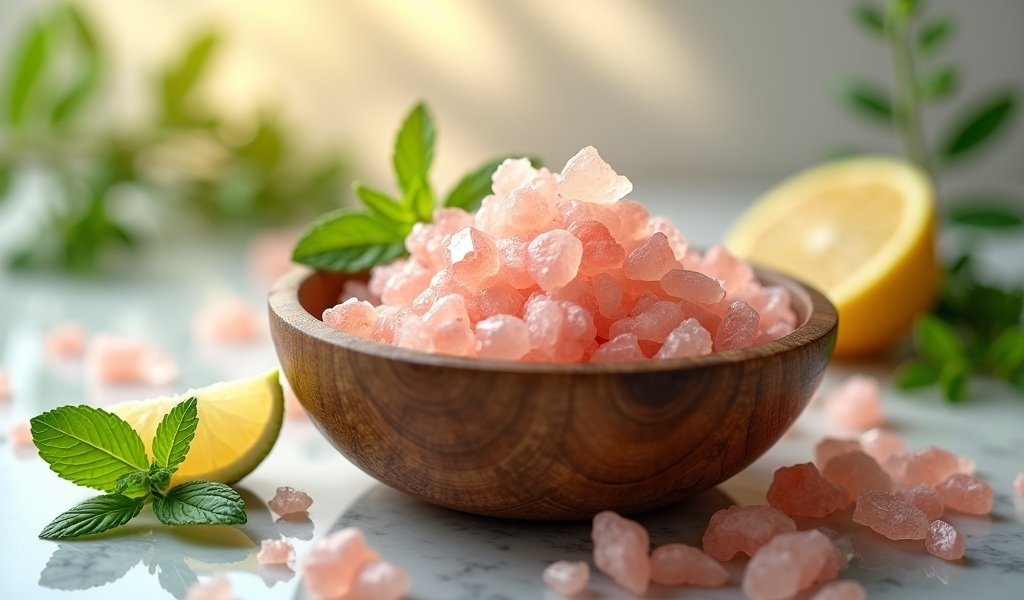
The distinctive pink color comes from trace minerals, particularly iron oxide. Unlike conventional table salt, which undergoes extensive processing and often contains anti-caking agents, pink salt is generally minimally processed.
The mineral composition typically includes:
- 97-98% sodium chloride (similar to regular salt)
- Trace amounts of potassium, magnesium, and calcium
- Minimal quantities of zinc, manganese, iron, and other minerals
This mineral profile is what sets pink salt apart from regular table salt, which is primarily sodium chloride with added iodine. While these additional minerals exist in small quantities, they contribute to pink salt’s unique taste and potential health properties.
Texturally, pink salt is available in various grinds—from fine powder to large cooking blocks—offering versatility in culinary applications. Its flavor is often described as more subtle and complex than regular salt, with a less aggressive “saltiness” that allows other flavors to shine.
7 Health Benefits of Pink Salt
While some claims about pink salt venture into exaggeration territory, research does suggest several legitimate benefits when incorporated thoughtfully into your diet:
1. Better Electrolyte Balance
Pink salt contains essential electrolytes like sodium, potassium, and magnesium that help maintain proper fluid balance in your body. This balanced electrolyte profile supports nerve function, muscle contractions, and hydration status more effectively than sodium alone. During exercise or illness when electrolytes are depleted through sweat, pink salt can help restore balance.
2. Improved Hydration
The mineral content in pink salt helps your cells absorb water more efficiently. When consumed with adequate water, these minerals create electrical charges that facilitate hydration at the cellular level. This improved cellular hydration may enhance energy levels, cognitive function, and overall physical performance.
3. Enhanced Flavor with Potentially Lower Sodium
Pink salt’s complex flavor profile often means you can use less to achieve the same taste satisfaction as regular salt. Research suggests that people tend to use 20-40% less salt when using mineral-rich varieties, potentially reducing overall sodium intake while maintaining food palatability.
4. Trace Mineral Support
Modern agricultural practices have depleted soil mineral content, leaving many foods with fewer nutrients than they contained decades ago. Pink salt offers small but potentially valuable amounts of trace minerals that support various bodily functions, from bone health to enzyme activation. While not a replacement for a varied diet, these minerals can complement your nutritional intake.
5. Digestive Health Support
Proper salt intake stimulates the production of hydrochloric acid in the stomach, which is essential for breaking down food and absorbing nutrients. The chloride in pink salt is a key component of stomach acid, while its magnesium content may help promote bowel regularity. Many of my clients report improved digestion when balancing their mineral intake with pink salt.
6. pH Balance Assistance
While pink salt cannot dramatically alter your body’s tightly regulated pH, its mineral content may support your body’s natural pH balancing mechanisms. The trace minerals help facilitate enzyme functions that maintain acid-base equilibrium. This subtle support complements the body’s existing regulatory systems rather than overriding them.
7. Better Sleep Quality
The magnesium and other trace minerals in pink salt may help promote relaxation and improve sleep quality. A small pinch of pink salt with water before bed might support adrenal function and help regulate hormones that affect sleep. This is particularly relevant for those with mineral deficiencies or high stress levels.
I’ve seen many patients experience noticeable improvements in their sleep patterns after making this simple addition to their evening routine, though scientific studies specifically on pink salt and sleep are limited.
How to Incorporate Pink Salt Into Your Diet
Adding pink salt to your daily routine doesn’t require complicated protocols or special preparation. Here are some practical ways to make it part of your healthy eating habits:
Daily Intake Guidelines
The American Heart Association recommends limiting sodium to 2,300mg daily (about one teaspoon of salt), with an ideal target of 1,500mg for most adults. Since pink salt is still primarily sodium chloride, these guidelines apply regardless of the type of salt you choose.
For most healthy adults, replacing regular salt with pink salt in your normal salt usage is sufficient—there’s no need to increase overall salt consumption. If you have hypertension or kidney issues, consult your healthcare provider before making any changes to your salt intake.
Cooking Applications
Pink salt shines in various culinary contexts:
- As a finishing salt sprinkled on completed dishes
- In homemade salad dressings and marinades
- When roasting vegetables to enhance their natural flavors
- In delicious pink salt diet recipes like mineral-rich broths and smoothies
- As a rimming salt for specialty drinks
The complex flavor profile works particularly well with fresh produce, quality oils, and dishes where salt’s role is to highlight rather than mask flavors.
Morning Ritual
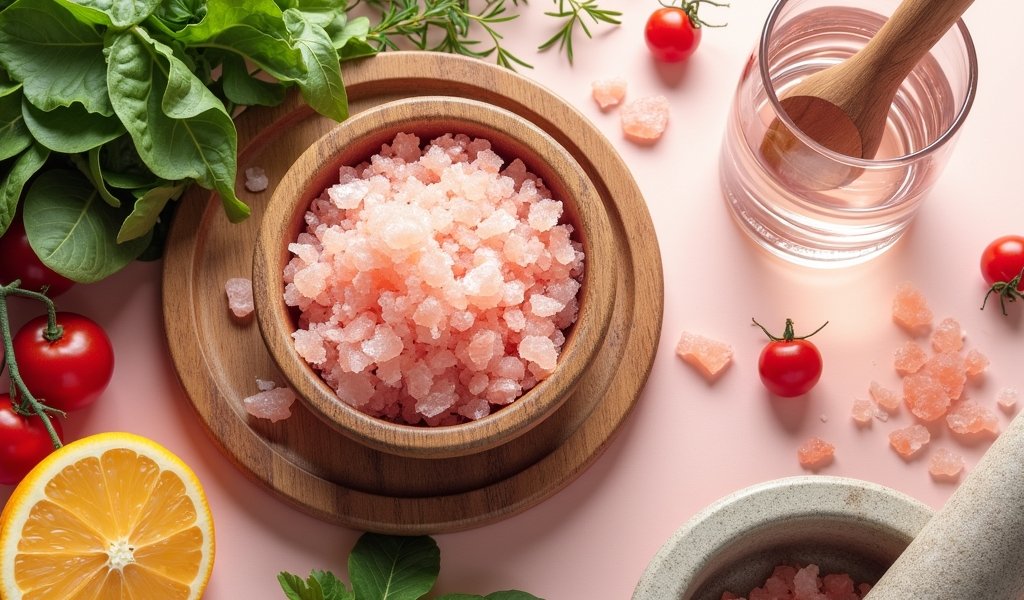
Many people benefit from starting their day with a pink salt elixir: stir ¼ teaspoon of fine pink salt into a glass of room temperature water with optional fresh lemon juice. This morning ritual may help stimulate digestion, support adrenal function, and replenish minerals after overnight fasting.
For an enhanced version, try adding a small amount of raw honey and apple cider vinegar for additional digestive benefits.
Pre and Post-Workout Support
Adding a pinch of pink salt to your water bottle before exercise may help prevent electrolyte depletion, especially during intense workouts or hot weather. Similarly, including a small amount in your post-workout recovery meal or drink can support rehydration and mineral replenishment.
Specialty Products
Beyond the standard granulated form, consider exploring:
- Pink salt cooking blocks for grilling fish or serving cold foods
- Salt grinders that allow fresh grinding for maximum flavor
- Bath salts for transdermal mineral absorption (though benefits are primarily relaxation rather than nutritional)
- Salt lamps, which may help purify air through hygroscopic properties
Myths and Facts About Pink Salt
The wellness world often exaggerates health claims, and pink salt has not been immune to this tendency. Let’s separate fact from fiction:
Myth: Pink Salt Contains Significantly More Minerals
While pink salt does contain more minerals than table salt, the quantities are relatively small. You would need to consume dangerous amounts of salt to get meaningful amounts of most trace minerals. For example, you’d get far more magnesium from a handful of spinach than from a day’s worth of pink salt.
Fact: Pink Salt Is Less Processed
Pink salt typically undergoes less processing than table salt and doesn’t contain additives like anti-caking agents. For those seeking minimally processed foods, this represents a legitimate advantage.
Myth: Pink Salt Detoxifies the Body
No salt can “pull toxins” from your cells or “cleanse” your system beyond supporting your body’s natural detoxification pathways. Your liver and kidneys handle detoxification, and while proper mineral balance supports their function, pink salt has no special detoxifying properties.
Fact: Flavor Differences Are Real
The mineral content in pink salt does create subtle but noticeable flavor differences compared to regular salt. Sensory studies confirm that many people can taste these differences, which may allow for reduced overall salt usage.
Myth: Pink Salt Cures Disease
Claims that pink salt can cure diabetes, eliminate autoimmune conditions, or treat serious illnesses are unfounded. While proper mineral balance supports overall health, pink salt is not medicinal in the conventional sense.
Fact: Quality and Sourcing Matter
Not all pink salt is created equal. Sourcing, mining practices, and testing for contaminants vary widely between brands. Higher-quality products typically come from established mines with regular testing protocols.
Potential Side Effects and Precautions
Despite its benefits, pink salt isn’t appropriate for everyone in unlimited amounts. Consider these important cautions:
Sodium Sensitivity
About 30% of people have sodium-sensitive blood pressure, meaning their blood pressure rises with increased sodium intake. If you’re in this group, you should limit all salt, including pink varieties. Monitor your blood pressure when making dietary changes involving salt.
Medical Conditions Requiring Caution
Several health conditions warrant special consideration regarding salt intake:
- Hypertension (high blood pressure)
- Kidney disease
- Heart failure
- Edema or fluid retention issues
- Certain medications that affect sodium balance
If you have any of these conditions, consult your healthcare provider before adjusting your salt intake or type.
Iodine Considerations
Unlike iodized table salt, pink salt generally contains minimal iodine—an essential mineral for thyroid function. If you switch completely to pink salt, ensure you’re getting iodine from other sources like seafood, dairy products, or seaweed.
Iodine deficiency can lead to thyroid problems, so this consideration is particularly important for pregnant women and those with limited dietary diversity.
Potential Contamination
Like any natural product, pink salt may contain trace contaminants depending on its source and processing. Research has found that some pink salt samples contain small amounts of heavy metals, though generally below harmful levels. Choose products that undergo regular testing and have transparent sourcing information.
Warning Signs of Excessive Intake
Watch for these signals that might indicate you’re consuming too much salt:
- Increased thirst or dry mouth
- Swelling in hands, feet, or face
- Headaches
- Elevated blood pressure
- Unusual fatigue
If you experience these symptoms after increasing pink salt consumption, reduce your intake and consult a healthcare professional if symptoms persist.
Getting Started with a Pink Salt Diet
Ready to incorporate pink salt into your wellness routine? Here’s a practical approach to getting started:
Begin with a Simple Replacement
Start by simply replacing your current table salt with high-quality pink salt. There’s no need for complicated protocols—just make a one-to-one swap in your cooking and table use. This allows you to become familiar with the taste differences while your body adjusts to the different mineral profile.
Quality Matters
Look for these indicators when purchasing pink salt:
- Clear labeling of origin (preferably from Pakistan’s Khewra mine)
- Vibrant pink color (pale products may be diluted or lower quality)
- Testing certification for purity
- Reputable brands with transparent sourcing information
Avoid extremely cheap products, as they may contain fillers or come from inferior sources.
Start Your Day Right
Try the morning salt water ritual mentioned earlier: ¼ teaspoon fine pink salt in warm water, optionally with lemon juice. This gentle practice helps set the stage for balanced hydration throughout the day and may support adrenal function.
Monitor Your Response
Pay attention to how your body responds to pink salt over the first few weeks. Many people notice improvements in energy, sleep quality, and digestion, while others might experience increased thirst or minor fluid retention. These observations help you personalize your approach.
Balance with Other Minerals
Remember that pink salt is just one source of minerals in a balanced diet. Continue to emphasize mineral-rich whole foods like:
- Leafy greens for magnesium and calcium
- Avocados and bananas for potassium
- Nuts and seeds for zinc and selenium
- Seafood for iodine and other trace minerals
This comprehensive approach ensures you’re not relying solely on salt for your mineral needs.
Conclusion
A pink salt diet isn’t about dramatic overhauls or extreme protocols—it’s simply about making a thoughtful upgrade to an ingredient you already use daily. By replacing processed table salt with minimally processed pink salt, you may enjoy subtle but meaningful benefits to your hydration, mineral balance, and overall wellbeing.
Remember that pink salt is not a miracle cure or complete mineral supplement. Its benefits come from supporting your body’s existing systems with a more complete mineral profile than conventional salt provides.
As with any dietary change, personalization is key. Some people thrive with increased mineral intake, while others need to monitor sodium carefully. By starting gradually, observing your body’s responses, and complementing pink salt with a nutrient-dense whole foods diet, you can determine the optimal approach for your unique needs.
Whether you’re drawn to pink salt for its culinary properties, potential health benefits, or simply its beautiful appearance, this guide provides a balanced framework for incorporating it wisely into your health journey.
Frequently Asked Questions
Is pink salt actually healthier than regular table salt?
Pink salt offers modest advantages through additional trace minerals and lack of additives found in table salt. The health difference is subtle rather than dramatic, and both should be consumed in moderation.
How much pink salt should I consume daily?
Follow standard sodium guidelines of less than 2,300mg daily (about 1 teaspoon of salt). Those with high blood pressure should aim for 1,500mg or less daily.
Will pink salt help me lose weight?
Pink salt itself doesn’t directly cause weight loss. It may support overall health and proper hydration, which can indirectly benefit weight management as part of a balanced diet.
Can I use pink salt if I have high blood pressure?
Consult your healthcare provider first, as all salt contains sodium which can affect blood pressure. If permitted, use very sparingly and monitor your blood pressure regularly.
Where can I buy authentic pink Himalayan salt?
Look for reputable brands at health food stores, specialty grocers, or trusted online retailers. Genuine products should specify they’re sourced from Pakistan’s Khewra Salt Mine region.