
Overview
This article provides a 7-day clear liquid diet plan for managing diverticulitis flare-ups, explaining what to include (broths, strained juices, clear gelatin) and avoid (solid foods, dairy, fiber) to allow the inflamed colon to heal. It details the gradual transition back to solid foods, emphasizes proper hydration techniques, and identifies warning signs that require immediate medical attention during recovery.
Table of Contents
- Understanding Diverticulitis: Why a Clear Liquid Diet Matters
- The Benefits of a Clear Liquid Diet for Diverticulitis
- What to Include in Your Diverticulitis Clear Liquid Diet
- What to Avoid During a Diverticulitis Flare-Up
- The Ultimate Diverticulitis 7-Day Clear Liquid Diet Plan
- Transitioning Back to Solid Foods Safely
- Hydration Tips While on a Clear Liquid Diet
- Supplements to Consider During Your Recovery
- When to Call Your Doctor
- Conclusion
- Frequently Asked Questions
Understanding Diverticulitis: Why a Clear Liquid Diet Matters
As a gastroenterologist with over 15 years of experience treating digestive disorders, I’ve guided countless patients through the challenging journey of managing diverticulitis. When those small pouches (diverticula) in your colon become inflamed or infected, the pain can be excruciating and the road to recovery complex.
Diverticulitis occurs when these pouches, formed in weakened areas of your colon wall, become infected or inflamed. The condition can range from mild to severe, often causing significant abdominal pain, fever, nausea, and changes in bowel habits. During acute flare-ups, your digestive system needs rest – and that’s precisely where a clear liquid diet becomes invaluable.
I remember working with Sarah, a 45-year-old teacher who came to me in severe pain from her first diverticulitis episode. “I never thought something could hurt this much,” she told me. Following our structured 7-day clear liquid approach not only resolved her immediate symptoms but gave her digestive tract the healing time it desperately needed.
The science behind this approach is straightforward: clear liquids reduce mechanical and chemical stimulation of the gastrointestinal tract, allowing inflammation to subside while still providing essential hydration. This temporary dietary modification serves as the cornerstone of conservative management for uncomplicated diverticulitis, often preventing hospitalization when implemented correctly.
The Benefits of a Clear Liquid Diet for Diverticulitis
When diverticulitis strikes, the primary goal becomes minimizing irritation to your already inflamed colon. A properly executed clear liquid diet delivers several crucial benefits that support healing:
- Reduced mechanical stress on the inflamed colon segments
- Decreased bacterial fermentation in the gut
- Maintained hydration without digestive irritation
- Provision of easily absorbed nutrients without fiber-related strain
- Lower risk of diverticular perforation during acute inflammation
From my clinical experience, patients who diligently follow a structured liquid diet during acute flares typically experience symptom improvement within 2-3 days. This approach allows the gastrointestinal mucosa to begin healing while avoiding the stimulation that solid foods trigger in the digestive process.
Studies from the American Gastroenterological Association support this approach, showing that bowel rest through liquid diets can significantly reduce complications in uncomplicated diverticulitis cases. While not a permanent solution, this temporary dietary intervention serves as a crucial first step in recovery.
What to Include in Your Diverticulitis Clear Liquid Diet
Creating an effective clear liquid regimen requires understanding exactly what qualifies as appropriate during this healing phase. I’ve refined this list over years of clinical practice to help patients navigate this challenging dietary restriction period.
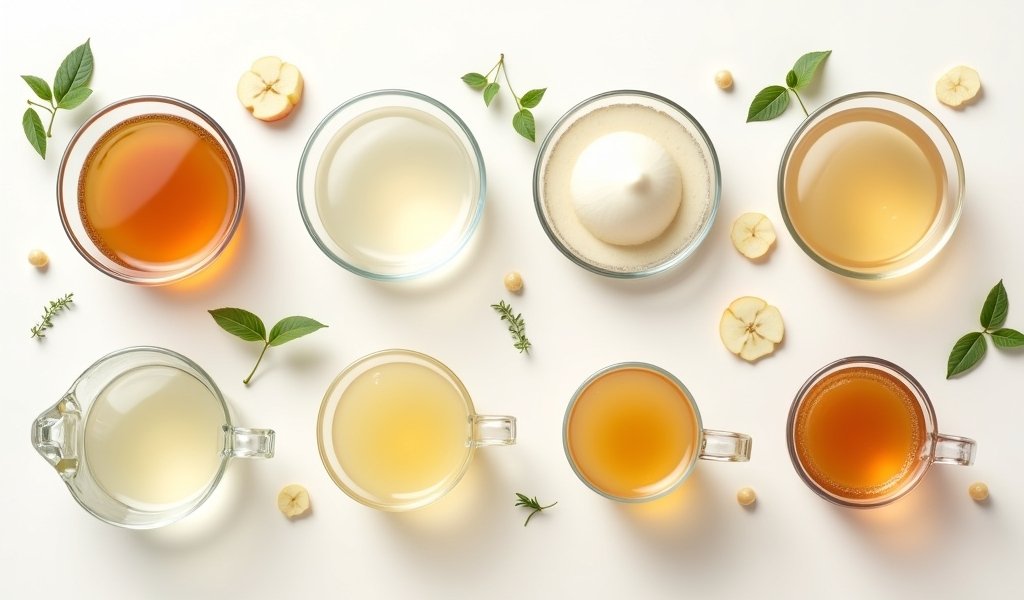
The key principle is transparency – these liquids should be see-through and contain no solid particles that could irritate your inflamed diverticula. Here’s what you can safely include:
- Water (plain, sparkling, or infused with sliced lemon)
- Clear broths (chicken, vegetable, or bone broth with fat removed)
- Strained fruit juices without pulp (apple, white grape, cranberry)
- Clear sports drinks for electrolyte replacement
- Tea without milk (herbal options like peppermint or ginger can be soothing)
- Clear gelatin desserts (avoid red or purple varieties if medical imaging is planned)
- Popsicles made from clear juices (without fruit chunks or dairy)
- Clear nutritional supplements recommended by your healthcare provider
I typically recommend that my patients prepare homemade bone broth before a flare-up occurs, as it provides more nutrients than store-bought alternatives. One of my patients, Michael, credits this approach with helping him maintain energy levels during his 7-day diverticulitis management plan.
When selecting clear liquid diet foods, prioritize options with electrolytes and some nutritional value rather than just sugar-water products. This strategic selection helps maintain your strength during this challenging period.
What to Avoid During a Diverticulitis Flare-Up
Just as important as knowing what to include is understanding what to strictly avoid during an acute diverticulitis episode. The wrong food choices can exacerbate inflammation and potentially lead to complications requiring medical intervention.
During my years specializing in gastrointestinal disorders, I’ve seen flare-ups prolonged by seemingly innocent dietary missteps. Here’s what to avoid entirely:
- All solid foods, regardless of consistency
- Dairy products (including milk, cream, and yogurt)
- Juices with pulp or fiber
- Alcoholic beverages of any kind
- Caffeinated drinks (which can stimulate intestinal contractions)
- Spicy broths or soups
- Thick, opaque liquids like smoothies or milkshakes
- Any supplements not approved by your healthcare provider
The exclusion of these items follows the principle of minimizing colonic stimulation. Consuming even small amounts of fiber, dairy, or irritants can trigger painful intestinal contractions and potentially delay healing of the inflamed diverticular segments.
I recall working with James, who experienced repeated setbacks because he couldn’t resist his morning coffee. Once he committed fully to the clear liquid protocol, his symptoms resolved within days. The temporary sacrifice of favorite foods truly pays dividends in faster recovery and reduced pain.
The Ultimate Diverticulitis 7-Day Clear Liquid Diet Plan
After guiding hundreds of patients through diverticulitis recovery, I’ve developed this systematic 7-day plan that balances nutritional needs with digestive rest. This structured approach to a diverticulitis clear liquid diet provides a daily framework while allowing for personal preference within safe parameters.
Day 1: Acute Phase
- Breakfast: Warm clear broth (chicken or vegetable) and apple juice diluted with water
- Mid-morning: Peppermint tea and clear gelatin dessert
- Lunch: Stronger broth with strained clear juice of choice
- Mid-afternoon: Coconut water for electrolytes
- Dinner: Clear vegetable broth and white grape juice
- Evening: Chamomile tea
Day 2: Continued Rest
- Breakfast: Bone broth and strained apple juice
- Mid-morning: Clear sports drink (half-strength)
- Lunch: Different flavor of clear broth with lemon-infused water
- Mid-afternoon: Clear gelatin
- Dinner: Enhanced broth with added salt for electrolytes
- Evening: Herbal tea of choice
Day 3: Nutritional Support
- Breakfast: Enriched broth with physician-approved clear liquid supplement
- Mid-morning: Clear electrolyte solution
- Lunch: Stronger bone broth with strained white grape juice
- Mid-afternoon: Clear fruit-flavored popsicle
- Dinner: Vegetable broth with diluted cranberry juice
- Evening: Ginger tea for digestive comfort
Day 4: Maintaining Hydration
- Breakfast: Clear chicken broth and apple juice
- Mid-morning: Coconut water
- Lunch: Enhanced bone broth with approved supplements
- Mid-afternoon: Clear fruit juice ice pops
- Dinner: Robust vegetable broth with white grape juice
- Evening: Lemon balm tea
Day 5: Preparation for Transition
- Breakfast: Nutrient-enhanced clear broth with diluted juice
- Mid-morning: Clear sports drink
- Lunch: Stronger flavor broth with strained apple juice
- Mid-afternoon: Clear gelatin with electrolyte drink
- Dinner: Well-strained bone broth with added salt
- Evening: Camomile or peppermint tea
Day 6: Assessment Day
- Breakfast: Light broth and diluted juice
- Mid-morning: Herbal tea
- Lunch: Enriched broth with electrolytes
- Mid-afternoon: Clear apple juice
- Dinner: Final day of clear broth-based dinner
- Evening: Soothing tea of choice
Day 7: Transition Preparation
- Breakfast: Light broth with diluted juice
- Mid-morning: Clear electrolyte drink
- Lunch: Simple broth with approved supplements
- Mid-afternoon: White grape juice diluted with water
- Dinner: Final clear broth meal (if symptoms have improved)
- Evening: Herbal tea
Remember to consume approximately 2-3 liters of total clear liquids daily during this period to maintain hydration. This structured 7-day diverticulitis plan should only be followed under medical supervision, with daily assessment of symptoms and adjustment as needed.
Transitioning Back to Solid Foods Safely
After successfully completing the 7-day clear liquid protocol, the transition back to solid foods requires careful planning. This phase is critically important—I’ve seen patients derail their recovery by rushing this process.
The gradual reintroduction follows what we clinically term a “stepwise progression” from low-residue to regular diet, typically spanning an additional 7-10 days. Here’s how to approach this delicate transition:
Days 1-2 Post-Liquid Diet: Begin with low-residue, easy-to-digest foods
- Plain white toast without butter
- Well-cooked, peeled potatoes
- Eggs (scrambled or soft-boiled)
- Plain white rice
- Canned fruits (no skins or seeds)
Days 3-5: Add gentle proteins and more carbohydrates
- Tender, well-cooked chicken or fish
- More varieties of well-cooked, seedless vegetables
- White pasta with light olive oil
- Smooth nut butters in small amounts
Days 6-10: Gradually expand to a modified fiber diet
- Well-cooked softer vegetables
- Soft fruits without skins
- Small amounts of whole grains
- Lean proteins of various types
My patient Elena found success by adding just one new food per day during this transition, allowing her to identify potential trigger foods. This methodical approach has proven effective for minimizing the risk of recurrent flares during the vulnerable post-acute phase.
According to Mayo Clinic research, this gradual reintroduction helps prevent the mechanical stress that could re-trigger inflammation in healing diverticular segments. Always monitor for symptoms during each stage of reintroduction.
Hydration Tips While on a Clear Liquid Diet
Maintaining proper hydration during your diverticulitis clear liquid diet is absolutely essential. In my practice, dehydration is the most common complication I see during this healing phase. Your body still needs 2-3 liters of fluids daily, which requires intentional planning.
Here are my clinic-tested strategies for staying adequately hydrated:
- Set a timer to remind yourself to drink every 30-45 minutes
- Vary your clear liquid options to prevent flavor fatigue
- Use room temperature liquids, which may be easier to consume in larger quantities
- Monitor urine color—aim for pale yellow as an indicator of good hydration
- Include electrolyte-containing options like clear sports drinks or broths
- Keep track of your daily intake in a simple log
I suggest my patients use the “divide and conquer” approach: calculate your target fluid intake and divide it by your waking hours. For example, if you’re awake 16 hours and need 2.5 liters, aim for about 160ml (5.4oz) per hour.
Consider using an insulated water bottle with measurement markings to track your progress throughout the day. My patient Robert found this visual reminder particularly helpful during his recovery period.
Supplements to Consider During Your Recovery
A clear liquid diet, while therapeutically necessary for diverticulitis management, is nutritionally inadequate for extended periods. During my years specializing in digestive disorders, I’ve developed a supplementation approach to support patients through this challenging healing phase.
Always consult with your healthcare provider before adding any supplements, as individual needs vary considerably. Here are potential supplements to discuss:
- Medically-approved clear protein supplements (specifically formulated for clear liquid diets)
- Liquid multivitamins (without iron, which can irritate the GI tract)
- Electrolyte supplements (especially if broth consumption is limited)
- Liquid vitamin C (supports tissue repair)
- Probiotic supplements (in liquid form, once approved by your physician)
In my practice, I typically recommend beginning with a basic clear protein supplement and electrolyte replacement, then evaluating the need for additional supplementation based on the duration of dietary restriction and individual patient factors.
Many of my patients benefit from specialized medical nutrition drinks designed specifically for clear liquid diets. These provide essential nutrients while adhering to the restrictions necessary for diverticular healing.
When to Call Your Doctor
While following your diverticulitis clear liquid diet and 7-day plan, it’s crucial to remain vigilant about warning signs that may indicate complications requiring immediate medical attention. As I tell all my patients, you are your own best advocate during recovery.
Contact your healthcare provider immediately if you experience:
- Fever exceeding 101°F (38.3°C) or chills
- Severe abdominal pain that worsens or changes character
- Inability to keep clear liquids down due to vomiting
- Bloody stools or rectal bleeding
- Signs of dehydration (extreme thirst, dizziness, decreased urination)
- No improvement after 3 days of the clear liquid diet
- New or worsening symptoms of any kind
I recall my patient Thomas, who initially hesitated to call about his worsening pain, thinking it was “just part of the healing process.” His diligence in ultimately reporting symptoms led to the discovery of a small abscess requiring treatment. Early intervention prevented a much more serious complication.
Remember that diverticulitis exists on a spectrum of severity, and what begins as a mild case can sometimes progress to one requiring more intensive intervention. The clear liquid diet is a therapeutic tool, not a substitute for proper medical monitoring.
Conclusion
Throughout my years treating digestive disorders, I’ve witnessed firsthand how a properly implemented diverticulitis clear liquid diet can dramatically improve outcomes and reduce recovery time. This 7-day plan represents not just clinical guidance but a practical roadmap to navigating one of the most challenging aspects of diverticulitis management.
The key to success lies in both adherence and awareness: strict compliance with dietary guidelines while remaining attentive to your body’s signals. Remember that this temporary dietary modification serves a crucial therapeutic purpose, allowing your inflamed colon the rest it needs to heal properly.
As you progress through your diverticulitis recovery journey, maintain open communication with your healthcare provider, follow the structured transition back to solid foods, and consider the preventive strategies discussed to minimize future flare-ups. With proper management, most patients can return to a modified but enjoyable diet with minimal restrictions.
Have you tried a clear liquid diet for diverticulitis before? I’d love to hear about your experience in the comments below. Share what worked well for you or any questions you might have about managing diverticulitis through dietary approaches. Your insights might help others navigating this challenging condition!
Frequently Asked Questions
How long should I stay on a clear liquid diet for diverticulitis?
Most patients should follow a clear liquid diet for 2-3 days during an acute flare-up. Extended periods beyond 7 days are not recommended without medical supervision due to nutritional inadequacy.
Can I drink coffee on a diverticulitis clear liquid diet?
Coffee is generally not recommended during acute diverticulitis flares as caffeine can stimulate intestinal contractions. Clear herbal teas are better alternatives during this healing phase.
Will a clear liquid diet cure my diverticulitis?
A clear liquid diet doesn’t cure diverticulitis but provides digestive rest to reduce inflammation and symptoms. It’s part of a comprehensive treatment approach that may include medications and other interventions.
Can I use meal replacement shakes during a diverticulitis flare?
Standard meal replacement shakes are typically not appropriate during a clear liquid diet phase. Only transparent, physician-approved liquid supplements specifically designed for clear liquid diets should be considered.
When should I seek emergency care during a diverticulitis flare?
Seek emergency care immediately for severe abdominal pain, high fever, inability to keep fluids down, or rectal bleeding. These symptoms may indicate complications requiring urgent medical intervention.