

Overview
The green Mediterranean diet enhances the traditional Mediterranean diet by incorporating specific plant foods like Mankai duckweed, walnuts, and green tea, offering five key benefits: enhanced weight loss, improved heart health, better blood sugar control, reduced inflammation, and brain health protection. This evidence-backed eating approach focuses on nutrient-dense plants and healthy fats while reducing animal proteins, creating a sustainable pattern that delivers measurable health improvements in as little as 2-4 weeks.
Table of Contents
- What Is the Green Mediterranean Diet?
- Traditional Mediterranean vs. Green Mediterranean: Key Differences
- Key Benefit #1: Enhanced Weight Loss Results
- Key Benefit #2: Improved Heart Health Markers
- Key Benefit #3: Better Blood Sugar Control
- Key Benefit #4: Reduced Inflammation
- Key Benefit #5: Brain Health Protection
- Getting Started: Your Green Mediterranean Diet Action Plan
- Common Challenges and How to Overcome Them
- Conclusion: Is the Green Mediterranean Diet Right for You?
- Frequently Asked Questions
Looking to supercharge your health journey with something that actually works? The green Mediterranean diet might just be your answer. As a nutrition specialist who’s seen countless diet trends come and go, I’m genuinely excited about this evidence-backed approach that takes an already stellar eating pattern and elevates it to new heights.
The traditional Mediterranean diet has long been celebrated for its impressive health benefits. Now, this “greener” version incorporates specific plant-based powerhouses that amplify those benefits even further. Let’s explore how this refreshed approach could transform your health in ways you might not expect.
What Is the Green Mediterranean Diet?
The green Mediterranean diet is essentially the classic Mediterranean eating pattern with a strategic plant-based upgrade. While the traditional version already emphasizes vegetables, fruits, whole grains, and healthy fats, the green Med diet takes things a step further by incorporating specific plant foods with exceptional nutritional profiles.
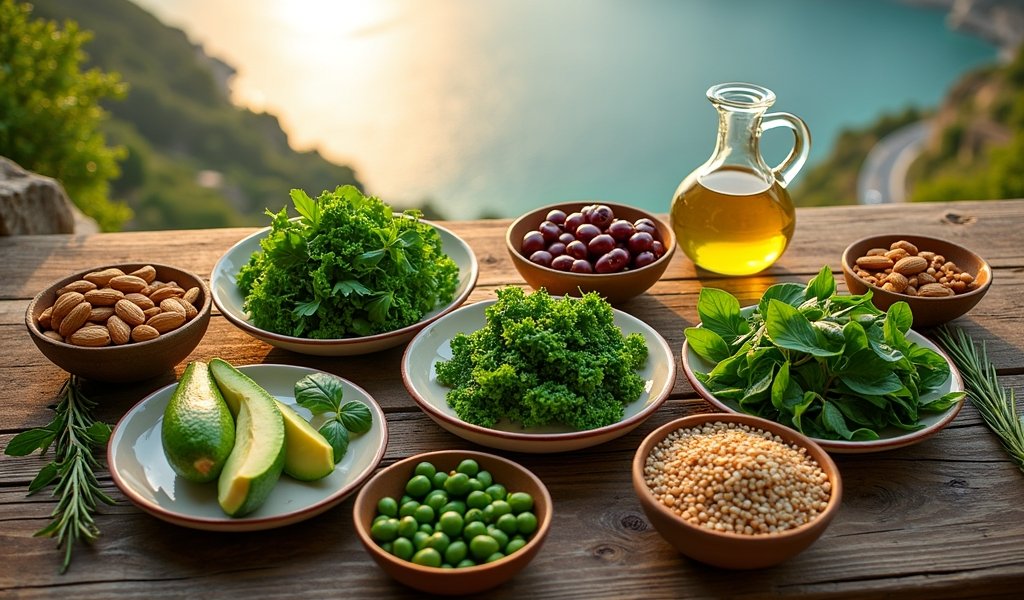
At its core, the green Mediterranean diet includes three key additions: Mankai duckweed (a nutrient-dense aquatic plant), walnuts, and 3-4 cups of green tea daily. These aren’t random additions—they’re carefully selected for their polyphenol content, which are powerful plant compounds with antioxidant and anti-inflammatory properties.
What makes this approach particularly interesting is that it maintains the enjoyable, sustainable nature of Mediterranean eating while strategically boosting certain health benefits. You’re still enjoying delicious meals, just with some targeted nutritional enhancements.
Research from the American Heart Association suggests this greener approach may offer advantages beyond the traditional Mediterranean diet, particularly for cardiovascular health and weight management.
Traditional Mediterranean vs. Green Mediterranean: Key Differences
Before diving into the benefits, it’s helpful to understand exactly how the green Mediterranean diet differs from its traditional counterpart. Both share the same foundation, but the green version makes some distinctive adjustments:
- More plant proteins, less animal protein – The green version further reduces (but doesn’t eliminate) red and processed meats, replacing them with plant proteins like legumes and Mankai duckweed.
- Strategic polyphenol boost – The addition of specific foods like Mankai, walnuts, and green tea dramatically increases polyphenol intake.
- Higher fiber content – The emphasis on plant foods naturally increases daily fiber intake, supporting digestive health and satiety.
- Reduced processed foods – While the traditional Mediterranean diet limits processed foods, the green version takes an even stricter stance.
If you’re familiar with the vegetarian Mediterranean diet, you’ll notice some similarities, though the green Med diet isn’t completely vegetarian and has those specific additions I mentioned earlier.
Now, let’s look at what these changes mean for your health with the five key benefits that make the green Mediterranean diet worth considering.

Key Benefit #1: Enhanced Weight Loss Results
If you’ve been struggling with stubborn weight loss plateaus, the green Mediterranean diet might provide the breakthrough you’ve been looking for. Research published in the journal Heart found that participants following the green Mediterranean diet lost significantly more weight than those on either the traditional Mediterranean diet or a basic healthy diet.
In the study, green Mediterranean dieters lost an average of 14 pounds over six months, compared to 12 pounds for traditional Mediterranean and 10 pounds for those following standard healthy diet recommendations. What’s even more impressive is where that weight came from.
The green Mediterranean group showed a remarkable 14% reduction in visceral fat—the dangerous fat that wraps around your internal organs and is linked to numerous health problems. This isn’t just about looking better (though that’s a nice bonus); it’s about meaningful improvements in your metabolic health.
Why does this approach work so well for weight management? Several factors come into play:
- The higher fiber content keeps you feeling fuller longer
- Polyphenols may help regulate fat metabolism and reduce fat absorption
- Green tea contains compounds that may boost metabolism
- The protein-rich nature of the diet supports muscle maintenance during weight loss
Perhaps most importantly, many people find this eating pattern satisfying and enjoyable, making it sustainable for the long term—which is ultimately what matters most for weight management success.
Key Benefit #2: Improved Heart Health Markers
Heart disease remains the leading cause of death worldwide, making cardiovascular protection one of the most compelling reasons to consider the green Mediterranean diet. The traditional Mediterranean diet is already well-established as heart-healthy, but the green version takes these benefits even further.
In clinical trials, participants following the green Mediterranean diet showed impressive improvements in several cardiac risk factors:
- LDL cholesterol: Greater reductions in “bad” cholesterol compared to traditional Mediterranean eaters
- HDL cholesterol: More significant increases in beneficial HDL cholesterol
- Blood pressure: Enhanced reductions in both systolic and diastolic readings
- Endothelial function: Improved flexibility and function of blood vessel linings
What’s particularly interesting is the impact on something called “diastolic dysfunction”—an early indicator of potential heart failure. Research has found the green Mediterranean diet may help improve this marker more effectively than other dietary approaches.
The combination of heart-healthy fats from olive oil, omega-3s from walnuts, and the anti-inflammatory compounds in Mankai and green tea creates a powerful synergy for cardiovascular protection. If heart health is a priority for you (and it should be for all of us), this benefit alone makes the green Mediterranean diet worth serious consideration.
Key Benefit #3: Better Blood Sugar Control
Whether you’re concerned about diabetes risk or simply want to avoid the energy crashes that come with blood sugar spikes, the green Mediterranean diet offers impressive benefits for glucose regulation. This is particularly relevant given that over 100 million Americans have diabetes or prediabetes.
Studies show the green Mediterranean approach can lead to:
- Lower fasting glucose levels
- Reduced insulin resistance
- Better post-meal blood sugar responses
- Decreased hemoglobin A1C (a measure of long-term blood sugar control)
The mechanisms behind these improvements are multi-faceted. The high fiber content slows carbohydrate absorption, preventing rapid blood sugar spikes. Meanwhile, polyphenols appear to enhance insulin sensitivity at the cellular level, helping your body use insulin more efficiently.
What’s particularly notable is that these benefits seem to occur even without dramatic weight loss, suggesting the specific composition of the diet—not just its effect on weight—plays an important role in blood sugar regulation.
For anyone looking to incorporate more plant-based meals while maintaining stable energy levels throughout the day, this blood sugar-stabilizing effect is a significant advantage.
Key Benefit #4: Reduced Inflammation
Chronic inflammation is increasingly recognized as a root cause of many modern diseases, from arthritis to heart disease to certain cancers. One of the most powerful aspects of the green Mediterranean diet is its comprehensive anti-inflammatory effect.
Research has shown that following this eating pattern can lead to measurable reductions in inflammatory markers like C-reactive protein (CRP) and interleukin-6 (IL-6). In fact, some studies suggest the green Mediterranean approach may reduce certain inflammatory markers by up to 30% more than the traditional version.
The anti-inflammatory power comes from multiple sources:
- Polyphenols from Mankai, green tea, and various fruits and vegetables
- Omega-3 fatty acids from walnuts and fish
- Reduced intake of pro-inflammatory foods like processed meats
- Prebiotic fibers that support a healthy gut microbiome (which plays a crucial role in regulating inflammation)
For those dealing with inflammatory conditions like arthritis, digestive issues, or even just general aches and pains, this anti-inflammatory effect could translate to noticeable improvements in how you feel day-to-day. Many followers report reduced joint pain, better digestion, and clearer skin—all potential manifestations of decreased systemic inflammation.
Key Benefit #5: Brain Health Protection
As we age, protecting our cognitive function becomes increasingly important. Emerging research suggests the green Mediterranean diet may offer significant neuroprotective benefits that could help maintain brain health and potentially reduce the risk of cognitive decline.
A 2021 study published in The American Journal of Clinical Nutrition found that participants following the green Mediterranean diet showed better preservation of brain volume and slowed age-related brain atrophy compared to those on other diets. They specifically observed benefits in areas of the brain associated with cognitive function and healthy aging.
Several components of the diet appear to contribute to these brain benefits:
- Polyphenols: These plant compounds can cross the blood-brain barrier and may help reduce oxidative stress in brain tissue
- Omega-3 fatty acids: Essential structural components of brain cell membranes
- B vitamins: Abundant in green leafy vegetables and whole grains, support neurotransmitter function
- Reduced inflammation: Helps prevent damage to delicate neural tissues
Perhaps most interesting is the diet’s potential impact on BDNF (brain-derived neurotrophic factor)—a protein that promotes the survival of nerve cells and is associated with cognitive function. Some studies suggest the green Mediterranean pattern may help maintain healthy BDNF levels, potentially supporting everything from mood regulation to memory formation.
For anyone concerned about maintaining sharp mental function as they age, this brain-protective effect represents a compelling reason to consider the green Mediterranean approach.
Getting Started: Your Green Mediterranean Diet Action Plan
Ready to give the green Mediterranean diet a try? Here’s a straightforward action plan to help you get started without feeling overwhelmed:
Week 1: Foundation Building
- Replace butter with extra virgin olive oil
- Add 1-2 servings of leafy greens daily
- Incorporate 1 ounce of walnuts into your daily routine
- Begin drinking 1-2 cups of green tea daily
- Reduce red meat consumption to once a week maximum
Week 2: Expanding Your Plant Base
- Introduce more legumes (chickpeas, lentils, beans) at least 3 times weekly
- Try incorporating Mankai duckweed if available, or substitute with other nutrient-dense greens like spirulina
- Increase green tea consumption to 3-4 cups daily
- Add more colorful vegetables to each meal
- Experiment with whole grains like farro, bulgur, or freekeh
Week 3: Fine-Tuning
- Limit processed foods to occasional treats only
- Include fatty fish like salmon or sardines twice weekly
- Practice mindful eating with Mediterranean-style leisurely meals
- Incorporate fresh herbs and spices liberally for flavor
- Consider intermittent fasting if it suits your lifestyle
Remember, this isn’t about perfection—it’s about progress. The Mediterranean approach has always been about enjoyment and sustainability, so focus on making changes you can maintain long-term rather than drastic overnight transformations.
Common Challenges and How to Overcome Them
While the green Mediterranean diet offers impressive benefits, like any dietary change, you might face some challenges along the way. Here’s how to address some common obstacles:
Challenge: Finding Mankai Duckweed
Mankai isn’t widely available in all areas yet. If you can’t find it, don’t worry—you can substitute with other nutrient-dense greens like spirulina, chlorella, or even a combination of spinach and watercress. The goal is to increase your intake of nutrient-dense green plants, not necessarily to follow a rigid formula.
Challenge: Green Tea Fatigue
Drinking 3-4 cups of green tea daily can become monotonous. Try different varieties (sencha, matcha, jasmine), experiment with temperatures (hot or iced), or add natural flavors like mint or lemon. If caffeine sensitivity is an issue, consider decaffeinated versions for afternoon consumption.
Challenge: Social Dining Situations
Eating out or at social gatherings can be tricky when following any specialized diet. Focus on vegetable-forward dishes, ask for olive oil instead of butter, and remember that occasional flexibility is part of the Mediterranean philosophy. One meal off plan won’t derail your progress.
Challenge: Family Resistance
If your household isn’t on board with dietary changes, try a gradual approach. Start by making simple swaps that won’t drastically change familiar meals (like using olive oil instead of butter), then slowly introduce new plant-based dishes alongside family favorites. Many Mediterranean dishes are naturally crowd-pleasers!
Remember that adaptability is key to long-term success. The green Mediterranean diet is a template, not a rigid set of rules, so feel free to adapt it to your personal circumstances while keeping the core principles intact.
Conclusion: Is the Green Mediterranean Diet Right for You?
After examining the research and benefits, it’s clear that the green Mediterranean diet offers a scientifically sound approach to eating that combines the time-tested wisdom of traditional Mediterranean patterns with strategic plant-based enhancements.
The five key benefits we’ve covered—enhanced weight loss, improved heart health, better blood sugar control, reduced inflammation, and brain health protection—make a compelling case for giving this approach serious consideration, especially if you’re looking for a sustainable eating pattern with multiple health benefits.
What makes the green Mediterranean diet particularly appealing is its flexibility and focus on addition rather than deprivation. You’re adding nutrient-dense foods to your plate, not just taking things away. And unlike many trendy diets, this approach has substantial research backing its effectiveness.
That said, the best diet is always the one you can maintain long-term. If certain aspects of the green Mediterranean diet seem challenging for your lifestyle, remember that even partial implementation can bring benefits. Start with the changes that seem most manageable, and gradually build from there.
Your health journey is personal, and the green Mediterranean diet offers a roadmap—not a rigid set of rules. By focusing on nutrient-dense plants, healthy fats, and strategic additions like green tea and walnuts, you’re giving your body powerful tools to thrive.
Frequently Asked Questions
What makes the green Mediterranean diet different from the regular Mediterranean diet?
The green Mediterranean diet includes additional plant components like Mankai duckweed, walnuts, and 3-4 cups of green tea daily. It also further reduces red meat and emphasizes more plant proteins than the traditional version.
Can I follow the green Mediterranean diet if I can’t find Mankai duckweed?
Absolutely! While Mankai is a cornerstone of the research, you can substitute other nutrient-dense greens like spirulina or a combination of leafy greens. Focus on the principles rather than specific ingredients.
Is the green Mediterranean diet suitable for vegetarians and vegans?
Yes, this diet is very adaptable for vegetarians and can be modified for vegans by focusing on plant proteins and omitting the occasional fish. The core principles work well with plant-based eating patterns.
How long before I might see results on the green Mediterranean diet?
Many people report feeling more energetic within days, while measurable changes in weight and blood markers typically appear within 2-4 weeks. More significant health improvements generally develop over 3-6 months of consistent adherence.
Do I need to count calories on the green Mediterranean diet?
Calorie counting isn’t a focus of this eating pattern. Instead, emphasis is placed on food quality, mindful eating, and natural portion control through fiber-rich, satisfying foods.