

Overview
This article presents ten anti-inflammatory recipes and their health benefits, including turmeric milk, salmon bowls, and berry smoothies, alongside explanations of how specific ingredients like omega-3s, curcumin, and antioxidants fight inflammation at the cellular level. The piece emphasizes how adopting an anti-inflammatory diet can naturally manage chronic pain, arthritis, and other inflammation-related conditions through consistent consumption of foods like fatty fish, colorful produce, healthy fats, spices, and whole grains while limiting processed foods, refined carbs, and industrial oils.
Table of Contents
- Understanding Inflammation and How Food Affects It
- Key Anti-Inflammatory Foods to Include in Your Diet
- Recipe #1: Golden Turmeric Milk
- Recipe #2: Mediterranean Salmon Bowl
- Recipe #3: Berry and Walnut Anti-Inflammatory Smoothie
- Recipe #4: Ginger and Garlic Vegetable Soup
- Recipe #5: Avocado and Leafy Green Salad
- Recipe #6: Rainbow Quinoa Bowl
- Recipe #7: Anti-Inflammatory Chia Pudding
- Recipe #8: Sweet Potato Toast with Toppings
- Recipe #9: Turmeric Lentil Curry
- Recipe #10: Dark Chocolate and Cherry Bark
- Meal Planning Tips for an Anti-Inflammatory Diet
- Conclusion
- Frequently Asked Questions
Understanding Inflammation and How Food Affects It
Living with chronic pain can feel like being trapped in your own body. If you’re among the millions seeking relief, you might be surprised to learn that what’s on your plate could be either fueling or fighting your pain. Inflammation is your body’s natural response to injury or infection, but when it becomes chronic, it transforms from protector to perpetrator.
The good news? An anti-inflammatory diet can help manage this response naturally. As a nutritional therapist who’s worked with countless pain sufferers, I’ve seen remarkable improvements when patients adopt anti-inflammatory eating patterns. The connection between diet and inflammation is backed by substantial research, including studies from Harvard Medical School showing that certain foods can combat the inflammatory process at a cellular level.
Think of anti-inflammatory foods as tiny firefighters, extinguishing the low-grade inflammation that contributes to chronic pain, arthritis, digestive issues, and even depression. Rather than simply masking symptoms like medications often do, these foods address inflammation at its source.
Key Anti-Inflammatory Foods to Include in Your Diet
Before diving into specific recipes, let’s understand which foods should star in an anti-inflammatory diet:
- Fatty fish (salmon, mackerel, sardines) rich in omega-3 fatty acids
- Colorful fruits and vegetables (berries, leafy greens, sweet potatoes)
- Healthy fats from olive oil, avocados, and nuts
- Spices like turmeric, ginger, and cinnamon
- Green tea and other antioxidant-rich beverages
- Whole grains and legumes for fiber
Equally important is knowing which foods to limit or avoid:
- Processed foods with artificial ingredients
- Refined carbohydrates and added sugars
- Excessive alcohol consumption
- Industrial seed oils high in omega-6 fatty acids
- Processed meats and high-temperature cooked meats
Now, let’s transform these ingredients into delicious meals that fight inflammation with every bite.
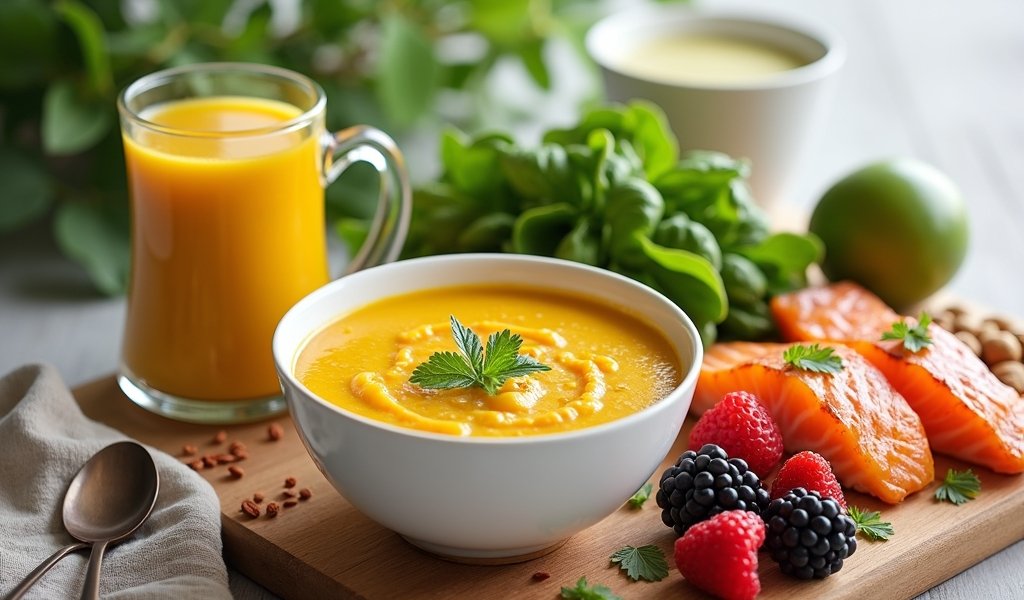
Recipe #1: Golden Turmeric Milk
This soothing beverage has been used in Ayurvedic medicine for centuries. Modern research confirms turmeric’s active compound, curcumin, inhibits inflammatory pathways in the body – similar to how some anti-inflammatory medications work, but without the side effects.
Ingredients:
- 1 cup unsweetened almond or coconut milk
- 1 teaspoon ground turmeric (or 1 tablespoon fresh grated)
- ½ teaspoon ground cinnamon
- Small piece fresh ginger, grated (about ½ teaspoon)
- 1 pinch black pepper (enhances curcumin absorption)
- 1 teaspoon honey or maple syrup (optional)
Instructions:
- In a small saucepan, gently warm the milk over medium heat.
- Add the turmeric, cinnamon, ginger, and black pepper.
- Whisk continuously for about 3-5 minutes until everything is well combined and warm.
- Remove from heat, strain if desired, and sweeten to taste.
- Enjoy before bedtime for best anti-inflammatory and sleep-enhancing effects.
This golden milk is particularly effective for joint pain and muscle soreness. The combination of turmeric and black pepper increases curcumin absorption by up to 2,000%, making it much more powerful than turmeric alone.
Recipe #2: Mediterranean Salmon Bowl
Omega-3 fatty acids are inflammation-fighting superstars, and fatty fish like salmon is one of the best sources. This bowl combines several anti-inflammatory powerhouses in one delicious meal.
Ingredients:
- 4 oz wild-caught salmon fillet
- 1 cup mixed greens
- ½ cup cooked quinoa
- ¼ avocado, sliced
- ½ cup cucumber, chopped
- ¼ cup cherry tomatoes, halved
- 1 tablespoon olives, sliced
- 1 tablespoon extra virgin olive oil
- 1 tablespoon lemon juice
- 1 teaspoon dried oregano
- Salt and pepper to taste
Instructions:
- Preheat oven to 400°F. Season salmon with a drizzle of olive oil, salt, and pepper.
- Bake salmon for 10-12 minutes until just cooked through.
- While salmon cooks, arrange quinoa and mixed greens in a bowl.
- Add cucumber, tomatoes, olives, and avocado.
- In a small bowl, whisk together olive oil, lemon juice, oregano, salt, and pepper.
- Place cooked salmon on top of the bowl and drizzle with the dressing.
This Mediterranean-inspired recipe delivers a triple dose of anti-inflammatory compounds: omega-3s from salmon, monounsaturated fats from olive oil and avocado, and polyphenols from the vegetables and herbs. Research shows people who eat Mediterranean diets have lower levels of inflammatory markers in their bloodstream.
Recipe #3: Berry and Walnut Anti-Inflammatory Smoothie
For busy mornings, this smoothie packs several anti-inflammatory ingredients into a quick breakfast. Berries contain anthocyanins that inhibit inflammatory compounds, while walnuts add omega-3 fatty acids and antioxidants.
Ingredients:
- 1 cup mixed berries (strawberries, blueberries, blackberries)
- 1 handful baby spinach
- ¼ cup walnuts
- 1 tablespoon ground flaxseed
- 1 cup unsweetened almond milk
- ½ teaspoon cinnamon
- ½ frozen banana (optional, for sweetness)
- Ice cubes as needed
Instructions:
- Add all ingredients to a blender.
- Blend on high speed until smooth and creamy.
- Add more almond milk if you prefer a thinner consistency.
- Pour into a glass and enjoy immediately.
This vibrant purple smoothie isn’t just Instagram-worthy – it’s scientifically proven to reduce inflammation. A 2016 study published in the Journal of Nutrition found that consuming berries reduced inflammatory markers in overweight adults in just 8 weeks. The spinach adds lutein, another compound with anti-inflammatory properties.
Recipe #4: Ginger and Garlic Vegetable Soup
When inflammation leaves you feeling achy and tired, nothing soothes like a warm bowl of soup. This recipe combines multiple anti-inflammatory ingredients for maximum benefit.
Ingredients:
- 1 tablespoon olive oil
- 1 onion, diced
- 3 garlic cloves, minced
- 2-inch piece fresh ginger, grated
- 2 carrots, chopped
- 2 celery stalks, chopped
- 1 sweet potato, cubed
- 4 cups vegetable broth (low sodium)
- 1 cup kale or spinach, chopped
- 1 teaspoon turmeric
- ½ teaspoon black pepper
- Salt to taste
- Fresh parsley for garnish
Instructions:
- Heat olive oil in a large pot over medium heat.
- Add onion and cook until translucent, about 3 minutes.
- Add garlic and ginger, sauté for 1 minute until fragrant.
- Add carrots, celery, and sweet potato. Cook for 5 minutes, stirring occasionally.
- Stir in turmeric and black pepper, then add vegetable broth.
- Bring to a boil, then reduce heat and simmer for 15-20 minutes until vegetables are tender.
- Add kale or spinach during the last 2 minutes of cooking.
- Season with salt and garnish with fresh parsley before serving.
Ginger and turmeric are traditional anti-inflammatory agents with modern scientific backing. Ginger contains compounds called gingerols that inhibit inflammation-causing molecules, while garlic provides sulfur compounds that dampen inflammatory responses. This soup can be frozen in individual portions for a quick anti-inflammatory meal when pain flares up.
Recipe #5: Avocado and Leafy Green Salad
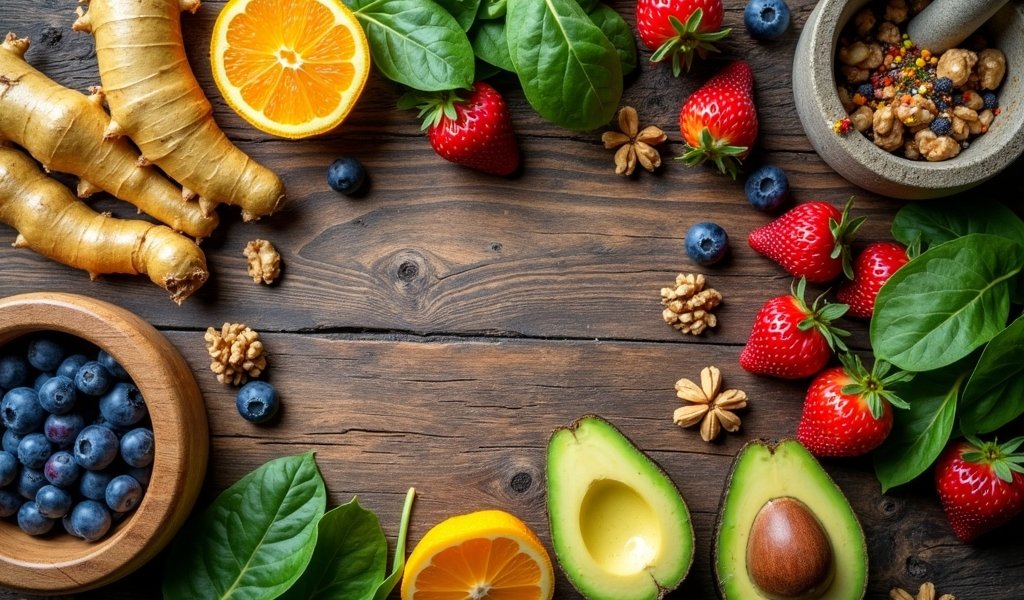
Dark leafy greens are packed with antioxidants that neutralize inflammatory free radicals. Combined with avocado’s healthy fats, this salad helps reduce inflammation while supporting cellular repair.
Ingredients:
- 4 cups mixed dark leafy greens (spinach, arugula, kale)
- 1 ripe avocado, sliced
- ¼ cup walnuts, chopped
- ¼ cup blueberries
- ¼ red onion, thinly sliced
- 2 tablespoons extra virgin olive oil
- 1 tablespoon apple cider vinegar
- 1 teaspoon Dijon mustard
- 1 teaspoon honey (optional)
- Salt and pepper to taste
Instructions:
- Place the greens in a large salad bowl.
- Add avocado slices, walnuts, blueberries, and red onion.
- In a small jar, combine olive oil, apple cider vinegar, Dijon mustard, honey (if using), salt, and pepper. Shake well.
- Drizzle dressing over the salad just before serving and toss gently.
The monounsaturated fats in avocados have been shown to reduce inflammatory markers, particularly C-reactive protein. The combination of these healthy fats with the high antioxidant content of dark leafy greens creates a synergistic anti-inflammatory effect greater than either food alone.
Recipe #6: Rainbow Quinoa Bowl
Eating a variety of colorful vegetables ensures you get a wide spectrum of anti-inflammatory compounds. This quinoa bowl is as nutritious as it is visually appealing.
Ingredients:
- 1 cup cooked quinoa
- 1 cup roasted sweet potato cubes
- ½ cup roasted red bell pepper, sliced
- ½ cup shredded purple cabbage
- ½ cup chickpeas, rinsed and drained
- ¼ avocado, sliced
- 2 tablespoons pumpkin seeds
- 2 tablespoons tahini
- 1 tablespoon lemon juice
- 1 garlic clove, minced
- 1 tablespoon water (to thin dressing)
- ½ teaspoon ground cumin
- Salt and pepper to taste
Instructions:
- Arrange cooked quinoa in the bottom of a bowl.
- Arrange sweet potato, bell pepper, purple cabbage, chickpeas, and avocado on top of the quinoa.
- In a small bowl, whisk together tahini, lemon juice, garlic, water, cumin, salt, and pepper.
- Drizzle the dressing over the bowl and sprinkle with pumpkin seeds.
This bowl follows the “eat the rainbow” principle – different colored vegetables contain different phytonutrients with unique anti-inflammatory properties. Purple cabbage contains anthocyanins, sweet potatoes provide beta-carotene, and red peppers are rich in vitamin C – all of which help combat inflammation through different pathways.
Recipe #7: Anti-Inflammatory Chia Pudding
Chia seeds are packed with omega-3 fatty acids and fiber – both crucial for fighting inflammation. This make-ahead breakfast or dessert option satisfies sweet cravings while delivering anti-inflammatory benefits.
Ingredients:
- ¼ cup chia seeds
- 1 cup unsweetened almond or coconut milk
- 1 tablespoon maple syrup or honey
- ½ teaspoon vanilla extract
- ½ teaspoon ground cinnamon
- Pinch of sea salt
- Toppings: fresh berries, unsweetened coconut flakes, chopped nuts
Instructions:
- In a jar or container, combine chia seeds, milk, sweetener, vanilla, cinnamon, and salt.
- Stir well to prevent clumping.
- Cover and refrigerate for at least 4 hours or overnight.
- Before serving, stir again and add more milk if needed to reach desired consistency.
- Top with fresh berries, coconut flakes, or chopped nuts.
Chia seeds contain alpha-linolenic acid (ALA), a plant-based omega-3 that helps regulate inflammation. The high fiber content also supports a healthy gut microbiome, which plays a crucial role in systemic inflammation. For added anti-inflammatory benefits, top with berries rich in anthocyanins.
Recipe #8: Sweet Potato Toast with Toppings
This grain-free alternative to traditional toast provides a versatile canvas for anti-inflammatory toppings while delivering beta-carotene and fiber.
Ingredients:
- 1 medium sweet potato
- Toppings (choose from):
- Avocado and red pepper flakes
- Almond butter and banana slices
- Hummus and cucumber
- Smoked salmon and capers
Instructions:
- Wash and dry the sweet potato. Slice lengthwise into ¼-inch thick slices.
- Toast the slices in a toaster on high setting 2-3 times until tender (or bake at 400°F for 15-20 minutes).
- Top with your choice of anti-inflammatory ingredients.
- For avocado toast: mash ¼ avocado with a pinch of salt, spread on sweet potato, and sprinkle with red pepper flakes.
- For almond butter: spread 1 tablespoon almond butter and top with banana slices.
Sweet potatoes are rich in beta-carotene, which the body converts to vitamin A – a crucial nutrient for reducing inflammation. Their natural sweetness makes them satisfying, while their complex carbohydrates help maintain stable blood sugar levels, preventing the inflammation that can come with blood sugar spikes.
Recipe #9: Turmeric Lentil Curry
This warming curry combines multiple anti-inflammatory spices with protein-rich lentils for a satisfying meal. It’s especially helpful for joint pain sufferers.
Ingredients:
- 1 cup red lentils, rinsed
- 1 tablespoon coconut oil
- 1 onion, diced
- 3 garlic cloves, minced
- 1-inch piece ginger, grated
- 1 tablespoon curry powder
- 1 teaspoon ground turmeric
- ½ teaspoon ground cumin
- ¼ teaspoon cayenne pepper (optional)
- 1 can (14 oz) coconut milk
- 1 cup vegetable broth
- 2 cups spinach, chopped
- Salt to taste
- Fresh cilantro for garnish
- Lime wedges for serving
Instructions:
- Heat coconut oil in a large pot over medium heat.
- Add onion and cook until softened, about 5 minutes.
- Add garlic and ginger, cook for 1 minute until fragrant.
- Stir in curry powder, turmeric, cumin, and cayenne (if using).
- Add lentils, coconut milk, and vegetable broth. Bring to a boil.
- Reduce heat, cover, and simmer for 15-20 minutes until lentils are tender.
- Stir in spinach and cook until wilted.
- Season with salt to taste and garnish with cilantro.
- Serve with lime wedges.
This curry incorporates several spices used in the Autoimmune Protocol diet, which specifically targets inflammation. Turmeric, ginger, and garlic work synergistically to reduce inflammatory markers, while the protein from lentils helps repair tissues damaged by chronic inflammation.
Recipe #10: Dark Chocolate and Cherry Bark
Yes, even dessert can be anti-inflammatory! This simple bark combines dark chocolate’s flavonoids with the anthocyanins in cherries for a powerful anti-inflammatory treat.
Ingredients:
- 8 oz dark chocolate (70% cocoa or higher)
- ½ cup dried unsweetened cherries
- ¼ cup pistachios, chopped
- ¼ teaspoon sea salt flakes
Instructions:
- Line a baking sheet with parchment paper.
- Melt chocolate in a double boiler or microwave in 30-second intervals, stirring between each.
- Once chocolate is fully melted, pour onto the parchment paper and spread into a thin layer.
- Sprinkle with dried cherries, pistachios, and sea salt while still wet.
- Refrigerate for at least 30 minutes until hardened.
- Break into pieces and store in an airtight container.
Dark chocolate contains flavonoids that have been shown to reduce inflammation, particularly in the cardiovascular system. Combining it with cherries, which contain powerful anthocyanins that reduce inflammatory enzymes, creates a dessert that actually helps fight pain rather than exacerbating it. Enjoy a small piece after dinner as a therapeutic treat.
Meal Planning Tips for an Anti-Inflammatory Diet
Consistency is key when using diet to manage inflammation. Here are some practical tips for incorporating these recipes into your regular routine:
- Prep ingredients in advance: Chop vegetables, cook grains, and prepare dressings on weekends.
- Follow the 2/3 rule: Aim for anti-inflammatory foods to make up at least two-thirds of every meal.
- Start with breakfast: The morning sets your inflammatory tone for the day. Choose anti-inflammatory options to start strong.
- Keep anti-inflammatory snacks on hand: Nuts, cut vegetables, and berries make easy grab-and-go options.
- Stay hydrated: Even mild dehydration can increase inflammatory markers. Drink plenty of water and herbal teas.
- Practice mindful eating: Stress during meals can trigger inflammation. Take time to enjoy your food slowly.
Remember that dietary changes take time to show their full effect. Most people notice improvements within 2-3 weeks of consistent anti-inflammatory eating, but some benefits continue to develop over months.
Conclusion
Living with chronic pain doesn’t mean you’re destined for a lifetime of medications with potential side effects. These ten anti-inflammatory recipes offer a delicious, natural approach to reducing the inflammation that drives many pain conditions. By incorporating these meals into your regular rotation, you’re not just eating – you’re actively participating in your own healing process.
What makes these recipes particularly effective is their combination of different anti-inflammatory compounds that work through multiple pathways to calm inflammation. From the curcumin in turmeric to the omega-3s in salmon to the anthocyanins in berries, each ingredient brings its own unique benefits to the table.
Start with just a few recipes that appeal to you most, and gradually expand your anti-inflammatory repertoire. Track your symptoms to notice patterns between what you eat and how you feel. Many people find that certain inflammatory triggers become obvious once they’ve established a baseline of anti-inflammatory eating.
Remember that diet is just one piece of the pain management puzzle. Combine these recipes with adequate sleep, stress management, and appropriate exercise for a comprehensive approach to reducing inflammation and reclaiming your quality of life.
Frequently Asked Questions
How quickly will an anti-inflammatory diet reduce my pain?
Most people notice initial improvements within 2-3 weeks of consistent anti-inflammatory eating. Full benefits may take 2-3 months as inflammation gradually subsides and tissues heal.
Can I follow an anti-inflammatory diet if I’m vegetarian or vegan?
Absolutely! Focus on plant-based omega-3 sources like flaxseeds, walnuts, and algae oil. Many plant foods contain powerful anti-inflammatory compounds that are highly effective.
Do I need to follow these recipes exactly, or can I make substitutions?
Feel free to substitute ingredients based on personal preferences or what you have available. The key is maintaining the anti-inflammatory properties by using similar ingredient categories.
Should I eliminate all inflammatory foods completely?
An 80/20 approach works well for most people – focus on anti-inflammatory foods 80% of the time. Strict elimination is usually unnecessary unless you have specific sensitivities or autoimmune conditions.
Can children follow an anti-inflammatory diet?
Yes, these principles are healthy for the whole family. Simply adjust portion sizes and ensure children’s nutritional needs are met. Most children enjoy many of these recipes, especially the smoothies and sweet potato dishes.
Pingback: Skin Wellness Center Review: 7 Proven Fitness & Glow Tips - achievehealthgoals.com
Pingback: 5 Proven Mind and Body Wellness Strategies for Total Health - achievehealthgoals.com
Pingback: 5 Proven Supplements for Menopause Joint Pain Relief - achievehealthgoals.com