

Overview
White rice offers specific benefits for fitness enthusiasts, including quick-digesting carbohydrates for energy and recovery, modest protein content, low fat profile, and added micronutrients through enrichment. Strategic timing of white rice consumption—particularly post-workout—can enhance performance and recovery, making it a valuable component of a balanced nutrition plan when paired with quality proteins and healthy fats.
Table of Contents
- Understanding White Rice Nutrition Facts
- Carbohydrates: Quick Energy for Fitness Enthusiasts
- Protein Content: Supporting Muscle Recovery
- Low Fat Profile: Benefits for Certain Training Goals
- Vitamins and Minerals: The Hidden Nutritional Value
- White Rice and Fitness Performance: Timing Your Intake
- Conclusion: Making White Rice Work for Your Fitness Goals
- Frequently Asked Questions
Understanding White Rice Nutrition Facts
When it comes to fitness nutrition, white rice nutrition facts often spark debate among health professionals and athletes alike. As a staple food for over half the world’s population, white rice deserves a closer, evidence-based examination of its nutritional profile and potential benefits for active individuals.
White rice is the processed version of brown rice, with the bran and germ removed, leaving just the endosperm. This processing alters its nutritional composition, creating a food that’s easier to digest but with a different nutritional profile than its whole grain counterpart. While many fitness enthusiasts gravitate toward brown rice for its nutrition benefits, white rice offers its own set of advantages for those with specific fitness goals.
A standard cup of cooked white rice (186g) contains approximately 205 calories, 44g of carbohydrates, 4.2g of protein, and minimal fat. It’s also enriched with various vitamins and minerals, making it more nutritionally valuable than many give it credit for. Let’s explore five proven white rice nutrition facts that might change how you incorporate this versatile grain into your fitness regimen.
Carbohydrates: Quick Energy for Fitness Enthusiasts
The primary macronutrient in white rice is carbohydrates, specifically quick-digesting ones that can provide immediate fuel for your workouts. With about 44 grams of carbs per cup, white rice serves as an excellent energy source before or after intense physical activity.
Unlike complex carbohydrates that take longer to break down, white rice’s simpler structure allows for faster digestion and absorption. This quick conversion to glucose makes it an ideal choice for rapid glycogen replenishment after depleting workouts like resistance training or high-intensity interval sessions. Many elite athletes and bodybuilders rely on white rice precisely for this reason.
The glycemic index (GI) of white rice typically ranges from 70-87, depending on the variety, placing it in the high GI category. While this might seem concerning at first glance, this quality becomes advantageous in specific fitness contexts. According to research published in the Journal of the International Society of Sports Nutrition, consuming high-glycemic carbs after exercise can accelerate recovery by promoting faster glycogen synthesis.
For athletes engaged in multiple training sessions per day or those needing quick recovery between intense workouts, the rapid absorption rate of white rice carbohydrates can be particularly beneficial. This makes it an excellent choice for your post-workout meal, especially when paired with a quality protein source to support muscle recovery.
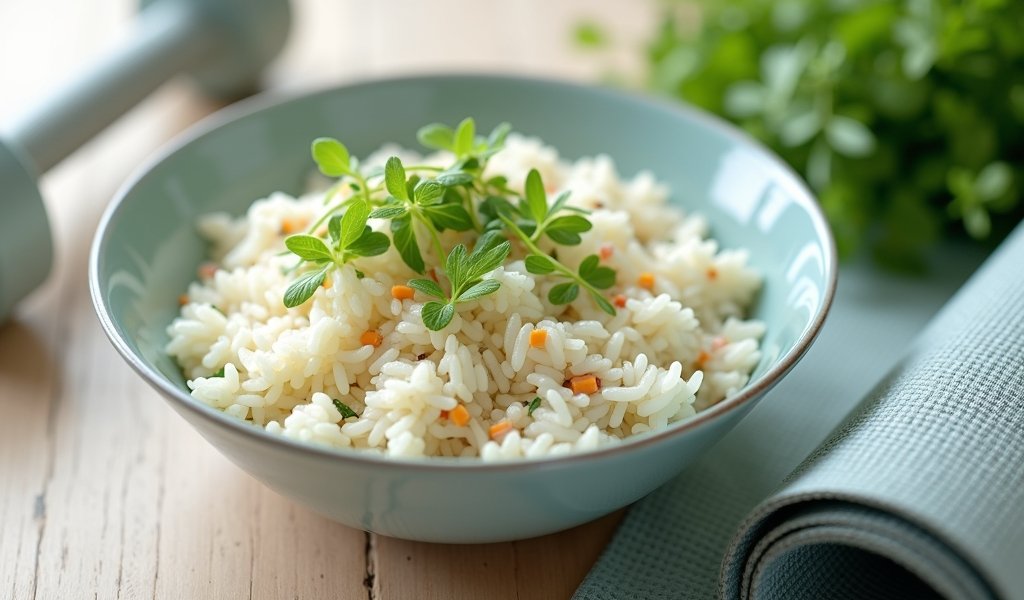
Protein Content: Supporting Muscle Recovery
While white rice isn’t typically celebrated for its protein content, it does contain a modest amount that contributes to your overall protein intake. With approximately 4.2 grams of protein per cup, white rice provides complementary amino acids that, when combined with other protein sources, support muscle recovery and growth.
The protein in white rice is particularly beneficial when paired with legumes or animal proteins, creating complementary amino acid profiles that enhance overall protein quality. This makes white rice an excellent base for protein-rich meals that support recovery after intense workouts.
It’s worth noting that white rice protein is easily digestible, making it gentle on the digestive system. For athletes who struggle with digestive issues during intense training phases, white rice can provide needed nutrients without causing gastrointestinal distress that might interfere with performance or recovery.
While you shouldn’t rely on white rice as your primary protein source, its contribution to your daily protein intake shouldn’t be overlooked. For those following plant-based diets, combining white rice with legumes creates a complete protein profile, making it an important component of balanced nutrition for vegan and vegetarian athletes.
Low Fat Profile: Benefits for Certain Training Goals
One of the most overlooked white rice nutrition facts is its naturally low-fat content. With less than 0.5 grams of fat per cup, white rice provides a virtually fat-free carbohydrate source that can be strategic for certain phases of training and specific fitness goals.
This minimal fat content makes white rice particularly valuable during cutting phases when caloric control becomes essential. The absence of substantial fat allows athletes to allocate their fat macros to nutrient-dense sources like avocados, nuts, and fatty fish while still meeting carbohydrate needs through white rice.
For pre-competition meals, white rice’s low-fat profile makes it easily digestible and less likely to cause gastrointestinal discomfort during performance. Many competitive athletes incorporate white rice into their pre-event nutrition precisely because it provides needed energy without the digestive slowdown that higher-fat foods might cause.
The minimal fat content also makes white rice exceptionally versatile in meal planning. It can be combined with various protein sources and healthy fats according to your specific macronutrient targets, allowing for customized meals that support your particular training phase and goals.
While dietary fat is essential for hormone production and overall health, having low-fat carbohydrate options like white rice gives you greater flexibility in constructing balanced meals that meet your precise nutritional needs. This adaptability makes white rice a valuable tool in the fitness nutrition arsenal.
Vitamins and Minerals: The Hidden Nutritional Value
Contrary to popular belief, white rice isn’t completely devoid of micronutrients. In many countries, including the United States, white rice is enriched with essential vitamins and minerals that were lost during processing. This fortification makes white rice more nutritionally valuable than its critics often acknowledge.
Enriched white rice typically contains added B vitamins, including thiamin, niacin, and folate, which play crucial roles in energy metabolism and cellular function. These B vitamins are particularly important for athletes, as they help convert carbohydrates into usable energy for training and recovery.
White rice also contains minerals like iron and manganese. Iron is essential for oxygen transport in the blood, making it crucial for aerobic performance and recovery. Manganese contributes to carbohydrate metabolism and antioxidant function, supporting both performance and recovery processes.
Some varieties of white rice, particularly those grown in mineral-rich soils, may contain selenium, an important antioxidant that helps combat exercise-induced oxidative stress. This trace mineral supports immune function and recovery, particularly during intense training phases when the body experiences increased free radical production.
While whole grains like brown rice offer a more comprehensive mineral profile, enriched white rice provides valuable micronutrients that support athletic performance and overall health. When combined with a varied diet rich in fruits, vegetables, and other whole foods, white rice can be part of a well-rounded nutrition strategy for active individuals.
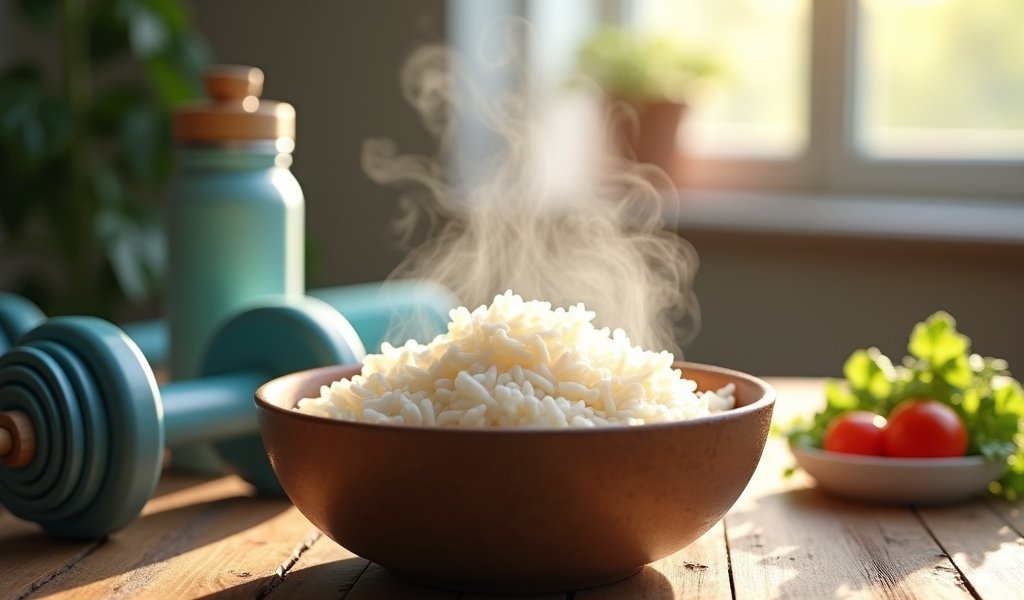
White Rice and Fitness Performance: Timing Your Intake
Strategic timing of white rice consumption can significantly impact its benefits for fitness performance and recovery. Understanding when to incorporate this carbohydrate source can help maximize its positive effects while minimizing any potential drawbacks.
Pre-workout white rice consumption, typically 1-3 hours before training, can provide readily available energy for high-intensity exercise. For morning workouts, a modest serving of white rice the night before can help maintain glycogen stores without causing digestive discomfort during training.
Post-workout is perhaps the most beneficial time for white rice consumption. Within the anabolic window (30-90 minutes after training), the body is primed to replenish glycogen stores and initiate muscle protein synthesis. White rice’s quickly digestible carbohydrates, paired with a fast-absorbing protein like whey, can accelerate this recovery process.
For endurance athletes, white rice can be especially valuable during carbohydrate loading phases before competitions. Its easy digestibility and high carbohydrate content make it an excellent choice for glycogen supercompensation protocols, as noted by sports nutrition researchers.
Portion control remains important, as with any food. A typical serving of 1/2 to 1 cup of cooked white rice provides sufficient carbohydrates for most fitness purposes without excessive calories. Adjust portions based on your specific energy needs, training volume, and body composition goals.
By thoughtfully timing your white rice consumption around your training schedule, you can harness its carbohydrate content to enhance performance, support recovery, and complement your overall rice nutrition strategy.
Conclusion: Making White Rice Work for Your Fitness Goals
Understanding white rice nutrition facts allows you to make informed decisions about including this versatile grain in your fitness nutrition plan. While white rice may not have the fiber content of its whole grain counterparts, its unique properties make it valuable in specific contexts for active individuals.
The quick-digesting carbohydrates, modest protein contribution, low fat content, and added micronutrients create a food that can effectively support energy needs, recovery, and overall performance when properly incorporated into a balanced diet. Rather than viewing foods as simply “good” or “bad,” understanding their specific properties allows for strategic implementation based on individual goals.
Remember that nutrition is highly individual, and what works best for one person may not be ideal for another. Consider experimenting with white rice timing, portions, and food combinations to determine how it best supports your unique fitness journey. Pay attention to how your body responds, and adjust accordingly.
As with any nutritional approach, balance and context matter. White rice can be a valuable tool in your fitness nutrition arsenal when combined with plenty of vegetables, quality proteins, and healthy fats. This balanced approach ensures you’re getting the full spectrum of nutrients needed for optimal performance and recovery.
By appreciating the nuanced role that white rice can play in fitness nutrition, you can move beyond oversimplified food rules and develop a more sophisticated, personalized approach to fueling your active lifestyle.
Frequently Asked Questions
Is white rice good for weight loss?
White rice can fit into a weight loss plan if portions are controlled and it’s part of a calorie-controlled diet. Its easy digestibility can help sustain energy during calorie restriction when consumed in appropriate amounts.
Does white rice cause inflammation?
White rice is generally not associated with increased inflammation and is actually considered anti-inflammatory for most people. It’s often recommended for those with digestive issues or inflammatory conditions due to its low fiber content and ease of digestion.
Is white rice better than brown rice for athletes?
Neither is universally “better” – they serve different purposes. White rice offers faster-digesting carbs ideal for quick energy and post-workout recovery, while brown rice provides more fiber and micronutrients for general nutrition.
How much protein is in white rice?
A cup of cooked white rice (186g) contains approximately 4.2 grams of protein. While not a high-protein food, it contributes to overall protein intake when combined with other protein sources.
Can diabetics eat white rice?
People with diabetes can include moderate portions of white rice in their diet when balanced with protein, healthy fats, and vegetables to minimize blood sugar spikes. Portion control and pairing with other nutrients is key for blood sugar management.
Pingback: Proven 7 Day Rice Diet Plan Review: Shed Pounds Fast - achievehealthgoals.com