
Overview
This article provides seven essential strategies for successful colonoscopy preparation, including gradual diet modification, strategic hydration, low-residue food choices, optimized clear liquid selection, prep solution techniques, meal timing, and mental preparation. The author emphasizes that proper preparation is crucial for effective screening, as inadequate bowel cleansing can result in missed polyps or early-stage cancers in up to 42% of cases.
Table of Contents
- Understanding Colonoscopy Prep: Why It Matters
- Timeline for Proper Colonoscopy Preparation
- Tip 1: Gradual Diet Modification for Better Tolerance
- Tip 2: Strategic Hydration Is Your Best Friend
- Tip 3: Embrace Low-Residue Foods Early
- Tip 4: Optimize Your Clear Liquid Choices
- Tip 5: Prep Solution Tricks for Better Taste
- Tip 6: Strategic Timing of Your Last Meals
- Tip 7: Mental Preparation Makes a Difference
- Conclusion: Your Successful Colonoscopy Prep Journey
- Frequently Asked Questions
Understanding Colonoscopy Prep: Why It Matters
A successful colonoscopy prep diet is the cornerstone of an effective screening procedure. As a gastroenterologist with over 15 years of experience, I’ve seen firsthand how proper preparation can make the difference between detecting a potential health concern and missing it entirely. The goal of any colonoscopy prep diet is straightforward—to clear your colon completely so your doctor can thoroughly examine the intestinal lining without any visual obstructions.
When patients ask me why their colonoscopy prep diet is so crucial, I explain that even small amounts of residual stool can hide potential polyps or early-stage cancers. In fact, research published in the World Journal of Gastrointestinal Endoscopy indicates that inadequate bowel preparation can result in missed adenomas in up to 42% of cases. That’s nearly half of all potentially pre-cancerous growths that might go undetected!
Though the prospect of colonoscopy preparation may seem daunting, I’m here to share seven proven strategies that have helped thousands of my patients achieve excellent results with minimal discomfort. These colonoscopy prep diet tips focus not just on what to eat, but on timing, technique, and mental approach—all equally important factors in ensuring your procedure goes smoothly.
Timeline for Proper Colonoscopy Preparation
The colonoscopy prep diet isn’t something you start the night before your procedure—it’s a gradual process that ideally begins several days in advance. Understanding this timeline helps you mentally prepare and reduces last-minute stress.
Here’s a typical colonoscopy preparation timeline that I recommend to my patients:
- 7 days before: Stop taking iron supplements and medications containing iron, as these can darken stool and interfere with visualization.
- 5 days before: Begin avoiding seeds, nuts, popcorn, and other high-fiber foods that can linger in your colon.
- 3 days before: Start reducing fiber intake more significantly by avoiding raw fruits, vegetables, whole grains, and beans.
- 2 days before: Switch to a low-fiber diet for colonoscopy preparation, focusing on easy-to-digest foods.
- 1 day before: Begin the clear liquid diet phase and take your prescribed bowel prep solution according to your doctor’s instructions.
- Day of procedure: Continue clear liquids until the cutoff time specified by your doctor (typically 2-4 hours before the procedure).
Remember, your doctor may customize this timeline based on your personal health situation, the time of your procedure, or the specific prep solution prescribed. Always follow your doctor’s instructions if they differ from this general guide.
Tip 1: Gradual Diet Modification for Better Tolerance
One of the most effective strategies for a successful colonoscopy prep diet is to modify your eating habits gradually. This approach not only makes the entire process more bearable but also improves the quality of your bowel cleansing.
When you suddenly switch from your normal diet to clear liquids, your body can react with increased hunger, discomfort, and sometimes even more intense cramping during the actual prep. Instead, I recommend a step-down approach:
- Begin by eliminating foods that are known to linger in the digestive tract: corn, seeds, nuts, and foods with tough skins.
- Next, reduce high-fiber foods like whole grains, raw vegetables, and legumes.
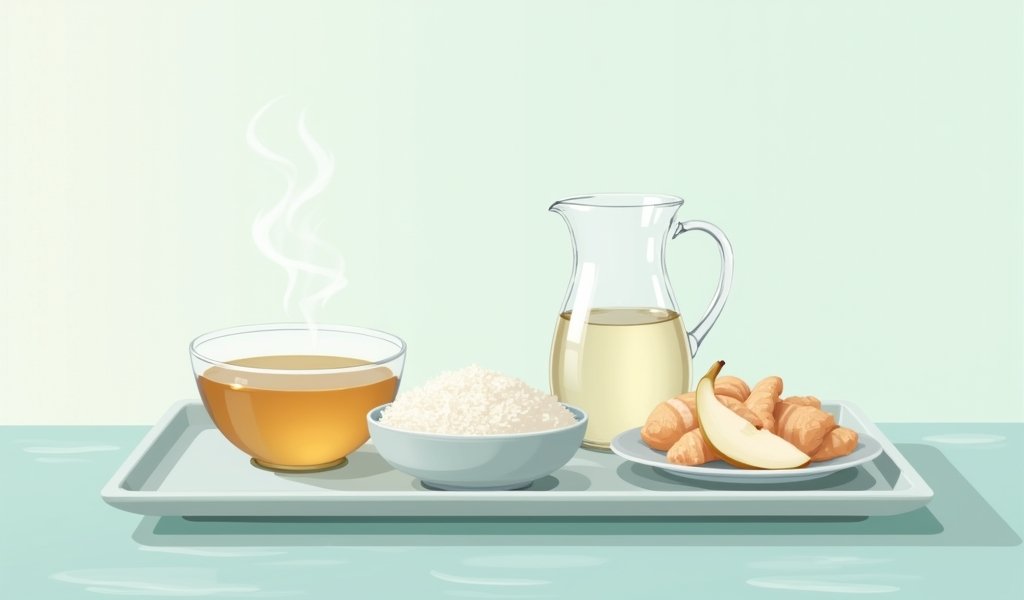
- Then transition to easily digestible, low-residue foods such as white bread, eggs, and well-cooked, skinless chicken.
- Finally, move to the clear liquid phase as scheduled.
This gradual approach helps prevent the feeling of extreme deprivation that can make colonoscopy preparation mentally challenging. Many of my patients report that this method significantly reduces their hunger and irritability during the final prep day.
As Dr. Christina Miller from the American College of Gastroenterology notes, “Patients who gradually modify their diet report less discomfort and are more likely to complete their prep regimen correctly.” The goal is not just compliance but comfort—a much more patient-friendly approach to this necessary procedure.
Tip 2: Strategic Hydration Is Your Best Friend
Proper hydration during your colonoscopy prep diet is absolutely critical—yet it’s one of the most overlooked aspects of the process. The bowel-cleansing solutions work by drawing water into your intestines, which can lead to dehydration if you’re not carefully replenishing fluids.
I recommend a proactive hydration strategy that starts well before your prep day:
- Begin increasing your fluid intake 2-3 days before your prep begins.
- Aim for at least 8-10 large glasses of water daily during the prep period.
- Alternate between water and electrolyte-containing clear liquids like sports drinks (without red or purple dye).
- Continue hydrating even when you feel you’ve had enough—many patients don’t realize they’re becoming dehydrated until they experience symptoms like headaches or dizziness.
An often-overlooked tip: chill your clear liquids well (but not your prep solution unless specifically instructed). Cold fluids are generally more palatable and easier to consume in larger quantities. Some of my patients even enjoy frozen clear popsicles as a refreshing way to increase their fluid intake.
The benefits of proper hydration extend beyond comfort—it improves the effectiveness of your prep solution, reduces side effects like nausea and headaches, and helps your veins remain properly filled, making the IV insertion before your procedure much easier.
Tip 3: Embrace Low-Residue Foods Early
Transitioning to a low residue diet a few days before your colonoscopy can dramatically improve your preparation experience. Low-residue foods leave minimal solid waste in your colon, making the final cleansing process much more efficient and comfortable.
What makes for good low-residue choices? Think white, refined, and well-cooked:
- White bread, pasta, and rice (not whole grain)
- Eggs prepared without added vegetables or cheese
- Skinless, well-cooked chicken or fish
- Smooth peanut butter (avoid chunky varieties)
- Cooked vegetables without seeds or skins (like peeled carrots or potatoes)
- Canned fruits without skins or seeds
Many patients don’t realize that this dietary transition serves as a “pre-cleaning” of your digestive system. When you follow a low-residue diet for 2-3 days before starting your prep solution, you’re essentially giving the cleansing agents less work to do. This often results in a more comfortable prep experience with less intense bowel activity.
I’ve found that patients who carefully follow this approach often achieve excellent prep results with less anxiety and physical discomfort. As one patient recently told me, “I was dreading the prep based on stories I’d heard, but following your low-residue diet advice made the whole process surprisingly manageable.”
Tip 4: Optimize Your Clear Liquid Choices
The clear liquid phase of your colonoscopy prep diet doesn’t have to be boring or limited to just water and broth. With thoughtful choices, you can create variety that helps maintain your energy and satisfaction during this crucial phase.
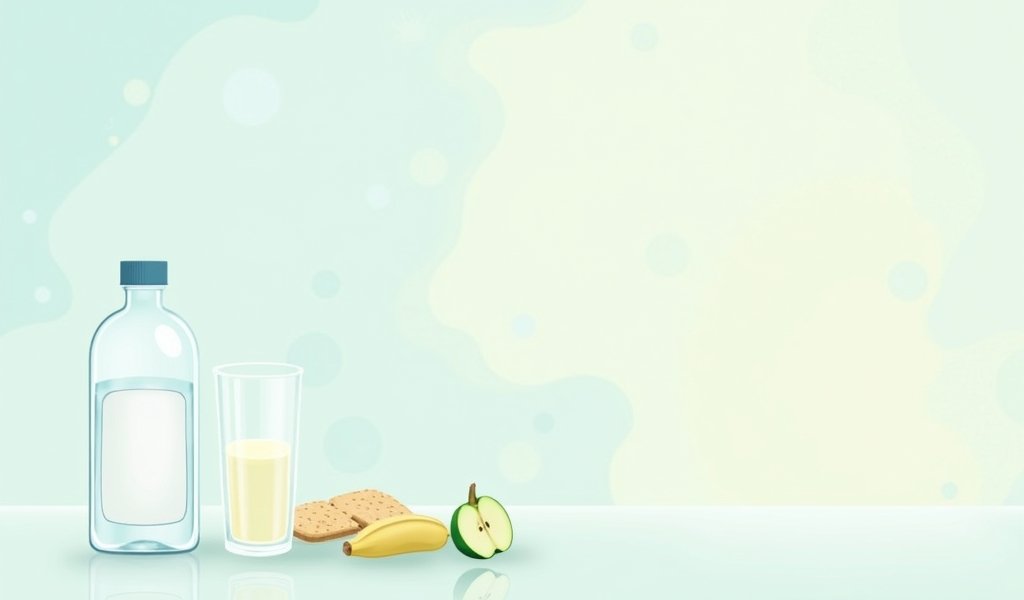
First, understand what qualifies as a “clear liquid.” The rule of thumb is that you should be able to read a newspaper through it. This includes:
- Water (plain, flavored, or sparkling)
- Clear broths (chicken, beef, or vegetable)
- Coffee or tea without milk or creamer (a small amount of honey is usually permitted)
- Clear fruit juices without pulp (apple, white grape, white cranberry)
- Sports drinks or electrolyte solutions (avoiding red, purple, or blue colors)
- Clear sodas (ginger ale, sprite)
- Clear liquid diet foods like popsicles or gelatin (again, avoid red, purple, or blue)
To make this phase more bearable, I recommend creating a “liquid meal plan” with different options for breakfast, lunch, and dinner. For instance, warm broth can feel more satisfying as a lunch option, while chilled apple juice might be refreshing in the afternoon.
A practical tip from my experience: keep a variety of clear liquid options at different temperatures. Mayo Clinic nutritionists suggest that alternating between warm and cold liquids can help prevent flavor fatigue and keep you better hydrated throughout the day.
Remember, maintaining your blood sugar levels is important during this time. Sugar-containing clear liquids like apple juice or sports drinks can help prevent lightheadedness, especially if you have diabetes or tend to have low blood sugar.
Tip 5: Prep Solution Tricks for Better Taste
Let’s be honest—most bowel prep solutions aren’t known for their delicious flavor. However, there are several proven strategies to make the experience more palatable without compromising the effectiveness of your colonoscopy prep diet.
First, always chill your prep solution thoroughly (unless your doctor specifies otherwise). Cold liquid generally tastes better and reduces the perception of saltiness or medicinal flavors. I recommend refrigerating it for at least three hours before you need to drink it.
Next, try these techniques that my patients have found helpful:
- Use a straw placed far back on your tongue to bypass some taste buds
- Suck on a lemon or lime wedge immediately before and after each dose
- Brush your teeth or use mouthwash between doses to reset your palate
- Mix powder-based preps with chilled clear liquid like ginger ale or clear sports drinks (if allowed by your doctor)
- Hold your nose while drinking to minimize taste
If your doctor has prescribed a split-dose preparation (taking part the evening before and the remainder the morning of your procedure), embrace this approach. Not only is it more effective for cleaning the colon, but it also divides the challenge into more manageable portions.
Remember that different prep solutions have different volumes and tastes. If you’ve had a difficult experience with a particular solution in the past, discuss alternatives with your doctor. There are low-volume options available that may be more tolerable while still providing excellent results.
Tip 6: Strategic Timing of Your Last Meals
The timing of your meals during colonoscopy preparation can significantly impact your comfort level throughout the process. While following your colonoscopy prep diet guidelines, consider these strategic timing approaches that many of my patients have found beneficial.
On the day before your colonoscopy, when you’re typically limited to clear liquids, spread your intake throughout the day rather than trying to drink large amounts at once. Try this schedule:
- Early morning: Start with warm tea or coffee (without milk)
- Mid-morning: Sports drink or clear juice to maintain energy
- Lunch time: Warm broth and gelatin to provide a more substantial feeling
- Afternoon: More clear fluids with some honey for energy if needed
- Early evening: Another round of broth before starting your prep solution
For your last solid meal (typically lunch or an early dinner the day before your procedure), choose protein-rich, low-fiber foods that will help you feel satisfied longer. Good options include eggs, white toast with a small amount of butter, or well-cooked, skinless chicken.
Another important timing consideration involves your prep solution. If you’re using a split-dose preparation, time the evening portion so you’ll be home and near a bathroom for the next 2-3 hours. For the morning dose, allow sufficient time to complete the cleansing process before leaving for your appointment—typically 2-3 hours.
As Dr. James Robertson, a leading gastroenterologist, points out in the American Journal of Gastroenterology, “Properly timed split-dose preparation not only improves the quality of the bowel cleansing but also increases patient compliance and comfort.”
Tip 7: Mental Preparation Makes a Difference
The psychological aspects of colonoscopy preparation are rarely discussed, yet they can significantly impact your experience. Your mindset during the colonoscopy prep diet period can make the difference between a tolerable process and an unnecessarily challenging one.
Start by reframing how you think about the preparation. Rather than viewing it as an ordeal to endure, consider it an important investment in your health. This colonoscopy could potentially save your life by detecting cancer at a treatable stage or removing pre-cancerous polyps before they become problematic.
Practical mental preparation strategies include:
- Planning enjoyable, non-food-related activities during your prep day (movies, books, podcasts)
- Arranging your schedule so you’re not working during the most intensive part of your preparation
- Setting up a comfortable bathroom situation with soft toilet paper, reading materials, and perhaps medicated wipes
- Reminding yourself that thousands of people successfully complete this process every day
- Focusing on how quickly you’ll be able to return to normal eating afterward
Many patients find it helpful to have a support person available—someone who can encourage you, help with preparation, or simply provide company during what can feel like a long day. This person doesn’t need to be physically present; even having someone available by phone or text can be reassuring.
I’ve observed that patients who approach their prep with a positive mindset generally report a more comfortable experience. As one patient told me, “Once I decided to treat it like a cleanse day and focus on how good I’d feel afterward, it became much easier to get through.”
Conclusion: Your Successful Colonoscopy Prep Journey
Following an effective colonoscopy prep diet is truly one of the most important things you can do to ensure your procedure provides valuable, potentially life-saving information. By implementing these seven proven strategies—gradual diet modification, strategic hydration, embracing low-residue foods early, optimizing clear liquid choices, using prep solution tricks, timing your meals strategically, and preparing mentally—you’re setting yourself up for the best possible experience and results.
Remember that the temporary discomfort of preparation is significantly outweighed by the benefits of a thorough examination. A well-prepared colon allows your gastroenterologist to detect even small polyps or abnormalities that might otherwise be missed. This is particularly important since colorectal cancer is highly treatable when caught early.
If you’ve had challenging preparation experiences in the past, don’t hesitate to discuss them with your healthcare provider. There are multiple preparation options available today, and finding the right colonoscopy prep diet approach for your specific needs can make a tremendous difference.
Finally, take pride in completing this important health screening. By following these colonoscopy prep diet tips, you’re taking a proactive step toward protecting your long-term health. Your future self will thank you for your diligence today!
Frequently Asked Questions
Can I drink coffee during colonoscopy prep?
Yes, you can drink black coffee without cream or milk during the clear liquid phase of your prep. Just avoid adding any dairy products or non-dairy creamers.
How long will I be in the bathroom during prep?
Most people experience frequent bowel movements beginning 1-3 hours after starting the prep solution, lasting 2-4 hours. Plan to stay near a bathroom during this time.
What happens if I accidentally eat solid food during prep day?
Contact your doctor immediately if you accidentally consume solid food during the clear liquid phase. Your procedure might need to be rescheduled if the mistake could compromise visualization.
Can I take my regular medications during prep?
Most medications can be taken with a small sip of water, but always check with your doctor first. Some medications, particularly blood thinners and diabetes medications, may need special adjustments.
How do I know when my bowel prep is complete?
Your stool should be clear or yellow liquid without solid particles. It should resemble the color of urine or clear yellow liquid similar to the prep solution itself.
Pingback: 7 Essential Wellness Exam Steps for Optimal Health & Fitness - achievehealthgoals.com