

Overview
This article evaluates ten Mediterranean diet cookbooks that cater to different needs—from beginner-friendly options and quick meal preparations to specialized approaches for vegetarians and small households. Each cookbook recommendation includes detailed insights on its unique strengths, recipe highlights, and practical applications, alongside guidance on implementing Mediterranean cooking principles at home for improved health outcomes.
Table of Contents
- The Mediterranean Diet: A Time-Tested Approach to Health
- How to Select the Right Mediterranean Diet Cookbook
- 1. The Mediterranean Diet Cookbook for Beginners by Elena Matthews
- 2. Mediterranean Every Day by Sheela Prakash
- 3. The Complete Mediterranean Cookbook by America’s Test Kitchen
- 4. Mediterranean Diet Meal Prep by Kelli Shallal
- 5. Mediterranean Slow Cooker Cookbook by Salinas Press
- 6. The 30-Minute Mediterranean Diet Cookbook by Serena Ball and Deanna Segrave-Daly
- 7. Mediterranean Diet Cookbook for Two by Anne Danahy
- 8. Vegetarian Mediterranean Cookbook by Sanaa Abourezk
- 9. The Mediterranean Method by Steven Masley
- 10. Mediterranean Diet Air Fryer Cookbook by Talia Fuhrman
- Getting Started: Implementing Mediterranean Cooking at Home
- Conclusion
- Frequently Asked Questions
The Mediterranean Diet: A Time-Tested Approach to Health
The Mediterranean diet has consistently ranked as one of the healthiest eating patterns worldwide, and for good reason. As a nutritionist with over 15 years of experience, I’ve seen firsthand how this approach to eating can transform health outcomes for my clients. This diet, inspired by the traditional eating habits of countries bordering the Mediterranean Sea, emphasizes whole foods, plant-based ingredients, healthy fats, and moderate protein consumption.
Research published in the New England Journal of Medicine has demonstrated that following a Mediterranean diet can significantly reduce the risk of cardiovascular events, including heart attacks and strokes. Additionally, this eating pattern has been associated with lower rates of type 2 diabetes, certain cancers, and neurodegenerative conditions like Alzheimer’s disease.
A quality mediterranean diet cookbook serves as your gateway to this health-promoting lifestyle. These culinary guides do more than just provide recipes—they teach you the principles of Mediterranean cooking, explain the nutritional benefits, and help you incorporate these practices into your daily life. Let’s explore how to choose the right cookbook and then dive into my top 10 recommendations based on years of professional experience and client feedback.
How to Select the Right Mediterranean Diet Cookbook
Finding the perfect mediterranean diet cookbook requires consideration of several key factors. Not all cookbooks are created equal, and your personal needs should guide your selection process.
First, consider your culinary skill level. Are you a beginner in the kitchen, or do you have years of cooking experience? Some cookbooks cater specifically to novices with simple techniques and accessible ingredients, while others challenge more experienced cooks with complex preparations.
Next, think about your lifestyle needs. Do you require quick weeknight meals, meal prep options for busy weeks, or perhaps recipes scaled for smaller households? The best cookbook for you will align with your actual cooking habits, not aspirational ones.
Also important is ingredient accessibility. Quality Mediterranean cooking relies on fresh ingredients, but the best cookbooks recognize that not everyone has access to specialty items. Look for cookbooks that offer substitution suggestions or focus on ingredients you can find locally.
Finally, consider the educational component. Superior mediterranean diet cookbooks don’t just provide recipes—they explain the principles behind the diet, the nutritional benefits of key ingredients, and how to adapt the Mediterranean approach to your specific health needs.
1. The Mediterranean Diet Cookbook for Beginners by Elena Matthews
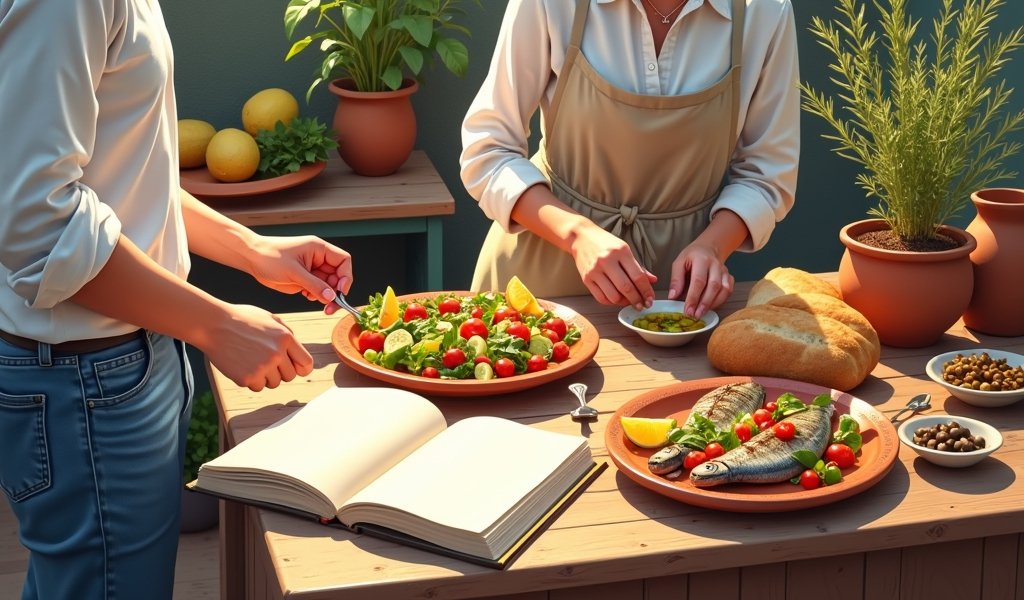
If you’re new to Mediterranean cooking, Matthews’ comprehensive guide deserves a prominent place in your kitchen library. This cookbook stands out for its approachable introduction to the fundamental principles of the Mediterranean diet without overwhelming novice cooks.
The opening chapters provide a clear, science-backed explanation of how the Mediterranean diet promotes health, with particular attention to heart health and inflammation reduction. Matthews then walks readers through essential pantry staples, explaining the nutritional profile of olive oil, legumes, whole grains, and other Mediterranean cornerstones.
Recipe highlights include a simple yet flavorful Greek lemon chicken soup, one-pan baked falafel, and a variety of plant-forward mains that make vegetables the star. Each recipe includes nutritional information, preparation time estimates, and practical make-ahead tips for busy households.
What makes this cookbook exceptional is its “build-a-meal” framework, which helps readers understand how to construct balanced Mediterranean plates beyond the provided recipes. For those transitioning from processed foods, Matthews includes a 14-day meal plan that gradually introduces Mediterranean principles, making dietary change sustainable rather than shocking.
2. Mediterranean Every Day by Sheela Prakash
Prakash’s cookbook brilliantly addresses the challenge many face: incorporating Mediterranean principles into modern, time-constrained lives. As a registered dietitian and experienced food writer, Prakash understands that theoretical dietary perfection means little if it can’t be maintained in real life.
The book is organized by cooking technique rather than meal type, featuring sections like “One-Pot Wonders” and “Hands-Off Cooking” that align with different schedules and energy levels. This practical approach makes Mediterranean cooking accessible even on your busiest days.
Standout recipes include sheet-pan za’atar chicken with chickpeas, 30-minute seafood soup, and make-ahead grain bowls that stay fresh for days. Prakash also excels at transforming humble ingredients—her treatment of canned tuna with white beans and herbs elevates a pantry staple to weeknight luxury.
What truly distinguishes this mediterranean diet cookbook is its emphasis on technique mastery rather than rigid recipe following. Once you understand Prakash’s method for creating Mediterranean flavor profiles, you can apply these principles to whatever ingredients you have available, fostering culinary independence and sustainable healthy eating.
3. The Complete Mediterranean Cookbook by America’s Test Kitchen
When meticulous testing and foolproof instructions matter to you, America’s Test Kitchen delivers with their comprehensive approach to Mediterranean cuisine. This cookbook stands apart with its scientifically tested recipes that guarantee consistent results regardless of your cooking experience.
With over 500 recipes spanning the Mediterranean region, this volume offers impressive breadth without sacrificing depth. From Moroccan tagines to Greek mezze and Italian pastas, the cookbook provides authentic regional variations while maintaining nutritional alignment with Mediterranean diet principles.
Each recipe includes detailed explanations of why particular techniques or ingredient proportions work, creating an educational experience that builds your cooking intuition over time. The cookbook also features thorough equipment recommendations and ingredient guides that help you invest wisely in your kitchen setup.
Particularly valuable are the cookbook’s “cooking for two” adaptations and storage guidelines that reduce waste—a thoughtful inclusion that acknowledges dietary sustainability extends beyond just food choices to our consumption patterns. While some recipes require more time investment, the results consistently justify the effort, making this an essential resource for serious home cooks committed to Mediterranean eating.
4. Mediterranean Diet Meal Prep by Kelli Shallal
As a registered dietitian and certified personal trainer, Shallal brings a practical understanding of how meal preparation can make or break adherence to healthy eating plans. Her mediterranean diet cookbook specifically addresses the planning aspect of nutritional success.
The cookbook begins with a crash course in effective meal prepping, including food safety guidelines, storage recommendations, and batch cooking strategies. Shallal then provides six complete two-week meal plans catering to different health goals—weight management, heart health, athletic performance, and plant-based preferences.
What distinguishes this cookbook is its component-based approach. Rather than prepping complete meals, Shallal teaches readers to prepare versatile elements (roasted vegetables, marinated proteins, cooked grains) that can be mixed and matched throughout the week to prevent meal fatigue—a common reason people abandon healthy eating plans.
The cookbook includes detailed shopping lists, prep-day instructions, and daily assembly guidelines that minimize daily cooking time without sacrificing variety or freshness. For busy professionals or parents who can’t cook from scratch daily but still want to maintain Mediterranean eating principles, this resource proves invaluable.
5. Mediterranean Slow Cooker Cookbook by Salinas Press
The marriage of slow cooking and Mediterranean cuisine creates a perfect solution for those who desire healthy, flavor-developed meals without active kitchen time. This cookbook brilliantly adapts traditional Mediterranean techniques to modern slow cooker technology.
What impresses most about this collection is how it maintains the integrity of Mediterranean flavors despite the cooking method change. The authors understand that slow cookers excel with moist-heat cooking methods and have selected recipes accordingly—hearty bean stews, braised meats with vegetables, and grain-based dishes that benefit from long, gentle cooking.
Each recipe includes both conventional slow cooker instructions and Instant Pot adaptations, making this a versatile resource regardless of your preferred cooking equipment. The cookbook also provides excellent guidance on ingredient prep that ensures optimal texture and flavor development during slow cooking.
For those with limited cooking time or energy, this mediterranean diet cookbook removes barriers to healthy eating. The ability to load ingredients in the morning and return to a completed Mediterranean meal makes this approach sustainable for busy households, shift workers, or anyone who finds active cooking time prohibitive.

6. The 30-Minute Mediterranean Diet Cookbook by Serena Ball and Deanna Segrave-Daly
When time constraints threaten to derail healthy eating intentions, Ball and Segrave-Daly—both registered dietitians—come to the rescue with their speed-focused approach to Mediterranean cooking. This cookbook proves that nutritious Mediterranean meals don’t require hours in the kitchen.
The authors employ clever shortcuts that preserve nutritional integrity while dramatically reducing preparation time. Their strategic use of quality convenience items like canned beans, frozen vegetables, and pre-cooked grains exemplifies practical nutrition guidance rather than unrealistic idealism.
Recipe standouts include 15-minute Greek white bean soup, quick-roasted fish with vegetables, and no-cook Mediterranean grain bowls. Each recipe undergoes rigorous timing tests to ensure the 30-minute promise holds true in real kitchens, not just test kitchens.
Beyond individual recipes, the cookbook teaches time-saving techniques and smart substitutions that can be applied to any Mediterranean cooking. Their emphasis on kitchen efficiency equips readers with skills that extend beyond the cookbook itself, making this resource particularly valuable for sustainable dietary change.
7. Mediterranean Diet Cookbook for Two by Anne Danahy
Danahy, a registered dietitian, addresses a significant challenge in healthy eating: scaling recipes appropriately for smaller households. This mediterranean diet cookbook specifically caters to couples, empty nesters, or singles who enjoy leftovers.
Beyond simply dividing standard recipes in half, Danahy rethinks Mediterranean cooking for smaller-scale preparation. She provides shopping strategies that reduce food waste, versatile “cook once, eat twice” recipes, and storage guidance for ingredients commonly sold in larger quantities than needed.
The cookbook features 100 recipes perfectly portioned for two people, with thoughtful categories like “date night dinners” and “casual lunches.” Danahy also includes a valuable section on adapting traditional family recipes to smaller yields without losing flavor or balance.
Particularly noteworthy is the cookbook’s emphasis on ingredient versatility. Many recipes utilize similar ingredients in different ways, allowing shoppers to buy one item (like fresh herbs or specialty cheese) and incorporate it throughout multiple meals, solving a common small-household dilemma. For singles and couples committed to Mediterranean eating without excessive leftovers, this resource proves indispensable.
8. Vegetarian Mediterranean Cookbook by Sanaa Abourezk
While the Mediterranean diet traditionally includes some animal products, its emphasis on plant foods makes it naturally adaptable to vegetarian eating patterns. Abourezk, a chef with Middle Eastern roots, has created a definitive guide to plant-based Mediterranean cooking that doesn’t feel like a compromise.
Rather than relying on meat substitutes, Abourezk’s recipes celebrate the inherent flavors and textures of Mediterranean plant foods. Her approach to vegetarian protein through legumes, nuts, seeds, and whole grains ensures nutritional completeness while maintaining authentic regional flavors.
The cookbook features over 125 recipes organized by region, allowing readers to explore the plant-forward traditions of Greece, Lebanon, Morocco, and beyond. Detailed ingredient notes explain unique components like pomegranate molasses, tahini, and preserved lemons, with sourcing guidance for those unfamiliar with specialty items.
What distinguishes this mediterranean diet cookbook is its expert balance of nutrition, authenticity, and accessibility. According to Harvard Health, plant-forward eating patterns like those featured in this cookbook can significantly reduce chronic disease risk while supporting environmental sustainability. For vegetarians, vegans, or those simply looking to increase plant food consumption, Abourezk’s cookbook provides a flavorful path forward.
9. The Mediterranean Method by Steven Masley
Dr. Masley, a physician, nutritionist, and trained chef, approaches the Mediterranean diet from a uniquely comprehensive health perspective. This mediterranean diet cookbook stands apart by integrating extensive nutritional science with culinary expertise.
Unlike standard cookbooks, Masley’s work begins with a thorough explanation of the metabolic benefits of Mediterranean eating patterns, supported by current research. He then provides a comprehensive 28-day eating plan specifically designed to improve heart health metrics, cognitive function, and metabolic parameters.
The recipes themselves are categorized not just by meal type but by health benefit—brain-boosting, heart-protecting, gut-supporting, and anti-inflammatory. Each recipe includes detailed nutritional analysis and specific notes about its health-promoting compounds.
Most valuable is Masley’s guidance on personalizing the Mediterranean approach based on individual health needs and laboratory values. His integration of clinical wisdom with practical cooking instruction makes this resource particularly valuable for those managing specific health conditions or seeking to optimize biomarkers through dietary intervention.
10. Mediterranean Diet Air Fryer Cookbook by Talia Fuhrman
Modern kitchen technology meets traditional Mediterranean principles in this innovative cookbook. Fuhrman, a nutrition expert and daughter of renowned physician Joel Fuhrman, has masterfully adapted Mediterranean classics to air fryer preparation without compromising nutritional integrity.
The cookbook begins with a thoughtful exploration of how air fryers can actually enhance Mediterranean cooking—reducing oil needs while maintaining the crisp textures traditionally achieved through frying. Fuhrman then provides specific guidance on air fryer models, temperature settings, and cooking techniques optimized for Mediterranean ingredients.
Recipe highlights include chickpea falafel, stuffed vegetables, fish dishes, and even healthier versions of phyllo-based desserts. Each recipe includes conventional cooking alternatives for those without an air fryer, making this a versatile addition to any cookbook collection.
What makes this mediterranean diet cookbook especially valuable is its time-efficiency combined with health optimization. Air fryer cooking significantly reduces preparation time while maintaining the nutritional principles that make Mediterranean eating so beneficial. For technology-embracing health enthusiasts, this cookbook bridges traditional wisdom and modern convenience perfectly.
Getting Started: Implementing Mediterranean Cooking at Home
Transitioning to Mediterranean cooking becomes significantly more manageable with the right approach. Start by incorporating one or two Mediterranean meals weekly rather than attempting a complete dietary overhaul. This gradual integration allows your palate and cooking skills to adapt naturally.
Begin with a pantry reset. Stock up on Mediterranean staples like extra virgin olive oil, canned beans, whole grains, dried herbs, and quality canned tomatoes. These foundational ingredients make impromptu Mediterranean cooking possible even on busy days.
Consider meal planning around vegetable availability rather than protein choices—a key mindset shift in Mediterranean cooking. When fresh, seasonal produce dictates your meals, you naturally align with Mediterranean principles of seasonality and plant-forward eating.
Don’t overlook the importance of proper kitchen tools. A good quality chef’s knife, durable cutting board, and heavy-bottomed pans make Mediterranean cooking more enjoyable and efficient. These investments quickly pay dividends in food quality and preparation ease.
Finally, embrace the social aspect of Mediterranean eating. This dietary pattern isn’t just about nutrition—it’s about the pleasure and connection food brings. Share meals with others when possible, take time to enjoy your food without distractions, and celebrate the cultural heritage behind the dishes you prepare.
Conclusion
The right mediterranean diet cookbook does more than provide recipes—it serves as your guide to a sustainable, health-promoting lifestyle. Each of the ten cookbooks highlighted offers unique strengths, whether you prioritize beginner-friendly instruction, quick preparation, specialized dietary needs, or deep cultural authenticity.
What unites these diverse resources is their commitment to the core principles that make Mediterranean eating so beneficial: abundant plant foods, healthy fats, moderate protein, and mindful enjoyment of meals. Research continues to validate these principles, with studies confirming the diet’s protective effects against chronic disease.
Remember that the best cookbook for you aligns with your actual lifestyle, not an idealized version of it. Whether you have hours to spend in the kitchen or just minutes between commitments, there’s a Mediterranean approach that can work for you.
As you embark on your Mediterranean cooking journey, approach it with curiosity and flexibility rather than rigid perfectionism. The Mediterranean diet has endured for generations precisely because it adapts to different circumstances while maintaining its fundamental principles. Start where you are, use the resources that speak to you, and enjoy the process of bringing this time-tested eating pattern into your modern life.
Frequently Asked Questions
What exactly is the Mediterranean diet?
The Mediterranean diet is an eating pattern based on the traditional foods of countries bordering the Mediterranean Sea. It emphasizes vegetables, fruits, whole grains, legumes, nuts, olive oil, and moderate amounts of fish, with limited red meat and processed foods.
Is the Mediterranean diet good for weight loss?
Yes, the Mediterranean diet can support healthy weight management through its emphasis on whole, unprocessed foods and fiber-rich plants. It promotes satiety and steady blood sugar levels which can reduce overeating and cravings.
How strict do I need to be when following a Mediterranean diet?
The Mediterranean diet is more of a flexible eating pattern than a strict regimen with forbidden foods. Focus on incorporating more Mediterranean staples gradually rather than pursuing perfect adherence, as even partial adoption offers health benefits.
Can I follow the Mediterranean diet if I’m vegetarian or vegan?
Absolutely, the Mediterranean diet is naturally plant-forward and easily adaptable to vegetarian or vegan preferences. Focus on legumes, nuts, and seeds for protein while enjoying the abundant plant foods central to this eating pattern.
What’s the difference between a regular cookbook and a Mediterranean diet cookbook?
A Mediterranean diet cookbook specifically emphasizes recipes and techniques aligned with Mediterranean dietary principles. These cookbooks typically include educational content about the health benefits, key ingredients, and cultural context of Mediterranean eating.