

Overview
This article presents six Mediterranean diet recipes specifically designed to boost energy levels, including a Greek yogurt breakfast bowl, chickpea salad, hummus wraps, baked fish, quinoa bowl, and Greek yogurt dessert. Each recipe features energy-enhancing ingredients like olive oil, whole grains, lean proteins, and antioxidant-rich vegetables that provide sustained vitality without crashes, while requiring minimal preparation time.
Table of Contents
- Introduction to Mediterranean Recipes for Energy
- Health Benefits of Mediterranean Diet for Energy
- Quick Mediterranean Breakfast: Greek Yogurt Power Bowl
- Energizing Lunch: Mediterranean Chickpea Salad
- Afternoon Boost: Hummus and Veggie Wraps
- Simple Dinner: One-Pan Mediterranean Baked Fish
- Vegetarian Power Meal: Quinoa Mediterranean Bowl
- Guilt-Free Dessert: Greek Yogurt with Honey and Nuts
- Conclusion
- Frequently Asked Questions
Introduction to Mediterranean Recipes for Energy
Feeling sluggish and low on energy? The solution might be as simple as what’s on your plate. Mediterranean recipes offer a perfect blend of nutrients that naturally boost energy levels while delighting your taste buds. As a nutritionist who’s witnessed countless clients transform their energy levels through diet, I can confidently say that few eating patterns match the Mediterranean diet’s ability to fuel sustained vitality.
The Mediterranean diet focuses on whole foods rich in complex carbohydrates, lean proteins, and healthy fats – the ideal trifecta for sustained energy release. Unlike quick-fix energy solutions that lead to inevitable crashes, these mediterranean recipes provide steady fuel that powers you through your busiest days. What makes these dishes particularly appealing is their simplicity; most require minimal preparation time while delivering maximum nutritional impact.
Today, I’m sharing six quick mediterranean recipes specifically designed to combat fatigue and boost energy levels. Each recipe incorporates key energy-boosting ingredients like olive oil, whole grains, lean proteins, and antioxidant-rich vegetables – staples in Mediterranean cooking that have been scientifically proven to improve vitality and overall health.
Health Benefits of Mediterranean Diet for Energy
The Mediterranean diet stands out as particularly effective for energy enhancement due to its unique nutritional profile. Unlike highly processed diets that cause blood sugar spikes and crashes, mediterranean recipes provide slow-releasing carbohydrates that maintain steady glucose levels. This translates to consistent energy throughout your day without the mid-afternoon slump many experience on standard Western diets.
Olive oil, a cornerstone of Mediterranean cooking, deserves special mention. This heart-healthy fat contains compounds that fight inflammation and oxidative stress – two significant contributors to fatigue. Studies from the University of Barcelona have shown that the monounsaturated fats in olive oil improve mitochondrial function, essentially enhancing your cells’ ability to produce energy more efficiently.
Another energy-boosting aspect of mediterranean recipes is their emphasis on nutrient-dense foods. Iron-rich leafy greens, B-vitamin packed legumes, and magnesium-abundant nuts and seeds all play crucial roles in energy metabolism. These nutrients support the body’s natural energy production systems, helping convert food into usable fuel more effectively than processed alternatives.

Quick Mediterranean Breakfast: Greek Yogurt Power Bowl
Start your day with sustainable energy through this simple yet powerful breakfast option. Greek yogurt serves as the perfect protein-rich base, containing nearly twice the protein of regular yogurt while offering probiotic benefits that support gut health and nutrient absorption.
Ingredients:
- 1 cup Greek yogurt (plain, full-fat for maximum satiety)
- 1 tablespoon honey or pure maple syrup
- 1/4 cup mixed berries (fresh or frozen)
- 1 tablespoon chopped walnuts
- 1 tablespoon pumpkin seeds
- 1 teaspoon chia seeds
- Sprinkle of cinnamon
Preparation (5 minutes):
- Pour Greek yogurt into a bowl
- Drizzle with honey or maple syrup
- Top with berries, nuts, and seeds
- Finish with a light dusting of cinnamon
This breakfast delivers a powerful combination of protein, healthy fats, and complex carbohydrates that stabilize blood sugar and provide sustained energy. The protein and fat content slows digestion, preventing the energy crash often experienced after high-carbohydrate breakfasts. Meanwhile, the berries provide antioxidants that combat oxidative stress – a known energy-drainer.
For busy mornings, prepare the dry ingredients the night before in a container and simply add yogurt in the morning. This mediterranean recipe takes less than five minutes to assemble but provides hours of steady energy to power your day.
Energizing Lunch: Mediterranean Chickpea Salad
When midday hunger strikes, this Mediterranean chickpea salad provides the perfect energy boost without causing post-lunch drowsiness. Chickpeas form the foundation of this dish, delivering a remarkable combination of plant protein and complex carbohydrates that release energy slowly and steadily.
Ingredients:
- 1 can (15 oz) chickpeas, drained and rinsed
- 1 cucumber, diced
- 1 bell pepper (red or yellow), chopped
- 1/2 red onion, finely sliced
- 1/2 cup cherry tomatoes, halved
- 1/4 cup kalamata olives, pitted and halved
- 1/4 cup crumbled feta cheese
- 2 tablespoons extra virgin olive oil
- 1 tablespoon red wine vinegar
- 1 clove garlic, minced
- 1 teaspoon dried oregano
- Salt and pepper to taste
Preparation (10 minutes):
- Combine all vegetables, chickpeas, olives, and feta in a large bowl
- Whisk olive oil, vinegar, garlic, oregano, salt and pepper in a small bowl
- Pour dressing over salad and toss gently to combine
- Can be eaten immediately or refrigerated for up to 3 days
This mediterranean recipe works wonders for midday energy because it combines multiple energizing elements. The chickpeas provide fiber that slows digestion, preventing blood sugar fluctuations that lead to energy crashes. Meanwhile, the olive oil contains healthy fats that enhance absorption of fat-soluble vitamins while providing their own energizing properties.
For meal prep enthusiasts, this salad actually improves with time as flavors meld together. Prepare a batch on Sunday for quick lunches throughout the week. For extra staying power, serve with a slice of whole grain bread or stuff into a whole wheat pita pocket.
Afternoon Boost: Hummus and Veggie Wraps
When the afternoon energy dip threatens productivity, this quick mediterranean recipe offers the perfect solution. Combining the protein power of hummus with fiber-rich vegetables wrapped in a whole grain tortilla, these mini wraps deliver sustained energy without heaviness or post-snack fatigue.
Ingredients:
- 2 small whole grain tortillas or flatbreads
- 1/4 cup hummus (classic or flavored varieties work well)
- 1/4 cup grated carrot
- 1/4 cup thinly sliced cucumber
- 1/4 cup roasted red pepper strips
- Handful of baby spinach leaves
- Sprinkle of za’atar seasoning (optional)
Preparation (7 minutes):
- Spread hummus evenly over each tortilla
- Layer vegetables down the center
- Sprinkle with za’atar if using
- Roll tightly and slice in half diagonally
The beauty of this mediterranean recipe lies in its balanced approach to providing quick energy. The chickpeas in hummus offer slow-digesting protein and carbohydrates while tahini adds brain-boosting healthy fats. Combined with the fiber from colorful vegetables and complex carbohydrates from the whole grain wrap, you have a perfect formula for sustained afternoon energy.
These wraps can be prepared the morning of or even the night before – simply wrap tightly in parchment paper and refrigerate. For an extra protein boost, add a few slices of grilled chicken or a sprinkle of feta cheese. According to research from the Journal of Nutrition, this combination of moderate protein with complex carbohydrates optimizes afternoon cognitive performance.
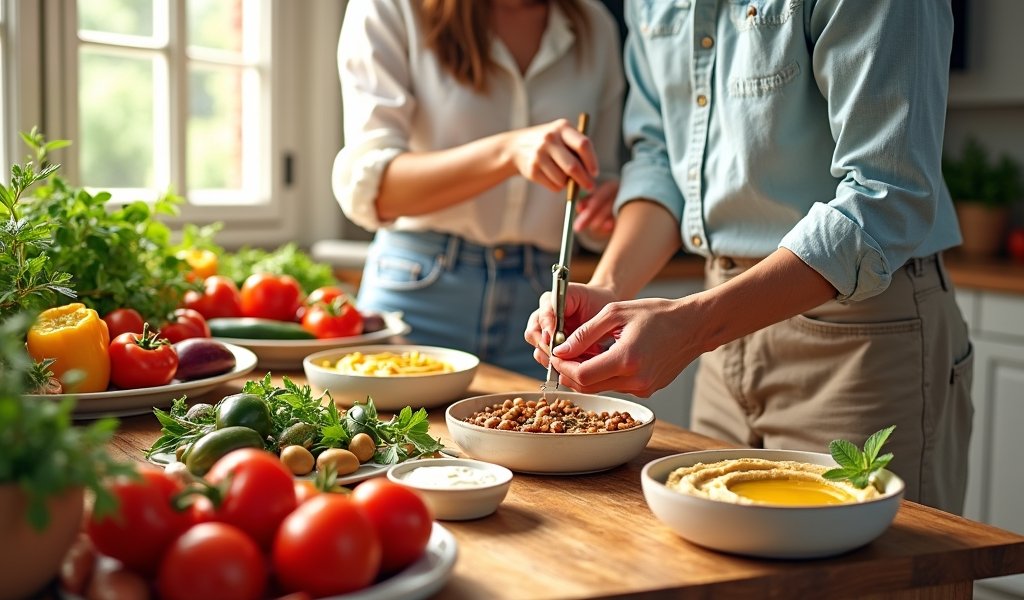
Simple Dinner: One-Pan Mediterranean Baked Fish
After a long day, you need a dinner that refuels your energy reserves without requiring excessive preparation time. This one-pan mediterranean fish recipe delivers both nutrition and convenience, providing lean protein alongside vegetables roasted in heart-healthy olive oil – all with minimal cleanup.
Ingredients:
- 1 pound white fish fillets (cod, tilapia, or halibut work well)
- 1 pint cherry tomatoes, halved
- 1 medium zucchini, sliced into half-moons
- 1 small red onion, sliced
- 1/4 cup kalamata olives, pitted
- 2 tablespoons extra virgin olive oil
- 2 cloves garlic, minced
- 1 lemon, sliced
- 1 teaspoon dried oregano
- 1 teaspoon dried thyme
- Salt and pepper to taste
- Fresh parsley for garnish
Preparation (20 minutes, 15 minutes cooking):
- Preheat oven to 400°F (200°C)
- Toss vegetables, olives, olive oil, garlic, herbs, salt, and pepper in a baking dish
- Arrange fish fillets on top of vegetables
- Place lemon slices over fish
- Bake for 15-18 minutes until fish flakes easily with a fork
- Garnish with fresh parsley before serving
This mediterranean recipe excels at providing evening energy without disrupting sleep. The lean protein from fish offers essential amino acids that support muscle recovery and repair overnight. Meanwhile, the combination of colorful vegetables delivers a spectrum of antioxidants that fight inflammation and oxidative stress – two key contributors to fatigue.
For busy weeknights, prep the vegetables in advance and store in the refrigerator. When dinner time arrives, simply arrange on the baking sheet, add fish, and bake. This approach gives you a nutrient-dense meal in under 20 minutes of active cooking time while providing the sustained energy release that Mediterranean dishes are known for.
Vegetarian Power Meal: Quinoa Mediterranean Bowl
For vegetarians or those embracing plant-forward eating, this quinoa mediterranean bowl offers exceptional energy-boosting properties. Centered around protein-rich quinoa and complemented by a colorful array of Mediterranean staples, this meal delivers sustained vitality through a perfect balance of complex carbohydrates, plant proteins, and healthy fats.
Ingredients:
- 1 cup quinoa, rinsed
- 2 cups vegetable broth
- 1 can (15 oz) chickpeas, drained and rinsed
- 1 cucumber, diced
- 1 cup cherry tomatoes, halved
- 1/2 red onion, finely diced
- 1/2 cup roasted red peppers, chopped
- 1/4 cup kalamata olives, sliced
- 1/4 cup crumbled feta cheese
- 2 tablespoons extra virgin olive oil
- 1 tablespoon lemon juice
- 1 clove garlic, minced
- 1 teaspoon dried oregano
- Salt and pepper to taste
- Fresh mint leaves for garnish
Preparation (25 minutes):
- Cook quinoa in vegetable broth according to package directions
- While quinoa cooks, prepare vegetables and chickpeas
- Whisk together olive oil, lemon juice, garlic, oregano, salt, and pepper
- Once quinoa is cooked and slightly cooled, combine with vegetables and chickpeas
- Drizzle with dressing, add feta, and toss gently
- Garnish with fresh mint before serving
Quinoa forms the perfect base for this energy-boosting mediterranean recipe as it’s one of the few plant foods containing all nine essential amino acids. This complete protein profile supports muscle health and provides lasting energy. Additionally, quinoa’s complex carbohydrates break down slowly, preventing the blood sugar fluctuations that can lead to energy crashes.
The versatility of this dish makes it perfect for busy individuals. Prepare components in advance for quick assembly during the week, or make a complete batch that stays fresh in the refrigerator for up to three days. For those seeking additional protein, consider adding grilled tofu or a soft-boiled egg. According to dietitians from the Academy of Nutrition and Dietetics, this combination of plant proteins with healthy fats represents one of the most efficient ways to fuel sustained energy.
Guilt-Free Dessert: Greek Yogurt with Honey and Nuts
Who says desserts can’t contribute to your energy levels? This simple mediterranean recipe offers a satisfying sweet treat that actually supports sustained vitality rather than triggering the crash typically associated with sugary desserts. By combining protein-rich Greek yogurt with natural sweeteners and energy-boosting nuts, you’ll satisfy your sweet tooth while maintaining steady energy levels.
Ingredients:
- 1 cup Greek yogurt (full-fat recommended)
- 1 tablespoon high-quality honey
- 2 tablespoons mixed chopped nuts (walnuts, almonds, pistachios)
- 1 teaspoon cinnamon
- 1/2 teaspoon vanilla extract
- Fresh berries for topping (optional)
- Dark chocolate shavings (optional)
Preparation (3 minutes):
- Mix vanilla extract into Greek yogurt
- Drizzle with honey
- Top with nuts, cinnamon, and optional berries or chocolate shavings
- For a chilled dessert, refrigerate for 30 minutes before serving
This dessert represents the Mediterranean approach to sweet treats – emphasizing natural sweetness and nutritional value over processed sugars and empty calories. The protein in Greek yogurt stabilizes blood sugar while providing essential amino acids that support cellular energy production. Meanwhile, nuts deliver magnesium, a mineral directly involved in over 300 enzymatic reactions related to energy metabolism.
For variety, try warming the honey slightly before drizzling for enhanced flavor, or substitute honey with pure maple syrup. You can also prepare this mediterranean recipe as a parfait by layering the ingredients in a glass for an elegant presentation. The combination of protein, healthy fats, and minimal natural sugar makes this an ideal evening treat that satisfies cravings without disrupting sleep – maintaining your energy balance for the following day.
Conclusion
Incorporating these six quick mediterranean recipes into your weekly routine offers a practical approach to boosting energy levels naturally. What makes these dishes particularly valuable is their dual benefit – they not only fuel your body efficiently but also delight your senses with vibrant flavors and textures. The Mediterranean diet’s emphasis on whole foods, healthy fats, lean proteins, and complex carbohydrates creates the perfect nutritional foundation for sustained vitality.
Beyond the immediate energy benefits, these mediterranean recipes contribute to long-term health, potentially reducing inflammation, improving heart health, and supporting brain function. This holistic approach to nutrition exemplifies why Mediterranean eating patterns consistently rank among the healthiest diets worldwide.
Remember that consistency matters more than perfection. Even incorporating just two or three of these recipes weekly can significantly impact your energy levels. Start with the recipes that most appeal to your palate and lifestyle, then gradually expand your Mediterranean repertoire as you experience the benefits firsthand.
The beauty of these energy-boosting mediterranean recipes lies in their adaptability. Feel free to substitute ingredients based on seasonal availability or personal preference while maintaining the core nutritional principles. With minimal preparation time and maximum nutritional impact, these six recipes prove that eating for energy doesn’t require culinary expertise or hours in the kitchen – just thoughtful ingredient selection and simple preparation techniques.
Frequently Asked Questions
What defines a Mediterranean diet recipe?
Mediterranean diet recipes focus on olive oil, whole grains, fruits, vegetables, beans, nuts, and moderate amounts of fish, poultry, and dairy. They minimize red meat and processed foods while emphasizing fresh, seasonal ingredients.
How do Mediterranean recipes boost energy levels?
Mediterranean recipes boost energy through balanced macronutrients, complex carbohydrates that provide steady glucose release, and essential nutrients that support cellular energy production. The diet’s anti-inflammatory properties also reduce fatigue-causing inflammation.
Can Mediterranean recipes help with weight management?
Yes, Mediterranean recipes support healthy weight management through high fiber content, protein satiety, and healthy fats that promote fullness. Studies show people following this eating pattern maintain weight loss better than those on low-fat diets.
How long do these Mediterranean recipes take to prepare?
Most of these Mediterranean recipes require between 5-25 minutes of active preparation time. They’re specifically designed for quick assembly while maintaining authentic Mediterranean flavors and nutritional benefits.
Are Mediterranean recipes suitable for meal prepping?
Mediterranean recipes are excellent for meal prepping as many components improve with time as flavors meld. Items like chickpea salad, quinoa bowls, and vegetable preparations can be made in advance and stored for 3-4 days in the refrigerator.
Pingback: 5 Proven Halal Diet Tips to Boost Energy & Shed Pounds - achievehealthgoals.com
Pingback: dk metcalf diet: 5 Proven Tips to Boost Fitness Fast - achievehealthgoals.com
Pingback: 10 Proven Cucumber Nutrition Facts for Faster Weight Loss - achievehealthgoals.com
Pingback: Ultimate 80/20 Diet Review: Proven Plan for Fat Loss - achievehealthgoals.com
Pingback: Ultimate Pizza Nutrition Facts: 7 Tips for Healthier Slices - achievehealthgoals.com
Pingback: 10 Proven Benefits of TPN Nutrition for Peak Fitness - achievehealthgoals.com
Pingback: 7 Proven Mediterranean Diet Desserts for Fat Loss - achievehealthgoals.com
Pingback: Ultimate Hiatal Hernia Diet: 7 Proven Meal Plans - achievehealthgoals.com