
Overview
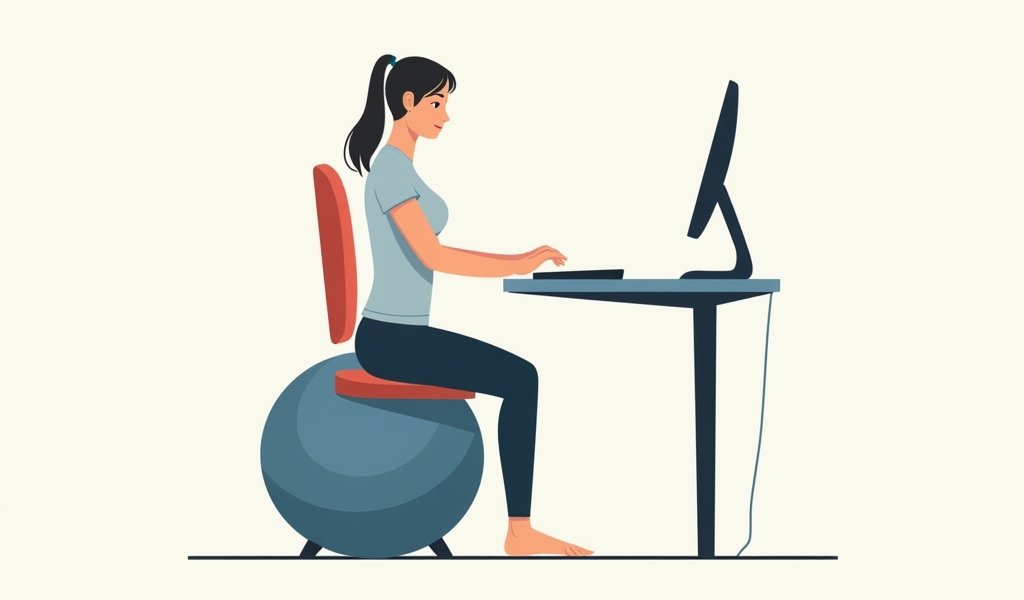
Exercise ball chairs help alleviate back pain by promoting proper posture, strengthening core muscles, and encouraging active sitting through constant micro-adjustments that engage stabilizing muscles. The article provides a complete guide to selecting the right chair, transitioning properly with a gradual four-week approach, performing targeted exercises, maintaining correct posture, and includes success stories from users who experienced significant back pain relief.
Table of Contents
- Understanding Back Pain: Causes and Impact
- What Is an Exercise Ball Chair?
- 7 Key Benefits of Using an Exercise Ball Chair
- How to Choose the Right Exercise Ball Chair
- Transitioning to an Exercise Ball Chair: A Step-by-Step Guide
- Effective Exercises to Do with Your Ball Chair
- Maintaining Proper Posture on Your Exercise Ball Chair
- Real Success Stories: Back Pain Relief with Ball Chairs
- Conclusion: Your Journey to a Healthier Back
- Frequently Asked Questions
Understanding Back Pain: Causes and Impact
Back pain is one of those universal experiences that most of us will encounter at some point. As a physical therapist, I’ve seen firsthand how debilitating it can be—affecting not just physical movement, but quality of life. Nearly 80% of adults will experience back pain during their lifetime, with many cases linked directly to poor posture and sedentary lifestyles.
The modern workplace has become a breeding ground for back problems. We spend hours hunched over keyboards, slouched in uncomfortable chairs, with our spines curved in unnatural positions. This prolonged sitting creates muscle imbalances, weakens core stability, and places excessive pressure on the intervertebral discs.
The good news? Many cases of back pain are preventable and treatable without medication or surgery. Simple changes to your daily routine and work environment can make a significant difference. One such solution that’s gained tremendous popularity in recent years is the exercise ball chair.
While traditional office chairs often contribute to poor posture, an exercise ball chair can actively promote better alignment, engage core muscles, and reduce the pressure points that lead to pain. Let’s explore how this simple tool might be the game-changer your aching back has been waiting for.
What Is an Exercise Ball Chair?
An exercise ball chair (also called a stability ball chair or balance ball chair) is essentially a fitness ball that’s been adapted for sitting. It typically consists of a large inflatable ball secured within a frame that includes a backrest and sometimes wheels for mobility. The concept brilliantly combines active sitting with the support needed for extended use.
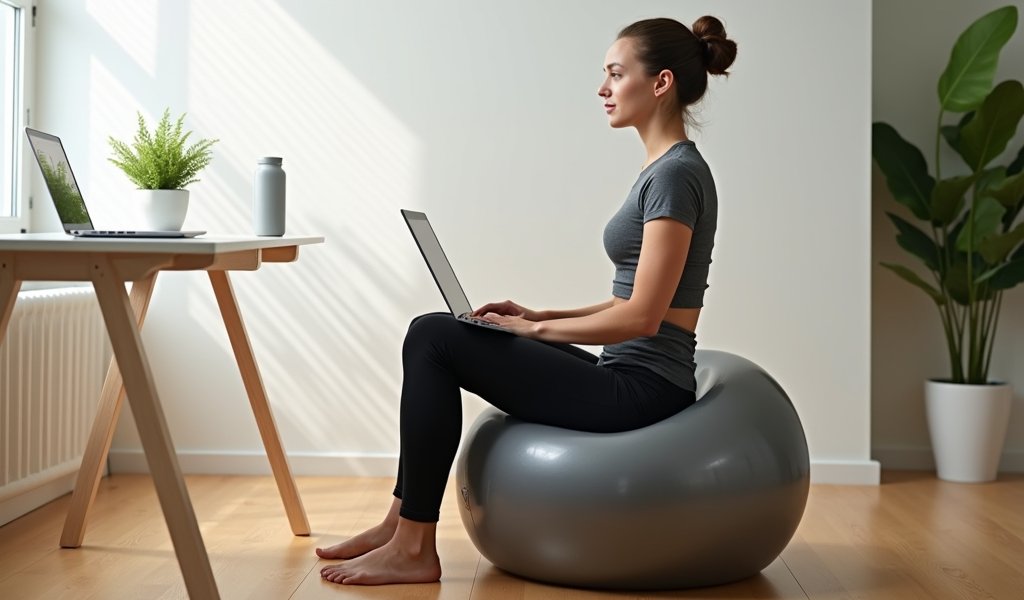
Unlike traditional chairs that encourage passive sitting, an exercise ball chair creates an unstable surface that requires your body to make constant micro-adjustments to maintain balance. This “active sitting” engages your core muscles, promotes better posture, and increases energy expenditure even while you’re technically seated.
The evolution of these chairs has been fascinating to watch. What began as physical therapists simply placing patients on exercise balls for rehabilitation has transformed into an ergonomic revolution with various designs to suit different needs and body types. Some models now include adjustable height settings, removable backrests, and even resistance bands for additional exercises.
What makes the exercise ball chair particularly effective for back pain is the way it addresses the root causes rather than just masking symptoms. By activating the deep stabilizing muscles that support your spine and promoting natural alignment, these chairs help create the internal support system your back needs to heal and remain healthy.
7 Key Benefits of Using an Exercise Ball Chair
Exercise ball chairs offer more than just a novel way to sit. Their design provides substantial benefits for back health and overall wellbeing. Here are seven evidence-based advantages that might surprise you:
1. Improved Core Strength
Sitting on an unstable surface naturally activates your deep abdominal and back muscles. A study published in the Journal of Physical Therapy Science found that using an exercise ball chair significantly increased muscle activity in the core compared to standard office chairs. Stronger core muscles provide better support for your spine, reducing the risk of injury and pain.
2. Better Posture Naturally
When you sit on an exercise ball chair, your body is constantly making subtle adjustments to maintain balance. These micro-movements encourage proper spinal alignment without conscious effort. Over time, this can help reverse poor postural habits that contribute to back pain.
3. Increased Movement Throughout the Day
The slight instability of an exercise ball chair makes it nearly impossible to remain completely still. These small movements throughout the day increase circulation, prevent stiffness, and help distribute nutrients to the intervertebral discs, which don’t have their own blood supply and rely on movement for nourishment.
4. Reduced Pressure on the Spine
The curved surface of an exercise ball distributes your body weight more evenly than a flat chair, reducing pressure points on your spine and tailbone. For people with disc issues or general back discomfort, this more natural sitting position can provide immediate relief.
5. Improved Blood Flow and Energy
The gentle bouncing and movement associated with sitting on an exercise ball chair stimulates blood flow to your muscles and brain. Many users report feeling more energized and alert throughout the workday compared to sitting in a traditional chair.
6. Calorie Burning While Sitting
Though it might seem minor, the continuous muscle engagement required when using an exercise ball chair burns more calories than passive sitting. According to research from the American Council on Exercise, you can burn an extra 4-6 calories per hour—which adds up over a full workday!
7. Enhanced Focus and Productivity
The physical engagement required when sitting on an exercise ball chair may actually help improve concentration. Some users find that the slight physical activity helps channel restless energy that might otherwise manifest as distraction or fidgeting.
While these benefits are impressive, it’s worth noting that exercise ball chairs aren’t a magical cure-all. They work best as part of a comprehensive approach to back health that includes regular movement breaks, stretching, and proper ergonomics in all aspects of your workspace.
How to Choose the Right Exercise Ball Chair
Selecting the perfect exercise ball chair is crucial for maximizing benefits and preventing potential issues. Here’s what to consider before making your purchase:
Size Matters
Exercise ball chairs come in various sizes, typically ranging from 45cm to 85cm in diameter. Your height should determine which size you choose:
- Under 5’4″: 45cm ball
- 5’4″ to 5’10”: 55cm ball
- 5’11” to 6’4″: 65cm ball
- Over 6’4″: 75cm ball
The right size will position your hips slightly higher than your knees when seated, creating an optimal angle for your spine and pelvis.
Quality and Durability
Since you’ll be trusting this chair with your body weight for hours each day, quality shouldn’t be compromised. Look for anti-burst materials that can support at least 300 pounds. A good exercise ball chair should be made of thick, durable PVC or similar material that won’t easily puncture or lose shape over time.
Frame Design
Consider whether you want a chair with a complete frame (which offers more stability and often includes a backrest) or a simple base that holds the ball in place. If you’re new to exercise ball chairs, a model with a backrest provides some security while you adjust to the new sitting style.
Adjustability Features
The most versatile exercise ball chairs offer height adjustments, removable backrests, and the ability to use the ball separately for exercises. These features allow the chair to grow with your needs and provide options for different activities throughout the day.
Mobility Requirements
Consider how much you need to move around your workspace. Some exercise ball chairs include lockable wheels for easy mobility, while others are designed to stay in one place. Your work environment and daily tasks should inform this choice.
Additional Features
Some premium models include resistance bands, ergonomic backrests, or even massage textures on the ball itself. While these aren’t necessary, they might enhance your experience and provide additional options for movement throughout the day.
Before purchasing, I always recommend testing the chair if possible or choosing a retailer with a good return policy. Even the best exercise ball chair isn’t right for everyone, and your comfort is paramount when making this switch.
Transitioning to an Exercise Ball Chair: A Step-by-Step Guide
Switching from a conventional office chair to an exercise ball chair requires a thoughtful transition period. Your body needs time to adapt to this new way of sitting, and rushing the process could lead to discomfort or even injury. Here’s how to make the switch successfully:
Week 1: Introduction Phase
Start by using your exercise ball chair for just 20-30 minutes at a time, 2-3 times per day. Begin with periods when you’re feeling energetic, not when you’re already tired or experiencing back pain. Pay attention to how your body feels during and after these sessions.
Between ball chair sessions, return to your regular chair, but be mindful of your posture. This gradual introduction gives your core muscles time to strengthen without becoming overly fatigued.
Week 2: Building Endurance
Increase your time on the exercise ball chair to 30-45 minutes, 3-4 times daily. You might start to notice your core feeling tired—this is normal and indicates the chair is doing its job by engaging those muscles.
Use this week to practice finding your balance point where sitting feels most comfortable. Experiment with different positions and distances from your desk to find what works best for you.
Week 3: Integration
By now, you can aim for 1-hour sessions on your exercise ball chair, alternating with your regular chair throughout the day. Pay attention to any warning signs like lower back fatigue or discomfort, which might indicate you need more gradual progression.
This is also a good time to begin incorporating simple stretches and movements while seated on the ball, such as gentle bouncing, pelvic tilts, or small circles with your hips.
Week 4 and Beyond: Full Adaptation
Most people can transition to using their exercise ball chair for most of the workday by the fourth week, though you should still take regular breaks to stand, walk, and stretch. Listen to your body—some days you might need more support than others, and that’s perfectly fine.
Remember that even long-term users benefit from alternating between sitting options. Having both an exercise ball chair and a quality ergonomic chair gives your body variety, which is beneficial for overall musculoskeletal health.
Troubleshooting Common Adjustment Issues
If you experience back pain during the transition, don’t immediately give up. Check your ball inflation (it should be firm but have slight give), your desk height, and your sitting posture. Sometimes simple adjustments make all the difference. However, if pain persists, consult with a physical therapist who can evaluate your specific situation.
Effective Exercises to Do with Your Ball Chair
One of the greatest advantages of an exercise ball chair is its versatility. Beyond passive sitting, you can perform targeted exercises right at your desk to strengthen your back and relieve tension. Here are some effective movements that take just minutes but deliver significant benefits:
Seated Pelvic Tilts
- Sit centered on your ball chair with feet flat on the floor
- Slowly tilt your pelvis forward, creating an arch in your lower back
- Then tilt backward, flattening your lower back
- Repeat 10-15 times, moving slowly and with control
This gentle movement helps mobilize your lower spine and trains proper pelvic positioning, which is fundamental for healthy posture. It’s particularly effective for those with lower back stiffness or mild discomfort.
Seated Spinal Rotations
- Sit tall on your ball chair with arms crossed over your chest
- Keeping your hips facing forward, slowly rotate your upper body to the right
- Return to center, then rotate to the left
- Perform 8-10 rotations on each side
This exercise improves thoracic (mid-back) mobility, which is often restricted in desk workers. Better thoracic mobility reduces strain on both the neck and lower back.
Mini Bouncing
- Sit comfortably on your ball chair
- Gently bounce up and down by pushing slightly with your feet
- Keep the movement small and controlled
- Continue for 1-2 minutes
This simple movement stimulates circulation, lubricates spinal joints, and provides gentle movement to the discs. It’s excellent for relieving stiffness during long work sessions.
Seated Back Extensions
- Sit forward on your ball chair with feet planted wider than hip-width
- Place your hands on your lower back for support
- Gently lean back 15-20 degrees, keeping your core engaged
- Return to the starting position
- Repeat 8-10 times
This exercise strengthens the often-neglected back extensors, which are crucial for maintaining upright posture against gravity throughout the day.
Wall Squats with Ball Support
- Position your exercise ball between your mid-back and a wall
- Walk your feet forward slightly and lower into a partial squat position
- Hold for 20-30 seconds, focusing on keeping your back flat against the ball
- Return to standing, then repeat 3-5 times
This exercise strengthens your legs while simultaneously improving posture awareness. It’s particularly helpful for those who need to reinforce proper spinal alignment.
I recommend incorporating these exercises into your workday as “movement snacks”—short breaks that refresh both your body and mind. Even 2-3 minutes of targeted movement every hour can dramatically reduce discomfort and improve your overall back health over time.
Maintaining Proper Posture on Your Exercise Ball Chair
Even the best exercise ball chair can’t help your back if you’re not sitting on it correctly. Proper posture is crucial for reaping the benefits while avoiding potential strain. Here’s how to position yourself for success:
The Foundation: Feet and Legs
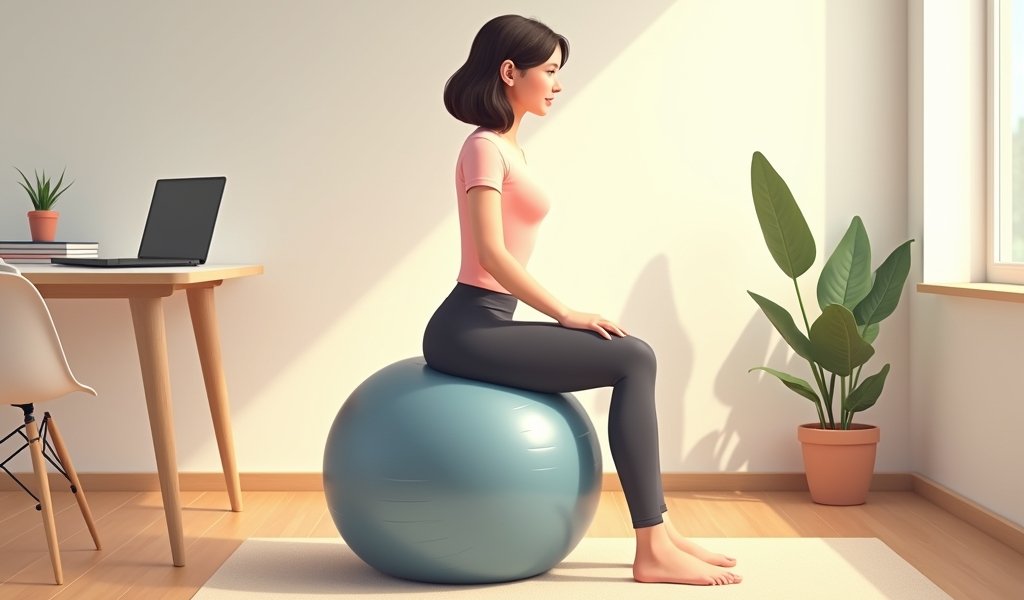
Start with your feet flat on the floor, positioned slightly wider than hip-width apart for stability. Your knees should be at approximately a 90-degree angle or slightly lower than your hips. This base position creates a solid foundation that supports your entire posture chain.
If your feet don’t comfortably reach the floor, your ball may be too large, or you might need to adjust your desk height. Proper foot positioning is non-negotiable for back health.
The Powerhouse: Pelvis and Core
Your pelvis should be in a neutral position—not tilted too far forward (which arches your back) or too far backward (which rounds it). Imagine your pelvis as a bowl of water that shouldn’t spill in any direction.
Engage your core muscles lightly, as if you’re preparing for someone to tap your stomach. This isn’t about clenching or holding your breath; it’s a gentle activation that provides internal support for your spine.
The Stack: Spine and Shoulders
Visualize your spine lengthening upward, creating space between each vertebra. Your shoulders should be relaxed and positioned directly over your hips—not hunched forward or pulled too far back.
A helpful cue is to imagine a string pulling the crown of your head toward the ceiling, which naturally aligns your spine and encourages you to sit taller without straining.
The Finish: Neck and Head
Your neck should continue the natural curve of your spine, with your ears aligned over your shoulders. Avoid the common “forward head” position where your chin juts forward, which places tremendous strain on your neck and upper back.
Your computer monitor should be positioned at eye level to support this alignment. If you’re looking down at your screen, you’re inviting neck strain regardless of your chair choice.
Dynamic Sitting: The Secret Ingredient
The beauty of an exercise ball chair lies in movement. Don’t feel you need to maintain perfect stillness—gentle, controlled movements like slight bouncing, small pelvic rotations, or weight shifts keep your muscles engaged and your discs nourished.
Dr. Kelly Starrett, a physical therapist and mobility expert, explains that “your next posture is your best posture.” This means regular position changes are actually beneficial, not problematic, when sitting on an exercise ball chair.
Real Success Stories: Back Pain Relief with Ball Chairs
Theory and research are valuable, but sometimes the most convincing evidence comes from real-life experiences. Here are authentic stories from people who found relief through exercise ball chairs:
Emma’s Journey: From Chronic Pain to Comfortable Productivity
Emma, a 42-year-old graphic designer, had suffered from persistent lower back pain for nearly a decade. After trying various ergonomic chairs, adjustable desks, and even regular massage therapy, she was skeptical when her physical therapist suggested an exercise ball chair.
“The first week was challenging,” she admits. “My core muscles were clearly weak, and I could only use it for short periods. But by week three, something remarkable happened—I noticed I wasn’t reaching for pain medication in the afternoon like usual.”
Six months later, Emma uses her exercise ball chair for about 70% of her workday, alternating with standing and a traditional ergonomic chair. “My back pain hasn’t completely disappeared, but it’s reduced by at least 80%. Plus, I have more energy throughout the day.”
Michael’s Experience: Prevention After Surgery
After undergoing lumbar disc surgery, Michael was determined to prevent future problems. His surgeon recommended an exercise ball chair as part of his recovery plan.
“At first, I thought it seemed too simple to be effective,” Michael shares. “But it forced me to engage the stabilizing muscles I’d neglected for years. Two years post-surgery, I’ve maintained a pain-free back, which my doctor attributes partly to the active sitting habits I’ve developed.”
Michael emphasizes the importance of proper transition: “I started with just 15 minutes at a time and gradually built up. Rushing would have been counterproductive.”
Sarah’s Workplace Transformation
As an HR director, Sarah not only adopted an exercise ball chair herself but also implemented a pilot program in her company after experiencing remarkable results.
“I had such success with my own chronic back issues that we offered exercise ball chairs to employees who expressed interest. After six months, our internal survey showed a 45% decrease in reported back discomfort among participants, and surprisingly, a 23% reduction in afternoon fatigue.”
Sarah notes that the program worked because they provided proper education and didn’t force the change: “We emphasized that these chairs aren’t for everyone and allowed employees to alternate with traditional seating. The optional, educated approach made all the difference.”
These stories highlight an important point: exercise ball chairs can be tremendously effective, but success depends on proper implementation, realistic expectations, and individualized approaches. What works for one person may need adjustment for another.
Conclusion: Your Journey to a Healthier Back
The exercise ball chair represents more than just an alternative seating option—it’s a shift in how we approach workplace wellness and back health. By transforming passive sitting into an active engagement of your core muscles, these innovative chairs address one of the root causes of back pain rather than merely masking symptoms.
Throughout this guide, we’ve explored how exercise ball chairs work to strengthen your core, improve posture, and provide the dynamic movement your spine craves. We’ve outlined practical steps for choosing the right model, transitioning successfully, maintaining proper alignment, and even incorporating targeted exercises for enhanced benefits.
Remember that an exercise ball chair is just one tool in your back health toolkit. The most successful approach combines active sitting with regular movement breaks, stretching, strength training, and attention to ergonomics in all aspects of your life.
As with any wellness intervention, consistency is key. The benefits of an exercise ball chair accumulate over time as your body adapts and strengthens. Be patient with yourself during the adjustment period and listen to your body’s feedback throughout the process.
Your back has supported you throughout your entire life—investing in its health through simple, evidence-based solutions like an exercise ball chair is a decision you’re unlikely to regret. Whether you’re currently managing back pain or proactively protecting your spinal health, the humble exercise ball chair offers a accessible path toward a stronger, more comfortable back for years to come.
Frequently Asked Questions
How long should beginners sit on an exercise ball chair?
Beginners should start with just 20-30 minutes at a time, 2-3 times per day. Gradually increase duration as your core strength improves, aiming for a progressive transition over 3-4 weeks.
Can exercise ball chairs help with herniated discs?
Exercise ball chairs may help some people with herniated discs by promoting better posture and core strength. Always consult your healthcare provider before using one if you have a diagnosed disc condition.
Will an exercise ball chair help me lose weight?
While not a significant calorie burner, using an exercise ball chair can increase energy expenditure by 4-6 calories per hour compared to regular sitting. The main benefits are posture improvement and core strengthening rather than weight loss.
How often should I reinflate my exercise ball chair?
Most exercise balls need reinflation every 2-4 weeks depending on usage. Your ball should be firm enough that you can’t depress it more than 2 inches when sitting on it.
Are exercise ball chairs suitable for everyone?
Exercise ball chairs aren’t ideal for those with severe balance issues, very acute back injuries, or pregnancy complications. They work best for people who can maintain basic balance and have their doctor’s approval for core-engaging activities.
Pingback: Best Exercise Ball for Pregnancy Guide - achievehealthgoals.com