

Overview
Exercise science degrees offer expanding career opportunities in diverse fields from athletic training to rehabilitation, with job growth projected at 13-19% through 2030 and competitive salaries ranging from $40,000-$100,000+. Beyond career benefits, the degree provides a deep understanding of human performance, hands-on learning experiences, pathways to advanced specializations, personal wellness benefits, and the opportunity to make meaningful public health impacts through a vibrant professional community.
Table of Contents
- Expanding Career Opportunities in Exercise Science
- A Deep Understanding of Human Performance
- Hands-On Learning: Where Theory Meets Practice
- Pathway to Advanced Degrees and Specializations
- Personal Wellness Benefits: Practicing What You Teach
- Making a Meaningful Public Health Impact
- Versatile Skills That Transfer Across Fields
- Joining a Vibrant Professional Community
- Conclusion
- Frequently Asked Questions
In today’s health-conscious world, the pursuit of an exercise science degree has become increasingly valuable. This multidisciplinary field merges anatomy, physiology, biomechanics, and nutrition to provide a comprehensive understanding of how our bodies respond to physical activity. As someone who’s spent over 15 years in the health and wellness industry, I’ve witnessed firsthand how this educational path opens doors to rewarding careers while equipping graduates with knowledge that transforms lives.
Whether you’re fascinated by human movement, passionate about promoting health, or searching for a versatile degree with excellent job prospects, exercise science offers remarkable benefits that extend well beyond graduation day. Let’s explore why this field has captured the interest of so many aspiring health professionals.
Expanding Career Opportunities in Exercise Science
The job market for exercise science graduates continues to show impressive growth. According to the Bureau of Labor Statistics, careers related to exercise science are projected to grow 13-19% between 2020 and 2030—significantly outpacing the average for all occupations. This robust expansion stems from our aging population seeking to maintain mobility, increased emphasis on preventative healthcare, and growing awareness of fitness benefits across all demographics.
With an exercise science degree, you’re not limited to a single career path. Graduates can pursue diverse roles including:
- Athletic trainers
- Strength and conditioning coaches
- Corporate wellness coordinators
- Exercise physiologists
- Fitness directors
- Rehabilitation specialists
- Performance enhancement consultants
The financial outlook is equally promising. Entry-level positions typically start between $40,000-$50,000 annually, while experienced professionals with specialized credentials can earn well into six figures, particularly in clinical settings or with elite athletic organizations. Many of my colleagues who pursued additional certifications or advanced degrees have created thriving careers that combine financial stability with deeply meaningful work.
A Deep Understanding of Human Performance
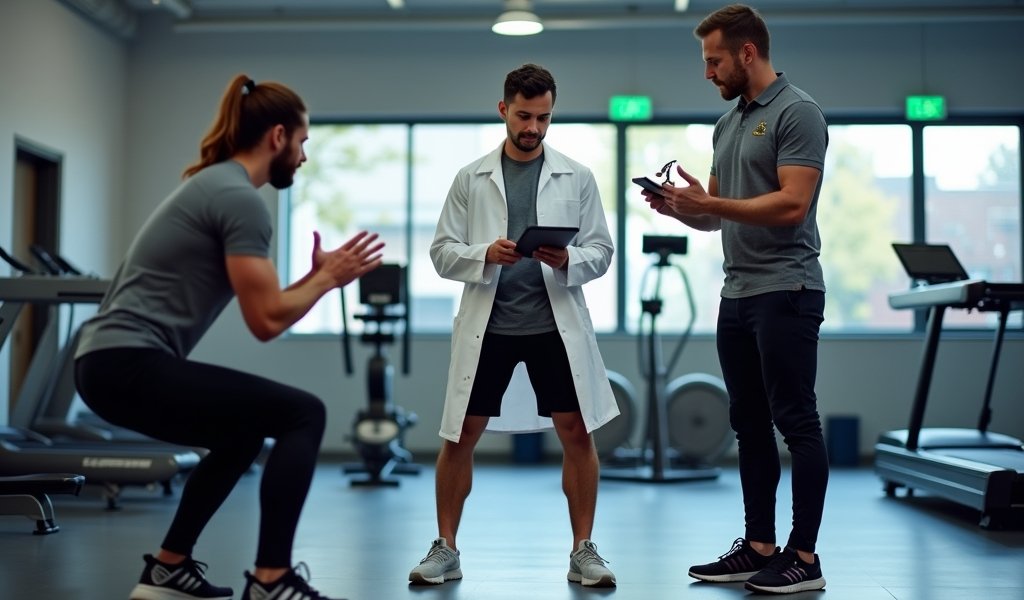
Few educational paths offer the comprehensive understanding of the human body that an exercise science degree provides. Students develop intimate knowledge of anatomical structures and physiological systems, learning not just what happens during exercise but why these adaptations occur.
This educational journey takes you through the intricate architecture of muscles, bones, and connective tissues, revealing how these systems work together during movement. You’ll explore biomechanical principles that explain the physics behind human motion, while exercise physiology courses illuminate how our bodies respond and adapt to different training stimuli.
Nutritional science complements this knowledge base, teaching how dietary choices fuel performance and recovery. This holistic understanding creates professionals who can address health from multiple angles—like master chess players who see several moves ahead. I still remember the “aha” moment when I first grasped how cellular respiration directly impacts athletic endurance; these connections make exercise science particularly fascinating.
Hands-On Learning: Where Theory Meets Practice
Exercise science education is refreshingly hands-on. While textbooks provide theoretical foundations, programs emphasize learning by doing. Students regularly find themselves in laboratory settings measuring oxygen consumption during exercise, analyzing movement patterns, or assessing body composition using advanced techniques.
Field experiences transport learning beyond campus boundaries. Most programs facilitate valuable internship opportunities with:
- Professional and collegiate sports teams
- Physical therapy clinics
- Corporate wellness programs
- Community fitness centers
- Research laboratories
In my experience working with recent graduates, those with substantial hands-on experience transition more seamlessly into professional roles, having already developed the practical skills employers value. These experiences serve as bridges between academic knowledge and real-world application, allowing students to test theories in practice and build professional confidence before entering the workforce.
Pathway to Advanced Degrees and Specializations
For many professionals, an exercise science degree serves as the first step in a longer educational journey. The curriculum provides an exceptional foundation for numerous advanced degree programs, including:
- Doctor of Physical Therapy (DPT)
- Master’s or PhD in Kinesiology
- Occupational Therapy
- Athletic Training
- Exercise Physiology
- Medical school or physician assistant programs
The scientific rigor and human health focus of exercise science prepares students exceptionally well for graduate-level studies. Many advanced programs actively seek candidates with this background, recognizing they bring valuable perspective on human movement and physical activity that complements clinical knowledge.
Additionally, the degree opens doors to numerous specialized certifications from organizations like the American College of Sports Medicine, National Strength and Conditioning Association, and American Council on Exercise. These credentials further enhance career prospects and expertise in specific areas of practice.
Personal Wellness Benefits: Practicing What You Teach
Perhaps uniquely among academic disciplines, exercise science education transforms students’ personal lives alongside their professional development. As you learn principles of training, recovery, and nutrition, you naturally apply this knowledge to your own health practices.
This educational path creates its own virtuous cycle: learning about exercise benefits motivates personal fitness habits, which in turn reinforces academic concepts through lived experience. Students often become walking advertisements for their field of study, embodying the health principles they’re learning to teach.
Beyond physical benefits, this self-application breeds authenticity. Clients and patients respond more readily to health professionals who clearly practice what they preach, creating more effective therapeutic relationships. I’ve seen how this embodied knowledge creates particularly effective health professionals who speak from both academic understanding and personal experience.

Making a Meaningful Public Health Impact
In an era when lifestyle diseases dominate healthcare costs, exercise science professionals stand on the frontlines of preventative health. They translate complex research into actionable strategies for populations struggling with sedentary behavior, obesity, and related chronic conditions.
Exercise science graduates learn to design and implement programs that address public health challenges across the lifespan—from childhood obesity interventions to fall prevention in older adults. They become skilled communicators who can motivate behavior change and educate communities about exercise benefits.
I’ve witnessed how exercise science professionals become catalysts for healthier communities, creating ripple effects that extend far beyond individual clients. By promoting physical activity as medicine, these professionals help reduce healthcare costs and improve quality of life on a broader scale. This opportunity to make a meaningful difference drives many students toward this field.
Versatile Skills That Transfer Across Fields
Like a well-designed training program, an exercise science degree develops a balanced set of professional capabilities. Beyond field-specific knowledge, students cultivate:
- Critical thinking skills through analyzing research and case studies
- Problem-solving abilities through program design challenges
- Communication expertise through client interactions
- Data analysis capabilities through laboratory assessments
- Leadership skills through group exercise facilitation
These transferable skills prepare graduates to work with diverse populations—from elite athletes to clinical patients, children to seniors. The adaptability of these competencies also allows professionals to pivot as industry trends evolve, maintaining career relevance through changing times.
I’ve known exercise science graduates who have successfully transitioned into healthcare administration, medical device sales, corporate wellness leadership, and entrepreneurial ventures. The versatility of this degree provides considerable professional security in our rapidly changing economy.
Joining a Vibrant Professional Community
The exercise science field offers something invaluable beyond knowledge and skills: community. Students join a passionate network of professionals dedicated to improving lives through movement and physical activity.
This community provides numerous benefits:
- Mentorship opportunities with experienced professionals
- Collaborative research possibilities
- Connections that lead to job opportunities
- Ongoing education through professional organizations
- Support systems during challenging career moments
Professional organizations like the American College of Sports Medicine and the National Strength and Conditioning Association offer conferences, continuing education, and certification opportunities that keep graduates connected to the latest developments in the field. Some of my most valuable career opportunities have come through connections made within these professional networks.
Conclusion
An exercise science degree offers a unique combination of personal and professional benefits that few academic paths can match. From robust job prospects and diverse career options to deep understanding of human health and performance, students gain knowledge that transforms both their career trajectory and personal wellbeing.
The hands-on nature of this education creates confident professionals ready to make immediate contributions in various settings, while also preparing them for advanced study if desired. Perhaps most importantly, exercise science graduates develop the skills and knowledge to positively impact health at a time when lifestyle-related diseases present our greatest challenges.
For those passionate about health, movement, and helping others, an exercise science degree represents not just an education but a transformation—a pathway to becoming a professional who understands how to unlock human physical potential. As our understanding of exercise’s role in health continues to expand, these professionals will only become more essential to our collective wellbeing.
Frequently Asked Questions
What jobs can I get with an exercise science degree?
Graduates can pursue careers as athletic trainers, strength coaches, exercise physiologists, fitness directors, corporate wellness coordinators, and rehabilitation specialists. Many also use this degree as preparation for physical therapy, occupational therapy, or other advanced healthcare degrees.
How much do exercise science graduates typically earn?
Entry-level positions typically start between $40,000-$50,000 annually, with experienced professionals earning $60,000-$80,000+. Those with specialized certifications or advanced degrees can earn six-figure salaries, especially in clinical settings or elite sports.
Is an exercise science degree difficult?
The program includes challenging science coursework in anatomy, physiology, biomechanics, and statistics. However, most students who are passionate about health and exercise find the hands-on, practical nature of the program engaging and manageable.
Can I become a physical therapist with an exercise science degree?
An exercise science degree provides an excellent foundation for physical therapy school but is not sufficient on its own. You’ll need to complete a Doctor of Physical Therapy (DPT) program and obtain state licensure to practice as a physical therapist.
What’s the difference between exercise science and kinesiology?
These terms are often used interchangeably, though some institutions make slight distinctions. Generally, exercise science focuses more on the physiological aspects of movement, while kinesiology may take a broader approach including psychological and sociological aspects of movement.
Pingback: Ultimate Health and Wellness Degree Guide: 7 Proven Benefits - achievehealthgoals.com