
Overview
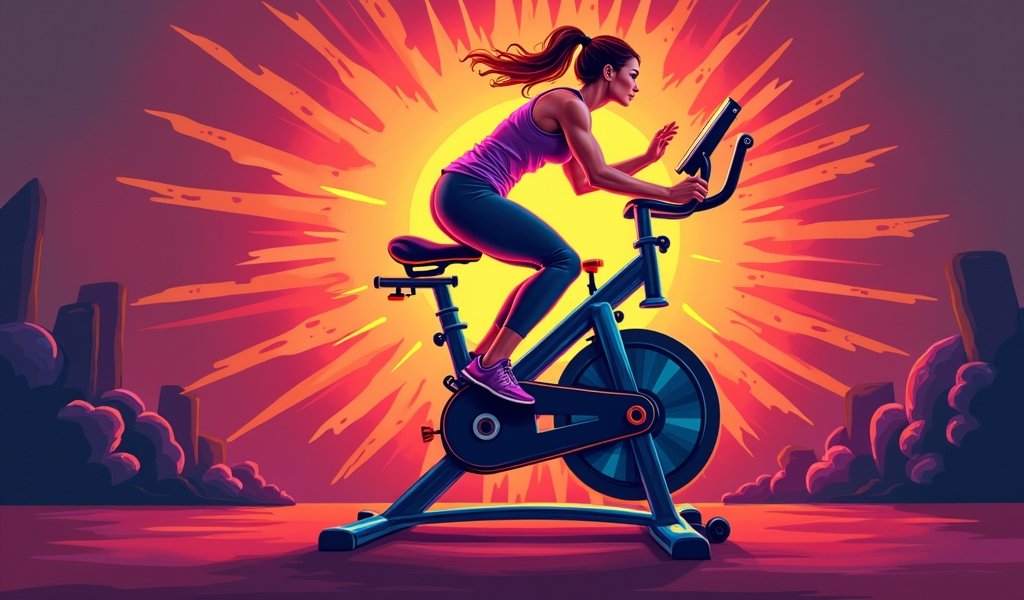
Exercise bikes with moving arms provide a full-body workout that combines lower body cycling with upper body engagement, increasing calorie burn by up to 25% compared to traditional stationary bikes. These dual-action machines offer exceptional time efficiency, lower impact on joints, and versatile workout options for users of all fitness levels, making them an effective tool for weight management, cardiovascular health improvement, and overall fitness enhancement.
Table of Contents
- Introduction to Exercise Bikes with Moving Arms
- Benefits of Using an Exercise Bike with Moving Arms
- How Exercise Bikes with Moving Arms Work
- Maximizing Fat Burning on Your Exercise Bike
- Effective Workout Programs for Full-Body Results
- How to Choose the Right Exercise Bike with Moving Arms
- Comparing to Other Cardio Equipment
- Success Stories and Real Results
- Conclusion
- Frequently Asked Questions
Introduction to Exercise Bikes with Moving Arms
The exercise bike with moving arms represents a significant evolution in home fitness equipment, combining the lower body workout of traditional stationary cycling with upper body engagement. As a health professional who’s guided hundreds of clients through their fitness journeys, I’ve seen firsthand how these dual-action machines can transform workout routines. They provide an efficient solution for those seeking comprehensive exercise options without needing multiple pieces of equipment.
Unlike conventional stationary bikes that primarily target the legs, these innovative machines engage your arms, shoulders, and core simultaneously. This full-body approach not only maximizes calorie burn but also improves overall cardiovascular health more effectively than leg-only cycling. The beauty of an exercise bike with moving arms lies in its ability to provide a more balanced workout, addressing multiple muscle groups in a single session.
Whether you’re a busy professional with limited workout time, recovering from certain injuries, or simply looking to optimize your home fitness routine, these dual-action bikes offer remarkable versatility. In the following sections, we’ll explore how these machines can revolutionize your approach to fat burning and overall fitness, while providing practical guidance on integrating them into your wellness routine.
Benefits of Using an Exercise Bike with Moving Arms
The full-body engagement offered by an exercise bike with moving arms creates a cascade of health benefits that traditional stationary bikes simply can’t match. First and foremost is the enhanced calorie expenditure—research from the American College of Sports Medicine indicates that engaging upper and lower body simultaneously can increase calorie burn by up to 25% compared to legs-only exercise. This makes them particularly effective tools for weight management and fat loss programs.
Cardiovascular benefits are similarly amplified. By recruiting more muscle groups, your heart works harder to distribute oxygen throughout your body, strengthening this vital muscle while improving overall circulation. The increased oxygen demand also contributes to greater lung capacity over time—something I’ve observed consistently among clients using these machines regularly.
The multifunctional nature of these bikes provides remarkable benefits for time-efficiency as well. Consider these advantages:
- Simultaneous upper and lower body strength development
- Improved coordination and neuromuscular connection
- Enhanced core stability from balancing the dual movements
- Reduced workout time needed for whole-body conditioning
- Lower impact on joints compared to running or jumping exercises
For those with specific fitness limitations, these machines offer adaptability rarely found in other equipment. Many of my clients with lower back issues have found that the upright posture and ability to distribute workout intensity between upper and lower body helps them exercise comfortably while still achieving significant cardiovascular benefits.
The bike exercise machine with moving arms also creates a more engaging workout experience. The varied movement patterns prevent the monotony that sometimes accompanies traditional cardio equipment, helping users maintain consistency in their fitness routines—which ultimately determines long-term success in any health improvement program.
How Exercise Bikes with Moving Arms Work
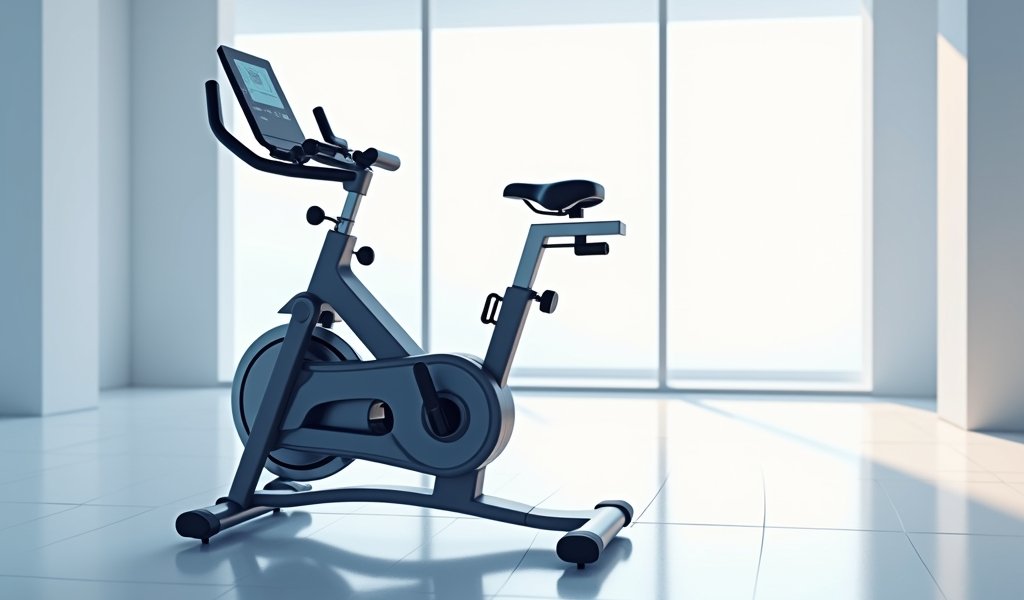
Exercise bikes with moving arms operate on a brilliantly simple mechanical principle that maximizes workout efficiency. Most designs feature handlebars that move independently of the pedaling mechanism, allowing users to push and pull with their arms while cycling with their legs. This dual-action movement creates a comprehensive exercise experience that engages multiple muscle groups simultaneously.
The arm components typically work through a lever system connected to resistance elements—either magnetic, air, or mechanical—that provide appropriate challenge to your upper body muscles. When you push and pull these levers, you’re effectively performing a modified rowing or pushing movement, activating your biceps, triceps, shoulders, and even chest and back muscles to varying degrees.
From a physiological perspective, this combined movement pattern creates what exercise scientists call “peripheral heart action training”—a technique where blood is forced to circulate between upper and lower body repeatedly. This circulation pattern has been shown to improve cardiovascular efficiency while creating an environment conducive to fat utilization for energy.
Most quality models offer adjustable resistance for both the pedaling and arm components. This customization allows users to create balanced workouts or to focus more intensity on either the upper or lower body, depending on specific fitness goals or physical limitations. Some advanced models even offer electronic synchronization between arm and leg resistance levels, automatically adjusting as you increase your overall exertion.
It’s worth noting that the arm movement on these bikes typically follows one of two patterns:
- Reciprocal motion: where arms move in opposition (like walking)
- Synchronized motion: where both arms push and pull together
Each style offers slightly different muscle engagement patterns, but both contribute significantly to the overall effectiveness of the workout. The beauty of this integrated design is that it transforms what would be a lower-body focused activity into a comprehensive exercise solution that addresses virtually every major muscle group.
Maximizing Fat Burning on Your Exercise Bike
The fat-burning potential of an exercise bike with moving arms extends beyond simply adding arm movement to your cycling routine. To truly maximize results, understanding the science of fat metabolism and applying strategic training principles is essential. The foundation lies in creating what exercise physiologists call a “caloric deficit”—burning more calories than you consume—while maintaining sufficient intensity to tap into fat stores.
Interval training represents perhaps the most powerful approach for fat burning on these dual-action bikes. A study published in the Medicine & Science in Sports & Exercise journal demonstrated that high-intensity interval training (HIIT) can increase fat oxidation rates for up to 24 hours following exercise. On your moving-arm bike, this might involve 30 seconds of all-out effort with both arms and legs, followed by 90 seconds of gentle recovery cycling.
For optimal fat utilization, consider these evidence-based techniques:
- Begin with a 5-10 minute warm-up at low resistance to prepare muscles
- Incorporate 4-6 high-intensity intervals during a 30-minute session
- Maintain proper form during arm movements to maximize muscle engagement
- Include steady-state sessions of 45+ minutes at moderate intensity twice weekly
- Progressively increase resistance as your fitness improves
The timing of your workouts can also influence fat burning efficiency. Morning sessions on your fitness bike, particularly in a fasted state (though this isn’t necessary for everyone), may enhance lipolysis—the breakdown of fat stores for energy. However, consistency ultimately trumps timing, so schedule your workouts when you’re most likely to complete them regularly.
Remember that proper hydration plays a crucial role in fat metabolism. I advise my clients to drink water before, during, and after their sessions to support optimal physiological function. Additionally, combining your bike workouts with strength training on alternate days creates a metabolic environment that further enhances fat loss by increasing lean muscle mass, which raises your basal metabolic rate.
While the moving arms component significantly increases calorie burn during the workout itself, the true fat-burning magic happens through consistent application of these principles over time. A sustainable approach that gradually increases intensity will yield far better results than sporadic, overly aggressive sessions that might lead to burnout or injury.
Effective Workout Programs for Full-Body Results
Designing effective workout programs for your exercise bike with moving arms requires balancing intensity, duration, and recovery to maximize results while preventing plateaus. I’ve developed several proven protocols for my clients that address different fitness levels and goals, each leveraging the unique full-body engagement these machines provide.
For beginners, I recommend starting with a foundation-building program focused on developing proper form and cardiovascular endurance:
- Week 1-2: Three 20-minute sessions weekly at moderate intensity (RPE 5-6 out of 10)
- Week 3-4: Increase to 25 minutes, introducing short 30-second bursts of higher intensity
- Week 5-6: Build to 30-minute sessions with coordinated arm and leg movements
Intermediate exercisers can implement this pyramid interval session three times weekly:
- 5-minute warm-up with gradual resistance increase
- Pyramid structure: 1 minute hard effort, 1 minute recovery; 2 minutes hard, 1 minute recovery; 3 minutes hard, 2 minutes recovery; then reverse the pyramid
- 5-minute cool-down with decreasing resistance
- Total time: 30 minutes
Advanced fitness enthusiasts seeking maximum calorie burn can try this high-intensity circuit, alternating upper and lower body emphasis:
- 5-minute warm-up at moderate pace
- 30 seconds sprint with minimal arm movement
- 30 seconds recovery pace with intensive arm movement
- 30 seconds both arms and legs at maximum effort
- 30 seconds active recovery
- Repeat circuit 8-10 times
- 5-minute cool-down
For those specifically targeting fat loss, I’ve found that longer endurance sessions supplemented with strategic high-intensity intervals produce excellent results. The “Fat-Burning 45” follows this format:
- 10 minutes steady state at 65% of maximum heart rate
- 5 sets of: 1 minute at 85% effort followed by 2 minutes at 65% effort
- 15 minutes steady state at 70% of maximum heart rate
- 5 sets of: 30 seconds maximum effort followed by 90 seconds moderate recovery
- 5-minute gradual cool-down
For optimal results, track your progress using heart rate, perceived exertion, or power output measurements. Adjust resistance levels as you adapt, ensuring the workout remains challenging but manageable. Remember that consistency trumps intensity—three moderately challenging sessions completed every week will produce better long-term results than sporadic all-out efforts followed by extended recovery periods.
How to Choose the Right Exercise Bike with Moving Arms
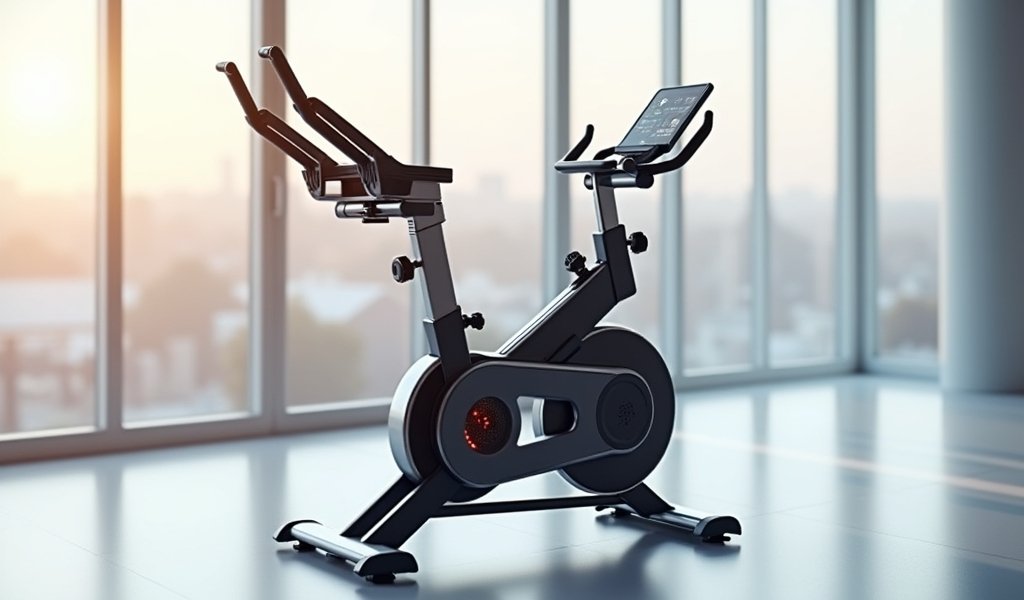
Selecting the ideal exercise bike with moving arms requires careful consideration of several key factors that will directly impact your workout experience and results. Having guided numerous clients through this decision process, I’ve identified critical elements that separate truly effective machines from those that might underdeliver on their promises.
First, evaluate the resistance mechanism for both the pedaling and arm components. Magnetic resistance systems typically offer the smoothest operation and most precise adjustability, while being virtually silent—ideal for home use. Air resistance provides a more dynamic experience where effort matches resistance naturally but tends to be louder. Mechanical resistance through belts or flywheels falls somewhere in between in terms of feel and noise level.
The ergonomics of the bike should accommodate your body proportions comfortably. Look for these adjustability features:
- Adjustable seat height and horizontal position
- Customizable arm lever length or handlebar position
- Multiple hand grip options for different arm movements
- Proper pedal spacing and foot restraint systems
Build quality becomes particularly important with dual-action bikes due to the additional moving parts. Inspect the connection points between the arm levers and the main frame, as these can be potential weak points in lower-quality models. A sturdy frame with appropriate weight capacity (at least 50 pounds above your current weight) ensures stability during vigorous workouts.
Digital features vary widely across models, from basic time/distance/calorie displays to sophisticated interactive programming. While not essential for effectiveness, features like heart rate monitoring, preset workout programs, and connectivity to fitness apps can enhance motivation and workout variety. Consider how these technological elements align with your preferences and fitness tracking habits.
Space considerations should not be overlooked. Measure your available exercise area carefully, noting that bikes with moving arms typically require more lateral clearance than traditional stationary bikes. Some models offer folding capabilities for storage, though this sometimes comes at the cost of stability during intense workouts.
Finally, budget expectations should be realistic. Quality dual-action bikes generally start around $500, with premium models ranging from $1,200 to $2,500. While it’s tempting to seek bargains, investing in a well-constructed machine often proves more economical long-term than replacing a subpar model that fails prematurely or provides an unsatisfying workout experience.
Comparing to Other Cardio Equipment
When evaluating exercise bikes with moving arms against other cardio equipment options, several distinctive advantages emerge that make them worthy contenders for your fitness investment. Understanding these comparative benefits helps clarify whether this hybrid approach aligns with your specific wellness goals and preferences.
Compared to traditional stationary bikes, the addition of moving arms significantly increases calorie expenditure while providing upper body conditioning that regular cycling simply cannot offer. Research indicates that the energy cost can be 20-30% higher when both upper and lower body are actively engaged. However, pure cycling enthusiasts training for road biking may find the arm movement pattern less specific to their sport.
Elliptical trainers represent the closest alternative, as they also offer combined upper and lower body movement. The key difference lies in the biomechanics—ellipticals create an upright, weight-bearing motion path while exercise bikes with moving arms provide seated, non-weight-bearing exercise. This makes the dual-action bike potentially more appropriate for those with certain joint concerns or balance issues, though ellipticals might offer slightly higher calorie burn due to the standing position engaging more core stabilizing muscles.
Rowing machines similarly provide full-body workouts but emphasize a different movement pattern and muscle engagement sequence. Where exercise bikes with moving arms allow continuous, simultaneous motion of all limbs, rowers create a sequential pattern of effort. Bikes typically place greater emphasis on quadriceps and anterior chain muscles, while rowers prioritize posterior chain development (back, hamstrings, glutes).
When compared to treadmills, the dual-action bike offers significantly lower impact stress on joints while still providing comparable cardiovascular benefits. This makes it particularly valuable for individuals with knee, ankle or hip concerns, or those recovering from certain injuries. The trade-off comes in weight-bearing benefits—treadmills contribute more directly to bone density maintenance, an important consideration for those at risk for osteoporosis.
From a practical standpoint, exercise bikes with moving arms typically require less floor space than treadmills or ellipticals, making them better suited to limited home gym environments. They also tend to operate more quietly than treadmills and some ellipticals, an important consideration for apartment dwellers or those exercising during hours when household members might be sleeping.
The versatility of being able to isolate either upper or lower body on most models gives these machines unique advantages for rehabilitative purposes or for users wanting to emphasize different body segments on different workout days—an option not available with most other cardio equipment types.
Success Stories and Real Results
The transformative impact of exercise bikes with moving arms extends far beyond theoretical benefits—I’ve witnessed remarkable real-world results among diverse clients who have incorporated these machines into their fitness routines. These success stories illustrate the practical effectiveness of this equipment when used consistently within a comprehensive wellness approach.
Take Monica, a 42-year-old marketing executive with limited time for fitness. After incorporating a 30-minute dual-action bike routine four mornings weekly, she shed 27 pounds over six months while significantly improving her upper body definition—something her previous cardio-only regimen never accomplished. “The efficiency is what keeps me consistent,” she notes. “I’m getting a full-body workout in the same time I used to spend just doing leg exercises.”
Then there’s Robert, a 58-year-old recovering from knee replacement surgery. Traditional physical therapy exercises were progressing slowly until his therapist recommended a moving-arm bike with minimal resistance. This allowed him to maintain cardiovascular fitness while gently rebuilding knee strength. Within three months, his recovery had accelerated beyond expectations, and he regained both confidence and functional capacity.
Weight loss successes are particularly notable with these machines. Jennifer, a participant in a 12-week fitness challenge I supervised, utilized an exercise bike with moving arms as her primary cardio tool. By combining 45-minute sessions three times weekly with basic nutrition improvements, she achieved a 34-pound weight reduction and significant improvements in blood pressure and resting heart rate. The full-body nature of the exercise helped her maintain muscle mass during the weight loss process—critical for maintaining metabolic health.
Athletic performance improvements also emerge in these success stories. Carlos, a recreational tennis player, found that regular sessions on his dual-action bike improved his on-court endurance and reduced the late-game fatigue in his serving arm. The coordinated movement pattern enhanced his overall conditioning in ways that transferred directly to his sport.
Perhaps most inspiring are the stories from individuals who previously found exercise uncomfortable or boring. Maria, who had abandoned numerous fitness attempts, discovered that the varied movement and adjustable intensity of her exercise bike with moving arms kept her engaged and motivated. “For the first time in my life, I actually look forward to my workouts,” she shared after maintaining a consistent routine for over a year—an achievement that transformed not just her physical health but her relationship with exercise itself.
Conclusion
The exercise bike with moving arms represents one of the most efficient and effective tools in the modern fitness landscape. By engaging both upper and lower body simultaneously, these machines deliver exceptional calorie-burning potential while developing functional strength and cardiovascular health in less time than many traditional workout approaches. The versatility they offer makes them suitable for individuals across the fitness spectrum—from beginners just starting their wellness journey to experienced exercisers seeking to optimize their training efficiency.
What makes these dual-action bikes particularly valuable is their accessibility. The seated, low-impact nature of the exercise removes many barriers that might otherwise prevent consistent activity. This inclusivity, combined with the comprehensive muscle engagement they provide, creates a powerful option for those serious about improving their health and body composition.
Remember that the most effective exercise program is ultimately the one you’ll perform consistently. The convenience, efficiency, and adjustability of an exercise bike with moving arms supports this consistency—allowing you to tailor workouts to your changing needs, time constraints, and fitness progression. When incorporated into a balanced approach that includes proper nutrition and adequate recovery, these machines can truly transform your physical wellbeing.
Whether your goal is weight management, improved cardiovascular health, enhanced functional fitness, or simply finding a more engaging way to stay active, an exercise bike with moving arms deserves serious consideration as a cornerstone of your fitness strategy. The science supports their effectiveness, and the practical results demonstrated by countless users confirm their real-world value in achieving meaningful, sustainable health improvements.
Frequently Asked Questions
How many calories can I burn on an exercise bike with moving arms?
Most people burn between 400-800 calories per hour depending on weight, fitness level, and workout intensity. The moving arms component can increase calorie burn by approximately 25% compared to a traditional exercise bike.
Can beginners use an exercise bike with moving arms?
Absolutely, these bikes are ideal for beginners as resistance levels can be adjusted to very low settings. Start with shorter sessions using minimal arm resistance, then gradually increase duration and intensity as your fitness improves.
How long should I work out on an exercise bike with moving arms?
For optimal results, aim for 20-45 minute sessions 3-5 times weekly. Even 15-minute consistent sessions will provide benefits, while advanced users might extend to 60 minutes for endurance training.
Can I use the bike without moving the arms?
Yes, most models allow you to use the fixed handlebars instead of the moving arms when desired. This versatility lets you focus solely on lower body work or vary your workout approach from session to session.
Is an exercise bike with moving arms good for weight loss?
These bikes are excellent for weight loss due to their high calorie burn and full-body engagement. When combined with proper nutrition, they create an efficient path to caloric deficit without excessive joint stress or lengthy workout times.