

Overview
Forget complicated diet plans—this article serves up seven practical strategies for making 90/10 ground beef your muscle-building secret weapon, proving that sometimes the beefiest gains come from the leanest meats! The guide covers everything from proper portion sizing and meal timing to cooking techniques and macronutrient tracking, all designed to help fitness enthusiasts maximize protein intake while minimizing fat consumption for optimal physique development.
Table of Contents
- Understanding 90/10 Ground Beef: The Lean Protein Powerhouse
- Nutritional Profile: What Makes 90/10 Ground Beef Special?
- Tip #1: Master Portion Sizing for Maximum Muscle Growth
- Tip #2: Strategic Meal Timing for Optimal Results
- Tip #3: Pairing With Complex Carbohydrates for Better Gains
- Tip #4: Balance Your Fat Intake for Hormonal Health
- Tip #5: Smart Preparation Methods to Maximize Benefits
- Tip #6: Incorporate Into Your Weekly Meal Prep
- Tip #7: Track Your Macros for Precise Results
- Conclusion: Making 90/10 Ground Beef Work for Your Fitness Goals
- Frequently Asked Questions
Understanding 90/10 Ground Beef: The Lean Protein Powerhouse
When you’re serious about building lean muscle, your protein choices matter tremendously. 90/10 ground beef nutrition offers an exceptional balance of high-quality protein with controlled fat content that can dramatically support your fitness goals. This lean meat option delivers impressive nutritional benefits without excessive calories that might sabotage your hard-earned progress.
The “90/10” label refers to the ratio of lean meat to fat – specifically 90% lean beef and only 10% fat. This makes it significantly leaner than conventional ground beef options like 80/20 or 73/27 varieties that you’ll commonly find at grocery stores. For those following an animal-based diet, 90/10 ground beef provides an ideal protein source that supports muscle development while keeping fat intake in check.
In this comprehensive guide, I’ll walk you through seven science-backed strategies that can help you maximize the benefits of incorporating 90/10 ground beef into your nutrition plan. Whether you’re looking to add muscle mass, maintain your current physique, or simply improve your overall dietary quality, these tips will help you leverage this versatile protein source for optimal results.
Nutritional Profile: What Makes 90/10 Ground Beef Special?
Before diving into specific strategies, let’s examine what makes 90/10 ground beef nutrition particularly valuable for fitness enthusiasts. Per 4-ounce (cooked) serving, you’ll typically get:
- Approximately 24 grams of complete protein
- Around 10 grams of fat (4g saturated)
- Zero carbohydrates
- About 200 calories
- Significant amounts of B vitamins, including B12 and niacin
- Essential minerals like zinc, iron, and selenium
This nutrient profile makes 90/10 ground beef an excellent protein source for anyone looking to support muscle growth while managing overall calorie intake. The complete amino acid profile provides all essential amino acids your body needs for muscle repair and growth, making it superior to many plant-based protein alternatives.
When compared to fattier 80/20 ground beef, choosing the leaner 90/10 option saves you approximately 80 calories and 10 grams of fat per 4-ounce serving – significant savings that can make a real difference in your body composition over time. According to research published in the Journal of Nutrition, higher protein intake combined with resistance training leads to greater muscle protein synthesis and improved body composition.
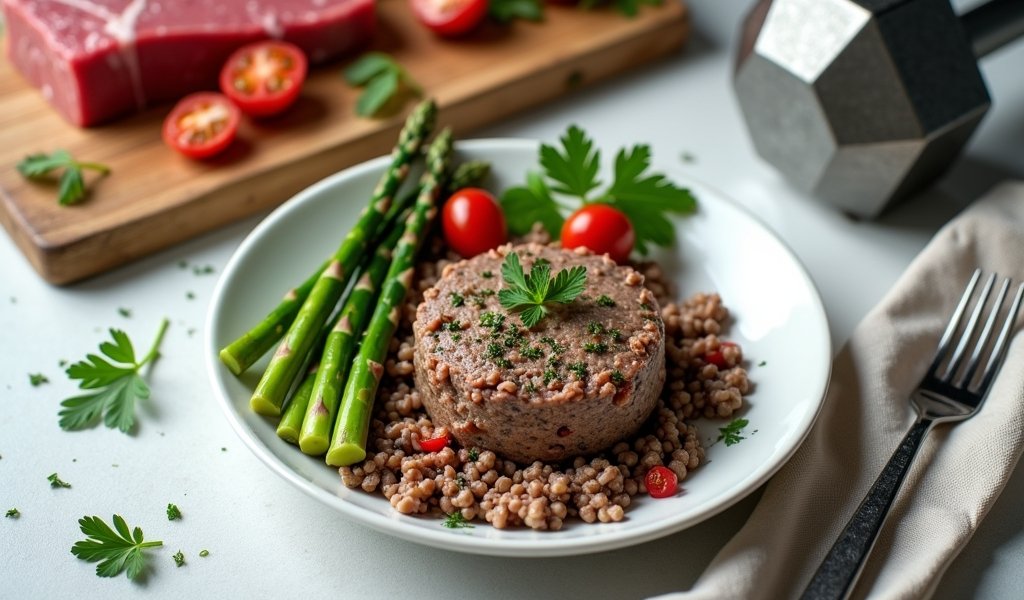
Tip #1: Master Portion Sizing for Maximum Muscle Growth
Getting your portion sizes right can make or break your muscle-building efforts. For optimal results with 90/10 ground beef, you’ll want to align your portions with your specific goals and body size.
Research suggests that consuming approximately 0.7-1 gram of protein per pound of body weight daily is ideal for muscle growth. For a 180-pound person, that translates to roughly 126-180 grams of protein per day. With 90/10 ground beef delivering about 24 grams of protein per 4-ounce serving, you can effectively incorporate it into your daily protein targets.
Here’s how to adjust your portions based on your goals:
- Maintenance: 4-5 ounces per meal (about 24-30g protein)
- Active muscle building: 5-6 ounces per meal (30-36g protein)
- Aggressive lean gains: 6-8 ounces per meal (36-48g protein)
A helpful visual guide: A palm-sized portion (excluding fingers) approximates a 4-ounce serving of cooked meat. This built-in measuring tool goes everywhere with you, making portion control simple even when eating out.
Remember that your body can only efficiently utilize a certain amount of protein at once. Research from the International Society of Sports Nutrition suggests that spreading your protein intake throughout the day in 3-5 meals supports better nitrogen retention and muscle protein synthesis than consuming the same amount in fewer, larger meals.
Tip #2: Strategic Meal Timing for Optimal Results
While total daily protein intake remains the most critical factor for muscle growth, strategic timing can provide an edge in your lean gains journey. Think of your muscles as construction sites that need materials delivered at specific intervals to maximize building efficiency.
Post-workout nutrition deserves special attention. Within 2 hours after training, your muscles demonstrate enhanced sensitivity to nutrients. A meal containing 90/10 ground beef paired with carbohydrates during this window provides the amino acids and glycogen replenishment needed for optimal recovery. This timing advantage can be particularly beneficial for those training intensely multiple times per week.
Throughout the day, aim to space protein-rich meals every 3-4 hours. This approach maintains relatively stable amino acid levels in your bloodstream, creating an ideal environment for continuous muscle repair and growth. A typical distribution might look like:
- Breakfast: 20-30g protein (could include 90/10 beef in a morning hash)
- Lunch: 30-40g protein (5-6oz 90/10 ground beef)
- Post-workout: 30-40g protein (5-6oz 90/10 ground beef)
- Dinner: 30-40g protein (could include 90/10 ground beef)
Some research also supports the benefits of pre-sleep protein. A modest serving of 90/10 ground beef a few hours before bedtime can provide a slow-releasing source of amino acids that support overnight recovery – particularly valuable since sleep is when your body does much of its repair work.
Tip #3: Pairing With Complex Carbohydrates for Better Gains
While protein provides the building blocks for muscle, carbohydrates fuel the construction process. Smart pairing of 90/10 ground beef with complex carbohydrates creates a nutritional environment that optimizes muscle growth and exercise performance.
Complex carbohydrates replenish muscle glycogen stores depleted during training and create an insulin response that helps shuttle amino acids into muscle cells. For individuals specifically focused on muscle growth, this protein-carb synergy can accelerate results.
Ideal carbohydrate pairings with 90/10 ground beef include:
- Brown rice or quinoa (½-1 cup cooked)
- Sweet potatoes (4-8oz)
- Whole grain pasta (½-1 cup cooked)
- Beans and legumes (½-1 cup cooked)
The optimal ratio varies based on your activity level and goals. Active individuals focused on muscle gain might aim for a 1:1 or 2:1 ratio of carbs to protein in post-workout meals. For example, 5oz of 90/10 ground beef (approximately 30g protein) with 1 cup of brown rice (45g carbs) creates an excellent recovery meal.
Don’t overlook vegetables in these pairings. Beyond providing essential key nutrients, vegetables support digestive health and provide fiber that helps regulate the absorption of other nutrients. A colorful stir-fry with 90/10 ground beef, brown rice, and plenty of vegetables creates a complete meal that supports overall health while promoting lean muscle development.
Tip #4: Balance Your Fat Intake for Hormonal Health
While 90/10 ground beef helps reduce unnecessary fat consumption, don’t make the common mistake of eliminating all dietary fat. Healthy fats play crucial roles in hormone production – including testosterone, which directly influences your body’s ability to build and maintain muscle mass.
The 10% fat content in 90/10 ground beef provides a moderate amount of fat that supports hormonal function without excessive calories. This gives you flexibility to incorporate other beneficial fat sources throughout your day:
- Avocados (¼-½ daily)
- Extra virgin olive oil (1-2 tablespoons)
- Nuts and seeds (a small handful)
- Fatty fish like salmon (2-3 servings weekly)
For most active individuals, aiming for 0.3-0.5 grams of fat per pound of body weight daily strikes an optimal balance. This approach ensures you get enough fat for hormone production and nutrient absorption while keeping calories in check for lean physique development.
Dr. Mike Israetel, a respected sports nutrition researcher, highlights the importance of balanced fat intake for natural athletes, noting that extremely low-fat diets can compromise testosterone production and ultimately hinder muscle growth. The moderate fat content in 90/10 ground beef provides a foundation that can be complemented with other healthy fat sources.
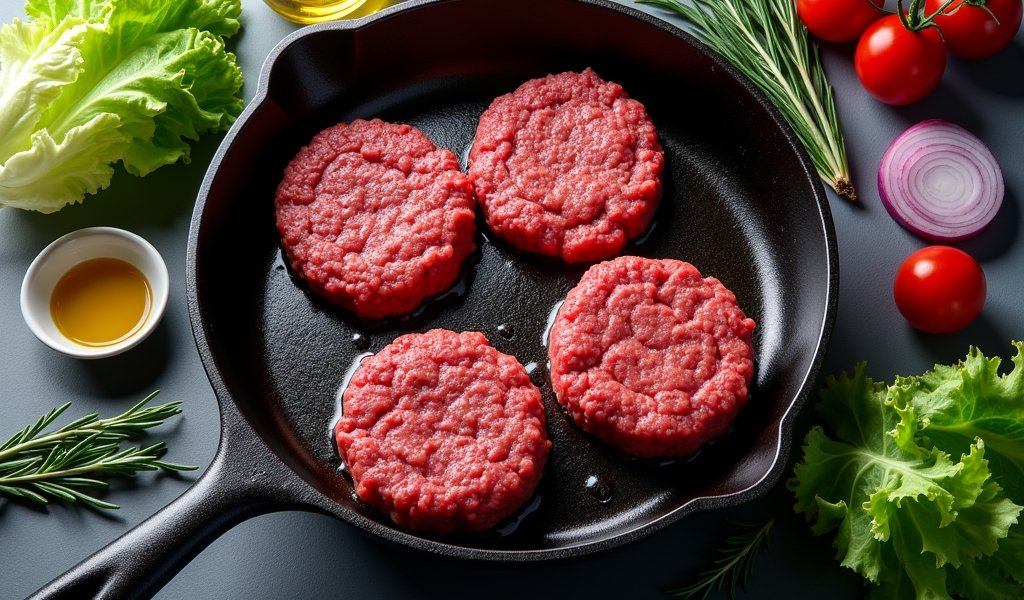
Tip #5: Smart Preparation Methods to Maximize Benefits
How you prepare 90/10 ground beef significantly impacts its nutritional profile. The right cooking methods preserve its lean advantages while enhancing flavor; the wrong ones can add unnecessary calories or potentially harmful compounds.
Optimal preparation methods include:
- Grilling: Cook on a sloped grill that allows fat to drain away
- Broiling: Use a broiling rack that elevates the meat and allows fat to drip off
- Pan cooking: Use non-stick cookware to minimize added oils
- Draining technique: After cooking, drain excess fat and even blot with paper towels for further fat reduction
Flavor-enhancing, calorie-conscious seasonings can transform 90/10 ground beef into delicious meals without adding significant calories:
- Fresh herbs (rosemary, oregano, cilantro)
- Spice blends (Mexican, Italian, Mediterranean)
- Garlic and onion (fresh or powdered)
- Low-sodium soy sauce or coconut aminos
For those in a serious cutting phase, here’s a pro tip: Cook your ground beef, then drain and rinse it with hot water. This additional step can remove up to 50% of the remaining fat, according to research from the USDA Agricultural Research Service. While not necessary for everyone, this technique offers an option for those needing maximum leanness during competition prep.
Avoid cooking methods that add unnecessary fats or potentially harmful compounds, such as deep frying or charring at extremely high temperatures. These approaches can negate the benefits of choosing lean meat in the first place.
Tip #6: Incorporate Into Your Weekly Meal Prep
Consistency is the backbone of nutrition success, and meal preparation is your secret weapon. 90/10 ground beef lends itself beautifully to batch cooking, maintaining excellent quality throughout the week while providing a versatile protein base for multiple meals.
Try these batch cooking strategies to save time while keeping your nutrition on point:
- Brown 2-3 pounds at once, dividing and seasoning differently for variety
- Prepare complete meals like stuffed peppers or shepherd’s pie for grab-and-go options
- Create base recipes that can be customized throughout the week (taco meat that becomes salad one day, stuffed sweet potatoes another)
When storing cooked 90/10 ground beef, follow these best practices:
- Refrigerate cooked portions for up to 3-4 days
- Freeze individual portions for up to 3 months
- Always cool completely before storing to maintain food safety
- Use glass containers when possible to prevent plastic leaching during reheating
To prevent flavor fatigue – the enemy of nutrition consistency – create a rotating menu using different cuisine inspirations:
- Monday: Mexican-style with taco seasoning and peppers
- Wednesday: Italian with herbs, tomatoes, and zucchini
- Friday: Asian-inspired with ginger, garlic, and coconut aminos
This approach provides the satisfaction of variety while maintaining the nutritional consistency needed for reliable results. For those following a carnivore diet food list, 90/10 ground beef can serve as a staple protein source that adapts to different preparation methods.
Tip #7: Track Your Macros for Precise Results
For serious physique development, tracking macronutrients provides the data needed to optimize your nutrition. 90/10 ground beef’s consistent nutritional profile makes it an ideal protein source for accurate tracking and predictable results.
Follow these tracking best practices:
- Weigh meat raw for the most accurate measurements (4oz raw typically cooks down to about 3oz)
- Account for your cooking method (draining and rinsing will reduce fat content)
- Track any oils or sauces added during preparation
- Use digital food scales rather than volumetric measures for precision
Recommended tracking tools include:
- MyFitnessPal or Cronometer for comprehensive nutrient data
- Digital food scales with gram precision
- Measurement containers for consistent portion control
The real power of tracking comes from the ability to make data-driven adjustments. If your progress stalls, you can precisely modify your intake – perhaps adding 5 grams of protein per meal or reducing carbohydrates slightly. Without accurate tracking, these fine-tuning adjustments become guesswork.
Research published in the International Journal of Behavioral Nutrition and Physical Activity demonstrates that consistent food tracking correlates strongly with successful body composition changes. The stable nutritional profile of 90/10 ground beef simplifies this process, making it easier to maintain accurate records.
Conclusion: Making 90/10 Ground Beef Work for Your Fitness Goals
90/10 ground beef nutrition offers a versatile, affordable protein source that balances quality nutrition with practical convenience. By implementing these seven strategies – mastering portion sizes, timing meals strategically, pairing with complex carbohydrates, balancing fats, using smart preparation methods, incorporating meal prep, and tracking accurately – you can maximize the muscle-building potential of this lean protein powerhouse.
What makes 90/10 ground beef particularly valuable is its adaptability to various dietary approaches and fitness goals. Whether you’re focused on building significant muscle mass, maintaining your current physique, or gradually reducing body fat while preserving lean tissue, this protein source can be calibrated to support your specific objectives.
Remember that sustainable nutrition plans are built on foods that are accessible, enjoyable, and effective. 90/10 ground beef checks all these boxes, providing high-quality protein that supports your training without excessive calories that might compromise your physique goals.
Implement these strategies consistently, adjust based on your results, and enjoy the process of building a stronger, leaner physique with simple, wholesome nutrition as your foundation.
Frequently Asked Questions
Is 90/10 ground beef good for weight loss?
Yes, 90/10 ground beef is excellent for weight loss because it provides protein to preserve muscle while being lower in calories than fattier alternatives. The high protein content increases satiety, helping you feel fuller longer while supporting your metabolic rate.
How does 90/10 ground beef compare to chicken breast nutritionally?
While both are excellent protein sources, 90/10 ground beef contains more iron, zinc, and vitamin B12 than chicken breast but has slightly more calories and fat. Four ounces of 90/10 beef provides about 200 calories and 24g protein, while chicken breast offers approximately 170 calories and 26g protein.
Can I eat 90/10 ground beef daily?
Yes, you can safely include moderate portions of 90/10 ground beef in your daily diet as part of a balanced nutrition plan. For optimal health, complement it with various protein sources including fish, poultry, eggs, and plant proteins to ensure diverse nutrient intake.
Does cooking method affect the fat content of 90/10 ground beef?
Yes, cooking methods significantly impact the final fat content of your meal. Grilling or broiling allows fat to drain away, while draining and rinsing after cooking can remove up to 50% of the remaining fat.
Is 93/7 ground beef worth the extra cost over 90/10?
For most people, the nutritional difference between 90/10 and 93/7 ground beef doesn’t justify the price premium. The 3% difference equates to only about 1-2 grams of fat and 10-20 calories per 4-ounce serving, which is negligible for most fitness goals.