

Overview
80/20 ground beef is an excellent protein source for building lean muscle, providing approximately 20g of complete protein per 4-ounce serving along with essential micronutrients and fat content that supports hormone production. The article highlights that despite common concerns about fat content, 80/20 ground beef offers practical benefits for fitness enthusiasts including better flavor, improved satiety, and affordability compared to leaner options, making it a versatile staple that can be incorporated into balanced meal plans.
Table of Contents
- Introduction
- Understanding 80/20 Ground Beef
- Complete Nutritional Profile
- Ground Beef for Lean Muscle Building
- Practical Meal Planning Tips
- Addressing Common Concerns
- Smart Shopping and Storage Tips
- Conclusion
- Frequently Asked Questions
Introduction
In the fitness world, ground beef is like that reliable gym partner who never skips a session – consistently delivering on its nutritional promises. For those serious about building lean muscle, 80/20 ground beef has earned its place as a dietary staple in many meal prep containers across the globe.
When we talk about 80/20 ground beef, we’re referring to meat that’s 80% lean muscle tissue and 20% fat content. This specific balance walks the tightrope between providing crucial protein for muscle recovery and just enough fat to support hormone production and overall satisfaction.
While some fitness enthusiasts might run from fat like it’s a dumbbell about to drop on their toe, the truth about 80/20 lean beef nutrition might surprise you – especially when it comes to supporting those hard-earned gains in your animal-based diet.
Understanding 80/20 Ground Beef
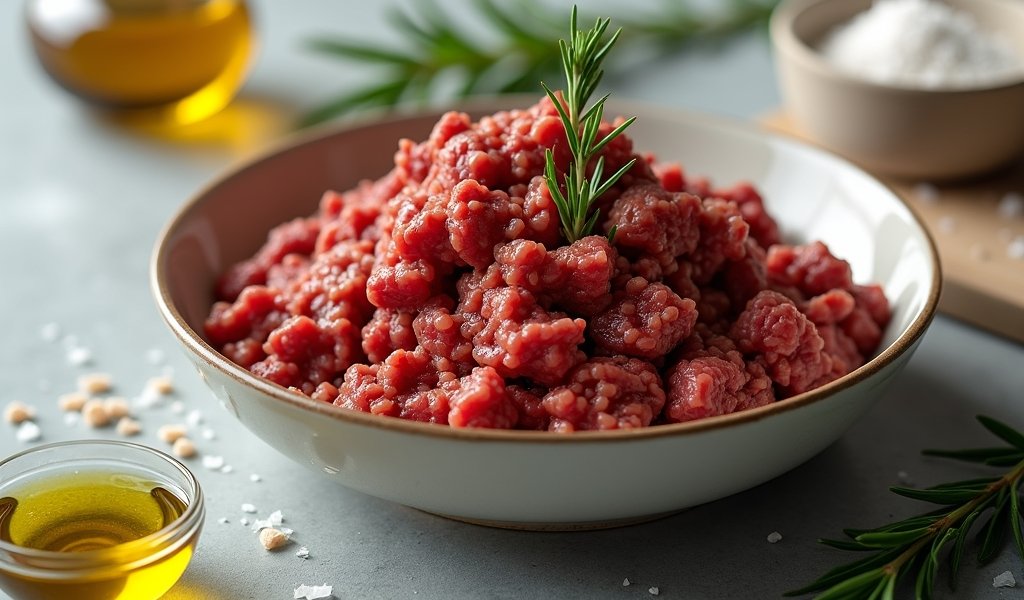
The 80/20 ratio isn’t just a random number pulled from a hat – it represents a specific composition that offers distinct benefits for those chasing fitness goals. With 80% lean meat and 20% fat, this ground beef variety strikes a balance that many find ideal for both flavor and nutritional purposes.
When compared to leaner options like 90/10 or 93/7 ground beef, the 80/20 variety contains more fat, which translates to more calories per serving. However, don’t let that scare you away. While the leaner options might seem like the obvious choice for fitness enthusiasts, the 80/20 option offers advantages that shouldn’t be overlooked.
The additional fat in 80/20 ground beef acts like the oil in an engine – it keeps things running smoothly. Fat helps with nutrient absorption, hormone production, and provides a sustained energy source that can fuel those grueling workouts. For many athletes and bodybuilders, this makes 80/20 ground beef an excellent choice that supports performance while delivering that satisfying, rich flavor that leaner options sometimes lack.
Complete Nutritional Profile
Let’s break down what’s actually in that patty or taco filling. Per 4-ounce serving (about the size of a deck of cards), 80/20 ground beef typically provides:
- Protein: Approximately 19-20 grams – the ground beef protein content is impressive, providing nearly 40% of the average person’s daily protein needs in just one serving
- Fat: About 23 grams (9 grams of which are saturated)
- Calories: Around 280-300 calories
- Carbohydrates: 0 grams (making it perfect for low-carb dieters)
Beyond these macronutrients, 80/20 ground beef is a micronutrient powerhouse that works overtime for your body’s needs:
- Iron: Essential for oxygen transport and energy production
- Zinc: Critical for immune function and protein synthesis
- B vitamins: Including B12, which is vital for energy and brain function
- Selenium: An important antioxidant mineral
- Phosphorus: Necessary for bone health and cellular function
Yes, 80/20 ground beef does contain cholesterol (approximately 80mg per 4-ounce serving), but current research has evolved from the old perception that dietary cholesterol is the main driver of blood cholesterol levels. For most healthy individuals, moderate consumption fits well within a balanced diet.
Ground Beef for Lean Muscle Building
If building muscle were like constructing a house, protein would be the bricks – and beef for lean muscle building provides some of the highest quality building materials available. The protein in ground beef contains all nine essential amino acids, making it a complete protein that’s particularly rich in leucine, the amino acid that essentially turns on the muscle-building process.
But protein isn’t the only player in this game. The 20% fat content in 80/20 ground beef contributes significantly to hormone production – particularly testosterone, which is like the foreman overseeing your muscle-building construction site. Without adequate dietary fat, hormone production can suffer, potentially putting the brakes on your gains.
Another benefit that’s often overlooked is satiety. The combination of protein and fat in 80/20 ground beef keeps hunger at bay like a security guard defending a perimeter. This feeling of fullness helps you maintain your caloric targets without feeling deprived – a crucial factor for anyone trying to stick to a structured nutrition plan.
Finally, the energy provided by the fat content supports performance in the gym. Think of it as the fuel that powers your workout engine. With 9 calories per gram (compared to 4 calories per gram for protein and carbs), fat provides a concentrated energy source that can help you push through those last few challenging reps.
Research published in The Journal of the American College of Nutrition found that consuming beef as a protein source effectively stimulated muscle protein synthesis in both younger and older adults, making it an excellent choice for lean gains across the age spectrum.
Practical Meal Planning Tips
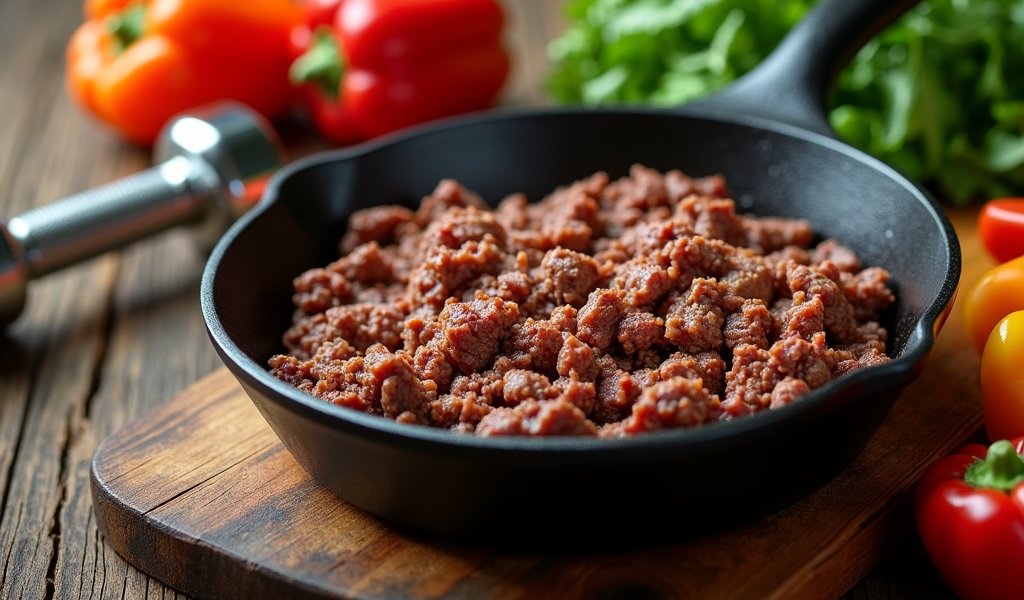
For those focused on lean gains, portion control is key. A standard serving of 4-5 ounces provides ample protein without excessive calories. For bulking phases, portions can be increased accordingly, while cutting phases might warrant slightly smaller portions or leaner varieties.
When it comes to cooking methods, the goal is to preserve nutritional value while managing fat content if desired. Methods like grilling and broiling allow excess fat to drip away, while pan-searing preserves more of the fat content – choose based on your specific caloric and fat intake goals.
For optimal nutrition, think of your plate as a canvas that needs balance and color. Pair your 80/20 ground beef with:
- Complex carbohydrates like sweet potatoes or brown rice
- Fibrous vegetables (the more colorful, the better)
- Healthy fats like avocado (if additional fats align with your macronutrient goals)
Some meal ideas that work particularly well include:
Pre-workout:
- Taco bowl with ground beef, brown rice, black beans, and vegetables (3-4 hours before)
- Simple beef and rice with minimal fat if eating closer to workout time
Post-workout:
- Beef and vegetable stir-fry with rice or quinoa
- Lean beef burger on whole-grain bun with sweet potato wedges
For more creative ways to incorporate ground beef into your diet, check out these delicious carnivore diet recipes that can be easily modified to fit your specific nutritional needs.
Addressing Common Concerns
The saturated fat content in beef often raises eyebrows, but context matters. Recent research suggests that saturated fat, when consumed as part of a varied diet rich in whole foods, may not have the negative impact once thought. Still, moderation remains prudent, especially for those with specific health concerns or family history of heart disease.
The grass-fed versus conventional debate adds another layer to consider. Grass fed beef nutrition profiles typically include higher levels of omega-3 fatty acids and antioxidants like vitamin E. While these benefits are real, they come at a price premium that may not fit every budget.
Speaking of budgets, 80/20 ground beef is typically more affordable than leaner options and much more economical than whole cuts like steak, making it an excellent choice for cost-conscious fitness enthusiasts looking to maximize protein intake without breaking the bank.
For those concerned about environmental impact, it’s worth noting that beef production does have a higher environmental footprint than plant proteins. However, regenerative farming practices and conscious consumption can help mitigate these concerns for those who choose to include beef in their diet.
Dr. Diana Rodgers, a registered dietitian and sustainability expert, argues that properly raised cattle can actually benefit the environment through carbon sequestration and ecosystem restoration, challenging the common narrative about beef’s environmental impact.
Smart Shopping and Storage Tips
When selecting ground beef, look for packages with a bright cherry-red color (brownish tints can indicate exposure to oxygen). Check for a “sell by” date that gives you enough time to use or freeze the product, and consider vacuum-sealed packages for maximum freshness.
Bulk preparation can be a game-changer for busy fitness enthusiasts. Consider cooking larger batches of ground beef with minimal seasoning, then portioning and refrigerating for 3-4 days of meals or freezing for longer storage. This approach makes meal prep as effortless as a well-oiled machine.
For storage, refrigerate raw ground beef at or below 40°F and use within 1-2 days of purchase, or freeze for up to 3-4 months. Once cooked, properly stored ground beef can last in the refrigerator for 3-4 days – perfect for meal preppers who value both time and nutrition.
Looking for a comprehensive list of high-quality protein sources to complement your ground beef meals? Check out this carnivore diet food list for inspiration on building a diverse, nutrient-dense eating plan.
Conclusion
The journey to building lean muscle is a marathon, not a sprint, and 80/20 ground beef can be a reliable fuel source along the way. With its impressive ground beef protein content, balanced fat profile that supports hormone production, and versatility in the kitchen, it deserves consideration in any fitness nutrition plan.
Whether you’re prioritizing grass-fed beef nutrition or simply looking for an affordable protein source to support your lean muscle goals, 80/20 ground beef offers a practical, delicious option that delivers results when incorporated thoughtfully into your diet.
Remember that sustainable fitness progress comes from finding nutritional approaches that you can maintain consistently – and for many, the satisfying flavor and nutritional benefits of 80/20 ground beef make it easier to stick with a structured eating plan long-term.
Ready to incorporate 80/20 ground beef into your lean gains nutrition plan? Start by experimenting with one of our bonus recipes below, and pay attention to how your body responds in terms of satisfaction, energy levels, and recovery. Track your progress over several weeks, and don’t hesitate to adjust portions and preparation methods to align with your specific goals.
Have questions about incorporating ground beef or other protein sources into your fitness nutrition plan? Connect with us on social media or leave a comment below – our team of nutrition experts is here to help you optimize your diet for maximum results.
3 Quick and Easy 80/20 Ground Beef Recipes for Fitness Enthusiasts
- Mediterranean Beef Bowl
- 5oz 80/20 ground beef
- 1/2 cup cooked quinoa
- Diced cucumbers, tomatoes, and red onions
- 2 tbsp tzatziki sauce
- Fresh lemon juice and herbs
- Mexican-Inspired Meal Prep
- 5oz 80/20 ground beef seasoned with cumin, chili powder, and garlic
- 1/3 cup black beans
- 1/2 cup brown rice
- Bell peppers and onions
- Salsa and avocado slices
- Asian Beef Lettuce Wraps
- 5oz 80/20 ground beef
- Ginger, garlic, and low-sodium soy sauce
- Water chestnuts and scallions
- Butter lettuce leaves for wrapping
- Sriracha for heat (optional)
Frequently Asked Questions
How much protein is in 4 ounces of 80/20 ground beef?
A 4-ounce serving of 80/20 ground beef contains approximately 19-20 grams of high-quality complete protein. This amount represents nearly 40% of the average adult’s daily protein needs.
Is 80/20 ground beef good for building muscle?
Yes, 80/20 ground beef is excellent for building muscle due to its complete amino acid profile, high leucine content, and fat content that supports hormone production. The balanced protein-to-fat ratio provides sustained energy for workouts while supporting recovery and growth.
How does grass-fed beef nutrition differ from conventional beef?
Grass-fed beef typically contains higher levels of omega-3 fatty acids, conjugated linoleic acid (CLA), and antioxidants like vitamin E compared to conventional beef. While the protein content remains similar, these nutritional differences may provide additional health benefits.
Can I eat 80/20 ground beef while trying to lose weight?
Yes, you can include 80/20 ground beef in a weight loss diet when consumed in appropriate portions and as part of a caloric deficit. The high protein content promotes satiety and helps preserve lean muscle mass during weight loss.
How often can I include 80/20 ground beef in my diet?
For most healthy individuals, consuming 80/20 ground beef 2-4 times per week can be part of a balanced diet. Frequency should be adjusted based on your overall dietary pattern, health status, and specific fitness goals.