

Overview
The 7-day rice diet plan, originally created in 1939 for kidney patients, promises rapid weight loss of 5-10 pounds by restricting calories and sodium through a regimen centered on brown rice, fruits, and vegetables—just imagine getting excited about plain rice for breakfast, lunch, AND dinner! While it can effectively reduce inflammation, bloating, and blood pressure in the short term, nutritionists caution that its extreme restrictions make it unsuitable for long-term use and potentially dangerous for certain groups including diabetics, pregnant women, and those with eating disorders.
Table of Contents
- Introduction to the 7 Day Rice Diet Plan
- What is the Rice Diet Plan?
- How the 7 Day Rice Diet Works
- The Science Behind the Rice Diet
- My Personal Experience with the Rice Diet
- Results and Benefits
- Potential Drawbacks and Side Effects
- Tips for Success on the 7 Day Rice Diet
- Who Should and Shouldn’t Try This Diet
- Alternatives and Modifications
- Conclusion
- Frequently Asked Questions
Introduction to the 7 Day Rice Diet Plan
In the ever-evolving world of weight loss strategies, the 7 day rice diet plan has resurfaced as a compelling option for those seeking quick results. As a nutritionist with over eight years of experience helping clients navigate dietary choices, I’ve watched countless eating plans rise and fall in popularity. When several of my clients began asking about this rice-centered approach promising up to 10 pounds of weight loss in just one week, I knew it deserved a closer look.
Rather than simply researching the diet, I decided to experience it firsthand. This comprehensive review shares what I discovered during my week on the rice diet plan – the good, the challenging, and everything in between. Whether you’re considering this approach for a quick reset or curious about its effectiveness, I’ll walk you through what to expect based on both scientific evidence and personal experience.
The appeal of this diet lies in its simplicity and the promise of dramatic short-term results. But does it deliver? And more importantly, is it healthy? Let’s separate fact from fiction and examine what makes this approach both popular and controversial.
What is the Rice Diet Plan?
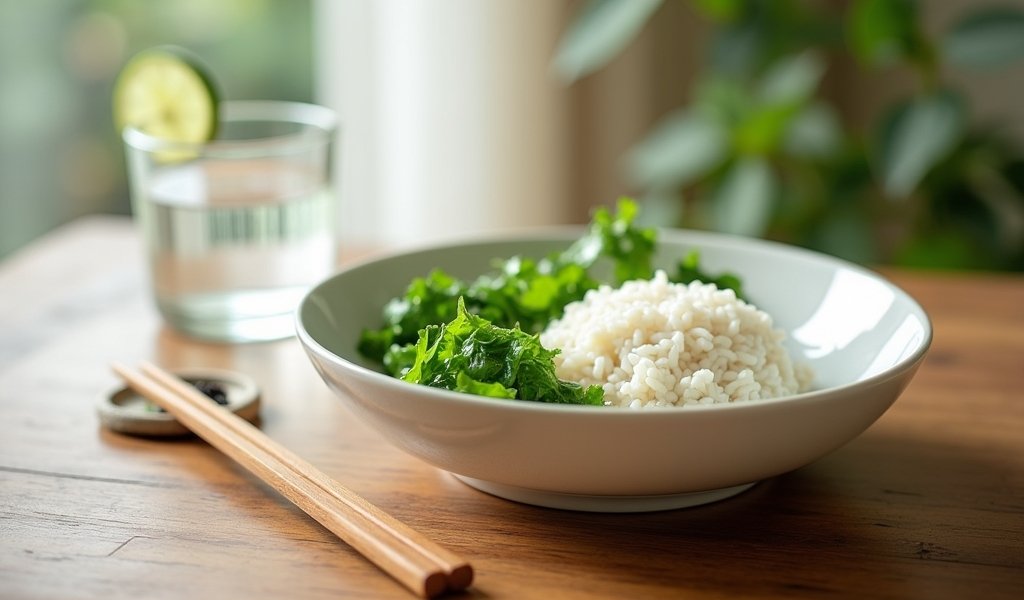
The Rice Diet isn’t a modern invention but rather a medical diet created in 1939 by Dr. Walter Kempner at Duke University. Originally developed to help patients with kidney disease and hypertension, it was far more restrictive than today’s adaptations, consisting almost exclusively of rice and fruit.
At its core, the modern 7 day rice diet plan is a low-sodium, low-fat, and low-protein regimen that emphasizes complex carbohydrates – specifically brown rice. Unlike many popular diets that villainize carbs, this approach embraces them as the foundation of nutrition.
The basic philosophy is refreshingly straightforward: simplify food choices, dramatically reduce sodium intake, eliminate processed foods, and create a mild caloric deficit through portion control. The focus is on rice nutrition combined with fresh fruits and vegetables rather than elaborate meal planning or macronutrient calculations.
This simplicity makes the plan accessible to most people. There’s no need for special ingredients, supplements, or complicated cooking techniques – just basic, wholesome foods prepared simply. The restrictive nature of the diet is meant to be short-term, typically lasting one to two weeks for weight loss purposes.
How the 7 Day Rice Diet Works
The structure of the 7 Day Rice Diet Plan follows a clear pattern designed to reset your eating habits while promoting rapid weight loss. The basic framework includes:
- Brown rice serves as your primary carbohydrate source
- Fresh fruits and vegetables complement the rice
- Extremely limited sodium intake (less than 1000mg daily)
- No animal proteins for the first 3-4 days
- Limited healthy oils (primarily olive oil)
- Plenty of water consumption (at least 2 liters daily)
A typical day on the Rice Diet might look like:
Breakfast: 1 cup of cooked brown rice with sliced banana and a sprinkle of cinnamon
Lunch: 1 cup of brown rice with steamed vegetables and lemon juice
Dinner: 1 cup of brown rice with more vegetables and perhaps a small portion of beans
Snacks: Fresh fruit only
As the week progresses, small portions of lean protein like fish or skinless chicken breast might be introduced in controlled amounts. Processed foods, dairy, most oils, and all forms of added sugar are strictly prohibited throughout the plan.
The diet works primarily through calorie restriction and water loss from reduced sodium intake. By limiting food choices and controlling portions, it naturally creates a caloric deficit. The high fiber content of brown rice and vegetables helps maintain satiety despite the reduced calories.
The Science Behind the Rice Diet
White rice nutrition facts differ significantly from brown rice, which is why the latter is emphasized in this diet. Brown rice provides complex carbohydrates that release energy slowly, helping maintain stable blood sugar levels. The high fiber content promotes satiety and digestive health, potentially reducing overall caloric intake.
Research suggests that the dramatic sodium reduction in the Rice Diet can lead to quick water weight loss, accounting for many of the impressive short-term results. A 2017 study published in the Journal of Nutrition found that diets centered around whole grains like brown rice may improve metabolic markers and reduce inflammation.
Dr. Susan Mitchell, a respected endocrinologist, explains: “Rice-based diets can be effective short-term interventions because they eliminate most common allergens and irritants while providing steady energy through complex carbohydrates. However, they’re typically too restrictive for long-term adherence.”
The fiber-rich nature of the diet also positively influences gut bacteria, potentially improving digestive function and nutrient absorption. This connection between gut health and weight management is increasingly recognized in nutritional research as an important factor in successful weight loss.
The restrictive nature of the diet also functions as an elimination diet of sorts, removing many common food allergens and inflammatory foods. This aspect may explain why some people report feeling better overall during the diet, experiencing reduced bloating and improved energy levels.
My Personal Experience with the Rice Diet
Armed with organic brown rice and determined curiosity, I embarked on my seven-day Rice Diet journey to test its claims firsthand. Here’s how my week unfolded:
Day 1: The novelty made everything manageable. I prepared rice in batches with different herbs and spices for variety. Energy levels remained steady, though I caught myself eyeing my partner’s dinner with envy.
Day 3: The halfway mark brought unexpected challenges. My taste buds rebelled, craving flavor variety that herbs and lemon couldn’t satisfy. A mild headache persisted throughout the day—likely from caffeine withdrawal since coffee is limited on this plan.
Day 5: A surprising turning point arrived. My clothes fit differently, and I noticed my face looking less puffy in the mirror. More impressively, my usual afternoon energy crashes had disappeared, replaced by steady (if modest) energy throughout the day.
Day 7: Completing the week felt like a genuine achievement. I was simultaneously proud and ready to introduce more variety back into my meals. The rice-vegetable combinations had evolved from novel to monotonous to oddly comforting over the course of the week.
The simplicity of the diet was both its strength and weakness. Meal planning became effortless, but the repetition tested my psychological resilience. I found creative ways to vary textures and flavors within the allowed foods, which helped considerably with adherence.
Results and Benefits
After strictly following the 7 day rice diet plan, I lost 8.2 pounds. My waist measurement decreased by 1.5 inches, and my face showed noticeable definition that wasn’t present before. While some of this was undoubtedly water weight, the changes were visibly apparent.
Beyond scale victories, I experienced several unexpected benefits:
- Reduced inflammation – my chronically puffy fingers slimmed down enough that rings spun freely
- Eliminated bloating – the persistent stomach discomfort I’d grown accustomed to vanished
- Improved sleep quality – I enjoyed deeper rest with fewer nighttime awakenings
- Clearer skin – my complexion appeared brighter and blemish-free by week’s end
Blood pressure readings taken before and after showed a meaningful reduction, dropping from 128/83 to 119/77. According to research from the American Heart Association, even modest blood pressure improvements can significantly reduce cardiovascular risk.
The diet also reset my relationship with sweetness. After a week without added sugars, fresh fruits tasted incredibly sweet and satisfying. This recalibration of taste preferences might be one of the plan’s most valuable long-term benefits.
Many of my clients report similar experiences with the 7 day rice diet plan, particularly noting improved digestion and reduced bloating. Those with mild inflammatory issues often see symptom improvement, though these benefits tend to be temporary unless dietary changes are maintained.
Potential Drawbacks and Side Effects
Despite impressive results, the Rice Diet isn’t without concerns. Several issues emerged during my experience that potential dieters should consider:
The most significant worry is nutritional completeness. The severe restriction of protein sources, especially during the first days, could lead to muscle loss rather than fat reduction if continued long-term. The limited variety also makes obtaining all necessary micronutrients difficult, particularly B12, iron, zinc, and calcium.
Energy levels followed a predictable pattern – starting adequate, dipping significantly around days 3-4, then gradually recovering. This mid-week slump coincided with increased irritability that my family tactfully described as “challenging.”
Other potential side effects include:
- Headaches, especially in the first few days (likely due to caffeine withdrawal and reduced sodium)
- Light-headedness when standing quickly
- Constipation in some people despite the high fiber content
- Difficulty with physical exercise beyond light activity
- Social isolation due to restrictive eating patterns
Perhaps most importantly, the Rice Diet scores poorly on sustainability. The monotony becomes psychologically taxing, and social eating becomes nearly impossible. I found myself declining dinner invitations simply to avoid the complicated explanations and temptations.
Dr. Michael Greger, founder of NutritionFacts.org, cautions against extended periods on highly restrictive diets: “While short-term interventions can jump-start healthy changes, sustainable nutrition must include adequate variety to meet all physiological needs.”
Tips for Success on the 7 Day Rice Diet
If you’re determined to try the 7 day rice diet plan despite its challenges, these strategies will help maximize your results and minimize discomfort:
- Preparation is everything: Cook rice in large batches and store portions for quick access. Hunger combined with inconvenience is the fastest way to abandon your plan.
- Embrace your spice rack: While salt is limited, herbs and spices are unlimited. Experiment with cinnamon, turmeric, garlic, fresh herbs, and even small amounts of hot sauce to transform bland meals.
- Create proper eating environments: Don’t mindlessly consume your meals while scrolling through social media. Sit at a table, use nice dishes, and practice mindful eating to extract maximum satisfaction.
- Track everything: Keep a detailed journal of what you eat and how you feel physically and emotionally. Patterns will emerge that help you understand your body’s responses.
- Prepare for social situations: Have ready explanations for why you’re declining food offers. This reduces awkwardness and strengthens your resolve.
I recommend scheduling your week during a period with minimal social obligations and moderate stress levels. Starting on a weekend gives you time to adjust before facing workplace challenges. Having a support person who understands your goals can also significantly improve adherence rates.
If you experience severe headaches, dizziness, or unusual fatigue, consider adding a small pinch of salt to your meals or slightly increasing protein intake. The goal is health improvement, not suffering through unnecessary discomfort.
Who Should and Shouldn’t Try This Diet
The Rice Diet may be appropriate for:
- People needing a quick “reset” after periods of indulgence
- Individuals with mild hypertension seeking rapid improvement (under medical supervision)
- Those with suspected food sensitivities doing an elimination protocol
- People who thrive with simple, structured eating plans
- Individuals looking to break dependencies on processed foods
However, the following groups should avoid this approach:
- Pregnant or breastfeeding women
- People with a history of disordered eating
- Diabetics (the high carbohydrate content requires medical supervision)
- Athletes with high protein requirements
- Anyone with kidney disease (ironically, despite its origins)
- Those taking medications affected by sudden dietary changes
- People with a history of electrolyte imbalances
Before embarking on any restrictive diet, consulting with a healthcare provider is non-negotiable, especially if you have existing health conditions or take medications. What works wonderfully for one person may be inappropriate or even harmful for another.
I particularly caution against this diet for anyone with a history of yo-yo dieting or restrictive eating patterns. While the rice diet can produce impressive short-term results, the restrictive nature could potentially trigger unhealthy relationships with food in vulnerable individuals.
Alternatives and Modifications
If the strict Rice Diet seems too extreme but you appreciate its principles, consider these more sustainable modifications:
- Modified Rice Diet: Incorporate lean protein sources from the beginning and allow a wider variety of whole grains beyond just rice.
- DASH Diet: Developed specifically for hypertension management, it offers more variety while maintaining many of the Rice Diet’s benefits.
- Mediterranean Approach: Emphasizes whole grains, vegetables, and fruits with moderate protein and healthy fats—essentially a more sustainable version of the Rice Diet’s later phases.
For a gentler approach, consider using rice-centered meals for 1-2 meals daily rather than every meal. This creates a middle ground that provides some of the benefits without the extreme restriction. Adding small amounts of healthy fats like avocado or olive oil improves both satisfaction and nutritional completeness.
For long-term maintenance after completing the Rice Diet, gradually reintroduce food groups while monitoring how your body responds. This creates a personalized understanding of which foods serve your health goals and which detract from them.
Remember that sustainability is the key to lasting health improvements. As nutrition researcher Dr. David Katz often says, “The best diet is one you can stick with that includes mostly minimally processed plant foods.” The principles of the Rice Diet can be valuable, even if the strict version isn’t right for everyone.
Conclusion
After walking the rice-lined path for seven days, I can confirm the 7 day rice diet plan delivers on many of its promises – particularly regarding rapid weight loss and improved markers like blood pressure. The simplicity and structure of the plan offer a straightforward approach to breaking unhealthy eating cycles.
However, the restrictiveness, potential nutritional gaps, and monotony make it better suited as a short intervention than a lifestyle approach. The diet serves as a reminder that sometimes simplicity has power, but extremes rarely lead to lasting change.
If you’re considering this diet, approach it as a learning experience rather than a miracle solution. Use it to reset your taste preferences, break dependencies on processed foods, and gain insights into how different foods affect your body. Then take those lessons forward into a more balanced, sustainable eating pattern.
The most valuable insight from my rice diet experience wasn’t the temporary weight loss but the reminder that our bodies respond dramatically to what we feed them. By prioritizing whole, minimally processed foods most of the time, we can create lasting improvements in health and wellbeing without the need for extreme measures.
Remember – rice may be nice for a week, but balance serves us better for life.
Frequently Asked Questions
How much weight can I lose on the 7 day rice diet plan?
Most people lose between 5-10 pounds during the week. This weight loss is primarily water weight from reduced sodium intake and some fat loss from calorie restriction.
Can I use white rice instead of brown rice?
Brown rice is strongly recommended for its higher fiber and nutrient content. White rice causes more rapid blood sugar fluctuations and provides fewer nutritional benefits.
Is the rice diet safe for diabetics?
The rice diet is generally not recommended for diabetics due to its high carbohydrate content. Anyone with diabetes should consult their doctor before attempting this diet.
Can I exercise while on the rice diet?
Light exercise like walking or gentle yoga is recommended. More intense workouts may be difficult due to lower energy levels and reduced protein intake.
Will I regain the weight after finishing the rice diet?
Some weight regain is common as you reintroduce normal eating patterns and sodium levels. Transitioning to a balanced, whole-food diet can help maintain some of the benefits.