
Overview
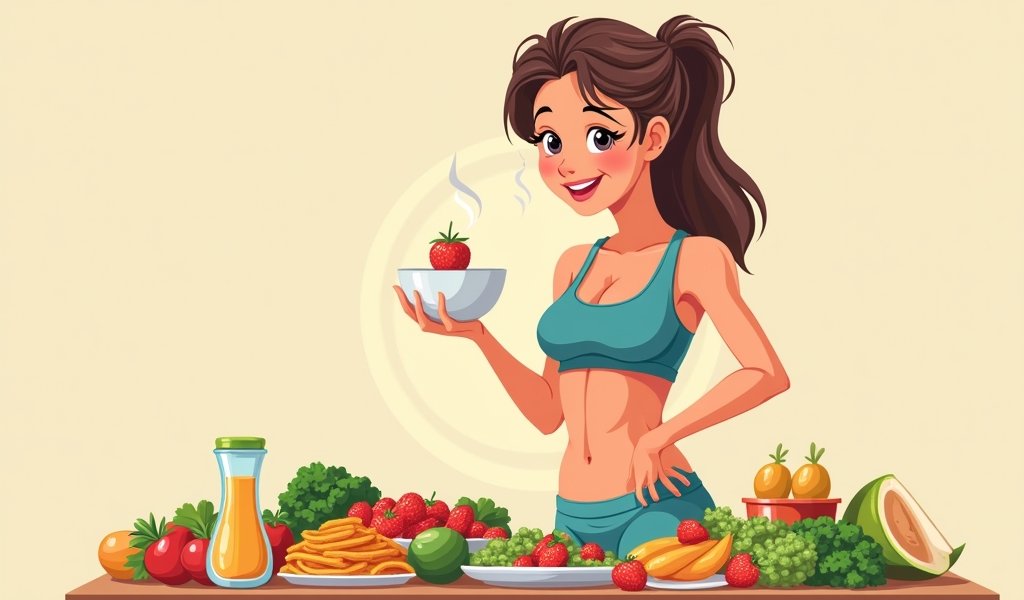
The 14-Day No Sugar Diet eliminates added sugars and high-glycemic foods to promote rapid fat loss, stable blood sugar, and improved health by focusing on whole proteins, healthy fats, non-starchy vegetables, and limited low-sugar fruits. The plan includes detailed food lists, meal planning guidance, strategies for managing cravings, and practical tips for success while emphasizing this isn’t just a temporary diet but an educational experience to reset your relationship with food and develop sustainable healthy eating habits.
Table of Contents
- What is the 14-Day No Sugar Diet?
- Benefits of a No Sugar Diet for Rapid Fat Loss
- Foods to Eat on Your 14-Day No Sugar Diet
- Foods to Avoid During Your No Sugar Challenge
- 14-Day Meal Planning Guide
- Tips for Successfully Completing the 14-Day Challenge
- Dealing with Sugar Cravings
- Conclusion
- Frequently Asked Questions
What is the 14-Day No Sugar Diet?
The 14-day no sugar diet food list is your ticket to rapid fat loss and improved health. This short-term nutritional reset eliminates added sugars and high-glycemic foods that cause blood sugar spikes, insulin resistance, and unwanted fat storage. Unlike extreme diets that leave you feeling deprived, this approach focuses on nourishing your body with whole, unprocessed foods that stabilize blood sugar and support natural fat-burning processes.
At its core, this diet isn’t about starvation or counting calories obsessively. Instead, it’s about becoming mindful of hidden sugars that have infiltrated our modern food supply. By focusing on nutrient-dense foods that don’t spike insulin, your body can finally access stored fat for energy. This approach shares some principles with the carnivore diet food list, though with a broader range of allowed foods.
During these two weeks, you’ll learn to identify and eliminate the sugary culprits sabotaging your health goals while discovering delicious alternatives that satisfy both your taste buds and nutritional needs. The best part? This isn’t just another restrictive diet—it’s an educational journey that retrains your palate and rebuilds a healthier relationship with food.
Benefits of a No Sugar Diet for Rapid Fat Loss
Eliminating sugar from your diet for 14 days can trigger remarkable changes in your body and mind. The most obvious benefit is accelerated fat loss. When you stop consuming sugar, your insulin levels stabilize, allowing your body to access stored fat for energy rather than constantly burning incoming sugar calories. According to research published in the Journal of the American Medical Association, reducing sugar intake significantly decreases body weight and improves metabolic parameters.
Beyond weight loss, you’ll likely experience enhanced mental clarity as sugar-induced brain fog lifts. Many people report improved energy levels without the crashes that follow sugar consumption. Your taste buds will also reset, allowing you to appreciate the natural sweetness in whole foods that previously seemed bland compared to artificially sweetened products.
Inflammation, a root cause of numerous chronic diseases, tends to decrease when sugar is eliminated. This can lead to reduced joint pain, clearer skin, and improved digestive function. Your oral health benefits too—with less sugar feeding harmful bacteria, your teeth and gums can heal and strengthen.
Perhaps most surprisingly, many participants report improved mood stability. The relationship between sugar consumption and mood disorders is increasingly well-documented, with sugar crashes often triggering anxiety and irritability. By maintaining stable blood sugar, you may find yourself feeling more emotionally balanced throughout the day.
Foods to Eat on Your 14-Day No Sugar Diet
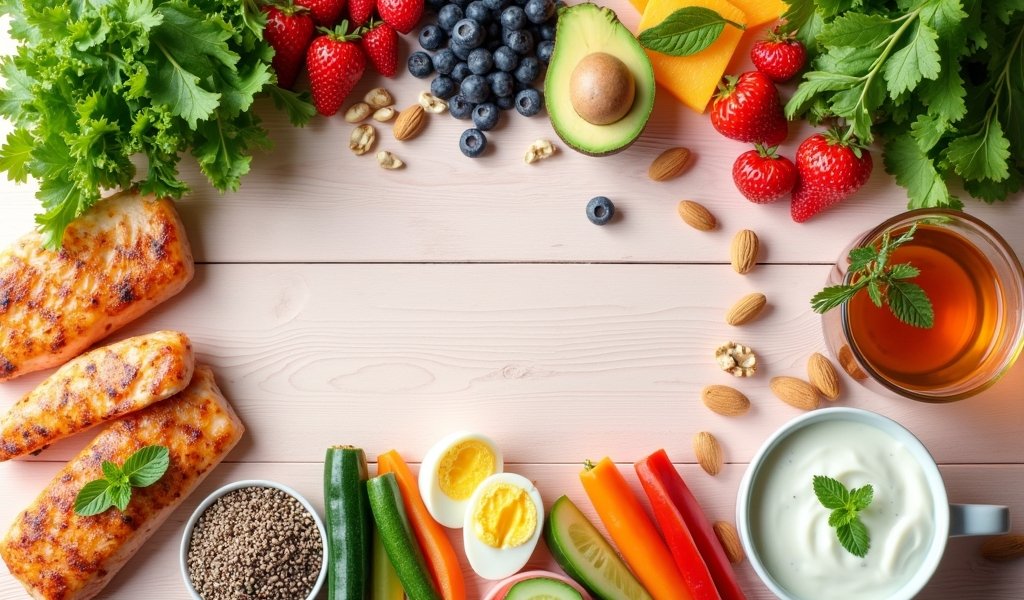
Filling your plate with the right foods makes this 14-day journey not just bearable but enjoyable. Here’s what should form the foundation of your no-sugar meals:
Protein Sources
- Grass-fed beef, organic chicken, and wild-caught fish
- Pasture-raised eggs and pork
- Turkey, lamb, and other unprocessed meats
- Plant-based options like tempeh, tofu (unsweetened), and lupini beans
Quality proteins stabilize blood sugar and keep you satisfied, making them essential for combating cravings. Those interested in higher protein approaches might want to explore what you can eat on the carnivore diet for additional inspiration.
Healthy Fats
- Avocados and cold-pressed avocado oil
- Coconut and extra virgin olive oil
- Nuts and seeds (raw or dry-roasted without added sugar)
- Olives, coconut meat, and cacao (100% unsweetened)
Fats are your friend on a no-sugar diet. They provide sustained energy and help absorb fat-soluble vitamins without impacting blood sugar. Plus, they add delicious richness to meals that makes you forget about dessert.
Non-Starchy Vegetables
- Leafy greens (spinach, kale, arugula, lettuce)
- Cruciferous vegetables (broccoli, cauliflower, Brussels sprouts)
- Asparagus, zucchini, bell peppers, and cucumber
- Celery, mushrooms, onions, and garlic
Load up on these fiber-rich, nutrient-dense plants to keep your digestive system happy and your micronutrient levels optimal. The fiber helps prevent constipation, which can sometimes occur when dramatically changing your diet.
Limited Low-Sugar Fruits
- Berries (strawberries, blueberries, raspberries in moderation)
- Green apples and kiwi (small portions)
- Lemons and limes (for flavoring)
While most fruits are restricted during these 14 days due to their natural sugar content, these lower-sugar options can be included in small amounts. They provide antioxidants and variety without significantly impacting blood sugar when consumed in moderation.
Beverages
- Filtered water (still or sparkling)
- Herbal teas (unsweetened)
- Black coffee in moderation (if tolerated)
- Bone broth
Staying hydrated supports fat loss by optimizing metabolic function and helping control hunger. Infusing water with cucumber, mint, or lemon can make hydration more enjoyable without adding sugars.
Foods to Avoid During Your No Sugar Challenge
Success on the 14-day no sugar diet food list depends largely on identifying and eliminating hidden sugars. Here’s what to remove from your pantry and shopping list:
Obvious Sugar Sources
- Table sugar, honey, maple syrup, agave, and coconut sugar
- Candy, chocolate, ice cream, and baked goods
- Jams, jellies, and sweetened nut butters
- Soda, fruit juice, sweetened tea, and coffee drinks
These high-sugar foods directly counter your fat loss goals by spiking insulin and feeding sugar cravings. Remember that “natural” sweeteners like honey still impact blood sugar and insulin in ways that hinder fat loss.
Hidden Sugar Sources
- Flavored yogurts and non-dairy alternatives
- Breakfast cereals, granola, and protein bars
- Condiments like ketchup, BBQ sauce, and salad dressings
- Packaged soups, sauces, and marinades
- Processed meats (sausages, deli meats with added sugar)
Always check ingredient labels! Manufacturers hide sugars under various names like dextrose, maltose, sucrose, high fructose corn syrup, fruit juice concentrate, and many others. Harvard Health has identified over 60 different names for added sugar on food labels.
High-Glycemic Foods
- White flour products (bread, pasta, crackers)
- White rice and instant oatmeal
- Most breakfast cereals and granolas
- Potato products (chips, fries, etc.)
These foods rapidly convert to sugar in your bloodstream, triggering insulin responses similar to eating pure sugar. They can cause energy crashes and increase hunger, making your no-sugar journey more challenging.
Most Fruits
- Tropical fruits (pineapple, mango, banana)
- Grapes, cherries, and most dried fruits
- Fruit smoothies and fruit-based desserts
While fruits contain beneficial nutrients, their high natural sugar content (primarily fructose) can impact blood sugar and insulin levels. For these 14 days, focus on the limited low-sugar fruits mentioned earlier.
This approach shares some similarities with other elimination protocols like the AIP diet food list, though with a specific focus on sugar rather than potential immune triggers.
14-Day Meal Planning Guide
Creating a practical meal plan takes the guesswork out of your 14-day no sugar diet. Here’s a flexible framework you can customize based on your preferences and lifestyle:
Breakfast Ideas
- Veggie omelet with avocado and fresh herbs
- Chia seed pudding made with unsweetened almond milk and cinnamon
- Greek yogurt (plain, unsweetened) with berries and nuts
- Savory breakfast bowl with ground turkey, spinach, and bell peppers
- Smoked salmon with cucumber slices and herbs
Starting your day without sugar stabilizes energy and reduces cravings later. Choose protein-rich breakfasts that keep you full until lunch and avoid the mid-morning energy crash.
Lunch Options
- Large salad with grilled chicken, olive oil, lemon, and mixed vegetables
- Lettuce wraps with canned tuna or salmon, avocado, and veggies
- Zucchini noodles with ground beef and sugar-free tomato sauce
- Cauliflower rice bowl with roasted vegetables and tahini dressing
- Leftover protein from dinner with a side of cooked greens
Keep lunch simple yet satisfying. Batch-prepping components like grilled proteins and roasted vegetables can make weekday lunches much more manageable.
Dinner Suggestions
- Baked salmon with roasted Brussels sprouts and cauliflower
- Grass-fed beef burger (no bun) with avocado and side salad
- Roast chicken with garlic, herbs, and steamed broccoli
- Shrimp stir-fry with bell peppers, onions, and coconut aminos
- Slow-cooker beef stew with celery, onions, and carrots (no potatoes)
Dinners are your opportunity to get creative with herbs, spices, and cooking methods. Keep portions moderate, especially in the evening when your body needs less energy.
Snack Ideas (if needed)
- Celery sticks with unsweetened almond butter
- Hard-boiled eggs with salt and pepper
- Cucumber slices with guacamole
- A small handful of mixed nuts
- Beef or turkey jerky (check for no added sugar)
Many people find they naturally snack less on a low-sugar diet as blood sugar stabilizes. If you do need something between meals, choose options with protein or fat to provide lasting satiety.
Tips for Successfully Completing the 14-Day Challenge
Embarking on a 14-day no sugar diet requires more than just a food list—it requires strategy. Here are proven tips to help you succeed:
Preparation is Key
Clear your pantry of temptations before you begin. Stock up on approved foods and prepare some emergency snacks for when hunger strikes. Meal prep on weekends can be a lifesaver during busy weekdays when willpower tends to wane.
Plan for social situations in advance. Check restaurant menus online before dining out, or eat a small protein-rich meal before attending events where sugar-laden foods might be served.
Manage Your Environment
Communicate your goals to friends and family to enlist their support. If possible, ask household members to keep their sugary treats out of plain sight. Create a kitchen environment that makes healthy choices easy and sugar-free cooking enjoyable.
Stay away from trigger environments during the early days. If the office break room or certain stores tempt you with sugary options, find alternatives or new routines that don’t test your willpower unnecessarily.
Listen to Your Body
Pay attention to how your body responds as you eliminate sugar. Many people experience temporary fatigue or headaches in the first 3-5 days as their body adjusts. Stay hydrated and ensure you’re eating enough calories from healthy fats and proteins during this transition.
Don’t mistake thirst for hunger. Often when we think we need a snack, we’re actually dehydrated. Try drinking a large glass of water before reaching for food, especially if you’ve recently eaten.
Track Your Progress
Keep a simple food journal to maintain awareness of what you’re consuming. Note how you feel after meals—energy levels, satisfaction, and mood can all provide valuable feedback about how your body responds to different foods.
Take measurements beyond the scale. Changes in how your clothes fit, energy levels, sleep quality, and skin appearance are often more meaningful indicators of success than weight alone.
Be Kind to Yourself
If you slip up, don’t abandon the entire plan. One sugar-containing meal doesn’t negate your progress—simply return to your sugar-free approach at the next eating opportunity. Perfection isn’t required for significant health benefits.
Focus on what you’re gaining, not what you’re giving up. Rather than dwelling on foods you’re avoiding, celebrate the improvements in your energy, clarity, and health that come from nourishing your body properly.
Dealing with Sugar Cravings
Sugar cravings can be the biggest challenge during your 14-day journey. Understanding and preparing for them increases your chances of success:
Understand the Biology
Sugar cravings have both biological and psychological components. Biologically, your body may be accustomed to regular insulin spikes and the resulting energy crashes that trigger hunger. This cycle typically diminishes within 5-7 days as your body adapts to stable blood sugar.
Emotionally, many of us have used sugar as a reward, comfort, or coping mechanism. Recognizing these patterns helps you develop healthier alternatives for emotional regulation.
Practical Craving Busters
- Drink a large glass of water with a squeeze of lemon or lime
- Consume healthy fats like avocado or a few nuts to provide satiety
- Try a short burst of physical activity (like 10 jumping jacks or a quick walk)
- Brush your teeth or use sugar-free mint gum to reset your palate
- Practice a 5-minute meditation or deep breathing exercise
Sometimes, what feels like a sugar craving is actually your body requesting minerals. Adding a pinch of high-quality salt to your water or food can sometimes resolve cravings surprisingly well.
Emergency Sweet Alternatives
- A small portion of berries with unsweetened coconut cream
- Cinnamon sprinkled on sliced apple (the cinnamon helps regulate blood sugar)
- Unsweetened cacao mixed with avocado for a mousse-like treat
- Herbal teas like rooibos or cinnamon that provide sweetness without sugar
Remember that as your taste buds reset, natural foods will begin tasting sweeter. What seems bland in week one might taste surprisingly sweet by week two as your sensitivity to natural sugars increases.
Conclusion
The 14-day no sugar diet food list offers more than just rapid fat loss—it presents an opportunity to reset your relationship with food and discover how much better your body feels when freed from sugar’s grip. By focusing on nutrient-dense whole foods that stabilize blood sugar, you’re not just changing what you eat for two weeks; you’re laying the foundation for sustainable health improvements.
Throughout this journey, you’ll likely experience benefits beyond weight loss: improved energy, clearer thinking, better sleep, and reduced inflammation. You’ll also develop valuable skills in reading labels, preparing satisfying meals, and distinguishing between true hunger and habitual eating.
While 14 days is enough time to break the immediate physical addiction to sugar, many people choose to continue this way of eating in some form after seeing how much better they feel. Consider this not as a temporary diet but as an educational experience that empowers you to make more informed food choices long-term.
Remember that sustainable health comes from making choices that work for your unique body and lifestyle. Use these 14 days to listen to your body’s signals and discover which foods help you feel your best. Whether you continue with a strict no-sugar approach or adopt a more moderate low-sugar lifestyle afterward, the awareness and habits you develop during these two weeks will serve you well on your health journey.
Frequently Asked Questions
Will I lose weight on a 14-day no sugar diet?
Most people experience significant weight loss on a 14-day no sugar diet. The exact amount varies based on starting weight, metabolism, and adherence to the plan.
Can I eat fruit on a no sugar diet?
Limited low-sugar fruits like berries, green apples, and kiwi can be consumed in small amounts. Avoid high-sugar tropical fruits and dried fruits during the 14 days.
Is honey allowed on a no sugar diet?
Honey is not allowed on a strict no sugar diet despite being “natural.” It still affects blood sugar and insulin levels similarly to refined sugar.
What can I drink on a no sugar diet?
Water, unsweetened tea, black coffee, and bone broth are all excellent choices. Avoid fruit juices, sodas, and any beverages with added sweeteners.
How do I handle sugar withdrawal symptoms?
Stay hydrated, ensure adequate salt intake, get plenty of rest, and consume enough healthy fats and proteins. Most withdrawal symptoms subside within 3-5 days.
Pingback: Ultimate HCG Diet Plan Review: Proven Weight Loss Guide - achievehealthgoals.com
Pingback: 7-day meal plan for gestational diabetes: Ultimate Guide - achievehealthgoals.com