

Overview
When water turns from a refreshing necessity into a stomach-churning nemesis, you’re not imagining things—there’s actual science behind that queasiness! The article explains that drinking water may cause nausea due to consuming it too quickly, drinking on an empty stomach, or poor water quality, while offering five practical solutions: sipping slowly, adding natural flavors, balancing electrolytes, improving water quality, and timing water consumption strategically.
Table of Contents
- Why Drinking Water Makes You Feel Sick
- Common Reasons Water Causes Nausea
- Drinking Too Much, Too Fast
- Drinking Water on an Empty Stomach
- Poor Quality Water
- 5 Proven Fixes for Water Nausea
- When to See a Doctor
- Conclusion
- Frequently Asked Questions
Have you ever raised a refreshing glass of water to your lips, expecting relief, only to be met with an unsettling wave of nausea? That queasy sensation when drinking water can be both puzzling and concerning. After all, water is essential for life—the cornerstone of health that we’re constantly reminded to consume. So why does drinking water make me feel sick? This peculiar reaction has many potential causes, and fortunately, several effective solutions.
As a healthcare professional who’s worked with countless patients facing hydration challenges, I can assure you that you’re not alone in this experience. The cool liquid that should bring comfort sometimes triggers discomfort instead, leaving many people confused and frustrated. This comprehensive guide will dive into the science behind water-induced nausea, uncover the most common triggers, and provide you with practical, evidence-based remedies to help you stay hydrated without the unpleasant side effects.
Why Drinking Water Makes You Feel Sick
That unsettling sensation in your stomach after drinking water isn’t just in your head. There are legitimate physiological reasons why something as fundamental as water consumption might trigger nausea or discomfort. Your body is a finely-tuned system, and sometimes even small disruptions to its balance can produce noticeable symptoms.
The feeling of sickness after drinking water typically manifests as nausea, stomach discomfort, or even vomiting in severe cases. You might experience a subtle churning in your stomach or a more pronounced feeling of queasiness that makes you reluctant to take another sip. Some people also report a sensation of water “sitting heavily” in their stomach, almost as if it isn’t being processed properly.
According to research on gastric emptying, the way our bodies process liquids involves complex interactions between our digestive system, nervous system, and various hormonal signals. When this process is disrupted—whether due to drinking habits, underlying conditions, or other factors—the result can be that uncomfortable feeling that has you questioning why something as basic as water is causing distress.
Common Reasons Water Causes Nausea
Before we dive into solutions, let’s understand what might be happening when water makes you feel sick. Identifying the underlying cause is crucial for finding the right fix for your specific situation. Here are the most common culprits:
- Drinking too much water too quickly
- Consuming water on a completely empty stomach
- Poor quality or contaminated water
- Underlying digestive issues like acid reflux or gastroparesis
- Electrolyte imbalances disrupting fluid regulation
- Sensitivity to temperature (very cold water can shock the system)
- Psychological factors or conditioned responses
These factors don’t affect everyone equally. Some people might be particularly sensitive to the rate of water consumption, while others react strongly to temperature variations or specific mineral contents. Your personal hydration history, digestive health, and even psychological associations with drinking water all play significant roles in how your body responds to this essential fluid.
Let’s examine the three most common reasons in greater detail so you can better pinpoint what might be happening in your case.

Drinking Too Much, Too Fast
Picture this: you’ve just finished an intense workout. Sweat glistens on your skin, your heart still pounds, and a powerful thirst drives you to gulp down water in large, hasty swallows. The water feels heavenly for a moment—cool and refreshing as it slides down your parched throat. But minutes later, your stomach rebels with a sloshing, uncomfortable sensation that leaves you feeling nauseated and regretful.
This scenario illustrates one of the most common reasons why drinking water makes some people feel sick: consuming too much, too quickly. When you rapidly introduce a large volume of water into your stomach, you can temporarily overwhelm your body’s ability to process it efficiently.
The science behind this is straightforward but fascinating. Your stomach has a limited capacity—typically about 1-2 liters when stretched—and can only empty its contents into the small intestine at a certain rate. Mayo Clinic experts explain that overwhelming this system with a sudden influx of fluid can trigger stretch receptors in your stomach wall, sending distress signals to your brain that manifest as nausea.
Additionally, drinking water too quickly can disrupt the delicate balance of air in your digestive tract, causing that uncomfortable bloated feeling. The excess air can stretch your stomach further, compounding the problem and intensifying the queasy sensation.
Athletes and fitness enthusiasts are particularly susceptible to this issue, as intense physical activity often creates a powerful thirst drive that can override the body’s natural pace of consumption. Similarly, if you’re following strict hydration goals without listening to your body’s signals, you might find yourself consuming water at a rate that your digestive system simply can’t accommodate comfortably.
Drinking Water on an Empty Stomach
The morning sunlight filters through your curtains as you reach for that glass of water on your nightstand—a healthy habit you’ve been trying to cultivate. But moments after those first few swallows, a wave of queasiness washes over you, making you question this supposedly beneficial routine. What’s happening?
Drinking water on a completely empty stomach, particularly first thing in the morning or after skipping meals, can trigger nausea in some individuals. When your stomach has been empty for several hours, the sudden introduction of water can create a shock to your digestive system.
Your stomach naturally produces acidic digestive juices that help break down food. When you drink water on an empty stomach, it can temporarily dilute these acids and alter the pH balance in your stomach. For some people, especially those with sensitive digestive systems or conditions like acid reflux, this shift can trigger nausea or discomfort.
Furthermore, when your stomach is completely empty, water moves through it very quickly and can stimulate intestinal activity more intensely than usual. This rapid movement sometimes creates a sensation that many describe as “sloshing” or “emptiness,” which can feel uncomfortable or nauseating.
While some health traditions actually recommend drinking water first thing in the morning as part of a liquid diet regimen, this practice isn’t ideal for everyone. Your individual digestive sensitivity, medical history, and even genetic factors can influence how your body responds to water on an empty stomach.
Poor Quality Water
Not all water is created equal. Take a moment to consider the water you’re drinking—its source, taste, smell, and appearance. That seemingly clear liquid might contain elements that your body finds objectionable, triggering that sick feeling you’re experiencing.
Poor quality water can contain various contaminants that might upset your stomach, including:
- High mineral content (hard water)
- Chlorine or other disinfectants
- Bacterial contamination
- Heavy metals like lead or copper
- Industrial pollutants or agricultural runoff
- Sulfur compounds causing that distinctive “rotten egg” smell
Even if your water meets safety standards, it might still contain substances that your individual system finds irritating. Some people are particularly sensitive to the taste or chemical composition of municipal tap water. The chlorine used to disinfect public water supplies, while generally safe at regulated levels, can cause gastric distress in sensitive individuals.
Bottled water isn’t necessarily the answer either. Environmental Working Group studies have found that some bottled water is simply repackaged tap water, and the plastic bottles themselves might leach compounds into the water, especially when exposed to heat or sunlight.
Beyond chemical composition, the temperature of water can also play a significant role in how your body receives it. Ice-cold water might shock your digestive system, while room-temperature water is typically better tolerated. This is especially true for those following specialized nutrition plans like a clear liquid diet, where temperature control becomes even more important for comfort.
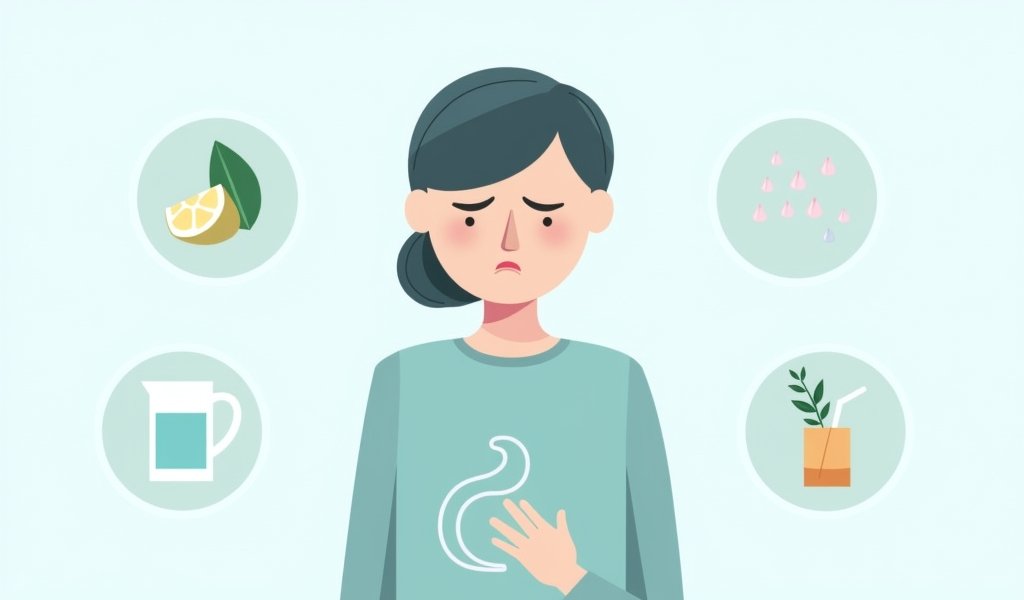
5 Proven Fixes for Water Nausea
Now that we understand why drinking water might make you feel sick, let’s explore practical, evidence-based solutions that can help you stay hydrated comfortably. These approaches address the common causes we’ve discussed and can be easily incorporated into your daily routine.
1. Sip Slowly and Mindfully
Transform your water-drinking experience by adopting a measured approach. Instead of gulping down large amounts quickly, try this technique:
- Take small sips, allowing each one to settle before the next
- Use a straw to naturally limit intake volume
- Set a timer to space out your consumption (e.g., 4 ounces every 30 minutes)
- Practice mindful drinking—focus on the sensation and appreciate each sip
This approach gives your digestive system time to process the water gradually without triggering those uncomfortable stretch receptors. Many of my patients who previously experienced water-induced nausea report significant improvement simply by slowing down their consumption pace.
Dr. Michael Greger of NutritionFacts.org suggests that mindful hydration not only reduces discomfort but may also enhance the body’s ability to utilize the water more effectively, improving cellular hydration.
2. Add Natural Flavor Enhancers
Plain water sometimes needs a little enhancement—not just for taste, but for digestibility. Consider these natural additions:
- A slice of lemon, lime, or cucumber
- A sprig of fresh mint or basil
- A small splash of 100% fruit juice
- A few berries muddled at the bottom of your glass
These natural flavoring agents do more than make water more appealing. The gentle acidic nature of citrus fruits can actually aid digestion, while herbs like mint have natural stomach-soothing properties. These subtle additions can transform water from a potential irritant to a soothing, enjoyable beverage.
For those on a full liquid diet, these flavor enhancers can be particularly beneficial in maintaining hydration without triggering nausea.
3. Balance Your Electrolytes
Sometimes water makes you feel sick because your body needs more than just H2O. Electrolytes—minerals like sodium, potassium, and magnesium—play crucial roles in fluid balance and digestive function.
Try these electrolyte-balancing strategies:
- Add a tiny pinch of high-quality sea salt to your water
- Consume electrolyte-rich foods alongside water (like bananas or leafy greens)
- Try coconut water as an occasional alternative to plain water
- Consider a sugar-free electrolyte supplement for intense activity days
Balanced electrolytes help your cells absorb and utilize water more effectively. This not only reduces the “sloshing” feeling in your stomach but also enhances the hydrating effects of the water you consume. Many athletes and active individuals find that proper electrolyte balance eliminates the nausea they previously experienced when hydrating.
4. Improve Your Water Quality
Addressing the water itself can make a remarkable difference in how your body receives it:
- Invest in a quality water filter appropriate for your local water issues
- Let tap water sit in an open container for 24 hours to allow chlorine to dissipate
- Consider structured or alkaline water if conventional water consistently bothers you
- Experiment with different mineral contents (spring vs. purified)
Water filtration doesn’t have to be complicated or expensive. Simple carbon filters can remove many common irritants, while allowing beneficial minerals to remain. If you’re particularly sensitive, reverse osmosis systems provide the most thorough purification, though you may want to add back some minerals for taste and health benefits.
The ideal water temperature also matters significantly. Room temperature or slightly cool water is generally better tolerated than ice-cold water, which can shock your digestive system and trigger cramping or nausea in sensitive individuals.
5. Time Your Water Consumption Strategically
When you drink water can be as important as how you drink it. Consider these timing strategies:
- Have a small piece of food before morning hydration
- Wait 30 minutes after meals before drinking larger amounts
- Avoid large quantities right before bed
- Distribute water intake evenly throughout your day
Strategic timing helps ensure that your stomach is never completely empty when you introduce water, which can reduce irritation. It also prevents the dilution of digestive enzymes during the critical period of food breakdown.
Many people find that establishing a consistent hydration schedule—rather than drinking large amounts sporadically—helps their body adapt and respond more favorably to water intake.
When to See a Doctor
While feeling sick after drinking water is often manageable with the strategies outlined above, there are circumstances when medical attention becomes necessary. Pay attention to these warning signs:
- Persistent vomiting after drinking even small amounts of water
- Symptoms of dehydration despite attempts to drink water (extreme thirst, dark urine, dizziness, confusion)
- Water nausea accompanied by unexplained weight loss
- Difficulty swallowing liquids
- Water sickness that develops suddenly after previously having no issues
These symptoms could indicate underlying conditions that require professional diagnosis and treatment. Conditions like gastroparesis (delayed stomach emptying), GERD (gastroesophageal reflux disease), or certain autoimmune disorders can manifest through water intolerance.
Your healthcare provider might recommend tests to evaluate your digestive function, screen for infections, or assess for other medical conditions that could be contributing to your symptoms. Don’t hesitate to seek medical guidance, especially if your symptoms are affecting your ability to stay hydrated.
Conclusion
The question “why does drinking water make me feel sick?” might have seemed puzzling at first, but as we’ve explored, there are legitimate physiological reasons behind this uncomfortable phenomenon. Whether it’s drinking too quickly, consuming water on an empty stomach, or issues with water quality, the good news is that most causes have straightforward solutions.
By implementing the five proven fixes we’ve discussed—sipping slowly, adding natural flavors, balancing electrolytes, improving water quality, and timing your consumption strategically—you can transform your hydration experience from one of discomfort to one of nourishment.
Remember that hydration is deeply personal. What works perfectly for someone else might not be ideal for your unique body. Be patient as you experiment with different approaches, and listen carefully to your body’s signals. With mindful adjustments and consistent practice, you can develop a comfortable, sustainable hydration routine that supports your overall health without triggering that unwelcome nausea.
Staying properly hydrated is one of the most fundamental aspects of good health—it’s worth taking the time to get it right. Your body will thank you with improved energy, better digestion, clearer thinking, and countless other benefits that come from proper hydration.
Frequently Asked Questions
Can anxiety make me feel sick after drinking water?
Yes, anxiety can cause stomach tension and digestive changes that make water consumption uncomfortable. The mind-body connection is powerful, and psychological stress can manifest as physical symptoms like nausea.
Why does cold water make me nauseous but room temperature water doesn’t?
Cold water can shock your digestive system and cause stomach muscles to contract suddenly. Room temperature water is generally better tolerated because it requires less energy for your body to process.
Could my water nausea be related to pregnancy?
Absolutely—increased sensitivity to tastes and smells during pregnancy often extends to water. Many pregnant women report changes in water tolerance, particularly during the first trimester.
Is it normal to feel queasy when drinking water while exercising?
Yes, intense physical activity diverts blood flow from your digestive system to your muscles. Drinking large amounts during exercise can overwhelm your temporarily compromised digestive capacity.
Can certain medications cause water to make me feel sick?
Many medications can increase sensitivity to water or alter stomach acid production. Check with your healthcare provider about potential side effects if your water nausea coincided with starting a new medication.