

Overview
Like trying to ride a unicycle with a flat tire, your life wobbles when your wellness wheel is out of balance! The Wheel of Wellness framework promotes holistic well-being across seven interconnected dimensions—physical, emotional, social, financial, spiritual, environmental, and occupational—each contributing to overall health and requiring intentional attention to create a balanced, fulfilling life.
Table of Contents
- Introduction to the Wheel of Wellness
- What is the Wheel of Wellness?
- Benefit 1: Enhanced Physical Health and Vitality
- Benefit 2: Improved Mental Clarity and Emotional Balance
- Benefit 3: Stronger Social Connections
- Benefit 4: Greater Financial Stability
- Benefit 5: Deeper Spiritual Fulfillment
- Benefit 6: Better Environmental Awareness
- Benefit 7: Increased Occupational Satisfaction
- Implementing the Wheel of Wellness in Daily Life
- Conclusion
- Frequently Asked Questions
Introduction to the Wheel of Wellness
The wheel of wellness represents a holistic approach to health that has transformed countless lives, including my own patients’. As a health professional with over a decade of experience, I’ve witnessed firsthand how this comprehensive framework can revolutionize wellbeing. Unlike fragmented health approaches that target isolated aspects of our lives, the wheel of wellness addresses the complete spectrum of human experience.
When we neglect certain dimensions of our health, the entire wheel becomes unbalanced – much like a bicycle wheel that wobbles when bent. This imbalance inevitably affects our overall quality of life. Today, we’ll explore the seven evidence-backed benefits of implementing the wheel of wellness into your daily routine.
Modern research consistently validates what ancient healing traditions have known for centuries: true health emerges from balance across multiple life domains. The beauty of the wellness wheel concept lies in its simplicity and adaptability to individual needs. Let’s dive into how this powerful tool can transform your life from the inside out.
What is the Wheel of Wellness?
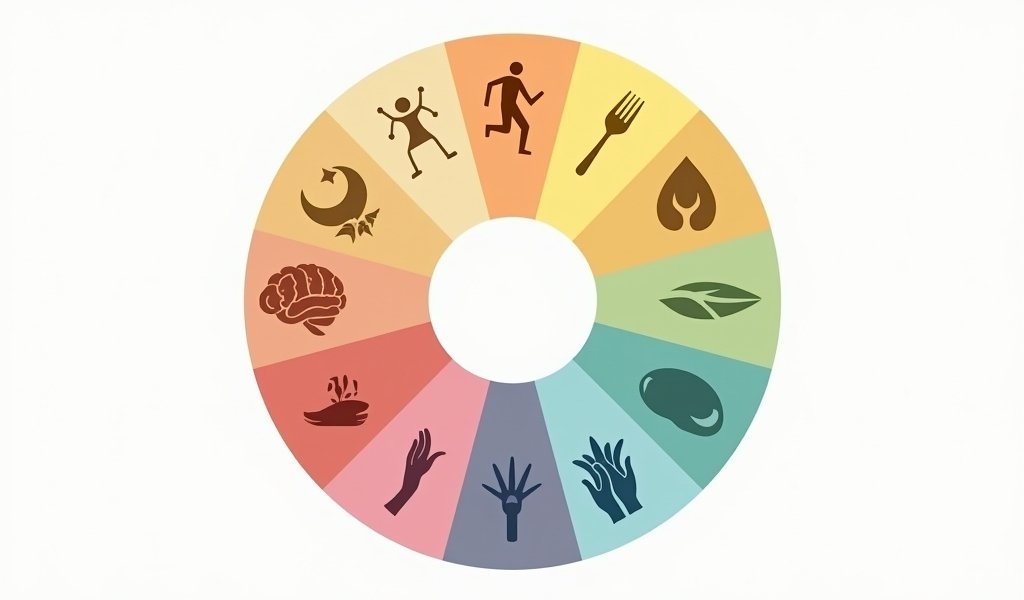
The wheel of wellness is a visual model that depicts the interconnected dimensions of health and wellness. Think of it as a pie chart divided into essential life segments, each representing a crucial aspect of your overall wellbeing. While different models may include varying components, most wellness wheels typically encompass physical, emotional, social, intellectual, spiritual, occupational, and environmental dimensions.
This concept emerged from the work of Dr. Bill Hettler, co-founder of the National Wellness Institute, who originally developed the six dimensions of wellness model in 1976. Since then, numerous health organizations and practitioners have adapted and expanded upon this foundation, creating various wellness wheel iterations.
The genius of this model lies in its visual representation of balance. When you assess your wellness wheel, areas of strength and weakness become immediately apparent. A well-rounded wheel indicates a balanced life, while a lopsided wheel highlights dimensions needing attention.
According to research published in the National Library of Medicine, holistic wellness models like this one help individuals identify specific areas for improvement, making personal health goals more achievable and sustainable. This targeted approach proves far more effective than vague aspirations to “get healthier.”
Benefit 1: Enhanced Physical Health and Vitality
The physical dimension of the wheel of wellness encompasses nutrition, exercise, sleep, and preventive healthcare. When properly addressed, this sector delivers profound improvements to your bodily functioning and energy levels.
My patients who embrace the wellness wheel approach typically report significant physical improvements within just 4-6 weeks. These benefits often include better sleep quality, reduced chronic pain, improved digestion, and increased stamina. More importantly, they develop sustainable health habits rather than short-term fixes.
A balanced approach to physical wellness prevents the common cycle of extreme effort followed by burnout. Instead of exhausting juice cleanses or punishing workout regimens, the wheel of wellness encourages consistent, moderate activities that build lasting vitality.
Studies from the Mayo Clinic confirm that regular physical activity significantly reduces your risk of heart disease, stroke, type 2 diabetes, and various cancers while simultaneously improving mood and cognitive function. The physical dimension serves as a foundation for all other wellness areas – when your body feels good, you have more energy to invest in emotional, social, and intellectual pursuits.
Keys to Physical Wellness:
- Consistent movement (150+ minutes of moderate activity weekly)
- Nutrient-dense, whole foods making up 80% of your diet
- 7-9 hours of quality sleep
- Regular preventive healthcare check-ups
- Adequate hydration (minimum half your body weight in ounces daily)
Benefit 2: Improved Mental Clarity and Emotional Balance
The emotional dimension of the wheel of wellness addresses your relationship with your feelings, stress management capabilities, and overall mental health. In my clinical practice, I’ve observed that patients who actively work on this dimension experience remarkable improvements in their outlook and resilience.
Emotional wellness doesn’t mean perpetual happiness – rather, it reflects the ability to identify, express, and process feelings appropriately. Those with strong emotional wellness can navigate life’s inevitable challenges without becoming overwhelmed or shutting down.
The wellness wheel approach encourages emotional balance through mindfulness practices, stress management techniques, and healthy emotional expression. Journaling, meditation, therapy, and breathwork all serve as powerful tools within this dimension.
According to Harvard Health research, effective stress management techniques not only improve mood but actually change brain structure and function in beneficial ways. Emotional wellness skills ripple outward, enhancing your relationships, work performance, and even immune function.
Practical Emotional Wellness Techniques:
- Daily mindfulness practice (even 5-10 minutes provides benefits)
- Regular emotional check-ins using feeling wheels or journals
- Establishing healthy boundaries in relationships
- Professional support when needed (therapy, coaching, etc.)
- Creative expression through art, music, writing, or movement
Benefit 3: Stronger Social Connections
The social dimension of the wheel of wellness recognizes humans as inherently social creatures who thrive through meaningful connections. This component addresses your relationships with family, friends, community, and even your approach to conflict resolution.
In my years of practice, I’ve repeatedly seen how social wellbeing directly impacts physical health markers. Patients with strong social networks tend to have lower inflammation, stronger immune function, and better cardiovascular health than isolated individuals.
The wellness wheel approach encourages intentional relationship-building rather than passive social media scrolling. Quality consistently trumps quantity when it comes to social connections that benefit health. Even introverts who require less social interaction still need authentic relationships to thrive.
A landmark Harvard study spanning nearly 80 years found that strong relationships predict happiness and longevity better than wealth, fame, IQ, or social class. The researchers concluded that “loneliness kills” – it’s as powerful a risk factor for early death as smoking or alcoholism.
Social Wellness Strategies:
- Schedule regular connection time with loved ones
- Join community groups aligned with your interests
- Practice active listening and conflict resolution skills
- Balance digital and in-person social interactions
- Volunteer for causes meaningful to you
Benefit 4: Greater Financial Stability
Though often overlooked in traditional health discussions, financial wellness forms a crucial dimension of the wheel of wellness. Financial stress triggers powerful physiological responses that can devastate physical and mental health over time.
I’ve worked with countless patients whose health complaints – from migraines to digestive issues to anxiety disorders – improved dramatically once they addressed their financial wellness. The connection between financial stress and bodily dysfunction is medically undeniable.
The wellness wheel approach promotes a healthy relationship with money rather than focusing solely on accumulation. This includes understanding your financial values, creating sustainable spending habits, building emergency funds, planning for the future, and finding balance between financial security and present enjoyment.
Research published in the Journal of Financial Therapy demonstrates clear connections between financial wellness and overall life satisfaction. Financial stability provides a foundation that supports other wellness dimensions – it’s difficult to focus on emotional growth or social connections when basic security needs remain unmet.
Financial Wellness Essentials:
- Creating and maintaining a realistic budget
- Building an emergency fund (3-6 months of expenses)
- Regularly reviewing and adjusting financial goals
- Developing healthy money attitudes and behaviors
- Seeking professional guidance when needed
Benefit 5: Deeper Spiritual Fulfillment
The spiritual dimension of the wheel of wellness addresses your sense of purpose, connection to something greater than yourself, and core values that guide your life choices. This dimension transcends religious affiliation – even secular individuals benefit from developing spiritual wellness.
In my practice, I’ve observed that patients with strong spiritual foundations demonstrate exceptional resilience during health crises. They recover more quickly, experience less depression during illness, and maintain better quality of life even with chronic conditions.
The wellness wheel approach encourages developing spiritual practices that resonate with your personal beliefs. These might include traditional religious observances, meditation, nature immersion, creative expression, or service to others. The specific practice matters less than its ability to connect you with meaning and purpose.
Studies from institutions like Duke University’s Center for Spirituality, Theology and Health have documented powerful correlations between spiritual wellness and health outcomes, including lower blood pressure, improved immune function, and greater longevity. The research suggests spiritual practices activate relaxation responses that counteract stress physiology.
Cultivating Spiritual Wellness:
- Regular reflection on personal values and purpose
- Contemplative practices like meditation or prayer
- Time in natural environments
- Service to others and community involvement
- Exploration of philosophical or existential questions
Benefit 6: Better Environmental Awareness
The environmental dimension of the wheel of wellness recognizes the profound influence your surroundings have on health and wellbeing. This component addresses both your immediate environment (home, workplace) and your relationship with the natural world.
My patients frequently report that environmental adjustments – from decluttering living spaces to spending more time outdoors – yield substantial improvements in mood, sleep quality, and even chronic pain levels. Our bodies respond powerfully to environmental cues, often below conscious awareness.
The wellness wheel approach encourages creating nourishing physical spaces, reducing toxic exposures, connecting regularly with nature, and developing sustainable living practices. These efforts benefit both personal health and planetary wellbeing – a true win-win scenario.
Research from the emerging field of environmental medicine, highlighted in publications like Environmental Health Perspectives, demonstrates clear connections between environmental factors and health outcomes. Everything from air quality to light exposure impacts bodily functions from hormone production to immune response.
Environmental Wellness Practices:
- Regular exposure to natural environments
- Creating organized, clutter-free living spaces
- Minimizing exposure to environmental toxins
- Incorporating natural elements into indoor spaces
- Developing sustainable consumption habits
Benefit 7: Increased Occupational Satisfaction
The occupational dimension of the wheel of wellness encompasses your work life, career development, work-life balance, and the sense of purpose derived from your professional endeavors. This dimension recognizes that how we spend our working hours profoundly impacts overall wellbeing.
Throughout my career, I’ve witnessed striking correlations between job satisfaction and health markers. Patients who find meaning and appropriate challenge in their work typically show better immune function, cardiovascular health, and mental wellness compared to those experiencing workplace distress.
The wellness wheel approach promotes finding work that aligns with your values and strengths while establishing healthy boundaries between professional and personal life. This might involve career changes, skill development, or simply adjusting attitudes toward current employment.
A comprehensive meta-analysis published in the Journal of Occupational Health Psychology confirmed strong relationships between job satisfaction and physical health outcomes. Researchers found that occupational wellness influences everything from sleep quality to mortality risk, highlighting the importance of this often-neglected wellness dimension.
Enhancing Occupational Wellness:
- Clarifying career values and goals
- Developing skills that increase competence and confidence
- Creating effective work-life boundaries
- Finding meaning even in imperfect job situations
- Building positive workplace relationships
Implementing the Wheel of Wellness in Daily Life
Transforming the wheel of wellness from concept to reality requires thoughtful implementation. Start by assessing your current state in each dimension, rating your satisfaction on a scale of 1-10. This creates your personal wellness profile and highlights areas needing attention.
Rather than attempting a complete lifestyle overhaul, choose one dimension to focus on initially – preferably one where small improvements might yield significant benefits. Set specific, measurable goals within that dimension and establish concrete action steps.
Track your progress using whatever method works for you – journals, apps, or simple checklists. Notice connections between dimensions as you make changes. For example, improving sleep (physical dimension) often enhances emotional regulation and work performance.
Remember that perfect balance rarely exists. Life naturally emphasizes different dimensions during various seasons. The goal isn’t perfect equilibrium but rather mindful attention to neglected areas before they create significant imbalance.
Implementation Strategy:
- Assess current wellness in all dimensions
- Identify priority areas for improvement
- Set specific, achievable goals
- Establish daily and weekly wellness practices
- Regularly review and adjust your approach
Conclusion
The wheel of wellness offers a powerful framework for achieving balanced, sustainable health that extends far beyond physical fitness. By addressing each dimension – physical, emotional, social, financial, spiritual, environmental, and occupational – you create a foundation for holistic wellbeing that can withstand life’s inevitable challenges.
As a health professional, I’ve witnessed countless transformations through this approach. Patients who previously struggled with chronic conditions, persistent fatigue, or vague dissatisfaction discover renewed vitality and purpose by balancing their wellness wheels.
Remember that wellness isn’t a destination but a lifelong journey. Your wheel will need regular adjustments as life circumstances change. The dimensions requiring attention today may differ from those needing focus next year or decade.
I encourage you to begin your wellness wheel journey with curiosity and self-compassion. Start small, celebrate progress, and trust that even minor improvements in neglected dimensions can yield substantial benefits to your overall quality of life. True health emerges from balance – and the wheel of wellness provides both the map and compass for this essential journey.
Frequently Asked Questions
What exactly is the wheel of wellness?
The wheel of wellness is a visual model depicting seven interconnected dimensions of health: physical, emotional, social, financial, spiritual, environmental, and occupational. It helps identify areas of strength and imbalance in your life.
How often should I assess my wellness wheel?
Most health professionals recommend quarterly assessments of your wellness wheel. This frequency allows enough time for meaningful changes while catching imbalances before they become problematic.
Can I focus on improving multiple dimensions at once?
While possible, most people achieve better results by focusing on 1-2 dimensions initially. Many dimensions naturally overlap, so improvements in one area often positively impact others.
Is the wheel of wellness evidence-based?
Yes, the wheel of wellness concept is supported by extensive research in behavioral health and preventive medicine. Numerous studies confirm the interconnected nature of health dimensions and the effectiveness of holistic approaches.
How long before I see benefits from implementing the wellness wheel?
Many people report noticeable improvements in energy, mood, and stress levels within 2-3 weeks of addressing neglected wellness dimensions. More substantial health changes typically emerge within 2-3 months of consistent practice.