

Overview
Your immune system isn’t just talented, it’s basically the Beyoncé of bodily functions—constantly working, rarely getting credit, and absolutely slaying those pathogen intruders without breaking a sweat. Active immunity, acquired either naturally through infection or artificially through vaccination, provides five major benefits: long-lasting protection, rapid memory response, variant protection, reduced disease severity, and community protection that can be optimized through vaccines, quality sleep, stress management, regular exercise, and proper nutrition.
Table of Contents
- What Is Active Immunity?
- Types of Active Immunity
- Benefit 1: Long-Lasting Protection
- Benefit 2: Rapid Memory Response
- Benefit 3: Protection Against Variants
- Benefit 4: Reduced Disease Severity
- Benefit 5: Community Protection
- How to Boost Your Active Immunity
- Conclusion
- Frequently Asked Questions
What Is Active Immunity?
Your immune system is truly remarkable—a complex network of cells, tissues, and organs working tirelessly to keep you healthy. At the heart of this system lies active immunity, your body’s ability to recognize, fight, and remember specific disease-causing organisms.
Unlike other defense mechanisms, active immunity is like your body’s personal training program. When exposed to a pathogen (either through infection or vaccination), your immune system creates specialized antibodies and memory cells specifically designed to combat that threat. These cellular defenders stick around long after the battle ends, ready to spring into action if the same invader returns.
Active immunity differs significantly from passive immunity, which occurs when you receive pre-made antibodies rather than creating your own. While passive immunity offers immediate protection—like borrowing someone’s umbrella during a sudden downpour—it typically fades within weeks or months. Active immunity, however, is like learning to craft your own umbrella, providing protection that can last years or even a lifetime.
Types of Active Immunity
There are two primary ways to develop active immunity, each with distinct characteristics and benefits:
Natural Active Immunity
Natural active immunity develops when you contract and recover from an actual infection. Your immune system encounters the live pathogen in its full form, mounts a defense, and creates lasting protection. For example, someone who recovers from chickenpox typically gains lifetime immunity against that specific virus.
While natural immunity can be robust, it comes with the obvious downside of having to endure the actual illness, which may involve uncomfortable symptoms, potential complications, or in some cases, risk of serious harm.
Artificial Active Immunity
Artificial active immunity is acquired through vaccination. Vaccines contain weakened or inactivated pathogens (or parts of them) that trigger an immune response without causing the actual disease. Your body creates the same protective antibodies and memory cells it would during natural infection, but without suffering through illness.
Think of vaccination as a controlled fire drill for your immune system—it learns exactly how to respond to a potential threat without experiencing a dangerous emergency situation. This ingenious approach has helped eliminate or dramatically reduce many once-common diseases like polio, measles, and diphtheria.
Benefit 1: Long-Lasting Protection
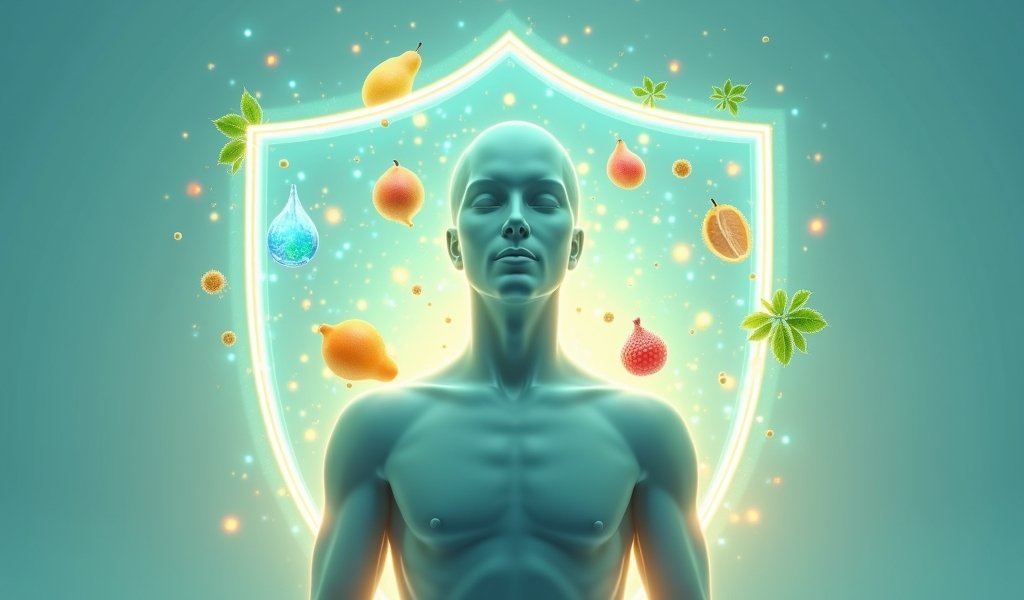
The most remarkable feature of active immunity is its impressive staying power. Unlike medications that work for hours or days, active immunity can protect you for years, decades, or even a lifetime.
This long-term protection stems from specialized memory B and T cells that remain in your body after the initial immune response. These vigilant defenders lie dormant but ready, like veteran soldiers stationed at outposts throughout your body. They require no conscious maintenance but stand prepared to rapidly multiply and launch a counter-offensive if they ever encounter their specific target pathogen again.
Consider measles immunity—after either recovering from the disease or receiving the recommended vaccine doses, most people develop protection that lasts their entire lives. Similarly, the tetanus vaccine offers robust protection, though boosters are recommended every ten years to maintain optimal immunity levels. This remarkable durability represents an incredible biological efficiency—once your immune system solves a particular pathogen puzzle, it saves the solution indefinitely.
Benefit 2: Rapid Memory Response
When your body first encounters a pathogen, the immune response takes time to develop—typically several days to a week. During this learning period, you often experience symptoms as the invader has time to multiply before your defenses fully mobilize.
The beauty of active immunity’s memory response is its remarkable speed upon subsequent exposures. If you encounter the same pathogen again, those specialized memory cells recognize the intruder immediately and trigger a rapid, powerful response. Your immune system produces antibodies much faster—often within hours rather than days—typically neutralizing the threat before you develop symptoms.
This accelerated response explains why conditions like chickenpox rarely strike twice. If the varicella virus tries to infect someone who has previously recovered from chickenpox, memory cells quickly dispatch antibodies that neutralize the virus before it can establish a foothold. It’s like having security guards who remember the face of every troublemaker they’ve previously escorted from the building—recognition is instant, and action is swift.
Benefit 3: Protection Against Variants
Pathogens, especially viruses, frequently mutate to produce variant strains. Fortunately, active immunity often provides at least partial protection against these variants, creating a broader shield than you might expect.
This cross-protection occurs because your immune system typically doesn’t recognize just one part of a pathogen—it identifies multiple components or “antigens.” Even if a virus or bacterium mutates in one area, your immune system may still recognize other unchanged parts, allowing for a faster, more effective response than would be possible without prior immunity.
We see this phenomenon with influenza vaccines, which provide some protection even when circulating strains don’t perfectly match vaccine components. Similarly, COVID-19 vaccination studies have shown that vaccines developed against earlier variants still offer significant protection against severe disease from newer variants, even if breakthrough infections become more common.
This adaptability shows the sophisticated pattern-recognition capabilities of our immune system—it doesn’t need an exact match to mount a defensive response, just enough familiar features to recognize the threat as similar to something it has encountered before.
Benefit 4: Reduced Disease Severity
Even when active immunity doesn’t completely prevent infection, it often significantly reduces an illness’s severity and duration. This benefit can mean the difference between mild discomfort and serious complications or even death.
The reduction in severity occurs because the primed immune system responds faster and more effectively, limiting how widely the pathogen can spread in your body. With fewer pathogens present, you experience milder symptoms and recover more quickly. It’s like catching a small kitchen fire with a fire extinguisher versus letting flames engulf an entire house—early intervention dramatically limits damage.
Research consistently demonstrates this effect. People who receive flu vaccines but still contract influenza typically experience shorter illness duration and significantly lower rates of hospitalization. Similarly, studies of COVID-19 vaccines have shown that vaccinated individuals who experience breakthrough infections typically have milder symptoms and dramatically lower rates of severe outcomes compared to unvaccinated individuals.
Benefit 5: Community Protection
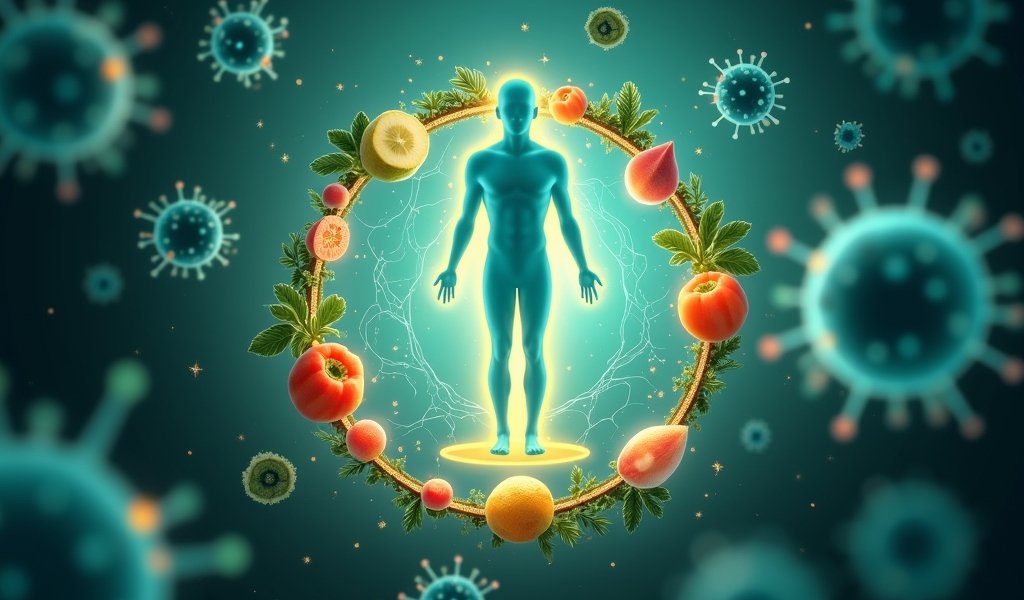
Active immunity doesn’t just benefit individuals—it creates protective ripple effects throughout entire communities through a phenomenon called “herd immunity” or “community immunity.”
When a sufficient percentage of a population develops immunity to a contagious disease, the pathogen struggles to find susceptible hosts, causing transmission chains to break down. This indirect protection shields vulnerable community members who cannot develop active immunity themselves, such as infants too young for certain vaccines, people with specific immune disorders, or those undergoing treatments that suppress immune function.
This community-level protection is particularly crucial for highly contagious diseases. For example, measles—one of the most contagious human viruses—requires approximately 95% immunity in a population to prevent outbreaks. When this threshold is maintained through widespread vaccination, even unvaccinated individuals benefit from reduced exposure risk.
It’s perhaps the most selfless benefit of active immunity—by protecting yourself, you simultaneously help construct an invisible shield around the most vulnerable members of society. As the World Health Organization notes, “Vaccines protect not only individuals but entire communities.”
How to Boost Your Active Immunity
While your immune system is remarkably sophisticated, several evidence-based strategies can help optimize its function:
Stay Up-to-Date with Vaccines
Vaccines safely stimulate active immunity without the risks of disease. Follow recommended vaccination schedules for yourself and your family members. The CDC provides clear guidelines for immunizations across all life stages.
Prioritize Quality Sleep
Research consistently shows that sleep deprivation impairs immune function. During sleep, your body produces and releases cytokines—proteins that target infection and inflammation. Aim for 7-9 hours of quality sleep nightly to support optimal immune function.
Manage Stress Effectively
Chronic stress elevates cortisol levels, which can suppress immune function. Regular meditation, deep breathing, or other stress-reduction techniques help maintain immune balance. Even brief daily mindfulness practices can make a significant difference in stress hormone levels.
Exercise Moderately and Regularly
Moderate physical activity improves immune surveillance and reduces inflammation. Aim for at least 150 minutes of moderate activity weekly, spread across multiple days. Research indicates that exercise increases the circulation of immune cells, enhancing their ability to detect and address potential threats.
Optimize Your Nutrition
Focus on a varied diet rich in fruits, vegetables, lean proteins, and healthy fats. Specific nutrients particularly important for immune function include:
- Vitamin C: Found in citrus fruits, bell peppers, strawberries, and broccoli
- Vitamin D: Obtained through fatty fish, fortified foods, and moderate sunlight exposure
- Zinc: Present in oysters, beef, pumpkin seeds, and legumes
- Selenium: Abundant in Brazil nuts, seafood, and whole grains
- Probiotics: Found in yogurt, kefir, and fermented foods
While supplements may help address specific deficiencies, research suggests that obtaining nutrients through whole foods typically provides better immune support due to the synergistic effects of consuming multiple nutrients together.
Limit Immunity Suppressors
Minimize alcohol consumption, avoid smoking, and maintain a healthy weight—all factors known to impair optimal immune function. Even moderate alcohol consumption can temporarily reduce immune cell activity, while smoking damages protective barriers in your respiratory system.
Conclusion
Active immunity stands as one of nature’s most elegant solutions to the persistent challenge of pathogen exposure. Its five key benefits—long-lasting protection, rapid memory response, variant coverage, reduced disease severity, and community protection—work together to keep both individuals and populations healthy.
By understanding and supporting your active immunity through vaccination and healthy lifestyle choices, you’re making a powerful investment in your long-term health. Your immune system works tirelessly to protect you; the least we can do is give it the support and recognition it deserves.
Remember that immunity isn’t just personal—it’s communal. The choices we make about vaccination and immune health ripple outward to affect those around us, especially the most vulnerable. In this way, active immunity represents not just biological brilliance but also an opportunity for collective care and responsibility.
Take a moment today to appreciate your incredible immune system and consider what steps you might take to optimize its function. Your future healthy self—and your community—will thank you.
Frequently Asked Questions
How long does active immunity last?
Active immunity duration varies by disease, ranging from several years to lifelong protection. For some diseases like measles, one infection or proper vaccination typically confers lifelong immunity, while others like tetanus require periodic boosters.
Can you develop active immunity without getting sick?
Yes, through vaccination you can develop active immunity without experiencing the disease. Vaccines contain weakened or inactivated pathogens (or parts of them) that trigger immune response without causing illness.
Is natural immunity better than vaccine-induced immunity?
Not necessarily, as natural immunity comes with the risks of disease complications or death. For many diseases, vaccine-induced immunity provides comparable protection without these dangers, and for some diseases like tetanus, vaccine immunity is actually more reliable.
Can active immunity fail?
Yes, active immunity isn’t always 100% effective. Factors like age, genetics, immune disorders, or pathogen mutations can reduce immunity effectiveness, which is why booster shots are recommended for some vaccines.
Is it possible to have too much immune stimulation?
No, your immune system handles thousands of antigens daily through normal environmental exposure. The antigens in vaccines represent just a tiny fraction of what your immune system routinely processes without issue.