

Overview
Turns out those “zero-calorie” foods aren’t actually zero calories, but they’re the nutritional equivalent of dating someone who costs more in therapy than they bring to the relationship. The article explores water-rich vegetables, leafy greens, herbs, spices, and certain beverages that have minimal caloric impact while providing maximum nutritional benefits, explaining how these foods can be incorporated into daily eating patterns to support weight management without feeling deprived.
Table of Contents
- Understanding Zero-Calorie Foods: What They Really Are
- The Science Behind Zero-Calorie Foods
- Water-Based Vegetables: Nature’s Zero-Calorie Wonders
- Leafy Greens: The Nutritional Powerhouses
- Herbs and Spices: Flavor Without the Calories
- Zero-Calorie Beverages That Keep You Hydrated
- Incorporating Zero-Calorie Foods Into Your Diet
- Conclusion
- Frequently Asked Questions
Understanding Zero-Calorie Foods: What They Really Are
When exploring what foods have zero calories, it’s important to understand that, technically speaking, almost all foods contain at least some calories. However, certain foods require more energy to digest than they provide, effectively creating a zero or negative caloric impact on your body. These “negative calorie” or “free foods” can be valuable allies in weight management journeys.
The concept is straightforward: when you consume foods that contain very few calories but require significant energy to digest, your body actually burns more calories processing them than they contribute. This creates a caloric deficit, which is the foundation of weight loss. Think of these foods as investments that pay dividends in your wellness account.
While no food literally contains zero calories, many vegetables, fruits, and herbs come remarkably close. They’re packed with water, fiber, and essential nutrients while being incredibly low in energy density. This makes them perfect for filling your plate without filling out your waistline.
The Science Behind Zero-Calorie Foods
The magic behind these minimal-calorie wonders lies in a concept called the thermic effect of food (TEF). This refers to the energy your body expends to digest, absorb, and process the nutrients in food. Some foods require almost as much energy to digest as they provide, creating what nutritionists call a “negligible caloric impact.”
For example, celery has long been touted as a negative-calorie food. With approximately 6 calories per stalk, but requiring substantial energy to break down its complex fibrous structure, research suggests that the net caloric gain from celery is minimal. Your body works harder processing it than the energy it receives.
The key characteristics of foods with negligible calories include:
- High water content (usually above 90%)
- Rich in dietary fiber
- Complex cellular structures requiring significant digestive effort
- Low in natural sugars and carbohydrates
- Minimal fat content
While the “negative calorie” effect may be somewhat exaggerated in popular culture, the practical benefit remains valid: these foods allow you to eat satisfying volumes without significantly impacting your daily caloric intake, creating a powerful tool for healthy weight management.
Water-Based Vegetables: Nature’s Zero-Calorie Wonders
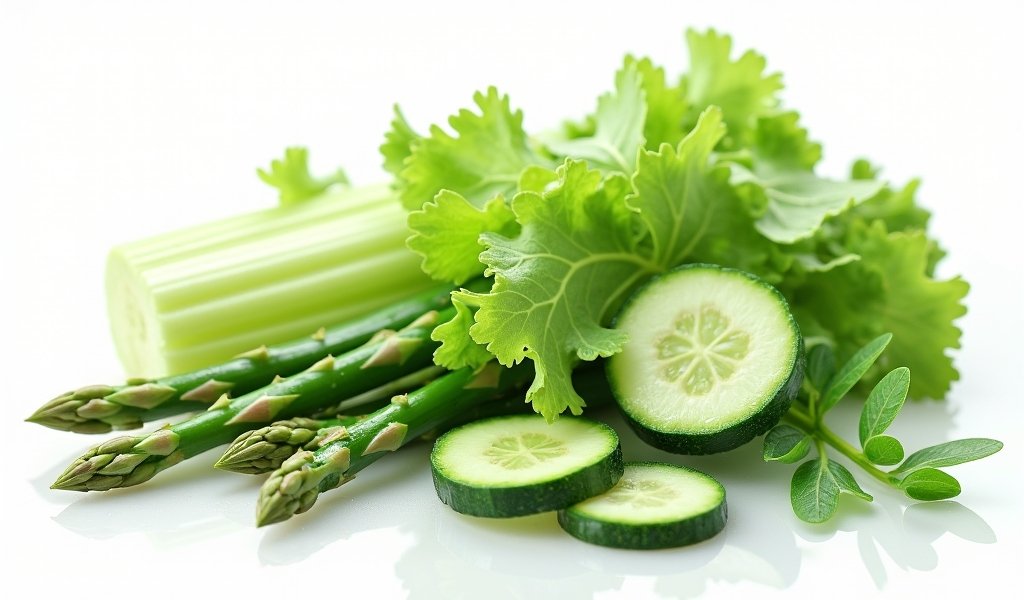
Water-based vegetables represent some of the closest examples to true zero-calorie foods. These crisp, refreshing vegetables are composed primarily of water (often more than 95%) and fiber, making them extraordinarily low in calories while providing impressive nutritional benefits.
Cucumber: The Hydrating Heavyweight
Cucumbers reign supreme in the water-content category at approximately 96% water. With just 16 calories per cup, they deliver refreshing crunch and surprising health benefits. They contain antioxidants that help reduce inflammation and contribute to skin health. Cucumbers make perfect snacks, salad bases, or refreshing additions to water.
Celery: The Quintessential “Negative Calorie” Food
Celery has earned its reputation as a dieter’s dream for good reason. With just 16 calories per cup and requiring substantial energy to digest its fibrous structure, it’s an excellent choice for mindful eating. Beyond its caloric profile, celery provides valuable nutrients like vitamin K, vitamin C, and potassium. The satisfying crunch also helps satisfy oral fixation and can reduce cravings for less nutritious crunchy snacks.
Zucchini: The Versatile Virtuoso
With approximately 20 calories per cup, zucchini offers remarkable versatility in the kitchen while keeping calories minimal. This summer squash provides a good source of vitamin C, potassium, and manganese. Its mild flavor makes it perfect for “vegetable swaps” in recipes – try spiralized zucchini noodles (zoodles) instead of pasta or sliced zucchini instead of higher-calorie sandwich bread.
These water-rich vegetables can form the foundation of a weight-management eating plan, allowing for satisfying volume without caloric density. As Harvard Health researchers note, focusing on these foods can significantly increase your nutrient intake while naturally reducing overall calories.
Leafy Greens: The Nutritional Powerhouses
Leafy greens represent another category of foods that come impressively close to zero calories while delivering extraordinary nutritional value. These verdant vegetables are among the most nutrient-dense foods on the planet, offering an exceptional array of vitamins, minerals, and phytonutrients for negligible caloric impact.
Spinach: The Muscle-Building Marvel
With just 7 calories per cup (raw), spinach offers an astonishing nutritional profile that includes iron, calcium, vitamins A, C, K, and powerful antioxidants like lutein. Its mild flavor makes it exceptionally versatile – add it to smoothies, use as a salad base, or wilt it into nearly any dish for a nutrient boost without caloric consequences.
Kale: The Crowned Superfood
Kale has earned its “superfood” status with approximately 33 calories per cup but delivering an extraordinary array of nutrients. With more vitamin C than an orange and more calcium than milk (per calorie), kale stands as a nutritional giant. Its slight bitterness can be mitigated by massaging with a touch of olive oil and lemon, creating a more palatable experience while maintaining its near-zero calorie status.
Lettuce Varieties: The Versatile Vehicles
Various lettuce types – from romaine to iceberg – provide volume and crunch for minimal calories (around 5-10 calories per cup). While iceberg offers less nutritional density than darker greens, it provides satisfying crunch and hydration. Romaine delivers more nutrition with vitamin A, folate, and vitamin K. These greens serve as perfect wraps, replacing higher-calorie tortillas or bread.
According to CDC nutrition guidelines, increasing consumption of these leafy greens correlates with reduced risk of numerous chronic conditions while supporting healthy weight management. They’re the definition of eating more while weighing less.
Incorporating these greens into your daily meals provides a foundation for satiety without caloric consequence. Try building meals around these foods, using them as the base that occupies the majority of your plate, then adding smaller portions of more calorie-dense ingredients for flavor and additional nutrition.
Herbs and Spices: Flavor Without the Calories
Perhaps the most underutilized secret weapons in the zero-calorie arsenal are herbs and spices. These flavor powerhouses transform bland dishes into culinary delights without adding meaningful calories. When wondering what foods have zero calories that can revolutionize your cooking, look no further than your spice rack.
Fresh Herbs: Nature’s Flavor Enhancers
Fresh herbs like basil, cilantro, mint, and parsley contain virtually no calories per serving (typically 1-5 calories per tablespoon) yet provide bright, distinctive flavors that eliminate the need for caloric dressings or sauces. Beyond flavor, they offer impressive health benefits – cilantro may help remove heavy metals from the body, while mint aids digestion.
Growing a small herb garden, even in a kitchen windowsill, provides an ongoing supply of these zero-calorie flavor enhancers. Fresh herbs bring maximum impact when added at the end of cooking or as garnishes, preserving their delicate flavors and nutritional properties.
Spices: Global Flavors with Health Benefits
Dried spices like cinnamon, turmeric, cumin, and paprika contain negligible calories while offering potent flavor and documented health benefits. Cinnamon helps regulate blood sugar, while turmeric contains curcumin, a powerful anti-inflammatory compound. Using spices in coffee or tea can transform ordinary beverages into functional wellness drinks.
The beauty of spices lies in their ability to create diverse flavor profiles from virtually the same base ingredients. The same chicken and vegetable dish can transport you to India with curry spices, Mexico with chili and cumin, or Italy with basil and oregano – all without adding meaningful calories.
As nutrition experts recommend, focusing on flavor from herbs and spices rather than added fats and sugars represents a sustainable approach to healthy eating that doesn’t feel like deprivation. These zero-calorie flavor enhancers ensure that health-conscious eating remains a pleasure rather than a punishment.
Zero-Calorie Beverages That Keep You Hydrated
When discussing what foods have zero calories, we shouldn’t overlook beverages, which can significantly impact daily caloric intake. Fortunately, several delicious options provide hydration and satisfaction without caloric consequences.
Water: The Ultimate Zero-Calorie Drink
Water stands as the gold standard of zero-calorie beverages. Beyond hydration, proper water intake supports metabolism, digestion, skin health, and cognitive function. For those who find plain water boring, consider infusing it with cucumber slices, berries, or citrus for flavor without calories.
Timing your water intake strategically can also support weight management. Drinking a full glass before meals creates a sense of fullness that may prevent overeating, while maintaining hydration throughout the day helps prevent hunger-thirst confusion (when your body signals hunger when actually needing hydration).
Herbal Teas: Flavorful Hydration with Benefits
Herbal teas offer variety and functional benefits without calories (when unsweetened). Options like peppermint can aid digestion, chamomile promotes relaxation, and hibiscus may support heart health. Hot or iced, these beverages provide satisfaction and may help replace higher-calorie habits like evening snacking.
Creating a tea ritual—perhaps an afternoon break or evening wind-down—provides pleasure and mindfulness without calories. The warming sensation of hot tea can be particularly satisfying and satiating during colder months or for those trying to reduce snacking behaviors.
Black Coffee: The Metabolic Booster
Black coffee contains virtually no calories while offering potential metabolic benefits. The caffeine in coffee can temporarily increase metabolic rate and enhance fat oxidation during exercise. Studies suggest that moderate coffee consumption may support long-term weight management efforts when part of an overall healthy lifestyle.
For those who can’t take their coffee black, consider weaning off sweeteners gradually or using zero-calorie flavoring like cinnamon or vanilla extract. Alternatively, a tiny pinch of salt can reduce coffee’s bitterness without adding calories or sweetness.
As noted by USDA nutrition researchers, liquid calories are among the easiest to eliminate from diets without feeling deprived. Making these zero-calorie beverages your default choices can significantly impact overall caloric intake while potentially improving health markers.
Incorporating Zero-Calorie Foods Into Your Diet
Knowledge about what foods have zero calories is only valuable when put into practical use. Creating sustainable eating patterns that emphasize these foods can transform your relationship with food and your body. Here are strategic approaches to making these foods central to your eating pattern.
The Volume Eating Strategy
Volume eating focuses on food quantity rather than restriction. By filling your plate with zero and low-calorie foods first, you naturally create satisfying meals that don’t exceed calorie goals. Try starting each meal with a broth-based vegetable soup or large salad to initiate satiety before moving to more calorie-dense options.
A practical approach is the “half-plate” rule: fill at least half your plate with non-starchy vegetables before adding other components. This simple visual cue ensures that zero-calorie foods form the foundation of your meals without requiring strict measuring or tracking.
Smart Swaps and Substitutions
Identifying high-impact substitutions can dramatically reduce calories without sacrificing satisfaction. Use lettuce wraps instead of tortillas, spiralized zucchini instead of pasta, or cauliflower rice instead of regular rice. These swaps maintain the essence of favorite dishes while significantly reducing caloric impact.
The key to successful substitutions is managing expectations. These alternatives don’t need to be “just as good” as the original—they should be appreciated as delicious in their own right. This mindset shift helps prevent feelings of deprivation or disappointment.
Mindful Preparation Techniques
How you prepare zero-calorie foods significantly impacts their palatability and your enjoyment. Roasting vegetables caramelizes their natural sugars, creating depth of flavor without added calories. Quick-pickling adds tangy dimension to vegetables like cucumbers and radishes, making them more interesting and craveable.
Investing in tools like a good vegetable spiralizer, mandoline slicer, or air fryer can transform how you experience these foods. Creative preparation turns “diet foods” into culinary experiences worth looking forward to.
Remember that consistency trumps perfection. As health psychologists emphasize, sustainable changes happen through small, consistent adjustments rather than dramatic overhauls. Gradually increasing your reliance on zero-calorie foods creates lasting change without triggering the psychological resistance that often accompanies restrictive approaches.
Conclusion
When exploring what foods have zero calories, we discover it’s less about finding foods with literally zero energy and more about leveraging foods with minimal caloric impact to create satisfying, nutritious eating patterns. Water-rich vegetables, leafy greens, herbs, spices, and certain beverages form a powerful arsenal of options that support weight management while enhancing overall health.
The beauty of these foods lies not just in their minimal caloric impact but in their nutritional density. They deliver essential vitamins, minerals, antioxidants, and phytonutrients that support bodily functions and help prevent chronic disease. By centering your diet around these options, you’re not just reducing calories—you’re actively nourishing your body.
Rather than viewing these foods as diet restrictions, consider them liberating choices that allow you to eat abundantly without caloric consequence. They form the foundation of sustainable eating patterns that don’t rely on willpower or deprivation but instead focus on enjoyment and satisfaction.
The journey toward healthier eating isn’t about counting every calorie but about making informed choices that naturally create the caloric balance your body needs. By embracing these nearly zero-calorie options and finding delicious ways to make them central to your meals, you create a sustainable approach to nutrition that supports both health and pleasure.
Frequently Asked Questions
Is there any food that truly has zero calories?
No food contains absolutely zero calories, but some foods require nearly as much energy to digest as they provide. Water is the only true zero-calorie consumable substance.
Will eating negative-calorie foods help me lose weight quickly?
While these foods support weight management, no single food creates significant weight loss alone. They work best as part of a balanced diet and regular physical activity.
How many low-calorie vegetables should I eat daily for weight loss?
Aim for at least 2-3 cups of non-starchy vegetables daily, with more being beneficial. Focus on variety to ensure diverse nutrient intake.
Can I eat unlimited amounts of zero-calorie foods?
While theoretically possible, extremely large volumes may cause digestive discomfort. Focus on reasonable portions that satisfy hunger without discomfort.
Are artificial sweeteners better than sugar for weight loss?
Research shows mixed results regarding artificial sweeteners and weight management. Natural flavor enhancers like cinnamon or vanilla extract might be healthier alternatives for many people.