
Overview
Turns out that excruciating pain in your side might not be kidney stones after all, but rather one of seven convincing imposters including UTIs, appendicitis, muscle strain, gynecological conditions, gastrointestinal issues, abdominal aortic aneurysm, or kidney infection. The article explains how to distinguish between these conditions based on their unique symptom patterns, emphasizing the importance of seeking proper medical evaluation rather than self-diagnosing when severe pain strikes.
Table of Contents
- Understanding Kidney Stone Pain
- Urinary Tract Infections (UTIs): The Common Impostor
- Appendicitis: The Dangerous Mimic
- Muscle Strain: Don’t Overlook the Simple Explanation
- Gynecological Conditions: Female-Specific Imitators
- Gastrointestinal Issues: Digestive Dilemmas
- Abdominal Aortic Aneurysm: A Serious Impersonator
- Kidney Infection: The Close Cousin
- Pain Management Strategies
- When to Seek Medical Help
- Conclusion
- Frequently Asked Questions
Understanding Kidney Stone Pain
Have you ever experienced sharp, stabbing pain in your side that leaves you doubled over and desperate for relief? If so, you might have assumed it was kidney stones—notorious for causing some of the most excruciating pain humans can experience. But what if I told you that several other health conditions can perfectly mimic what can mimic kidney stone pain, leading to confusion, misdiagnosis, and delayed treatment?
As a medical professional who’s evaluated thousands of patients with flank pain, I’ve seen firsthand how these “kidney stone imposters” can fool even experienced clinicians. Classic kidney stone pain typically presents as severe, cramping pain that starts in the back and side, then shifts to the lower abdomen and groin as stones move through the urinary tract. This signature pain often comes in waves, accompanied by nausea, vomiting, and painful urination.
Understanding the conditions that mimic kidney stone pain isn’t just academic—it’s practical information that could save you unnecessary worry, inappropriate treatments, or missed diagnoses of potentially serious conditions. Let’s unmask the seven most common kidney stone pain imitators and learn how to tell them apart.
Urinary Tract Infections (UTIs): The Common Impostor
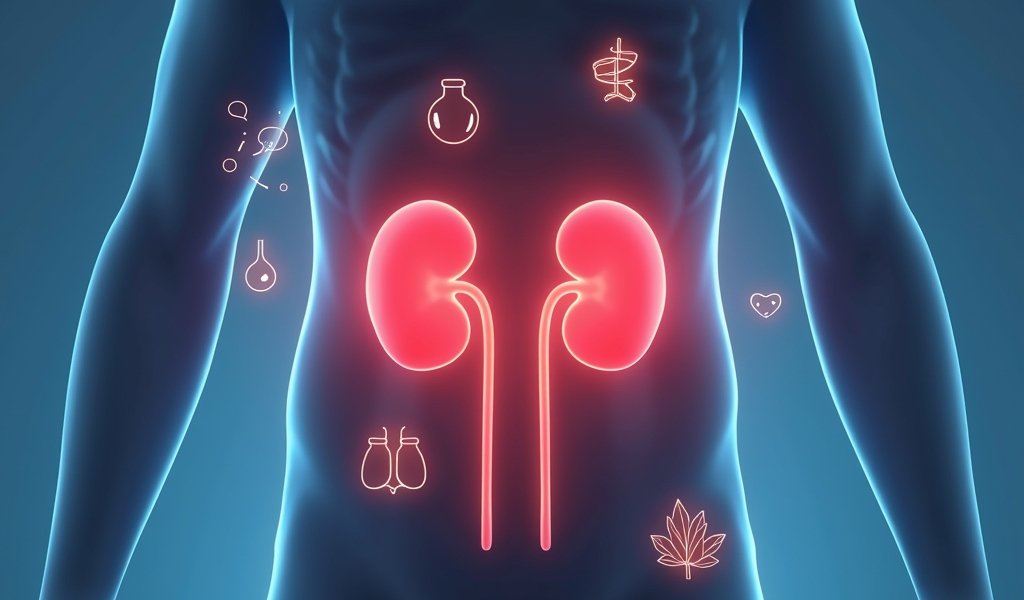
UTIs and kidney stones often get mistaken for each other because they share the same uncomfortable neighborhood—your urinary system. Their symptom overlap makes them frequent partners in diagnostic confusion.
Overlapping Symptoms
- Painful urination (dysuria)
- Frequent urges to urinate
- Lower abdominal discomfort
- Blood in urine (hematuria)
However, UTIs typically announce their presence with distinctive calling cards: cloudy or strong-smelling urine, a persistent urge to urinate even when your bladder feels empty, and sometimes low-grade fever. The pain of a UTI tends to be more constant and burning in nature, particularly during urination, rather than the intermittent, excruciating waves of kidney stone pain.
When your symptoms include a burning sensation during urination, frequent bathroom trips with little relief, and pain that’s more generalized rather than the sharp, localized agony of kidney stones, you’re likely dealing with a UTI. Research shows that UTIs affect approximately 150 million people worldwide each year, making them far more common than kidney stones.
Appendicitis: The Dangerous Mimic
That small, seemingly useless organ can create quite a dramatic performance when inflamed, with symptoms eerily similar to kidney stones. The diagnostic challenge here can sometimes lead to dangerous delays in treatment.
Location and Pain Progression
Appendicitis pain typically begins around the navel and migrates to the lower right abdomen, where it intensifies and becomes more focused. This journey of pain can easily be confused with the way kidney stone pain may radiate from the flank to the lower abdomen.
The key differentiating factors include fever (rarely significant with kidney stones but common with appendicitis), loss of appetite, and pain that worsens with movement, coughing, or walking. Both conditions can cause severe pain that makes you want to curl into a ball, but appendicitis pain typically stays put in the lower right abdomen, while kidney stone pain shifts as the stone moves through the urinary tract.
According to Mayo Clinic experts, if you experience pain that starts around your navel and shifts to your lower right abdomen, along with nausea and fever, seek immediate medical attention—appendicitis requires prompt surgical intervention.
Muscle Strain: Don’t Overlook the Simple Explanation
Sometimes the simplest explanation is correct. That intense flank pain might not be a kidney stone at all—it could just be your body’s protest against yesterday’s enthusiastic gardening session or that new workout routine.
Why Muscle Pain Gets Mistaken for Kidney Stones
Back and flank muscle strains can create intense, localized pain that perfectly mimics kidney stones. Both can cause sharp discomfort that worsens with certain movements and may even cause referred pain to other areas.
The telltale signs that you’re dealing with muscle pain include:
- Pain that responds to position changes
- Discomfort that improves with rest
- Tenderness when pressing on the affected area
- Pain that appeared after physical activity
If your pain showed up after lifting heavy objects, an intense workout, or unusual physical activity, and improves with rest, heat, or anti-inflammatory medications, you’re likely dealing with a muscular issue rather than a kidney stone.
Gynecological Conditions: Female-Specific Imitators
Ladies, your reproductive system sometimes creates pain patterns that can be easily confused with kidney stone symptoms, adding another layer of diagnostic complexity.
Ovarian Cysts
These fluid-filled sacs can develop on the ovaries and, when large or ruptured, create sudden, intense pain on one side of the lower abdomen—remarkably similar to kidney stone pain. The difference? Ovarian cyst pain often correlates with the menstrual cycle and may be accompanied by bloating, painful intercourse, or unusual menstrual bleeding.
Pelvic Inflammatory Disease (PID)
This infection of the female reproductive organs causes pain similar to kidney stones but usually brings additional symptoms like abnormal vaginal discharge, irregular menstrual bleeding, and pain during intercourse.
Endometriosis
Endometriosis—where uterine tissue grows outside the uterus—can cause severe, cyclical pain that may radiate to the back or flank. Unlike kidney stones, endometriosis pain often intensifies during menstruation and may improve with hormonal treatments.
Research from the Office on Women’s Health indicates that chronic pelvic pain affects approximately 15% of women of childbearing age, making gynecological conditions important considerations when evaluating flank pain in female patients.
Gastrointestinal Issues: Digestive Dilemmas
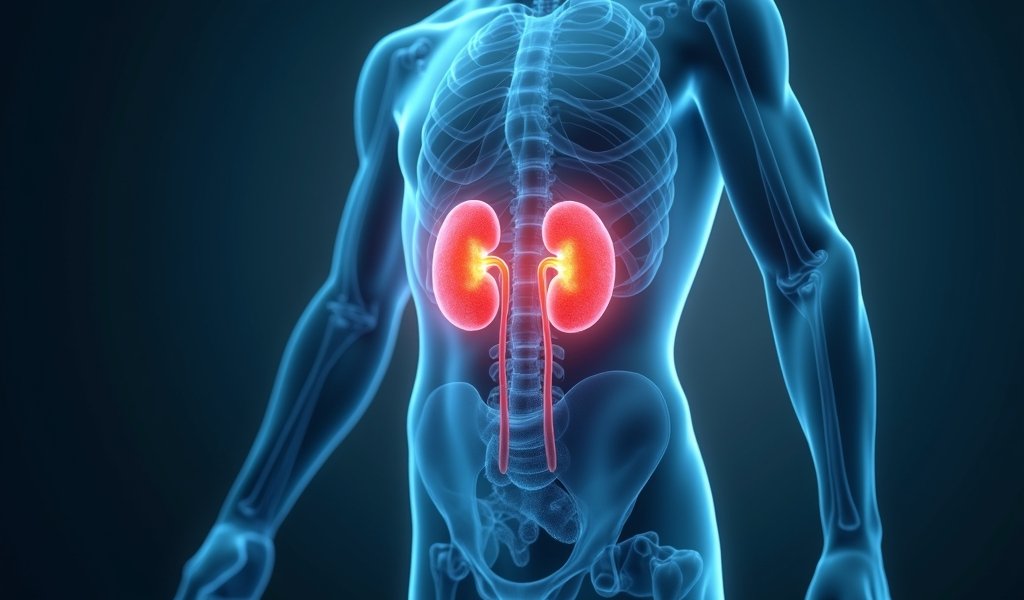
Your digestive system has an impressive talent for creating pain that can convincingly impersonate kidney stone discomfort. These gastrointestinal conditions often create confusion in the diagnostic process.
Irritable Bowel Syndrome (IBS)
This common digestive disorder causes cramping abdominal pain, often in the lower abdomen, which might be mistaken for kidney stone pain. The key differences? IBS pain typically improves after bowel movements and is accompanied by changes in stool consistency or frequency. Many IBS patients report that their symptoms worsen during periods of stress—a pattern not typically seen with kidney stones.
Inflammatory Bowel Disease (IBD)
Conditions like Crohn’s disease and ulcerative colitis can cause abdominal pain that radiates to the back or flank. However, IBD usually brings additional symptoms like persistent diarrhea, rectal bleeding, weight loss, and fatigue—symptoms not typically associated with kidney stones.
Diverticulitis
When small pouches in your digestive tract become inflamed or infected, the resulting pain—often focused in the lower left abdomen—can be intense enough to rival kidney stones. Diverticulitis usually announces itself with additional symptoms like fever, nausea, marked changes in bowel habits, and tenderness in the affected area.
According to research from the National Institute of Diabetes and Digestive and Kidney Diseases, IBS affects between 10-15% of adults in the United States, making it a common cause of abdominal pain that might be confused with kidney stones.
Abdominal Aortic Aneurysm: A Serious Impersonator
Now we’re entering the territory of “mimickers that demand immediate attention.” An abdominal aortic aneurysm (AAA)—a bulge in the main artery carrying blood from your heart—can create pain easily confused with kidney stones, but with potentially life-threatening implications.
Why This Serious Condition Can Present Similarly
An AAA can cause severe, constant pain in the abdomen or back that may mimic kidney stone pain. The critical difference? This pain typically doesn’t fluctuate or come in waves like kidney stone pain and doesn’t change with urination. It’s generally more constant and may be accompanied by a pulsing sensation in the abdomen.
Risk Factors to Consider
AAAs are more common in:
- Men over 60
- Smokers
- Those with a family history of aneurysms
- People with high blood pressure or high cholesterol
If you experience sudden, severe abdominal or back pain accompanied by dizziness, rapid heart rate, or loss of consciousness—especially if you fall into a high-risk category—seek emergency medical care immediately. This is not a “wait and see” situation.
Kidney Infection: The Close Cousin
Like relatives from the same troubled family, kidney stones and kidney infections (pyelonephritis) share genetic material and can be difficult to distinguish without medical testing.
The Relationship Between Stones and Infections
In an ironic twist, kidney stones can actually cause kidney infections by blocking the flow of urine and creating a breeding ground for bacteria. Conversely, chronic infections can contribute to stone formation, creating a chicken-or-egg diagnostic dilemma that sometimes confuses both patients and clinicians.
Distinguishing Symptoms
While both conditions cause flank pain and urinary symptoms, kidney infections typically bring a higher fever, more pronounced chills, and general malaise that makes you feel like you’ve been hit by a truck. The pain of a kidney infection is usually constant rather than the characteristic waves of agony produced by a moving kidney stone.
Unlike kidney stones, which are painful but rarely dangerous, untreated kidney infections can lead to permanent kidney damage or life-threatening sepsis. This makes accurate differentiation between these conditions crucial for appropriate treatment.
Pain Management Strategies
While awaiting diagnosis or medical care, several approaches can help manage pain regardless of its underlying cause:
General Pain Relief
- Stay well-hydrated (unless contraindicated by your specific condition)
- Rest in a position that minimizes discomfort
- Practice relaxation techniques like deep breathing or meditation
- Apply heat or cold therapy appropriately
Over-the-Counter Options
- Non-steroidal anti-inflammatory drugs (NSAIDs) like ibuprofen can help with pain and inflammation
- Acetaminophen may be appropriate when NSAIDs are contraindicated
- Remember that these medications offer temporary symptom relief but don’t address underlying causes
For kidney stone pain specifically, doctors often recommend drinking plenty of water to help pass the stone and taking pain relievers as needed. Some patients find relief by alternating heat and cold therapy on the affected area.
When to Seek Medical Help
When pain speaks, it’s wise to listen—especially when it shouts. Certain symptoms should prompt immediate medical evaluation:
Red Flag Symptoms
- Severe, unrelenting pain not relieved by over-the-counter medication
- Pain accompanied by high fever (over 101.5°F or 38.6°C)
- Vomiting that prevents keeping down liquids for more than 6-8 hours
- Blood in urine or stool
- Difficulty breathing or rapid heart rate
- Confusion or extreme lethargy
Diagnostic Tests That Help Differentiate
Modern medicine offers several tools to distinguish between these lookalike conditions:
- Urinalysis can detect signs of infection, blood, or minerals associated with stones
- Imaging studies (CT scans, ultrasounds) can visualize stones, inflammation, or structural abnormalities
- Blood tests help assess kidney function and detect signs of infection or inflammation
When you see your healthcare provider, be prepared to describe your pain in detail: when it started, its exact location, whether it moves, what makes it better or worse, any associated symptoms, and relevant personal or family medical history. This information is invaluable for accurate diagnosis.
Conclusion
As we’ve explored, the road to accurate diagnosis when experiencing severe flank or abdominal pain can be winding and filled with misleading signposts. The human body has a limited repertoire of ways to signal distress, which explains why so many different conditions can create similar pain patterns that mimic kidney stone pain.
From common culprits like UTIs and muscle strains to more serious conditions like appendicitis and abdominal aortic aneurysms, these imposters can delay proper treatment if misdiagnosed. For women, gynecological conditions add another layer of complexity to the diagnostic puzzle.
The most important takeaway? Don’t self-diagnose when severe pain strikes. While this guide can help you understand possible causes of your discomfort and ask the right questions, only proper medical evaluation can determine whether you’re dealing with kidney stones or one of their many convincing imitators.
Remember, informed patients make better health decisions. By understanding what can mimic kidney stone pain, you’re better equipped to communicate effectively with healthcare providers and receive appropriate care when pain strikes. Your body’s pain signals deserve to be correctly interpreted, not lost in translation.
Frequently Asked Questions
Can constipation pain mimic kidney stones?
Yes, severe constipation can cause significant abdominal and back pain that may be confused with kidney stone pain. The key difference is that constipation pain typically improves with bowel movements and is associated with infrequent or difficult bowel movements.
How can I tell if my back pain is from kidney stones or muscle strain?
Kidney stone pain typically comes in waves, may radiate to the groin, and is often accompanied by urinary symptoms like frequent urination or blood in urine. Muscle strain pain usually worsens with movement, improves with rest, and may have begun after physical activity.
Can stress cause symptoms that feel like kidney stones?
Stress can cause muscle tension and spasms that may create back and flank pain similar to kidney stones. However, stress-related pain typically doesn’t include the urinary symptoms or nausea and vomiting often seen with kidney stones.
Is kidney stone pain always severe?
No, not all kidney stones cause severe pain. Small stones that don’t block urine flow may cause minimal discomfort or no symptoms at all as they pass through the urinary tract.
Can gallbladder problems be mistaken for kidney stones?
Yes, gallstones and gallbladder inflammation can cause upper abdominal and back pain that may be confused with kidney stone pain. Gallbladder pain is typically on the right side, often triggered by fatty meals, and may be accompanied by nausea and vomiting.