

Overview
Who knew balancing the seven dimensions of wellness could be easier than balancing on a unicycle after three glasses of wine? This article details a holistic approach to health through the “wellness wheel” model, explaining how physical, emotional, intellectual, social, spiritual, occupational, and environmental wellness interconnect, with practical strategies for assessing and improving each dimension through consistent small changes rather than dramatic overhauls.
Table of Contents
- Understanding the Wellness Wheel: A Holistic Approach to Health
- The Seven Dimensions of the Wellness Wheel Explained
- Secret #1: Balance is Everything – How to Equilibrate Your Wellness Wheel
- Secret #2: Regular Self-Assessment Leads to Greater Progress
- Secret #3: Physical Wellness as Your Foundation
- Secret #4: Emotional Wellness – The Often Overlooked Dimension
- Secret #5: Social Connections Boost Overall Health
- Secret #6: Occupational Fulfillment for Life Satisfaction
- Secret #7: Spiritual Practice for Inner Peace and Resilience
- Integrating the Wellness Wheel into Your Daily Life
- Conclusion
- Frequently Asked Questions
Understanding the Wellness Wheel: A Holistic Approach to Health
When we think about fitness, our minds often jump straight to treadmills and dumbbells. But true wellness extends far beyond the physical realm. The wellness wheel offers a comprehensive framework that helps us visualize and balance the multiple dimensions of our health. As a health professional who’s guided hundreds of clients toward optimal well-being, I’ve seen firsthand how this holistic approach transforms lives.
The wellness wheel isn’t just another health fad – it’s a time-tested model supported by research from institutions like the National Wellness Institute. It recognizes that our health is multifaceted, with each dimension influencing and supporting the others. When one area suffers, the entire system feels the impact.
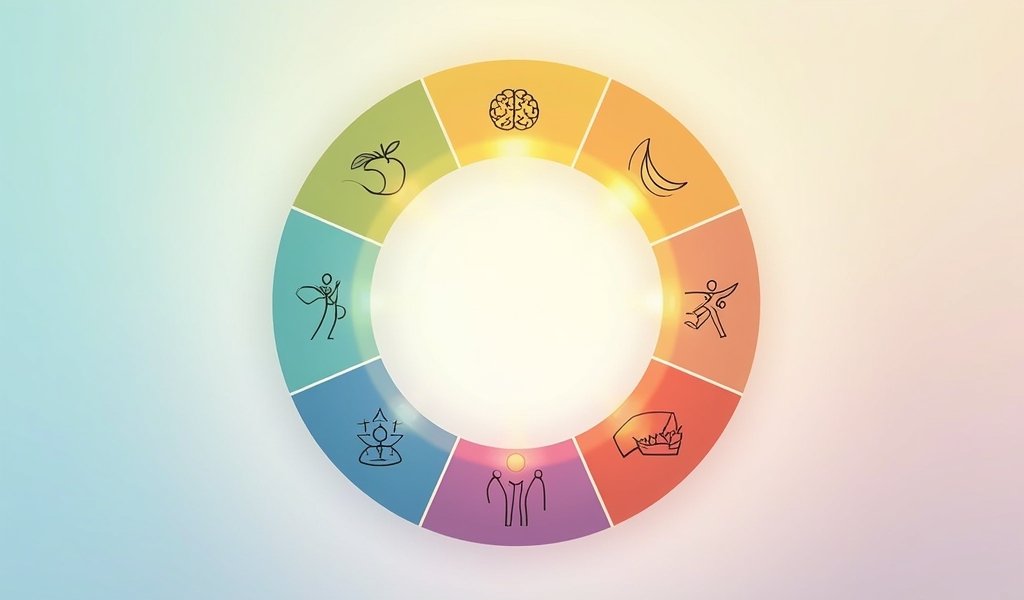
Think of the wellness wheel as your personal health dashboard. Each section represents a vital aspect of your overall well-being – physical, emotional, intellectual, social, spiritual, occupational, and environmental dimensions. The beauty of this model is its personalization; your wheel will look different from everyone else’s because your needs and priorities are uniquely yours.
In the following sections, I’ll reveal seven proven secrets to optimize your wellness wheel for truly comprehensive fitness. These insights come from both scientific research and my professional experience helping clients achieve balance and vitality. Ready to discover how small, strategic adjustments across all wellness dimensions can create remarkable improvements in your quality of life? Let’s begin.
The Seven Dimensions of the Wellness Wheel Explained
Before diving into our proven secrets, let’s briefly explore each dimension of the wellness wheel. Understanding these components of health provides the foundation for meaningful improvement.
Physical Wellness: This involves caring for your body through exercise, nutrition, sleep, and preventive healthcare. It’s what most people think of when discussing “fitness,” but it’s just one piece of the puzzle.
Emotional Wellness: This dimension encompasses your ability to understand, express, and manage your feelings in healthy ways. Emotional resilience allows you to cope with life’s inevitable challenges without becoming overwhelmed.
Intellectual Wellness: Keeping your mind sharp through continuous learning, critical thinking, and creative endeavors falls into this category. A curious, engaged mind contributes significantly to overall well-being.
Social Wellness: Humans are inherently social creatures. This dimension involves building and maintaining meaningful connections with others – from close friendships to community involvement.
Spiritual Wellness: Whether through organized religion, personal meditation, or connection with nature, spiritual wellness involves finding meaning and purpose beyond yourself. It’s about your values and beliefs that guide your actions.
Occupational Wellness: Finding satisfaction, meaning, and balance in your work life constitutes this dimension. It’s about more than just earning money – it’s about using your skills in fulfilling ways.
Environmental Wellness: This dimension involves your relationship with your surroundings – from your immediate living space to the planet. It includes creating healthy, sustainable environments that support your well-being.
Research from the Centers for Disease Control and Prevention confirms that these dimensions don’t exist in isolation. They constantly interact and influence each other, creating a dynamic system that reflects your overall health. Now, let’s explore how to optimize each area.

Secret #1: Balance is Everything – How to Equilibrate Your Wellness Wheel
The first and perhaps most crucial secret to mastering the wellness wheel is understanding that balance doesn’t mean perfection in every area. Instead, it’s about creating harmony between dimensions that works for your unique situation. I’ve seen clients exhaust themselves trying to achieve “10/10” in every category, only to burn out completely.
Think of your wellness wheel like a bicycle wheel. If one section is significantly deflated (or overinflated), the entire wheel wobbles, making your journey more difficult. The goal isn’t perfect roundness but functional balance that allows smooth movement through life.
So how do you find this elusive balance? Start with an honest assessment. Rate each dimension of your wellness wheel on a scale of 1-10. Don’t judge yourself – this is simply information gathering. Notice which areas are thriving and which need attention.
Next, resist the temptation to tackle everything at once. Choose one or two dimensions that feel most out of balance and focus there first. Small, consistent improvements are far more sustainable than dramatic overhauls.
Remember that balance is dynamic, not static. Life circumstances change, and your wellness needs will shift accordingly. During intense work periods, your occupational wellness might take precedence. During recovery from illness, physical wellness naturally becomes a priority. This flexibility is healthy and necessary.
Research published in the Journal of Health Psychology confirms that balance across wellness dimensions predicts higher life satisfaction than excellence in just one or two areas. In my practice, I’ve found that clients who embrace this balanced approach report greater sustainability in their health habits.
Secret #2: Regular Self-Assessment Leads to Greater Progress
The second secret to optimizing your wellness wheel involves creating a consistent feedback loop through regular self-assessment. Without measurement, improvement becomes guesswork. Many of us intuitively know when we’re thriving or struggling, but quantifying these feelings provides powerful insights.
I recommend implementing a monthly wellness wheel check-in. Set aside 15-20 minutes at the beginning or end of each month to score yourself in each dimension and reflect on changes since your last assessment. This practice alone increases self-awareness dramatically.
Here’s a simple assessment process that works wonders for my clients:
- Rate each dimension on a 1-10 scale
- Write one sentence about what’s working well in each area
- Note one specific improvement opportunity for each dimension
- Compare to your previous assessment to identify patterns
- Choose 2-3 specific actions for the coming month
The magic happens when you track these assessments over time. You’ll begin noticing connections between dimensions – perhaps how your physical wellness scores tend to dip when your social wellness is thriving, or how improvements in spiritual wellness correlate with emotional resilience during challenging periods.
Dr. Martin Seligman, founder of positive psychology, emphasizes that self-assessment is crucial for sustainable well-being. It transforms vague goals like “get healthier” into specific, measurable objectives that you can actually achieve.
Don’t worry about perfect accuracy in your ratings. The value lies in consistent reflection rather than precision. The insights gained through regular assessment allow you to make intelligent adjustments to your wellness strategy, creating a virtuous cycle of awareness and improvement.
Secret #3: Physical Wellness as Your Foundation
While all dimensions of the wellness wheel matter, physical wellness deserves special attention as it often forms the foundation for other aspects of health. When our bodies function optimally, we have the energy and capacity to nurture the remaining dimensions. This isn’t about aesthetic goals or athletic achievements – it’s about creating the physical foundation that supports your entire life.
The beauty of focusing on physical wellness is that improvements here tend to create positive ripple effects throughout your wellness wheel. Better sleep enhances emotional regulation. Consistent exercise boosts cognitive function. Proper nutrition supports immune function and mood stability.
But here’s where many go wrong: they approach physical wellness with an all-or-nothing mentality. Research from the National Institutes of Health shows that even modest improvements in physical activity yield significant health benefits. You don’t need to become a marathon runner or nutrition expert to transform your physical wellness.
Instead, focus on these foundational habits:
- Movement consistency (any activity) over exercise intensity
- Sleep quality and consistency rather than just duration
- Hydration throughout the day
- Incorporating more whole foods gradually rather than restrictive dieting
- Regular preventive healthcare check-ups
One client, a busy executive named James, transformed his wellness wheel by starting with just 10 minutes of morning stretching and ensuring 7 hours of sleep. These modest physical wellness improvements gave him the energy to address other dimensions that had been neglected. Within six months, his entire wellness wheel showed remarkable improvement.
Remember, physical wellness isn’t about perfection. It’s about building a strong foundation through consistent, sustainable habits that energize rather than deplete you. This creates the capacity to nurture the other wellness dimensions from a place of physical strength and vitality.
Secret #4: Emotional Wellness – The Often Overlooked Dimension
Emotional wellness might be the most frequently neglected dimension of the wellness wheel, yet its impact on our overall health is profound. In my years of practice, I’ve observed that clients who prioritize emotional well-being experience faster progress in all other dimensions. Emotional wellness isn’t about being happy all the time – it’s about developing a healthy relationship with your full spectrum of emotions.
The interdependence of wellness components becomes particularly evident when examining emotional health. Poor emotional regulation can sabotage physical wellness through stress hormones, disrupt social connections, and diminish occupational performance.
Developing emotional wellness involves three key skills:
- Emotional awareness – recognizing and naming what you’re feeling
- Emotional acceptance – allowing emotions without judgment
- Emotional regulation – responding to feelings in healthy ways
Small daily practices can significantly improve emotional wellness. Try a 3-minute “emotion check-in” where you pause to identify what you’re feeling without trying to change it. This simple awareness practice builds the foundation for emotional intelligence.
Another powerful tool is the emotions journal. Spending just five minutes at day’s end writing about significant emotions experienced helps process feelings and identify patterns. One client, Sarah, discovered through journaling that her anxiety consistently spiked after scrolling social media, leading to a simple boundary that dramatically improved her emotional wellness.
Research published in Clinical Psychology Review confirms that emotional regulation skills predict better physical health outcomes, stronger relationships, and greater career success. These findings reinforce what I’ve observed in practice: emotional wellness isn’t a luxury—it’s essential infrastructure for your entire wellness wheel.
Remember that seeking professional support for emotional wellness is a sign of strength, not weakness. Just as you might work with a personal trainer for physical fitness, a therapist can provide expert guidance for emotional fitness.
Secret #5: Social Connections Boost Overall Health
The fifth secret to optimizing your wellness wheel might surprise you: meaningful social connections are as vital to your health as exercise and nutrition. In fact, research from Harvard University’s landmark longevity study found that the quality of our relationships is the strongest predictor of health and happiness throughout life.
Social wellness doesn’t necessarily mean being extroverted or having a large circle of friends. Instead, it’s about cultivating meaningful connections that provide mutual support, understanding, and enjoyment. For some, this might mean a few deep relationships; for others, a wider community involvement.
In our digital age, it’s easy to confuse social media interactions with genuine connection. While online communities can provide value, research shows that in-person interactions trigger neurological responses that virtual connections simply cannot replicate. Even brief face-to-face interactions can significantly boost your mood and immune function.
Here are practical strategies to enhance your social wellness:
- Schedule regular check-ins with people who matter most
- Join groups aligned with your interests (book clubs, sports teams, volunteer organizations)
- Practice active listening in conversations
- Express appreciation specifically and regularly to strengthen bonds
- Set boundaries with relationships that consistently drain your energy
One particularly powerful approach is “connection stacking” – combining social wellness with another dimension. For example, walking with a friend (physical + social), discussing inspiring books (intellectual + social), or volunteering for a cause you believe in (spiritual + social).
Remember that quality matters more than quantity. One client, Michael, transformed his wellness wheel by focusing less on expanding his network and more on deepening three key friendships. The resulting sense of connection rippled positively through his emotional and physical wellness dimensions.
If social wellness feels challenging, start small. Even brief authentic interactions can begin shifting this dimension of your wellness wheel in a positive direction.
Secret #6: Occupational Fulfillment for Life Satisfaction
Considering we spend roughly one-third of our adult lives working, occupational wellness profoundly impacts our overall health. Yet many view work solely as a means to an end rather than a potential source of fulfillment and growth. The sixth secret to optimizing your wellness wheel involves reimagining your relationship with work.
Occupational wellness isn’t about having a prestigious title or high salary. Rather, it’s about finding meaning, using your strengths, and maintaining a healthy work-life integration. Even in less-than-ideal job situations, you can take steps to improve this dimension of your wellness wheel.
Start by identifying your core work values. Do you prioritize creativity, helping others, intellectual challenge, autonomy, or stability? Understanding what genuinely matters to you provides a compass for occupational decisions. One client discovered that autonomy was her core work value, leading her to negotiate a flexible schedule that dramatically improved her job satisfaction.
Research from the field of positive psychology shows that using your signature strengths in your work significantly increases job satisfaction. Take the VIA Character Strengths assessment (free online) to identify your unique strengths, then look for ways to incorporate them more often in your current role.
Here are practical strategies to enhance occupational wellness:
- Create clear boundaries between work and personal life
- Seek opportunities to learn and develop new skills
- Build supportive relationships with colleagues
- Find purpose in your work by connecting it to your values
- Take all vacation time and breaks you’re entitled to
If your current work environment feels truly misaligned with your wellness, consider whether small changes, a different role in the same organization, or a more significant career transition might be necessary. Remember that occupational wellness doesn’t require dramatic changes – sometimes small adjustments in how you approach your work can create meaningful improvements.
The goal isn’t work-life “balance” (which implies separation) but rather work-life integration, where your occupation contributes positively to your overall well-being rather than detracting from it.
Secret #7: Spiritual Practice for Inner Peace and Resilience
The final secret to optimizing your wellness wheel addresses what may be the most misunderstood dimension: spiritual wellness. Many immediately associate this with organized religion, but spiritual wellness encompasses something broader – your sense of purpose, values, and connection to something greater than yourself. Whether through traditional faith practices, meditation, nature immersion, or philosophical inquiry, spiritual wellness provides the compass that guides your life journey.
Research consistently shows that people with developed spiritual wellness demonstrate greater resilience in facing life’s challenges. A study published in the Journal of Behavioral Medicine found that spiritual practices correlate with lower stress levels, improved immune function, and better cardiovascular health. The mechanisms are both direct (reduced stress response) and indirect (healthier lifestyle choices aligned with values).
Cultivating spiritual wellness doesn’t require hours of meditation or joining a religious institution (though these can be valuable paths for some). Start with these accessible practices:
- Value clarification – identify 3-5 core values that guide your decisions
- Gratitude journaling – regularly noting what you appreciate
- Purpose reflection – considering how your daily activities connect to your larger life meaning
- Nature connection – spending time outdoors with mindful awareness
- Service to others – contributing to something beyond yourself
Consistency matters more than duration with spiritual practices. Five minutes of daily reflection builds more spiritual wellness than occasional hour-long sessions. One client, Rebecca, transformed her wellness wheel through a simple practice of three mindful breaths before meals, connecting her to a sense of gratitude and presence that gradually expanded to other areas of her life.
The beauty of spiritual wellness is its unique expression in each person’s life. There’s no standardized approach – the key is finding practices that genuinely resonate with you and integrate naturally into your daily routine.
When spiritual wellness flourishes, it infuses all other dimensions with meaning and purpose. Physical habits become expressions of self-respect rather than obligations. Work becomes service rather than just employment. Relationships deepen through authentic connection. This integration creates a wellness wheel that doesn’t just function efficiently but also moves you in a meaningful direction.
Integrating the Wellness Wheel into Your Daily Life
Now that we’ve explored the seven secrets to optimizing your wellness wheel, let’s discuss practical implementation. The challenge isn’t understanding these concepts but integrating them into your busy life. As a health professional, I’ve found that successful integration hinges on a few key principles.
First, avoid the temptation to overhaul everything at once. Sustainable change happens through small, consistent adjustments rather than dramatic life renovations. Choose one dimension to focus on initially, preferably one that feels both important and manageable. Success there will create momentum for other dimensions.
Second, create wellness wheel rituals – small, consistent practices that nurture multiple dimensions simultaneously. For example, a 20-minute morning walk while listening to an inspiring podcast addresses physical, intellectual, and possibly spiritual wellness in one activity. These multi-dimensional practices deliver maximum benefit for your time investment.
Third, leverage your environment to support your wellness wheel. Our surroundings powerfully influence our behaviors. Keep nutritious snacks visible for physical wellness. Place books where you’ll see them for intellectual wellness. Set a phone reminder for friend check-ins to support social wellness. Small environmental adjustments lead to significant wellness improvements.
Finally, practice self-compassion throughout your wellness journey. Progress isn’t linear across all dimensions. Some areas will advance quickly while others require patience. The goal isn’t perfection but progression – moving gradually toward greater balance and vitality.
Remember that your wellness wheel is uniquely yours. What constitutes optimal wellness varies tremendously between individuals based on values, circumstances, and season of life. Trust your experience over external standards. If something feels genuinely nourishing and sustainable, it’s likely moving your wellness wheel in the right direction.
Conclusion
The wellness wheel offers a powerful framework for understanding and improving your holistic health. By implementing these seven secrets – balancing dimensions, regular self-assessment, strengthening physical foundations, nurturing emotional wellness, cultivating meaningful connections, finding occupational fulfillment, and developing spiritual practice – you create a comprehensive approach to wellness that goes far beyond traditional fitness.
This integrated approach doesn’t just make you healthier in the conventional sense. It creates resilience, meaning, and vitality that permeate every aspect of your existence. When your wellness wheel rolls smoothly, you navigate life’s inevitable challenges with greater ease and experience its joys more fully.
Begin today with a simple assessment of your current wellness wheel. Identify one dimension that could use attention and implement one small practice to nurture it. Remember that the journey toward optimal wellness isn’t about perfection but consistent, compassionate progress.
Your wellness wheel is a lifelong project, always evolving as your circumstances and needs change. By regularly returning to these seven secrets and adjusting your approach accordingly, you create a sustainable path to truly comprehensive fitness and well-being that will serve you through every season of life.
Frequently Asked Questions
What exactly is a wellness wheel?
A wellness wheel is a visual model that divides well-being into several interconnected dimensions (typically 6-8), including physical, emotional, social, spiritual, intellectual, occupational, and environmental aspects. It helps visualize how these different areas of health work together to create overall wellness.
How often should I assess my wellness wheel?
Monthly assessments provide the best balance between regular feedback and avoiding obsession with tracking. Set aside 15-20 minutes at the beginning of each month to score each dimension and reflect on changes.
Which dimension of the wellness wheel should I focus on first?
Start with the dimension that feels most out of balance or the one where small improvements might create positive ripple effects across other areas. For many people, physical or emotional wellness makes an excellent starting point.
Can my wellness wheel change over time?
Yes, your wellness wheel naturally evolves throughout different life stages and circumstances. What constitutes optimal wellness at 25 may differ from what you need at 45 or 65, and that’s completely normal and healthy.
Do I need professional help to optimize my wellness wheel?
While you can make significant progress independently, professionals like health coaches, therapists, nutritionists, or fitness trainers can provide valuable guidance for specific dimensions. Consider seeking support for areas where you consistently struggle despite your best efforts.