
Overview
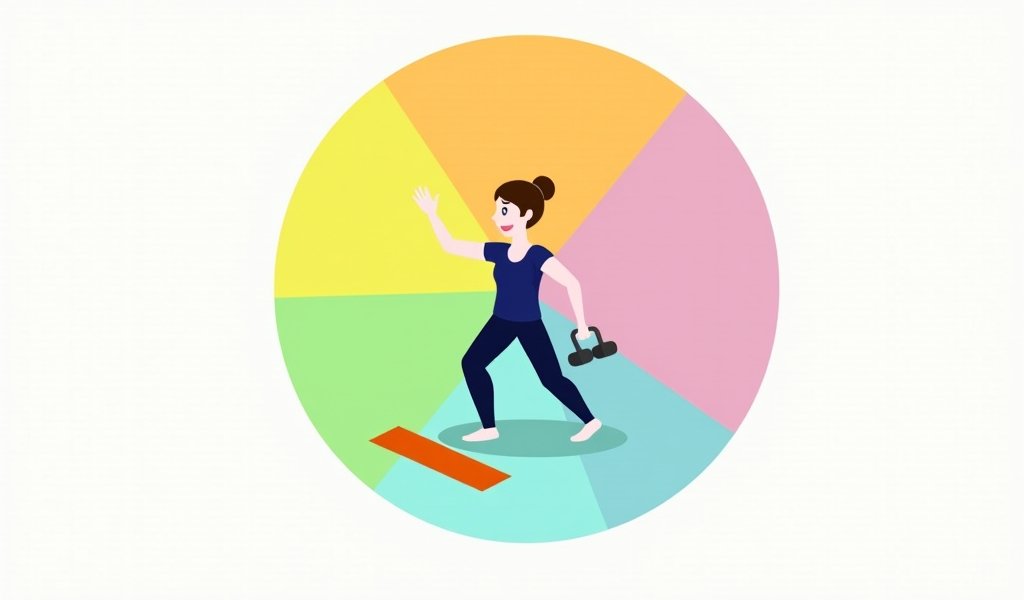
Ever feel like your wellness journey resembles a lopsided wheel careening down the hill of life? This article outlines a holistic approach to wellness that integrates physical, emotional, social, intellectual, spiritual, and environmental dimensions through a five-step process: honest self-assessment, building physical wellness foundations, nurturing emotional health, enhancing social connections, and creating purpose-driven practices that work together to create sustainable, balanced well-being rather than focusing on physical appearance alone.
Table of Contents
- Understanding the Wellness Wheel: A Holistic Approach
- Benefits of a Balanced Wellness Approach
- Step 1: Honest Self-Assessment of Your Wellness Dimensions
- Step 2: Building Your Physical Wellness Foundation
- Step 3: Nurturing Emotional and Mental Wellness
- Step 4: Enhancing Social Wellness Connections
- Step 5: Creating Purpose-Driven Wellness Practices
- Implementing Your Balanced Wellness Plan
- Conclusion
- Frequently Asked Questions
Understanding the Wellness Wheel: A Holistic Approach
The wellness wheel represents a comprehensive framework for achieving balanced health that extends far beyond traditional fitness metrics. As a health professional, I’ve observed that people who focus exclusively on physical appearance often struggle to maintain consistent progress. True wellness encompasses multiple dimensions that work together synergistically.
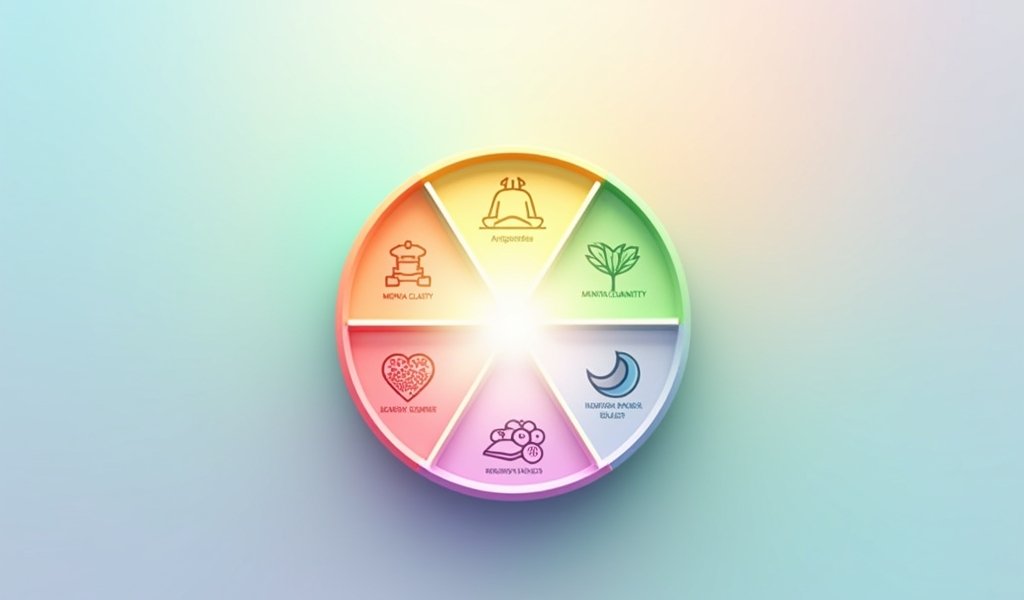
Think of your wellness wheel as your personal health dashboard—all indicators should be in the green zone for optimal performance. When one area falters, the entire system feels the impact. The standard wellness wheel typically includes six key dimensions:
- Physical wellness: exercise, nutrition, and sleep habits
- Emotional wellness: stress management, emotional intelligence
- Social wellness: relationships and community connections
- Intellectual wellness: learning, creativity, and mental stimulation
- Spiritual wellness: purpose, values, and meaning
- Environmental wellness: your surroundings and interaction with nature
These dimensions don’t exist in isolation. Your emotional state influences physical performance, while your social connections can impact stress levels. Understanding these interconnections is crucial for developing a balanced approach to health.
Research from the Harvard Medical School confirms that neglecting certain wellness dimensions can undermine progress in others, highlighting why a holistic approach yields superior long-term results.
Benefits of a Balanced Wellness Approach
Adopting a wellness wheel approach transforms fitness from a purely physical pursuit into a comprehensive life enhancement strategy. My clients who embrace this holistic perspective typically experience:
- Greater resilience against stress and burnout
- More consistent energy throughout the day
- Improved recovery between workouts
- Enhanced focus and productivity
- Stronger motivation and adherence to health routines
When wellness dimensions work harmoniously, you create a positive feedback loop. Better sleep improves workout performance, while regular exercise enhances sleep quality. Meaningful social connections reduce stress, and lower stress levels make social interactions more rewarding.
The balanced approach also provides flexibility during life’s inevitable challenges. When time constraints limit physical training, maintaining strong social and emotional wellness prevents the all-or-nothing thinking that derails many fitness journeys.
Step 1: Honest Self-Assessment of Your Wellness Dimensions
Before embarking on any wellness journey, you need accurate coordinates for your starting point. Self-assessment requires honesty—we humans excel at self-deception, especially regarding health habits!
Start by rating your satisfaction in each dimension on a 1-10 scale. Be brutally honest, remembering that acknowledging weaknesses isn’t failure—it’s the first step toward improvement. Consider these dimension-specific questions:
- Physical: How’s your energy level throughout the day? Do you recover quickly from physical exertion?
- Emotional: Can you identify and express your feelings appropriately? How well do you manage stress?
- Social: Do you have meaningful connections? Can you be authentic in relationships?
- Intellectual: Are you learning and growing? Do you engage in stimulating mental activities?
- Spiritual: Do your daily actions align with your values? Do you have a sense of purpose?
- Environmental: Does your living environment support wellness? Do you regularly connect with nature?
Several tools can enhance your assessment process:
- Standardized wellness questionnaires (many available through university wellness programs)
- Mood tracking apps to monitor emotional patterns
- Time audits to analyze how you allocate hours across dimensions
- Fitness assessments beyond weight (energy levels, recovery capacity)
When setting expectations, avoid the “transformation overnight” trap. True balance develops gradually, like tending a garden rather than flipping a switch. Small, consistent improvements across multiple dimensions create sustainable change.
Step 2: Building Your Physical Wellness Foundation
Physical wellness forms the foundation of your wellness wheel—not because it’s most important, but because it fundamentally impacts everything else. Your body is the vehicle that carries you through life; maintaining it properly affects all other dimensions.
A balanced physical wellness approach includes:
- Cardiovascular exercise: Aim for 150 minutes of moderate activity weekly (brisk walking, swimming, cycling)
- Strength training: Include resistance work at least twice weekly, engaging all major muscle groups
- Flexibility and mobility: Incorporate daily stretching or activities like yoga to maintain range of motion
- Functional movement: Prioritize exercises that mimic real-life activities
Nutrition isn’t about trendy diets but establishing sustainable patterns. Focus on whole foods, adequate hydration, and mindful eating. The emerging field of nutritional psychiatry demonstrates how dietary choices directly impact mental health, further highlighting the interconnectedness of wellness dimensions.
Perhaps the most overlooked physical wellness component is recovery. Quality sleep isn’t a luxury but a biological necessity—aim for 7-9 hours nightly. Your muscles don’t strengthen during workouts but during rest periods afterward. Without adequate recovery, physical training creates stress without corresponding adaptation benefits.
Step 3: Nurturing Emotional and Mental Wellness
The mind-body connection isn’t metaphysical philosophy—it’s established science. Physical activity naturally boosts mood by releasing endorphins while reducing stress hormones. Conversely, emotional distress frequently manifests as physical symptoms like tension headaches or digestive issues.
Effective emotional wellness strategies include:
- Stress management techniques: Try the 4-7-8 breathing method (inhale for 4, hold for 7, exhale for 8)
- Mindfulness practices: Even brief meditation sessions improve emotional regulation
- Thought reframing: Challenge negative thought patterns that undermine wellness efforts
- Emotional intelligence development: Learn to identify, understand, and manage emotions
Mental wellness encompasses cognitive functioning, learning, and creativity. Keep your brain engaged through reading, puzzles, learning new skills, or creative pursuits. Research from neuroscience journals confirms that intellectual stimulation creates new neural connections throughout life.
Try adding mindfulness to familiar activities: really taste that post-workout smoothie, feel each muscle engage during strength training, or simply notice the rhythm of your footfalls while running. These practices enhance the mind-body connection that powers holistic wellness.
Step 4: Enhancing Social Wellness Connections
Humans are inherently social creatures. Research consistently shows that strong relationships correlate with better health outcomes, including enhanced immune function and longevity. Your fitness journey needn’t be a solo expedition!
Social wellness influences physical health through:
- Accountability: Workout partners decrease missed sessions by up to 80%
- Healthy competition: Performance typically improves 15-20% in group settings
- Stress buffering: Quality social connections reduce cortisol levels
- Resource sharing: Social networks provide information, motivation, and support
Building your wellness support network might include fitness professionals, like-minded friends, online communities, or family members. Choose people who elevate rather than drain your energy—the fitness journey equivalent of “you are the average of the five people you spend the most time with.”
Group fitness offers unique benefits beyond solo workouts. The synchronized movement creates a sense of “collective effervescence”—that energizing feeling when everyone’s movement aligns. Whether it’s a running club, dance class, or recreational sports team, shared physical experiences create meaningful bonds while enhancing physical wellness.
Step 5: Creating Purpose-Driven Wellness Practices
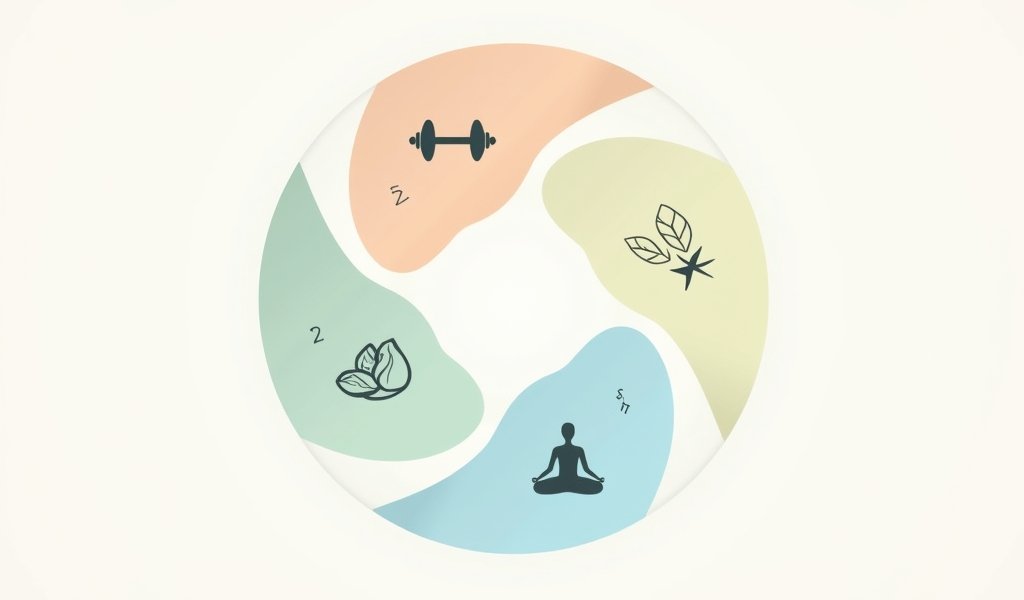
When the initial motivation of looking better inevitably wanes (usually around February for New Year’s resolvers), purpose-driven wellness provides staying power. Connect your practices to deeper values: perhaps family longevity, adventure capability, stress management, or community service.
Creating meaningful routines means selecting activities that resonate beyond calorie burn. Dancing celebrates joy through movement. Hiking connects you with nature. Martial arts develop discipline and focus. When wellness activities align with your values, they transform from obligations to expressions of identity.
Sustainable motivation strategies include:
- Process goals: Celebrate consistency rather than just outcomes
- Identity-based habits: Frame actions as “I am a person who prioritizes health” rather than “I should exercise”
- Intrinsic motivation: Choose activities you genuinely enjoy
- Variety integration: Prevent boredom by regularly introducing new elements
The spiritual dimension of wellness involves finding meaning and purpose in daily activities. This doesn’t necessarily involve religion (though it can for many), but rather connecting to something larger than yourself. Research published in the Journal of Positive Psychology shows that people with a strong sense of purpose demonstrate greater resilience in facing health challenges.
Implementing Your Balanced Wellness Plan
Knowledge without action remains merely potential. Transform your wellness wheel insights into reality through structured implementation:
- Create a phased timeline: Begin with 1-2 dimensions rather than overhauling everything simultaneously
- Establish baseline habits: Small, non-negotiable daily practices in each dimension
- Schedule regular reassessments: Monthly wellness wheel evaluations to identify shifts
- Prepare for obstacles: Anticipate challenges and develop specific contingency plans
Effective tracking methods include:
- Wellness journals: Document both quantitative metrics and qualitative experiences
- Visual representations: Color-code or graph your wellness wheel to visualize progress
- Accountability systems: Regular check-ins with partners or professionals
Life inevitably throws curveballs—illness, work demands, family responsibilities. The balanced approach provides flexibility to adjust without abandoning your wellness practice entirely. During high-stress periods, maintain minimum effective doses in each dimension rather than completely neglecting certain aspects.
A holistic guide to wellness recognizes that perfect balance isn’t always possible or even necessary. The goal is mindful awareness of all dimensions and intentional effort to prevent chronic neglect in any area.
Conclusion
The wellness wheel approach transforms how we think about health and fitness by recognizing the beautiful complexity of human wellbeing. By following these five steps—honest assessment, physical foundation building, emotional nurturing, social connection cultivation, and purpose alignment—you create a sustainable, balanced approach that enhances every aspect of your life.
Remember that balanced wellness isn’t about perfection in any single dimension but thoughtful integration across all aspects of wellbeing. Your journey toward balanced fitness begins with awareness and continues with consistent, intentional action across all dimensions of wellness.
As you implement these steps, be patient with yourself. Progress isn’t always linear, and different dimensions may advance at different rates. The beauty of the wellness wheel is that improvements in one area naturally support others—creating an upward spiral of wellbeing that enhances your entire life experience.
Which dimension of your wellness wheel needs the most attention right now? By identifying and addressing your current imbalances, you take the first step toward a more vibrant, sustainable approach to health and fitness.
Frequently Asked Questions
What exactly is a wellness wheel?
A wellness wheel is a visual tool that divides wellbeing into multiple dimensions such as physical, emotional, social, intellectual, spiritual, and environmental health. It helps identify areas of imbalance so you can create a more holistic approach to wellness.
How often should I reassess my wellness wheel?
Monthly reassessments are ideal for tracking progress and identifying shifting imbalances. During periods of significant change or stress, weekly check-ins may provide better guidance.
Can I focus on just one dimension at a time?
Yes, starting with 1-2 dimensions is often more effective than trying to change everything at once. Just remain aware of how changes in one area affect others.
How do I know which dimension needs the most attention?
The dimension causing the most dissatisfaction or stress in your life typically needs priority attention. Self-assessment tools can help quantify this subjectively.
Is perfect balance across all dimensions possible?
Perfect balance is rarely achievable or necessary. The goal is mindful awareness and preventing chronic neglect in any area.