

Overview
Ever feel like your stress levels are so high they deserve their own zip code? This article details seven evidence-based benefits of wellness massage spa treatments including stress reduction, muscle tension relief, improved circulation, better sleep, increased mental clarity, enhanced immune function, and emotional balance—ultimately positioning regular massage therapy as an essential component of preventative healthcare rather than a mere luxury.
Table of Contents
- Introduction to Wellness Massage Spa
- Benefit 1: Significant Stress Reduction
- Benefit 2: Relieving Muscle Tension and Pain
- Benefit 3: Improved Blood Circulation
- Benefit 4: Enhanced Sleep Quality
- Benefit 5: Increased Mental Clarity and Focus
- Benefit 6: Boosted Immune System Function
- Benefit 7: Emotional Balance and Well-being
- How to Choose the Right Wellness Massage Spa
- Conclusion
- Frequently Asked Questions
Introduction to Wellness Massage Spa
In our fast-paced world where stress has become an unwelcome companion, finding effective relief strategies is essential for maintaining both physical and mental health. Wellness massage spa treatments offer a sanctuary of calm amidst the chaos of daily life. As a therapeutic approach that dates back thousands of years across various cultures, massage has evolved from a luxury indulgence to a recognized health intervention with substantial scientific backing.
The concept of a wellness massage spa encompasses more than just traditional massage – it represents a holistic approach to health that addresses the mind-body connection. These specialized environments combine therapeutic touch with calming atmospheres designed to maximize relaxation and healing. Research consistently shows that regular massage therapy can significantly impact our physiological responses to stress and improve overall well-being.
As a health professional, I’ve witnessed countless patients transform their health through regular wellness massage spa sessions. The benefits extend far beyond the momentary pleasure of the experience. In fact, studies have demonstrated that consistent massage therapy can create lasting positive changes in our nervous system, hormonal balance, and even immune function.
Let’s explore seven evidence-based benefits that make wellness massage spa treatments a valuable addition to your stress management toolkit. Whether you’re dealing with chronic stress, recovering from injury, or simply seeking to enhance your quality of life, understanding these benefits may inspire you to incorporate regular visits to a wellness center near me into your health routine.
Benefit 1: Significant Stress Reduction
The primary and perhaps most immediate benefit of a wellness massage spa experience is profound stress reduction. When skilled therapists apply appropriate pressure and techniques to your body, it triggers a cascade of physiological responses that counteract your stress response. Your parasympathetic nervous system (the “rest and digest” system) activates, while your sympathetic nervous system (the “fight or flight” response) decreases activity.
This shift in nervous system balance results in measurable changes: decreased heart rate, lowered blood pressure, and reduced levels of stress hormones like cortisol and adrenaline. A landmark study published in the Journal of Psychosomatic Research found that massage therapy significantly reduced cortisol levels by an average of 31%, while increasing serotonin and dopamine (your “feel-good” neurotransmitters) by approximately 28% and 31%, respectively.
The beauty of this stress-reduction benefit is that it begins working almost immediately. Within the first few minutes of your session, you’ll likely notice your breathing deepening and your muscles beginning to release tension. This isn’t merely subjective – research confirms that even a single 30-minute session can trigger significant biochemical changes associated with relaxation.
For optimal stress management, consistency is key. Regular wellness massage spa sessions – ideally every 2-4 weeks – help maintain lower baseline stress levels rather than allowing stress to accumulate to overwhelming levels between treatments. Many clients report that regular massage helps them develop greater awareness of their stress patterns and physical tension, enabling them to address stress more effectively in daily life.
Benefit 2: Relieving Muscle Tension and Pain
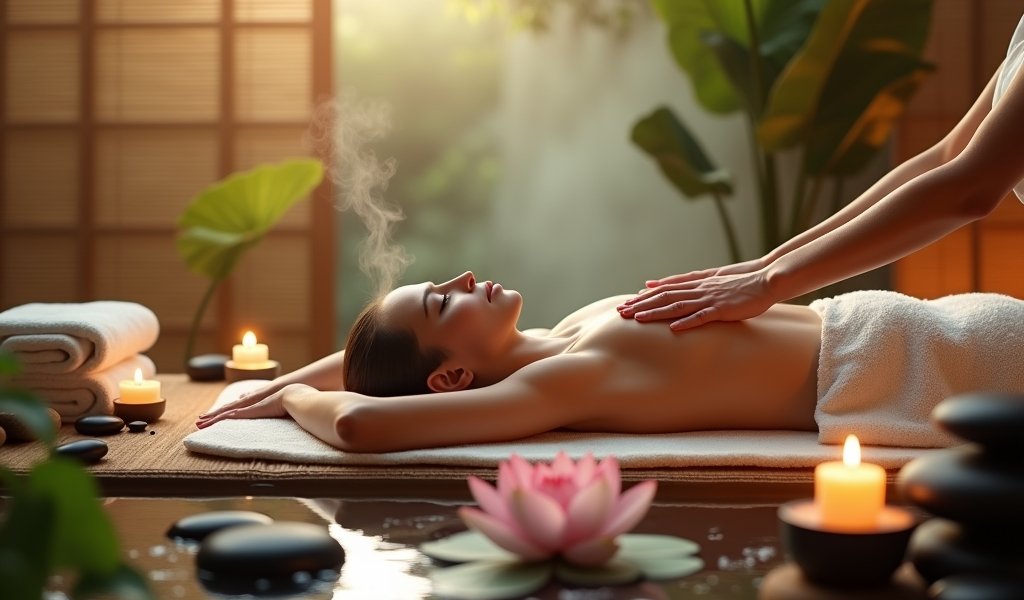
Chronic muscle tension is both a cause and effect of stress, creating a vicious cycle that’s difficult to break without intervention. Wellness massage spa treatments excel at addressing this physical component of stress by focusing on muscle relaxation. Through various techniques like Swedish massage, deep tissue work, and trigger point therapy, massage therapists can effectively release knots and adhesions that develop in overworked muscles.
The science behind this benefit is compelling. When muscles remain contracted for extended periods due to stress, lactic acid and other metabolic waste products accumulate, causing discomfort and restricting movement. Massage increases circulation to these areas, helping to flush out these irritants while simultaneously stretching muscle fibers and fascia (the connective tissue surrounding muscles).
For those experiencing chronic pain conditions like lower back pain, neck tension, or headaches, regular massage has proven particularly effective. A comprehensive review in the Annals of Internal Medicine found that massage therapy helped reduce pain and improve function in people with chronic lower back pain both immediately after treatment and in follow-up assessments.
What makes wellness massage spa treatments particularly effective is their comprehensive approach. Unlike quick chair massages or basic relaxation techniques, these specialized treatments often combine multiple modalities tailored to your specific muscle tension patterns. Your therapist at a quality wellness studio will assess your areas of concern and design a treatment plan addressing both immediate discomfort and underlying causes.
Benefit 3: Improved Blood Circulation
Proper blood circulation is fundamental to overall health, yet many of us suffer from compromised circulation due to sedentary lifestyles, stress, and poor posture. Wellness massage spa treatments provide a natural, non-invasive way to enhance blood flow throughout the body. The manual manipulation of soft tissues during massage creates a mechanical effect that helps move blood more efficiently through congested areas.
This improved circulation delivers multiple cascading benefits. First, it ensures oxygen-rich blood reaches all tissues more effectively, promoting cellular health and function. Second, it enhances the removal of metabolic waste products that can contribute to fatigue and pain. Finally, better circulation promotes faster healing in injured or strained tissues by delivering essential nutrients and immune cells where they’re needed most.
For those with specific circulation concerns such as cold hands and feet, edema (swelling), or recovery from injuries, specialized massage techniques like lymphatic drainage can be particularly beneficial. This gentle approach specifically targets the lymphatic system – the body’s waste removal network – helping to reduce swelling and support immune function.
Research supports these circulation benefits. A study in the Archives of Physical Medicine and Rehabilitation found that massage increased local and regional blood flow by up to 72% in treated areas, with effects lasting well beyond the treatment session. This increased circulation contributes significantly to the stress-relieving effects of wellness massage spa treatments by helping the body maintain optimal function even during challenging times.
Benefit 4: Enhanced Sleep Quality
Quality sleep is perhaps the most underrated component of stress management and overall health. Unfortunately, stress often creates a frustrating paradox: we need more restorative sleep to manage stress effectively, yet stress itself makes quality sleep elusive. Regular wellness massage spa treatments offer a natural solution to this common dilemma.
The relationship between massage and improved sleep is well-documented in scientific literature. Multiple studies have shown that massage therapy can increase delta wave activity in the brain – the deep, slow brain waves associated with restorative sleep. Additionally, by reducing pain, anxiety, and muscle tension that might otherwise disrupt sleep, massage removes many of the physical barriers to restful nights.
Particularly impressive are the findings related to insomnia and sleep disorders. Research published in the International Journal of Neuroscience demonstrated that regular massage therapy not only improved sleep quality metrics but also reduced sleep disturbances and daytime dysfunction in participants with diagnosed sleep disorders. These benefits were maintained even weeks after the treatment regimen ended.
The sleep benefits of wellness massage spa treatments extend beyond just falling asleep more easily. Many clients report longer periods of uninterrupted sleep, fewer nighttime awakenings, and waking feeling more refreshed. For those struggling with sleep issues, scheduling massage sessions in the late afternoon or early evening can be particularly effective, as the relaxation effects carry forward into bedtime hours.
Benefit 5: Increased Mental Clarity and Focus
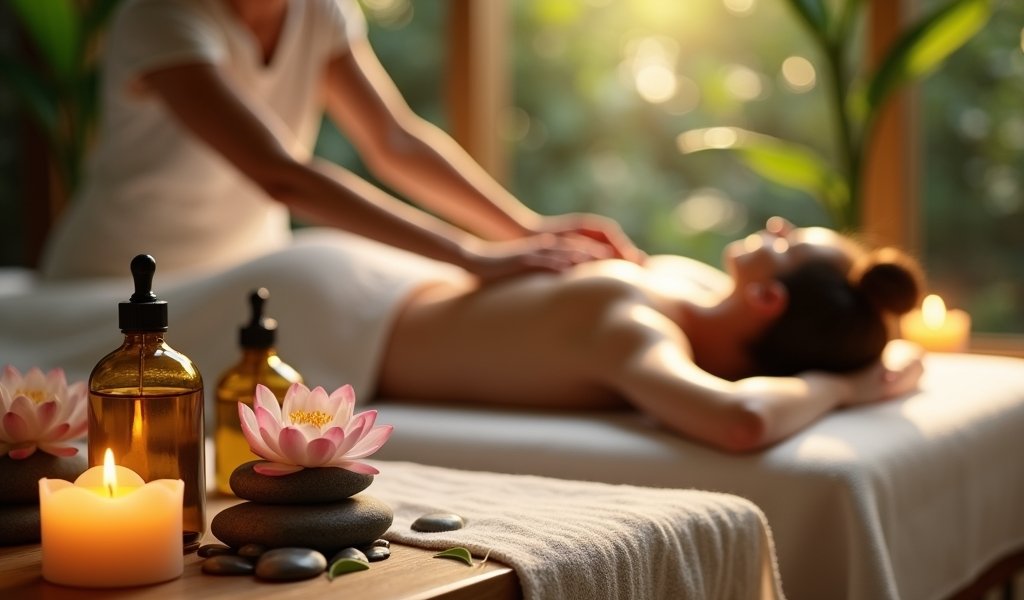
The mental fog that accompanies chronic stress can significantly impact productivity, decision-making, and overall quality of life. Wellness massage spa treatments offer a powerful way to clear this fog and restore mental clarity. By reducing the physiological markers of stress, massage helps transition the brain from a state of hypervigilance to one of balanced awareness.
Neurologically, this benefit stems from several mechanisms. First, massage triggers the release of endorphins and other mood-enhancing neurotransmitters that improve cognitive function. Second, by reducing cortisol levels, massage helps prevent the detrimental effects this stress hormone can have on memory and concentration when chronically elevated. Finally, the increased oxygen delivery to the brain resulting from improved circulation supports optimal neural function.
The mental clarity benefits of massage are often immediately noticeable. Many clients report experiencing a “mental reset” following their sessions – a quieting of the mental chatter that accompanies stress and a heightened ability to focus on priorities. This makes wellness massage spa treatments particularly valuable during periods of high demand at work or during important projects requiring sustained mental performance.
For those interested in cognitive performance, combining regular massage with other mind-body practices available at a wellness resort or comprehensive spa can amplify these benefits. Mindfulness meditation, guided relaxation, or yoga offered at many wellness facilities complement massage therapy by teaching skills that extend the mental clarity benefits between sessions.
Benefit 6: Boosted Immune System Function
The connection between chronic stress and immune system suppression is now well-established in medical literature. When stress persists, elevated cortisol levels can inhibit the production and function of immune cells, making us more vulnerable to everything from common colds to more serious illnesses. Wellness massage spa treatments offer a natural counter to this effect by supporting healthy immune function.
Research from the Touch Research Institute at the University of Miami School of Medicine has demonstrated that regular massage increases the activity of natural killer (NK) cells – specialized white blood cells that help the body fight viruses and certain types of cancer cells. Additionally, massage has been shown to increase levels of lymphocytes, another critical component of immune defense.
What’s particularly notable is that these immune benefits aren’t just temporary. A study published in the Journal of Alternative and Complementary Medicine found that the immune-enhancing effects of regular massage therapy remained measurable for days following treatment. This suggests that consistent wellness massage spa sessions could help maintain stronger immune function even between appointments.
For those with heightened immune concerns – such as during cold and flu season, periods of high stress, or while recovering from illness – scheduling more frequent massage sessions can provide additional immune support. Many wellness massage spas also offer immune-boosting add-ons like aromatherapy with evidence-based essential oils such as eucalyptus or tea tree that complement the immune benefits of massage.
Benefit 7: Emotional Balance and Well-being
Perhaps the most profound yet least quantifiable benefit of wellness massage spa treatments is their impact on emotional health. Beyond the biochemical changes in stress hormones and neurotransmitters, massage provides something increasingly rare in our digital age: meaningful, therapeutic human touch in a safe environment. This aspect alone carries significant psychological benefits.
The emotional benefits of massage therapy are supported by numerous studies showing improvements in anxiety, depression, and mood disorders. Research published in Journal of Affective Disorders found that massage therapy produced effects comparable to those of psychotherapy for treating depression and anxiety, with participants reporting significant reductions in negative emotions and increases in feelings of well-being.
What makes wellness massage spa treatments particularly effective for emotional health is their holistic nature. Unlike isolated treatments focused solely on physical symptoms, these experiences address multiple senses and aspects of well-being simultaneously. The combination of therapeutic touch, calming environments, aromatherapy, and uninterrupted time for relaxation creates a multisensory experience that helps recalibrate emotional responses to stress.
Many clients report that regular massage helps them develop greater emotional resilience – the ability to respond to life’s challenges with greater equanimity and less reactivity. This benefit often extends well beyond the treatment room, influencing how we interact with others and manage daily stressors. For those dealing with significant life transitions or emotional challenges, massage can serve as a valuable complement to other mental health supports.
How to Choose the Right Wellness Massage Spa
To maximize the stress-relief benefits we’ve explored, selecting the right wellness massage spa is crucial. Not all facilities offer the same level of therapeutic expertise or holistic approach. Here are key factors to consider when making your selection:
- Therapist qualifications: Look for licensed massage therapists with additional certifications in modalities specific to stress relief, such as craniosacral therapy, myofascial release, or aromatherapy.
- Personalization: The best wellness spas offer thorough consultations to understand your specific stress patterns, physical concerns, and goals before designing your treatment.
- Environment: The facility should provide a genuinely tranquil atmosphere with attention to details like comfortable temperature, soothing music, and minimal distractions.
- Comprehensive approach: Consider spas that offer complementary services like meditation guidance, nutrition advice, or movement therapies that support your stress management goals.
- Reviews and recommendations: Check independent reviews or seek recommendations from healthcare providers who understand therapeutic massage.
When visiting a new wellness massage spa, communicate clearly about your stress levels, any physical pain, and your comfort preferences. Effective therapists will adjust pressure, techniques, and focus areas based on your feedback during the session. Remember that building a relationship with a consistent therapist often yields the best results, as they become familiar with your body’s unique responses and needs.
For those new to wellness massage spa treatments, consider starting with a Swedish massage, which provides an excellent introduction to therapeutic touch with moderate pressure. As you become more comfortable with the experience, you might explore deeper modalities like deep tissue massage or more specialized approaches targeting your specific stress manifestations.
Conclusion
The seven benefits of wellness massage spa treatments we’ve explored – stress reduction, muscle tension relief, improved circulation, enhanced sleep quality, increased mental clarity, immune system support, and emotional balance – represent a powerful toolkit for managing the unavoidable stressors of modern life. What makes these benefits particularly valuable is their interconnected nature; improvements in one area typically create positive ripple effects throughout physical and mental well-being.
Unlike many stress management approaches that require significant time investments or complex protocols, wellness massage spa treatments offer accessible, immediate relief that accumulates into long-term benefits with regular sessions. The combination of professional therapeutic touch, intentionally designed environments, and time dedicated solely to your well-being creates a uniquely effective intervention for stress.
As health professionals increasingly recognize the devastating impact of chronic stress on public health, integrative approaches like regular massage therapy are gaining well-deserved recognition as essential components of preventative healthcare. Far from being a luxury or indulgence, wellness massage spa treatments represent a sound investment in both immediate quality of life and long-term health outcomes.
Consider incorporating regular visits to a quality wellness massage spa into your health routine – your body, mind, and emotional well-being will thank you for this evidence-based approach to stress relief and overall wellness.
Frequently Asked Questions
How often should I get a massage for stress relief?
For optimal stress management benefits, most health professionals recommend massage every 2-4 weeks. However, during periods of high stress or when addressing specific health concerns, weekly sessions may be more beneficial.
What type of massage is best for stress relief?
Swedish massage is excellent for general stress relief with its gentle to moderate pressure and flowing strokes. For those with stress-related muscle tension, deep tissue or trigger point therapy may provide more targeted relief.
Is massage therapy covered by health insurance?
Some health insurance plans cover massage therapy when prescribed by a physician for specific medical conditions. Check with your insurance provider regarding coverage requirements and whether you need a doctor’s referral.
How long do the stress-relief effects of massage last?
Most people experience immediate stress relief that lasts 48-72 hours after a massage session. With regular treatments, these effects become cumulative, creating longer-lasting improvements in stress response.
Are there any situations where massage is not recommended for stress?
Massage may not be appropriate during acute illness, for those with certain skin conditions, or immediately after surgery without medical clearance. Always consult with your healthcare provider if you have underlying health conditions.
Pingback: Wellness Foot Spa: 5 Proven Benefits for Tired Feet - achievehealthgoals.com