

Overview
Who knew getting rubbed down could be such a workout game-changer—turns out your muscles have been begging for a spa day all along! This article explores how wellness massage boosts fitness through seven key benefits: improving circulation and recovery, reducing stress, enhancing flexibility, managing pain, improving sleep quality, supporting immune function, and providing practical tips for integrating massage into fitness routines.
Table of Contents
- Understanding Wellness Massage: What Is It and Why Does It Matter?
- Boost Circulation and Muscle Recovery Through Targeted Massage
- Stress Reduction: How Massage Affects Your Mental Fitness
- Flexibility Improvement: Releasing Tension for Better Movement
- Pain Management: Addressing Chronic Issues with Therapeutic Touch
- Sleep Quality: The Connection Between Massage and Restorative Rest
- Immune System Support: The Surprising Health Benefit of Regular Massage
- Integrating Massage into Your Fitness Routine: Practical Tips
- Conclusion: Making Wellness Massage Part of Your Health Journey
- Frequently Asked Questions
Understanding Wellness Massage: What Is It and Why Does It Matter?
Wellness massage represents a powerful approach to holistic health that extends far beyond mere relaxation. As a therapeutic intervention, this practice combines specialized techniques designed to address both physical and mental well-being. When properly integrated into your fitness routine, wellness massage can dramatically enhance performance, accelerate recovery, and contribute to long-term health outcomes.
Unlike conventional massage that focuses primarily on comfort, wellness massage addresses specific physiological and psychological needs. The technique works by manipulating soft tissues to reduce tension, improve circulation, and release built-up toxins that can impede optimal physical function. This comprehensive approach makes it particularly valuable for active individuals seeking to optimize their fitness journey.
Research published in the Journal of Bodywork and Movement Therapies confirms that regular massage therapy contributes significantly to reduced recovery time between training sessions. This makes it not just a luxury, but a practical component of any serious fitness regimen. The benefits become especially apparent when incorporated consistently over time.
What sets wellness massage apart is its customizable nature. Therapists trained in this discipline develop treatment plans tailored to individual needs, whether you’re a weekend warrior recovering from occasional exercise or an elite athlete pushing performance boundaries. The approach can be adjusted to complement various wellness retreat programs or stand alone as part of your regular health maintenance.
Let’s explore seven evidence-based ways that wellness massage can transform your fitness journey, providing both immediate relief and long-term health advantages that support your wellness goals.
Boost Circulation and Muscle Recovery Through Targeted Massage
One of the most significant benefits of wellness massage lies in its profound effect on circulation. Through deliberate pressure and specialized strokes, massage stimulates blood flow to muscles and tissues that may be oxygen-deprived after intense physical activity. This enhanced circulation becomes particularly valuable during recovery phases of training.
The mechanical action of massage helps flush metabolic waste products like lactic acid from muscle tissues. After strenuous exercise, these byproducts can cause the familiar sensation of soreness and stiffness that limits subsequent performance. By accelerating their removal, wellness massage effectively shortens recovery windows between training sessions.
Studies from the University of Illinois demonstrate that just 10 minutes of targeted massage after exercise can reduce inflammation markers and promote mitochondrial biogenesis – essentially helping your cells generate more energy for future workouts. This cellular-level benefit translates to improved endurance and strength development over time.
For athletes or fitness enthusiasts dealing with specific problem areas, techniques like deep tissue massage can target chronically tight muscles, breaking up adhesions (often called “knots”) that restrict movement and cause pain. This targeted approach helps restore optimal muscle function while preventing compensatory patterns that could lead to injury.
The circulation benefits extend beyond muscles to include improved lymphatic drainage, which supports immune function and reduces post-workout swelling. This comprehensive circulatory enhancement represents one of the most immediate and noticeable benefits that regular wellness massage offers to anyone committed to fitness improvement.
Stress Reduction: How Massage Affects Your Mental Fitness
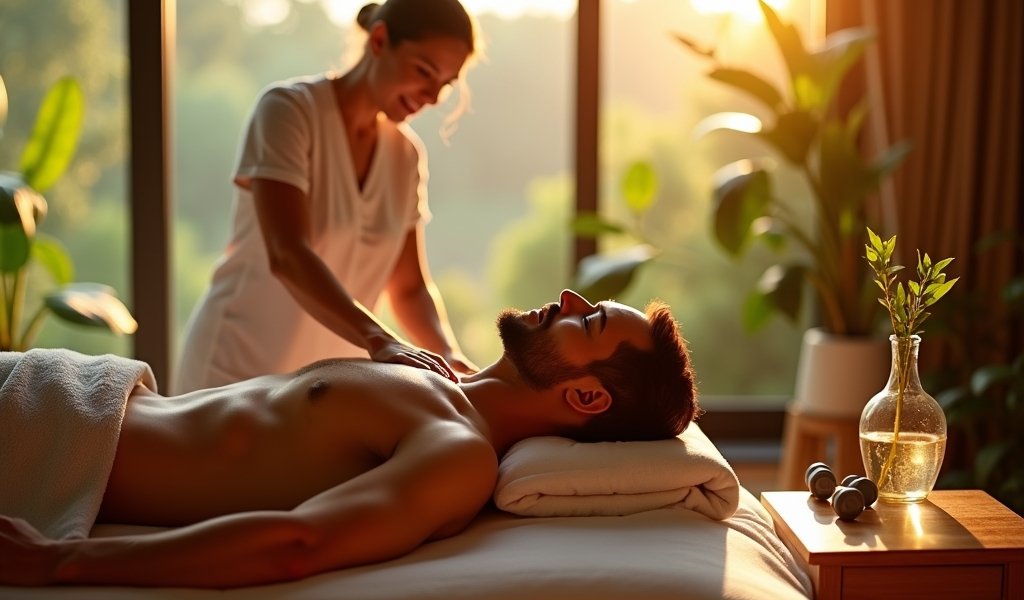
Physical fitness and mental wellbeing are inextricably linked, with stress acting as a significant barrier to achieving optimal performance. Wellness massage provides a powerful antidote to stress through multiple physiological pathways. The therapeutic touch triggers a cascade of beneficial hormonal changes, including reduced cortisol (the primary stress hormone) and increased serotonin and dopamine (neurotransmitters associated with improved mood).
When chronically elevated, cortisol contributes to inflammation, impaired recovery, and even decreased muscle protein synthesis – essentially working against your fitness goals. Research published in the International Journal of Neuroscience confirms that just a 30-minute massage session can significantly reduce cortisol levels while boosting immune function, creating an internal environment more conducive to physical progress.
Beyond the biochemical effects, wellness massage provides a dedicated time for mental reset. In our constantly connected world, having protected space for relaxation activates the parasympathetic nervous system – often called “rest and digest” mode – which counterbalances the fight-or-flight response triggered by both physical training and daily stressors. This balance proves crucial for sustainable fitness progress.
The benefits extend to sleep quality as well. By reducing anxiety and promoting relaxation, regular wellness massage can help establish healthier sleep patterns. Since muscle repair and growth primarily occur during deep sleep stages, this indirect benefit substantially impacts physical performance and body composition goals.
Many fitness enthusiasts find that incorporating wellness massage into their riverside wellness retreats or regular self-care routines helps maintain the mental clarity and emotional stability needed for consistent training. This mental fitness component often proves just as valuable as the physical benefits in sustaining long-term health improvements.
Flexibility Improvement: Releasing Tension for Better Movement
Optimal movement patterns require appropriate flexibility, yet many fitness routines inadvertently create muscle imbalances and tension that restrict range of motion. Wellness massage directly addresses these limitations by breaking up fascial restrictions and lengthening chronically shortened muscles. This targeted approach restores natural movement capabilities that may have diminished over time.
The fascia – a web-like connective tissue surrounding muscles and organs – can develop adhesions and thickening that limit mobility. Specialized massage techniques like myofascial release specifically target this tissue system, creating more space for fluid movement. Athletes often report immediate improvements in flexibility following these focused sessions.
Research published in the Journal of Orthopaedic & Sports Physical Therapy indicates that regular massage therapy can increase hamstring flexibility by up to 18% over a ten-week period. These improvements translate directly to enhanced performance in activities requiring significant range of motion, from yoga to strength training exercises like squats and deadlifts.
Unlike static stretching alone, wellness massage addresses the neuromuscular component of flexibility by reducing the tension signals sent to muscles. This neurological relaxation allows muscles to lengthen more effectively during subsequent stretching, creating more sustainable flexibility gains that contribute to improved movement quality.
The flexibility benefits extend beyond obvious applications like yoga or gymnastics. Even strength-focused athletes find that improved range of motion allows for better technique in compound movements, potentially increasing strength development while reducing injury risk through more biomechanically sound positioning.
Pain Management: Addressing Chronic Issues with Therapeutic Touch
Chronic pain represents a significant barrier to fitness progress for many individuals. Whether stemming from old injuries, postural issues, or overtraining, persistent discomfort can severely limit workout quality and consistency. Wellness massage offers evidence-based approaches for addressing these pain patterns through multiple therapeutic mechanisms.
At the physiological level, massage triggers the release of endorphins – the body’s natural painkillers. These neurotransmitters modulate pain perception while producing feelings of wellbeing, creating both immediate relief and a positive association with physical activity. This biochemical response explains the profound sense of relief many experience following a therapeutic session.
For specific conditions like lower back pain, research consistently demonstrates massage’s efficacy. A comprehensive study published in the Annals of Internal Medicine found that regular massage therapy was more effective than conventional medical treatments for chronic low back pain, with benefits persisting for months following treatment. This makes it particularly valuable for maintaining workout consistency.
Beyond pain reduction, therapeutic massage addresses underlying movement dysfunctions that may contribute to discomfort. By restoring proper muscle balance and joint function, wellness massage helps prevent pain recurrence rather than merely masking symptoms. This corrective approach aligns perfectly with comprehensive health and wellness strategies.
For those managing conditions like fibromyalgia or arthritis, regular wellness massage can significantly improve quality of life while enabling greater physical activity. The combination of pain reduction and improved movement capacity opens fitness possibilities that might otherwise remain inaccessible, creating a pathway to better overall health.

Sleep Quality: The Connection Between Massage and Restorative Rest
Sleep quality directly impacts every aspect of fitness performance and recovery. From hormone production to muscle repair, the body’s most critical restorative processes occur predominantly during deep sleep phases. Wellness massage significantly enhances sleep quality through multiple pathways, creating a powerful synergy with your fitness efforts.
The relaxation response triggered during massage continues long after the session ends. By activating parasympathetic nervous system dominance, massage helps transition the body from its daytime alertness into the calm state necessary for restorative sleep. Many clients report falling asleep more quickly and experiencing fewer nighttime disruptions following treatment.
Research from the American Massage Therapy Association demonstrates that regular massage can increase delta wave activity during sleep – the brain wave pattern associated with the deepest, most restorative sleep stages. During these phases, growth hormone secretion peaks, driving the muscle repair and strengthening that ultimately produces fitness improvements.
For those struggling with sleep-disrupting conditions like restless leg syndrome or nighttime muscle cramps, targeted massage techniques can provide significant relief. By addressing these specific complaints, wellness massage removes barriers to quality sleep that might otherwise compromise recovery between training sessions.
Even the psychological benefits contribute to better sleep. By reducing anxiety and racing thoughts, massage helps quiet the mental chatter that often delays sleep onset. This mental calming effect proves particularly valuable for athletes experiencing pre-competition nervousness or anyone dealing with stress-related sleep disturbances.
Immune System Support: The Surprising Health Benefit of Regular Massage
Regular exercise places significant demands on the body, potentially creating periods of compromised immune function, particularly after intense training sessions. Wellness massage offers remarkable immune-supporting benefits that help maintain overall health even during challenging training phases. This immune enhancement represents one of massage’s most valuable but least recognized contributions to fitness.
Research from Cedars-Sinai Medical Center found that even a single 45-minute massage session increased white blood cell counts – the immune system’s primary defense against infection. These changes suggest that regular massage might help athletes maintain health during periods of heavy training that might otherwise increase illness susceptibility.
The lymphatic system, which plays a crucial role in immune function and waste removal, lacks its own pump mechanism (unlike the cardiovascular system with the heart). Massage’s rhythmic pressure serves as an external pump for lymphatic circulation, improving the movement of immune cells throughout the body while enhancing the clearance of metabolic waste products.
For athletes in particular, maintaining immune function during training peaks can prevent the setbacks caused by illness. Even a minor cold can disrupt training consistency, making massage’s immune support an important consideration for serious fitness enthusiasts seeking uninterrupted progress.
Beyond acute illness prevention, the anti-inflammatory effects of regular massage may contribute to reduced systemic inflammation. Since chronic inflammation underlies many health conditions that impair fitness, this benefit creates another layer of protection for those committed to long-term wellness goals.
Integrating Massage into Your Fitness Routine: Practical Tips
Maximizing the fitness benefits of wellness massage requires strategic integration into your overall training plan. While occasional massage provides temporary benefits, a systematic approach yields significantly better results for serious health and fitness enthusiasts. Consider these practical implementation strategies:
- Schedule massage sessions during recovery phases of your training cycle rather than immediately before important workouts or competitions
- Communicate specifically with your massage therapist about your fitness goals, problem areas, and upcoming training challenges
- For endurance athletes, lighter pressure techniques work best during heavy training periods, while deeper work may be more appropriate during recovery phases
- Start with bi-weekly sessions during intensive training periods, then adjust frequency based on your response
- Consider shorter, focused sessions (30-45 minutes) for maintenance and longer sessions (60-90 minutes) for addressing specific issues
Timing matters significantly when integrating massage with training. For strength athletes, scheduling sessions 24-48 hours after heavy lifting allows enough time for initial recovery while still addressing residual tension. Endurance athletes often benefit from massage 4-6 hours after long training sessions, when immediate inflammatory responses have stabilized.
Self-massage tools provide valuable supplementation between professional treatments. Foam rollers, massage balls, and percussion devices offer targeted relief for specific areas. While these tools can’t fully replace hands-on professional treatment, they extend the benefits between sessions while teaching body awareness.
Hydration significantly impacts massage effectiveness. Drinking plenty of water before and after sessions helps flush metabolic waste products liberated during treatment. This simple practice enhances detoxification benefits while reducing any post-massage soreness that occasionally occurs after deeper work.
Finally, maintaining open communication with your massage therapist ensures treatments evolve alongside your fitness journey. As your goals and challenges change, your massage approach should adapt accordingly, creating a responsive support system for your physical development.
Conclusion: Making Wellness Massage Part of Your Health Journey
Wellness massage represents a powerful, evidence-based approach to enhancing fitness outcomes across multiple dimensions. From improved circulation and recovery to stress reduction and immune support, its benefits address both the physical and psychological aspects of optimal performance. As we’ve explored these seven key benefits, the value of integrating massage into a comprehensive fitness approach becomes increasingly clear.
The science supporting massage’s effectiveness continues to expand, validating what practitioners and recipients have intuitively understood for generations. Far from being merely a luxury or indulgence, wellness massage functions as a practical tool for anyone serious about maximizing their physical potential while supporting long-term health.
Consider beginning with a monthly session to experience the benefits firsthand, then adjusting frequency based on your response and specific needs. Even this modest investment can yield significant returns in performance, recovery, and overall wellbeing. Remember that consistency, rather than intensity, often determines the most meaningful outcomes in both fitness and wellness practices.
As with any health intervention, individual responses vary. Listen to your body’s feedback and work with qualified professionals who understand your goals and limitations. Through thoughtful integration of wellness massage into your routine, you’ll discover a powerful ally in your journey toward optimal health and fitness performance.
Frequently Asked Questions
How often should I get a wellness massage for fitness benefits?
For optimal fitness benefits, aim for massage sessions every 1-2 weeks during intensive training periods. During maintenance phases, every 2-4 weeks is typically sufficient to sustain improvements.
Is deep tissue massage better than Swedish massage for athletes?
Neither is universally better; the appropriate technique depends on your specific needs and training phase. Deep tissue works well for chronic issues during recovery phases, while Swedish massage offers better circulation benefits immediately after training.
Can massage help with muscle soreness after workouts?
Yes, massage can significantly reduce delayed onset muscle soreness (DOMS) by improving circulation and reducing inflammation. Schedule sessions 24-48 hours after intense workouts for maximum benefit.
Will massage improve my workout performance directly?
Massage primarily enhances recovery and preparation rather than directly boosting performance. However, these improvements in recovery, flexibility, and pain reduction indirectly lead to better performance over time.
How long before I notice fitness benefits from regular massage?
Most people notice immediate improvements in flexibility and stress reduction after a single session. More substantial fitness benefits typically emerge after 3-4 weeks of regular treatments as cumulative effects develop.