

Overview
Wellness foot spas aren’t just fancy water buckets for your tired tootsies—they’re legitimate therapeutic devices offering five major benefits: stress reduction, improved circulation, pain relief, better sleep, and enhanced foot health. Regular 20-30 minute sessions 2-3 times weekly can transform foot comfort while positively impacting overall wellbeing through warm water therapy, massage action, and targeted pressure point stimulation.
Table of Contents
- Introduction to Wellness Foot Spa
- What is a Wellness Foot Spa?
- Benefit 1: Stress Reduction and Relaxation
- Benefit 2: Improved Circulation
- Benefit 3: Pain Relief and Recovery
- Benefit 4: Better Sleep Quality
- Benefit 5: Enhanced Foot Health
- How to Use a Wellness Foot Spa Effectively
- Choosing the Right Foot Spa for Your Needs
- Conclusion
- Frequently Asked Questions
Introduction to Wellness Foot Spa
In our fast-paced world where we spend hours on our feet, the wellness foot spa has emerged as a popular self-care solution for tired, aching feet. As a physical therapist with over 15 years of experience in foot health, I’ve witnessed firsthand how these therapeutic devices can transform not just foot comfort but overall wellbeing. The humble foot spa has evolved from a simple luxury to an evidence-backed wellness tool that offers multiple health benefits.
Our feet contain thousands of nerve endings, numerous important pressure points, and bear the weight of our entire bodies day after day. They deserve special attention, and a quality wellness foot spa provides just that. In this comprehensive review, we’ll explore the five proven benefits of regular foot spa sessions and why they might be worth incorporating into your health routine.
Whether you’re an athlete looking for recovery solutions, someone who stands all day at work, or simply seeking a new way to unwind, understanding the science-backed advantages of foot hydrotherapy could be your first step toward better foot health and enhanced overall wellness.
What is a Wellness Foot Spa?
A wellness foot spa is more than just a basin of warm water for your feet. Modern therapeutic foot spas are sophisticated devices designed to provide hydrotherapy through a combination of heated water, massage rollers, bubbles, and sometimes additional features like aromatherapy diffusers or magnetic therapy points.
These devices typically feature temperature control systems that maintain water warmth throughout your session – a critical element since proper heat is essential for maximizing therapeutic benefits. Many models include massage nodes or rollers at the base that stimulate key reflex points on your soles, mimicking the pressure techniques used in professional reflexology.
The bubbling or vibration functions create water movement that provides gentle pressure to different parts of the feet, enhancing circulation and creating a massaging effect. Higher-end wellness foot spa models may also offer additional therapeutic elements such as:
- Infrared technology to penetrate deeper tissues
- Oxygen bubbles systems for improved circulation
- Digital controls for customized experiences
- Waterfall features for top-of-foot massage
According to research published in the National Library of Medicine, hydrotherapy applications like those provided by foot spas can contribute to meaningful physiological changes in the body, including improved blood flow and reduced inflammation.

Benefit 1: Stress Reduction and Relaxation
Perhaps the most immediate benefit of using a wellness foot spa is stress reduction. In my practice, patients consistently report feeling significantly more relaxed after just 15-20 minutes of foot hydrotherapy. This isn’t merely anecdotal – there’s solid science behind this relaxation response.
When your feet are immersed in warm water with gentle massage, your nervous system responds. The combination of heat and pressure triggers your parasympathetic nervous system – the “rest and digest” mode that counteracts your body’s stress response. Your breathing slows, your muscles relax, and stress hormones like cortisol begin to decrease.
Foot reflexology, which is essentially what the massage elements of a wellness foot spa provide, has been studied for its stress-reduction properties. One study in the Journal of American College Health found that even brief foot reflexology sessions significantly reduced anxiety levels in participants.
The stress-busting benefits extend beyond the duration of your foot spa session. Many users report feeling calmer for hours afterward, with some experiencing improved mood for the remainder of their day. For those dealing with chronic stress or anxiety, incorporating regular wellness foot spa sessions into your routine could be a simple yet effective complementary approach to stress management.
Benefit 2: Improved Circulation
One of the most significant physiological benefits of regular wellness foot spa use is enhanced circulation in the lower extremities. Poor circulation in the feet and legs is remarkably common, especially among those who are sedentary, older adults, or people with certain health conditions. The warming action of the foot spa, combined with the massaging bubbles or rollers, creates the perfect environment for vascular stimulation.
When circulation improves, oxygen and nutrients reach cells more efficiently while waste products are removed more effectively. This enhanced blood flow can help reduce swelling and fluid retention in the ankles and feet – a common complaint I hear from patients who stand for long periods or have sedentary jobs.
The science supports these claims. Researchers have found that warm water immersion increases blood flow to the immersed areas. According to a study in the Journal of Bodywork and Movement Therapies, the combination of warm water and massage can significantly improve peripheral circulation.
For people with conditions like diabetes who often experience compromised circulation in their feet, gentle foot hydrotherapy (with physician approval and appropriate temperature settings) may offer particular benefits. However, it’s essential that those with diabetes or neuropathy consult their healthcare provider before beginning any foot therapy regimen, as sensation issues require special precautions with heat therapy.
Benefit 3: Pain Relief and Recovery
As someone who regularly works with athletes and individuals suffering from foot pain, I’ve seen remarkable results when wellness foot spas are incorporated into recovery routines. The therapeutic effects of warm water combined with massage can provide significant relief for common foot ailments including plantar fasciitis, general muscle soreness, and even arthritis pain.
The mechanism behind this pain relief is multifaceted. First, the warmth helps relax tight muscles and fascia, particularly beneficial for those suffering from plantar fasciitis. Second, the massage action helps break up adhesions in soft tissue. Third, the improved circulation we discussed earlier helps flush inflammatory markers from the area, potentially reducing inflammation.
For athletes or anyone who spends significant time on their feet, a wellness foot spa session after intense activity can speed recovery by reducing muscle soreness and preventing stiffness. Many professional sports teams now incorporate hydrotherapy, including foot spas, into their recovery protocols.
The pain-relieving benefits aren’t limited to the feet themselves. Because your feet contain reflex points connected to other body areas, foot spa therapy can sometimes help alleviate discomfort elsewhere in the body. While more research is needed, some studies suggest that foot reflexology techniques (similar to what foot spas provide) may help reduce pain perception throughout the body by triggering the release of endorphins – your body’s natural painkillers.
Benefit 4: Better Sleep Quality
If you struggle with falling asleep or staying asleep, a wellness foot spa session before bedtime might be the natural sleep aid you’ve been looking for. In my clinical practice, patients who incorporate evening foot spa sessions into their routine frequently report improved sleep quality – and sleep science helps explain why.
Our body temperature naturally drops as we prepare for sleep. A warm foot bath about an hour before bedtime helps trigger this temperature change more efficiently. As your feet warm in the spa, blood vessels dilate, drawing blood to your extremities. When you exit the foot bath, your core temperature drops more rapidly, signaling to your brain that it’s time to sleep.
Additionally, the stress reduction and relaxation benefits we discussed earlier create ideal pre-sleep conditions. By lowering cortisol levels and activating the parasympathetic nervous system, a foot spa session essentially prepares your body for rest on both physiological and psychological levels.
According to research published in the Sleep Medicine Reviews journal, warming the feet before bedtime can significantly decrease the time it takes to fall asleep and improve overall sleep quality. For those dealing with insomnia or sleep disturbances, this non-pharmaceutical approach offers a gentle alternative worth trying.
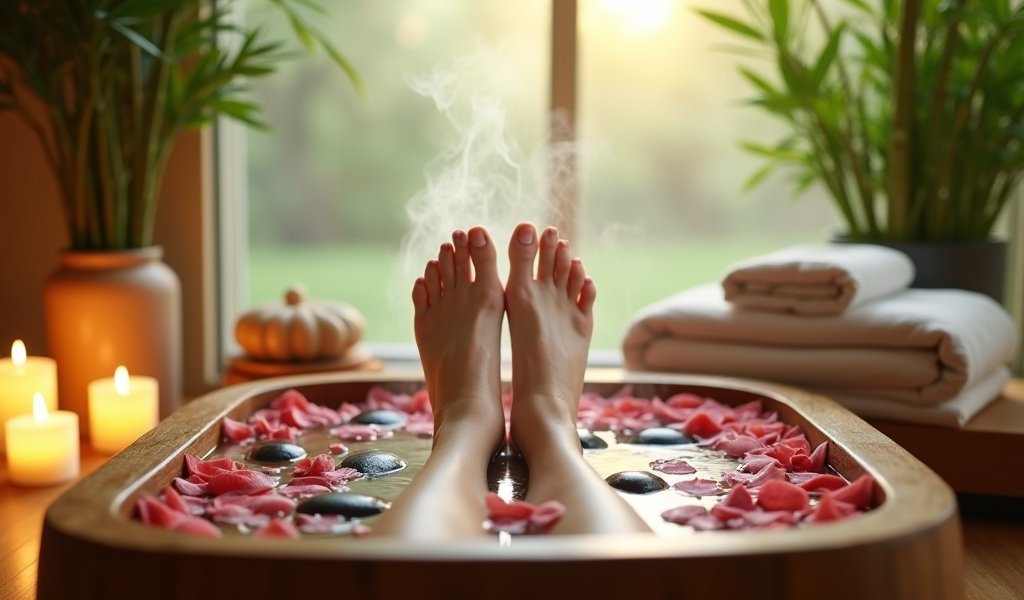
Benefit 5: Enhanced Foot Health
Beyond the systemic benefits we’ve explored, wellness foot spas can directly improve the health and appearance of your feet. Regular use can help soften calluses, reduce dry skin, and maintain overall foot health through improved circulation and proper hydration of the skin.
Many wellness foot spa users report noticeably softer, smoother feet after just a few sessions. The warm water softens hardened skin, making it easier to gently exfoliate afterward. For those prone to calluses or corns, this regular softening can make a significant difference in comfort and appearance.
Some foot spas even have specific features designed to address common foot concerns. Models with pumice stones or exfoliating surfaces help remove dead skin, while those with essential oil diffusers allow you to add tea tree oil or other antimicrobial oils that can help prevent fungal infections.
For nail health, the improved circulation from regular foot spa sessions helps deliver nutrients to your nail beds, potentially strengthening brittle nails. The gentle massage action can also help reduce discomfort from mild ingrown toenails by relaxing the surrounding tissue.
Maintaining healthy feet isn’t just about aesthetics – it’s a crucial part of overall health. For older adults especially, foot health directly impacts mobility, balance, and quality of life. A wellness foot spa provides an easy, at-home way to give your feet the care they deserve.
How to Use a Wellness Foot Spa Effectively
To maximize the benefits of your wellness foot spa, follow these evidence-based guidelines for optimal results:
- Schedule 20-30 minute sessions 2-3 times weekly for best results
- Maintain water temperature between 95°F-105°F (35°C-40°C) for safety and efficacy
- Clean your feet thoroughly before use to prevent bacteria growth in the spa
- Add Epsom salts (magnesium sulfate) to enhance muscle relaxation benefits
- Consider essential oils like lavender for relaxation or eucalyptus for invigorating sessions
For stress reduction and sleep improvement, use your foot spa in the evening, approximately 60-90 minutes before bedtime. This timing allows your body temperature to normalize while still benefiting from the relaxation effects.
For circulation benefits and pain relief, consistency matters more than timing. Regular sessions will yield better results than occasional lengthy ones. If you’re using your foot spa for athletic recovery, try to begin your session within 30 minutes after exercise for optimal results.
While using your wellness foot spa, practice mindfulness or deep breathing to enhance the stress-reduction benefits. Take this time as a technology-free period to truly disconnect and allow your nervous system to reset. Many users find this combination of physical therapy and mental relaxation creates a synergistic effect for overall wellbeing.
Choosing the Right Foot Spa for Your Needs
With countless wellness foot spa models on the market, selecting the right one can feel overwhelming. As a healthcare professional who recommends these devices, here are the key features to consider based on your specific needs:
- Temperature control: Look for models with reliable heating elements that maintain water warmth
- Massage features: Consider whether you prefer bubble massage, vibration, or physical rollers
- Noise level: Some powerful models can be quite loud, which may impact relaxation
- Size and depth: Ensure the spa accommodates your foot size comfortably
- Additional features: Consider if aromatherapy diffusers, waterfall features, or digital controls are important to you
For those with specific health concerns, certain features become more important. If you have diabetes, look for models with precise temperature control and automatic shut-off features. For plantar fasciitis sufferers, models with strong massage rollers specifically targeting the arch will provide better relief.
Budget considerations are valid, but investing in a quality wellness foot spa typically pays dividends in durability and therapeutic efficacy. The least expensive models often lack adequate heating elements or have massage features that fail quickly with regular use.
Consider how you’ll primarily use your foot spa. For athletic recovery, prioritize powerful massage functions. For relaxation and sleep improvement, quieter operation and aromatherapy options might be more important. For circulation issues, look for models that provide massage to the entire foot, including tops and ankles.
Conclusion
The wellness foot spa represents a unique intersection of ancient healing wisdom and modern therapeutic technology. The five proven benefits we’ve explored – stress reduction, improved circulation, pain relief, better sleep quality, and enhanced foot health – make it much more than just a luxury item.
As we’ve seen throughout this review, regular foot spa sessions can positively impact both physical and mental wellbeing. From athletes seeking enhanced recovery to professionals combating the effects of long days on their feet, the wellness foot spa offers accessible, at-home therapy for diverse needs.
While no single wellness tool can replace a comprehensive health approach that includes proper nutrition, exercise, and medical care, the foot spa earns its place in a holistic self-care routine. Its ability to deliver meaningful physiological benefits while simultaneously providing psychological relaxation makes it uniquely valuable in our high-stress world.
I encourage you to consider how a wellness foot spa might fit into your health regimen. Start with reasonable expectations and consistent use, and you may be surprised by the cumulative benefits to your overall quality of life. Your feet carry you through life – they deserve some special attention, and a quality wellness foot spa provides exactly that.
Frequently Asked Questions
How often should I use a wellness foot spa?
For optimal results, use your wellness foot spa 2-3 times weekly for 20-30 minutes per session. Consistency matters more than duration for achieving the therapeutic benefits.
Can I use essential oils in my foot spa?
Yes, most wellness foot spas accommodate essential oils, but check your specific model first. Lavender promotes relaxation while eucalyptus and tea tree oil offer antimicrobial benefits.
Are foot spas safe for people with diabetes?
People with diabetes should consult their healthcare provider before using a foot spa. If approved, use models with precise temperature control and check water temperature manually before use.
How hot should the water be in my foot spa?
The ideal temperature range is 95°F-105°F (35°C-40°C) for safety and therapeutic efficacy. Avoid water that’s too hot, especially if you have diminished sensation in your feet.
Can a wellness foot spa help with plantar fasciitis?
Yes, the warm water and massage features can help relieve plantar fasciitis pain by relaxing the plantar fascia and reducing inflammation. Consistent use combined with appropriate exercises for plantar fasciitis often provides significant relief.
Pingback: 8 Essential Exercises for Strong Tendons in the Foot - achievehealthgoals.com