
Overview
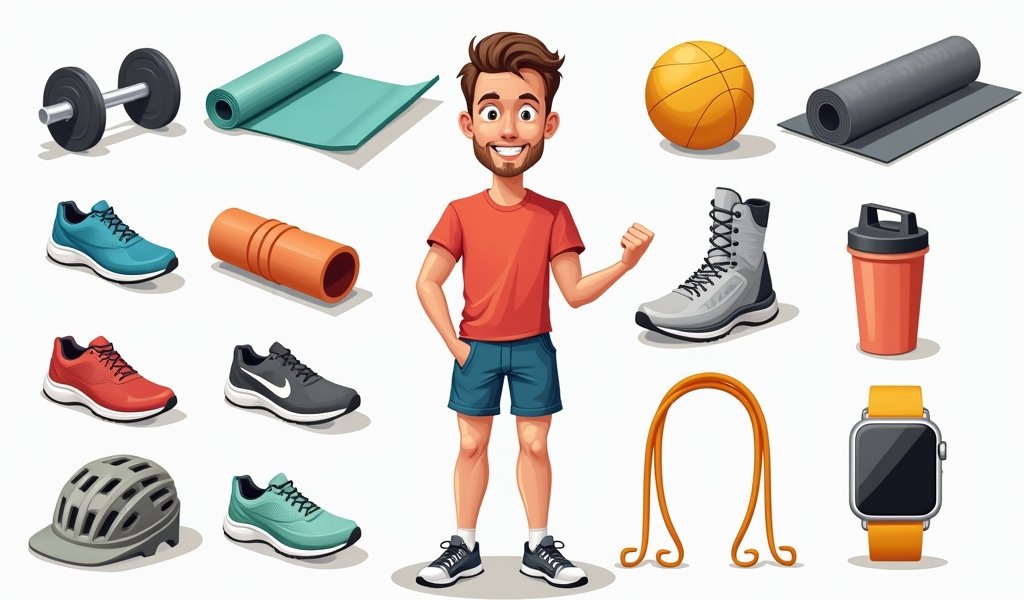
Like a gym rat with too many protein shakers but not enough muscles, this article details ten essential fitness products that actually deliver results instead of collecting dust. It covers smart watches, resistance bands, foam rollers, specialized shoes, adjustable dumbbells, yoga mats, smart water bottles, heart rate monitors, wireless earbuds, and insulated protein shakers—emphasizing how quality equipment reduces injury risk, improves performance, and creates psychological motivation for consistent workouts.
Table of Contents
- Introduction to Health and Fitness Gear
- Why Quality Fitness Equipment Matters
- Smart Watches: Your Fitness Companion
- Resistance Bands: Versatile Strength Training
- Foam Rollers: Recovery Essentials
- Specialized Workout Shoes
- Adjustable Dumbbells: Space-Saving Strength
- High-Quality Yoga Mats
- Smart Water Bottles
- Heart Rate Monitors
- Wireless Earbuds for Workouts
- Insulated Protein Shakers
- Why Trust Achieve Health Goals
- Conclusion
- Frequently Asked Questions
Introduction to Health and Fitness Gear
Finding the right fitness equipment can transform your health journey from a daily struggle into a sustainable lifestyle. As a health professional who’s spent over a decade in sports medicine and personal training, I’ve seen firsthand how the right gear can make or break fitness goals. The market is flooded with options, but not all products deliver on their promises. This comprehensive review focuses on ten essential pieces of fitness equipment that consistently prove their worth for both beginners and seasoned fitness enthusiasts.
Throughout my career, I’ve tested hundreds of products and gathered feedback from clients across all fitness levels. These ten selections represent the sweet spot between quality, functionality, and value – equipment that creates genuine results rather than gathering dust in your closet. Whether you’re building your home gym essentials or upgrading specific pieces of your fitness arsenal, these recommendations will guide you toward smarter investments.
Let’s dive into the gear that can genuinely elevate your fitness experience and help you achieve meaningful, lasting results. These aren’t just trending items – they’re proven tools that support proper form, enhance workout efficiency, and make the journey more enjoyable.
Why Quality Fitness Equipment Matters
Investing in quality fitness gear goes beyond simply having nice things. Proper equipment reduces injury risk by supporting correct form and movement patterns. When I worked with rehabilitation patients, I noticed those using subpar equipment often developed compensatory movement patterns that led to recurrent injuries. Quality gear creates mechanical advantage – helping you work with your body rather than against it.
Durability also plays a crucial role in the value equation. A well-made resistance band might cost twice as much as a budget option but last five times longer. This relationship between quality and longevity ultimately saves money while providing consistent performance. As research on exercise adherence shows, removing barriers to consistent workouts dramatically improves long-term success.
Finally, there’s the psychological component. Using equipment you genuinely enjoy increases workout consistency. One client, Sarah, struggled for years with sporadic exercise until she invested in proper running shoes and a quality fitness tracker. “The difference was immediate,” she told me. “Having gear that made me feel like an athlete – even as a beginner – changed how I approached each workout. Two years later, I haven’t missed a week.” This psychological boost shouldn’t be underestimated when building lasting habits.
Smart Watches: Your Fitness Companion
Smart watches have evolved from simple step counters into comprehensive health management systems. The best models now track everything from heart rate variability to sleep quality, providing insights that were once available only in medical settings. When selecting a fitness watch, prioritize accuracy over features – particularly for heart rate and GPS tracking, which form the foundation of useful data.
Battery life remains a critical consideration. The most advanced features mean little if your watch dies mid-workout. Look for models offering at least 5-7 days of standard use or 8+ hours in GPS mode. Water resistance is another non-negotiable feature, even if you’re not a swimmer – sweat and rain exposure happen in any serious fitness regimen.
Jason, our team’s marathon runner, put five leading models through rigorous testing during his training cycle. “What surprised me most was how the accuracy varied under different conditions. Some performed flawlessly during steady runs but lost tracking during interval training. The best ones maintained consistent measurements regardless of my movement patterns or environmental factors.” This kind of real-world testing reveals performance differences that specifications alone can’t capture.
The most valuable smart watches also offer actionable insights rather than just data collection. Look for devices with recovery monitoring, training load analysis, and customizable alerts that help optimize your training schedule. These features transform raw data into genuine training tools that help prevent overtraining while maximizing progress – precisely what you need for effective cardio workout plans.
Resistance Bands: Versatile Strength Training
Resistance bands deliver exceptional versatility in a lightweight, portable package. Unlike fixed weights, bands provide variable resistance throughout each movement, creating unique muscle recruitment patterns that complement traditional training. The best sets include multiple resistance levels and secure attachment options, allowing progressive overload – the fundamental principle of strength development.
Material quality makes a tremendous difference in both safety and longevity. Premium bands use layered latex or fabric-covered rubber that resists stretching out or snapping under tension. This construction maintains consistent resistance levels workout after workout. Cheaper alternatives may save money initially but quickly lose their effectiveness as the material degrades.
Miranda, a physical therapist and strength coach who advises our team, emphasizes bands for their joint-friendly properties: “For clients with joint sensitivity or those returning from injury, quality resistance bands provide smooth resistance curves that minimize stress at end ranges of motion. This makes them ideal for both rehabilitation and conventional strength training when used properly.” This balance of effectiveness and safety makes bands appropriate for nearly all fitness levels, from beginners starting strength training to advanced athletes.
Look for sets that include a door anchor and handles for maximum exercise variety. The ability to anchor bands creates opportunities for horizontal pulling movements that are otherwise difficult to perform without specialized equipment. This versatility makes bands an exceptional value proposition in any home fitness collection, especially for travelers or those with limited space.
Foam Rollers: Recovery Essentials
Recovery tools have gained deserved recognition as essential components of any complete fitness program. Foam rollers stand out for their effectiveness in myofascial release – breaking up adhesions between muscle layers that restrict movement and contribute to soreness. When selecting a foam roller, density matters more than price point. Medium-firm options provide enough pressure for effective release without excessive discomfort.
Texture variations serve different purposes. Smooth rollers work well for larger muscle groups and beginners, while textured designs with knobs and ridges target deeper tissues and trigger points. Having experienced both as a practitioner and user, I recommend starting with a smooth, medium-density roller and progressing to textured options as your body adapts to the sensation.
The science behind foam rolling continues to evolve, with research demonstrating benefits for recovery time, range of motion, and performance. For optimal results, spend 1-2 minutes per muscle group, focusing on slow, controlled movements rather than rapidly rolling back and forth. This methodical approach produces the greatest tissue change with minimal discomfort.
Incorporate foam rolling into your recovery techniques routine 3-5 times weekly, either post-workout or as standalone sessions on rest days. This frequency provides cumulative benefits that enhance overall movement quality while reducing injury risk – a preventative approach that pays dividends through consistent training capacity.
Specialized Workout Shoes
Appropriate footwear provides the foundation for all standing exercises, yet many fitness enthusiasts underestimate its importance. Different activities demand specific shoe characteristics – running requires cushioning and energy return, while lifting benefits from stability and minimal heel drop. Using running shoes for weight training or cross-training shoes for marathon preparation creates biomechanical disadvantages that reduce performance and increase injury risk.
For strength training, look for shoes with incompressible soles that won’t collapse under load. This stability creates efficient force transfer from your body to the ground, maximizing power output during lifts. Minimal heel elevation (0-4mm drop) promotes proper weight distribution and ankle mobility during squats and deadlifts.
Marissa, a personal training client with chronic knee issues, experienced a dramatic turnaround after switching to proper training shoes. “I’d been lifting in running shoes for years, constantly fighting knee pain during squats. Switching to flat, stable shoes immediately improved my form and eliminated the pain I’d accepted as normal. It was such a simple fix for a problem I thought was permanent.”
For those engaging in varied training styles, cross-training shoes offer versatile performance across multiple modalities. These hybrid designs provide moderate cushioning with lateral stability, making them suitable for circuit training, HIIT workouts, and casual cardio. While they don’t optimize any single activity, they deliver acceptable performance across varied movement patterns – perfect for general fitness enthusiasts who enjoy diverse workouts.
Adjustable Dumbbells: Space-Saving Strength
Home gym setups often face space constraints that make traditional dumbbell sets impractical. Adjustable dumbbells solve this problem brilliantly by providing multiple weight options in a single compact footprint. The best systems offer quick weight changes between sets, smooth handle rotation, and secure locking mechanisms that prevent plates from shifting during use.
Weight increment size significantly impacts training progression. Systems offering 2.5-5lb adjustments allow for appropriate progression, particularly for smaller muscle groups and upper body exercises where 10lb jumps prove too dramatic. This granularity enables progressive overload – the systematic increase in training volume necessary for continued strength development.
Durability concerns once plagued adjustable dumbbells, but modern engineering has largely resolved these issues in quality brands. Look for models with minimal plastic components in load-bearing areas and robust adjustment mechanisms designed to withstand repeated use. The investment in a premium set typically pays for itself in longevity and reliability.
For space efficiency combined with training effectiveness, few pieces of equipment match adjustable dumbbells. They facilitate everything from basic strength movements to complex conditioning circuits, making them centerpieces of effective home fitness routines. Their versatility makes them appropriate for all experience levels, from beginners learning fundamental movements to advanced lifters maintaining strength during travel or home training phases.
High-Quality Yoga Mats
A superior yoga mat serves as more than just a floor covering – it creates a stable work surface for all ground-based exercises. Material density provides joint protection while preventing compression that would create instability. For most users, 5-6mm thickness balances cushioning with the ground connection necessary for balance poses and proper form.
Grip quality dramatically impacts safety and performance across various movement patterns. The best mats maintain traction even during intense, sweaty sessions – a feature particularly important for dynamic flows and challenging poses where slippage creates injury risk. Look for materials specifically engineered for wet grip rather than standard PVC that becomes slick with moisture.
Environmental considerations have led many manufacturers toward more sustainable materials without sacrificing performance. Natural rubber, cork, and recycled materials now compete effectively with traditional synthetic options, often providing superior grip and longevity. These eco-friendly alternatives typically cost more initially but maintain their properties longer than budget PVC mats.
Beyond yoga, a quality mat serves as a versatile training surface for mobility work, bodyweight exercises, and floor-based strength training. This multi-functionality makes it a core component of any home fitness environment, providing comfort and stability for diverse movement patterns. For those beginning regular yoga practice, mat quality dramatically influences both comfort and progress.
Smart Water Bottles
Hydration technology has advanced significantly beyond basic water containers. Today’s smart bottles track intake, remind you to drink, and even synchronize with fitness apps to customize hydration recommendations based on activity level. These features address a common fitness challenge – maintaining optimal hydration without conscious effort throughout busy days.
Temperature regulation capabilities extend usability across seasons and workout types. Double-wall vacuum insulation keeps cold liquids chilled for 24+ hours and hot beverages warm for 6-12 hours, making the same bottle useful year-round. This versatility eliminates the need for multiple containers while ensuring your hydration remains at palatable temperatures regardless of environmental conditions.
Material safety deserves careful consideration when selecting hydration equipment. Premium bottles use food-grade stainless steel or BPA-free plastics that don’t leach chemicals or absorb odors over time. This construction maintains beverage taste while eliminating exposure to potentially harmful compounds – particularly important for items used daily.
The connection between hydration and performance is well-established in sports science research, with even mild dehydration significantly impairing both cognitive and physical function. A quality water bottle that encourages consistent intake supports all aspects of your nutrition basics and training program, making it an essential accessory rather than a mere convenience.
Heart Rate Monitors
Accurate heart rate data provides the foundation for effective cardio training, making quality monitors invaluable training tools. Chest strap models remain the gold standard for accuracy, particularly during high-intensity activities where wrist-based sensors often struggle with motion artifacts. For serious cardio enthusiasts, this precision enables zone-specific training that maximizes cardiovascular adaptations while minimizing unnecessary fatigue.
Battery life and connectivity have improved dramatically in recent generations of heart rate monitors. The best current models offer 30+ hours of training time between charges and connect seamlessly with phones, watches, and fitness equipment. This integration creates a cohesive training ecosystem that automatically records and analyzes your cardiovascular data.
Training with heart rate data transforms subjective effort into objective metrics that guide program design. This quantification enables precise intensity management – crucial for both beginners avoiding excessive strain and advanced athletes targeting specific adaptations. The ability to verify training intensity removes guesswork from cardio programming, creating more predictable outcomes.
For those following structured cardio programs, heart rate recovery measurements provide valuable insights into cardiovascular health and training status. Monitoring how quickly your heart rate decreases after exertion offers a practical assessment of cardiovascular efficiency that correlates with overall fitness. This data helps track progress beyond performance metrics, providing motivation through quantifiable physiological improvements.
Wireless Earbuds for Workouts
Audio quality significantly impacts workout experience, with research showing music can reduce perceived exertion and improve endurance. Wireless earbuds designed specifically for fitness offer sweat resistance, secure fit during movement, and sound profiles optimized for exercise environments. These specialized features justify investing in dedicated workout headphones rather than using everyday models.
Battery life considerations extend beyond simple playback time. The best fitness earbuds offer 8+ hours of continuous use plus rapid charging capabilities that provide several hours of playback from just 10-15 minutes of charging. This quick-charge functionality ensures your audio won’t cut out during longer training sessions even if you forget to charge fully beforehand.
Ambient sound features create safer outdoor training experiences by allowing environmental awareness while maintaining audio quality. This technology filters in important sounds like traffic and conversations while blocking wind noise and other distractions. For runners and cyclists, this balance between immersion and awareness significantly improves safety during outdoor sessions.
Fit security remains the defining characteristic of effective workout earbuds. Models using multiple contact points, customizable ear tips, or over-ear hooks provide stability during dynamic movements that would dislodge standard earbuds. This stability eliminates the distraction of constantly adjusting slipping earbuds, allowing complete focus on workout performance rather than equipment management.
Insulated Protein Shakers
Modern protein shakers have evolved beyond simple mixing containers into sophisticated nutrition tools. Vacuum-insulated models maintain temperature for hours, allowing pre-mixed supplements to stay fresh and palatable throughout long training sessions. This temperature stability prevents the unpleasant experience of warm protein shakes while eliminating the need for separate hydration and nutrition containers.
Mixing technology has advanced significantly, with specialized designs that prevent clumping without requiring mixing balls or screens that create cleaning challenges. Rounded bottoms, engineered flow patterns, and textured interiors create smooth mixtures without additional components that can harbor bacteria when not properly cleaned.
Material quality directly impacts both durability and taste preservation. Premium shakers use odor-resistant stainless steel or specialized plastics that don’t retain flavors between uses. This construction maintains consistent taste regardless of how frequently you use the container – a significant improvement over basic models that quickly develop persistent odors.
Leakproof design remains essential for practical daily use, particularly when transporting prepared supplements to work or the gym. Quality shakers feature multiple sealing points, secure threading, and locking mechanisms that prevent embarrassing spills in gym bags or vehicles. This reliability eliminates a common friction point that discourages consistent supplement use for many fitness enthusiasts.
Why Trust Achieve Health Goals
At Achieve Health Goals, our product recommendations stem from rigorous, hands-on testing rather than manufacturer claims or passing trends. Our team includes certified personal trainers, nutritionists, physical therapists, and everyday fitness enthusiasts who evaluate each product in real-world conditions over extended periods. This diverse testing group ensures our recommendations work for various body types, fitness levels, and training styles.
We maintain strict editorial independence, purchasing products at retail rather than accepting manufacturer samples. This approach eliminates the subtle bias that often accompanies “gifted” review products. When we recommend equipment, it’s because it genuinely outperformed alternatives – not because we received it for free or have affiliate relationships with specific brands.
Our evaluation criteria balance performance, durability, value, and user experience. We recognize that the “best” product varies based on individual needs, which is why we provide context for each recommendation rather than one-size-fits-all pronouncements. This nuanced approach helps you find equipment that genuinely serves your specific fitness goals and preferences.
Most importantly, we view fitness equipment as tools rather than solutions. Our recommendations always include practical guidance for effective use rather than promising magical results from mere ownership. This honest approach builds lasting trust with our community while creating realistic expectations about how equipment supports – rather than replaces – consistent effort and proper technique.
Conclusion
The right fitness equipment serves as a catalyst for consistent, effective training rather than a collection of gadgets. Each item in this guide addresses specific aspects of the fitness journey – from performance monitoring to recovery facilitation to workout optimization. When selected thoughtfully and used properly, these tools remove barriers between intention and action.
Remember that equipment quality matters most where it intersects with your primary goals. A dedicated runner benefits tremendously from premium running shoes but might use basic strength equipment. Conversely, someone focused on resistance training needs precision in their strength tools while using simpler cardio accessories. Align your investments with your priorities for maximum impact.
Start with versatile foundational pieces that serve multiple purposes – quality shoes, a reliable tracker, and basic strength equipment provide tremendous functionality with minimal investment. Add specialized tools as your expertise grows and your needs become more specific. This progressive approach builds a personalized fitness toolkit that genuinely enhances your training rather than creating clutter.
The ultimate measure of any fitness equipment is whether it facilitates consistent, enjoyable movement. The best gear disappears during use, allowing complete focus on the workout itself rather than equipment management. When you find tools that achieve this seamless integration, you’ve discovered the right equipment for your unique fitness journey.
Frequently Asked Questions
What’s the one fitness item worth splurging on?
Quality shoes appropriate for your primary activity provide the highest return on investment. They create the foundation for all standing exercises while significantly reducing injury risk.
How often should I replace my fitness equipment?
Shoes typically need replacement every 300-500 miles or 6-12 months of regular use. Other equipment should be assessed for performance degradation rather than following strict timelines.
Are expensive fitness trackers worth the price?
Mid-range trackers ($150-250) typically offer the best value, providing essential features with good accuracy. Premium features above this price point rarely justify the additional cost for most users.
What’s the most versatile piece of home gym equipment?
Adjustable dumbbells provide the greatest exercise variety in the smallest footprint. They enable hundreds of movements across all major muscle groups with minimal space requirements.
How do I know if my fitness gear is actually improving my workouts?
Effective equipment makes movement feel more natural and reduces mental friction around workout preparation. If you find yourself using certain items consistently without conscious effort, they’re serving their purpose well.