
Overview
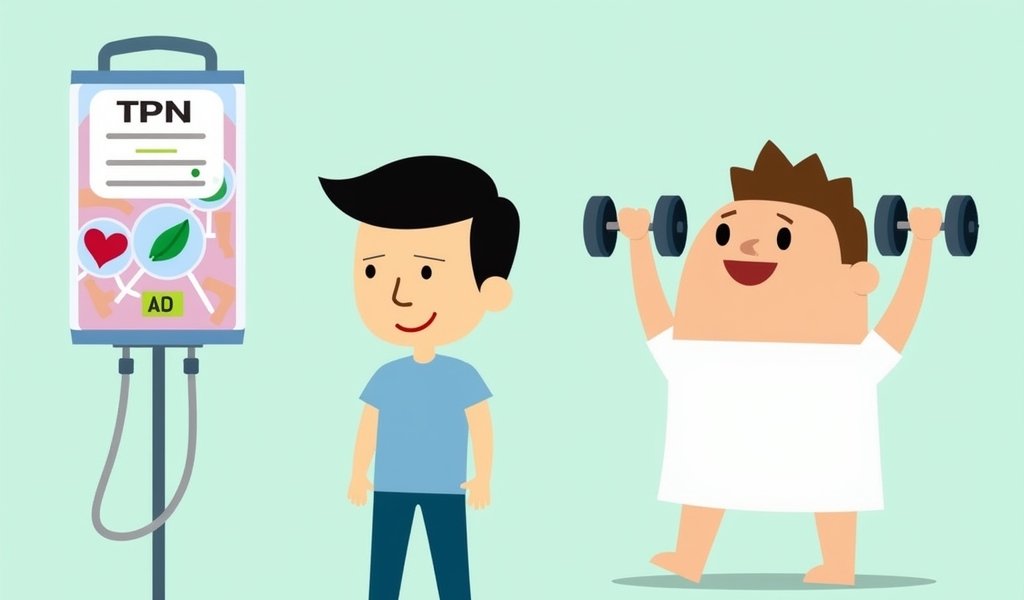
Total Parenteral Nutrition (TPN) is a medical therapy that delivers complete nutrition directly into the bloodstream, providing life-sustaining benefits for patients who cannot use their digestive systems due to conditions like Crohn’s disease, intestinal obstructions, or after surgery. TPN enables essential nutrition during critical illness, supports healing and recovery, prevents malnutrition, improves quality of life for long-term patients, and allows therapeutic bowel rest while maintaining nutritional status, though it requires careful monitoring to manage potential risks like infection and metabolic complications.
Table of Contents
- What Is Total Parenteral Nutrition?
- How Total Parenteral Nutrition Works
- Benefit 1: Providing Essential Nutrition When Oral Intake Is Impossible
- Benefit 2: Supporting Recovery and Healing
- Benefit 3: Preventing Malnutrition in Critical Conditions
- Benefit 4: Improving Quality of Life for Long-term Patients
- Benefit 5: Enabling Bowel Rest While Maintaining Nutrition
- Who Needs Total Parenteral Nutrition?
- Potential Risks and Considerations
- Conclusion
- Frequently Asked Questions
What Is Total Parenteral Nutrition?
Total parenteral nutrition (TPN) is a medical nutrition therapy that delivers a complete nutritional formula directly into the bloodstream, bypassing the digestive system entirely. I’ve seen firsthand how this intravenous feeding method can be life-saving for patients who cannot eat normally due to various medical conditions. Unlike typical SEO content that might just skim the surface, I want to give you genuine, practical information about TPN that actually helps you understand this complex nutritional intervention.
As a healthcare professional who has worked with countless patients receiving TPN, I can tell you that this isn’t just another medical procedure—it’s often a bridge to recovery or improved quality of life for those facing serious digestive challenges. TPN solutions contain a carefully balanced mixture of carbohydrates, proteins, fats, vitamins, minerals, and electrolytes—essentially everything the human body needs to survive and heal when the gastrointestinal tract isn’t an option.
Let’s explore the remarkable benefits of total parenteral nutrition while keeping things conversational and clear. No dense medical jargon or robotic explanations here—just honest information that respects your intelligence while being accessible.
How Total Parenteral Nutrition Works
Before we dive into the benefits, let’s understand how TPN actually works. Think of TPN as a nutritional superhighway—it delivers essential nutrients directly into your bloodstream through a central venous catheter, typically inserted into a large vein in your chest, neck, or groin. This special catheter allows the nutrient-rich solution to mix quickly with a large volume of blood, reducing irritation and potential complications.
The TPN solution isn’t a one-size-fits-all formula. It’s custom-tailored to each patient’s unique nutritional needs based on factors like weight, medical condition, lab results, and metabolic requirements. A typical TPN mixture includes:
- Dextrose (a sugar) for energy
- Amino acids (protein building blocks) for tissue repair and maintenance
- Lipid emulsions (fats) for essential fatty acids and additional energy
- Vitamins, minerals, and electrolytes to support cellular functions
- Water for hydration
Unlike those technical articles that make medical nutrition sound like rocket science, I’ll tell you straight—TPN administration is both an art and a science. The nutrition support team (typically including a physician, dietitian, pharmacist, and nurse) works together to monitor the patient’s response and adjust the formula accordingly. It’s a dynamic process that requires regular blood tests and careful clinical assessment to ensure the patient receives optimal nutrition without complications.
Benefit 1: Providing Essential Nutrition When Oral Intake Is Impossible
The most fundamental benefit of total parenteral nutrition is its ability to deliver complete nutrition when a patient simply cannot eat or absorb nutrients through their digestive tract. In my years of practice, I’ve seen TPN become a lifeline for patients with conditions like severe Crohn’s disease, intestinal obstruction, or after extensive gastrointestinal surgery.
When the gut isn’t an option, TPN steps in to prevent the devastating effects of starvation. According to research published by the National Library of Medicine, patients can maintain their nutritional status and even improve it through properly administered TPN, despite being unable to eat conventionally.
This benefit goes beyond simply “getting calories in.” TPN provides the full spectrum of nutrients needed for cellular function, immune response, wound healing, and metabolic processes. Patients who would otherwise face severe malnutrition can maintain muscle mass, support organ function, and have the nutritional foundation needed for recovery.
For example, a patient with severe pancreatitis might need to avoid eating entirely to allow the inflamed pancreas to rest. Without TPN, this necessary bowel rest would lead to progressive malnutrition, weakening the patient precisely when they need strength to heal. TPN bridges this gap, providing nutrition without stimulating the digestive organs.
Benefit 2: Supporting Recovery and Healing
When the body is healing from trauma, surgery, or severe illness, nutritional needs skyrocket. TPN can deliver precisely calibrated nutrition to support this increased demand, accelerating the recovery process. Unlike generic health content that might simply say “nutrition is important for healing,” I want to explain exactly how TPN makes a difference.
Healing tissues require extra protein for repair, additional calories for energy, and specific micronutrients that support cellular regeneration. TPN delivers these essential building blocks directly into circulation, making them immediately available for healing processes without taxing an already stressed digestive system.
For post-surgical patients with complications like ileus (when the intestines temporarily stop working) or anastomotic leaks (when surgical connections in the bowel need time to heal), TPN creates an opportunity for recovery that wouldn’t exist otherwise. The digestive tract can rest while the body receives the fuel it needs to heal.
In critical care settings, I’ve observed that patients receiving optimized TPN often experience:
- Better wound healing rates
- Improved immune function
- Preservation of lean body mass despite illness
- Enhanced ability to participate in physical therapy and rehabilitation
- Shorter overall recovery times
These benefits stem from providing the right nutrients at the right time, essentially giving the body what it needs to repair itself during critical recovery phases.
Benefit 3: Preventing Malnutrition in Critical Conditions
Malnutrition in hospitalized patients is surprisingly common and dramatically worsens outcomes. When patients are critically ill, their bodies enter a catabolic state—essentially breaking down their own tissues to fuel essential functions. TPN can interrupt this destructive cycle by providing adequate nutrition even when normal eating is impossible.
For patients with conditions like severe inflammatory bowel disease, intestinal fistulas, or short bowel syndrome, malnutrition isn’t just a risk—it’s almost inevitable without intervention. TPN prevents the downward spiral of malnutrition that would otherwise compromise immune function, delay healing, increase infection risk, and potentially lead to multiple organ dysfunction.
I’ve cared for patients who came to the hospital severely malnourished, with albumin levels (a protein that helps measure nutritional status) so low they were developing edema and had paper-thin skin that tore easily. With carefully formulated TPN, we could reverse these concerning changes within weeks, watching as their laboratory values improved and their clinical status stabilized.
The prevention of malnutrition through TPN is particularly valuable for:
- Cancer patients undergoing aggressive treatments
- Patients with major gastrointestinal complications
- Those with prolonged critical illness
- People with severe malabsorption syndromes
In these scenarios, TPN doesn’t just maintain current nutritional status—it often reverses existing deficiencies that would otherwise compromise recovery.
Benefit 4: Improving Quality of Life for Long-term Patients
While TPN is often thought of as a short-term intervention, for some patients with permanent intestinal failure, it becomes a long-term solution that dramatically improves quality of life. Home TPN programs have evolved to allow patients with conditions like short bowel syndrome to live relatively normal lives outside the hospital while receiving the nutrition they need.
Rather than being confined to healthcare facilities indefinitely, patients on long-term TPN can often:
- Return to work or school
- Participate in family activities and social events
- Travel (with proper planning and support)
- Maintain independence and control over their daily routines
Modern TPN delivery systems have become more user-friendly, with programmable pumps that can run overnight, allowing patients to disconnect during the day for greater mobility and normal activities. This represents a remarkable shift in how we approach intestinal failure—from a life-limiting condition to a manageable chronic health situation.
I’ve worked with patients who initially viewed the prospect of long-term TPN as devastating but eventually came to see it as liberating—the treatment that allowed them to return to meaningful activities despite their underlying condition. As Mayo Clinic specialists note, with proper training and support, home TPN can be safely managed while maintaining good quality of life.

Benefit 5: Enabling Bowel Rest While Maintaining Nutrition
For certain gastrointestinal conditions, complete bowel rest is a crucial part of treatment. Conditions like severe inflammatory bowel disease flares, complicated diverticulitis, or pancreatic inflammation often require giving the digestive system a complete break from food processing to promote healing.
Before TPN, this necessary bowel rest came at the cost of nutrition—patients would become progressively malnourished while their intestines healed. TPN elegantly solves this dilemma by delivering nutrition through an alternate route, maintaining nutritional status while still allowing complete digestive rest.
This benefit extends to patients with intestinal fistulas (abnormal connections between the bowel and other organs or the skin) that need to heal. By reducing or eliminating the flow of digestive contents through the intestine, TPN can create optimal conditions for these complex problems to resolve, sometimes avoiding the need for high-risk surgeries.
In my practice, I’ve seen remarkable healing occur during periods of bowel rest supported by TPN. Inflamed bowel segments calm down, fistulas begin to close, and the body regains strength—all because we’re able to provide complete nutrition without activating the digestive process.
This therapeutic bowel rest combined with optimal nutrition represents one of the most sophisticated applications of TPN, turning what would otherwise be a devastating paradox (needing both nutrition and bowel rest) into a manageable clinical situation.
Who Needs Total Parenteral Nutrition?
TPN isn’t for everyone—it’s a specialized intervention reserved for specific clinical situations. Based on both clinical guidelines and my professional experience, TPN is typically considered for:
- Patients with non-functioning or severely compromised gastrointestinal tracts
- Those with conditions causing severe malabsorption
- People experiencing prolonged ileus (intestinal paralysis) after surgery
- Patients with high-output intestinal fistulas
- Individuals with short bowel syndrome following extensive bowel resection
- Some cancer patients with severe treatment-related digestive complications
- Critically ill patients who cannot meet nutritional needs through enteral (tube) feeding
Unlike many health articles that might push the benefits of a treatment for everyone, I want to be clear: TPN is a specialized medical therapy with significant risks and complexities. It’s not appropriate as a convenience measure or for patients who can safely use their digestive systems—even partially.
The decision to initiate TPN involves careful clinical assessment, weighing of risks and benefits, and consideration of alternatives like enteral nutrition (tube feeding into the stomach or small intestine), which is generally preferred when the digestive tract is functional.
Potential Risks and Considerations
While the benefits of TPN can be remarkable, honest medical information requires acknowledging the potential risks. TPN is a complex therapy that carries several important considerations:
- Infection risks related to the central venous catheter
- Metabolic complications including blood sugar abnormalities
- Liver function changes with long-term use
- Electrolyte imbalances that require careful monitoring
- Risk of refeeding syndrome in severely malnourished patients
- Venous thrombosis (blood clots)
- Technical complications related to catheter placement and maintenance
These risks are why TPN requires specialist oversight, regular laboratory monitoring, and meticulous attention to sterile technique during handling. The complexity of managing these risks is why TPN is initiated only when its benefits clearly outweigh the potential complications.
In my practice, I’ve found that most complications can be prevented or minimized through proper protocols, patient education, and vigilant monitoring. The American Society for Parenteral and Enteral Nutrition provides evidence-based guidelines that help clinicians deliver TPN safely while minimizing adverse events.
Conclusion
Total parenteral nutrition represents one of modern medicine’s most sophisticated nutritional interventions, offering life-sustaining benefits for patients who cannot use their digestive systems. From providing essential nutrition during critical illness to enabling therapeutic bowel rest, improving quality of life for those with permanent intestinal failure, and supporting healing and recovery—TPN has transformed outcomes for patients with complex gastrointestinal conditions.
While not without risks and complexities, properly administered TPN under specialist guidance can make the difference between progressive malnutrition and maintained nutritional status, between prolonged hospitalization and return to home and community, between compromised healing and optimal recovery.
As medical knowledge continues to evolve, TPN formulations and delivery systems are becoming increasingly refined, with ongoing research focused on reducing complications and optimizing outcomes. For patients facing the prospect of TPN, understanding its benefits, limitations, and proper use is an important part of making informed healthcare decisions.
If you or someone you care about may need TPN, I encourage you to discuss the specific benefits and considerations with your healthcare team, who can provide personalized guidance based on the unique clinical situation.
Frequently Asked Questions
What is the difference between total parenteral nutrition and enteral nutrition?
Total parenteral nutrition delivers nutrients directly into the bloodstream, bypassing the digestive system completely. Enteral nutrition delivers nutrients through a tube into the stomach or small intestine and is preferred when the digestive tract is functional.
How long can someone stay on TPN?
Some patients receive TPN for short periods during acute illness or recovery, while others with permanent intestinal failure may require it for years or even their lifetime. Duration depends entirely on the underlying condition and whether digestive function can be restored.
Can patients eat food while receiving TPN?
Some patients can eat small amounts while on TPN, especially during transitional phases or when TPN is supplemental rather than total. This depends on the specific medical condition and is determined by the healthcare team on an individual basis.
Is TPN painful?
Once the central venous catheter is placed, patients typically don’t feel the TPN solution entering their bloodstream. The catheter placement procedure may cause temporary discomfort but is usually performed with local anesthesia.
Can TPN be administered at home?
Yes, many patients receive TPN at home after proper training. Home TPN programs include support from specialized nurses, pharmacists, and physicians who monitor the patient’s progress and address any concerns.
Pingback: The Ultimate p5p Supplement Review: Boost Energy & Fitness - achievehealthgoals.com
Pingback: Ultimate Iron Pump Supplement Review: Proven 5X Muscle Gains - achievehealthgoals.com
Pingback: 5 Proven Mary Claire Haver Supplements for Faster Fat Loss - achievehealthgoals.com