
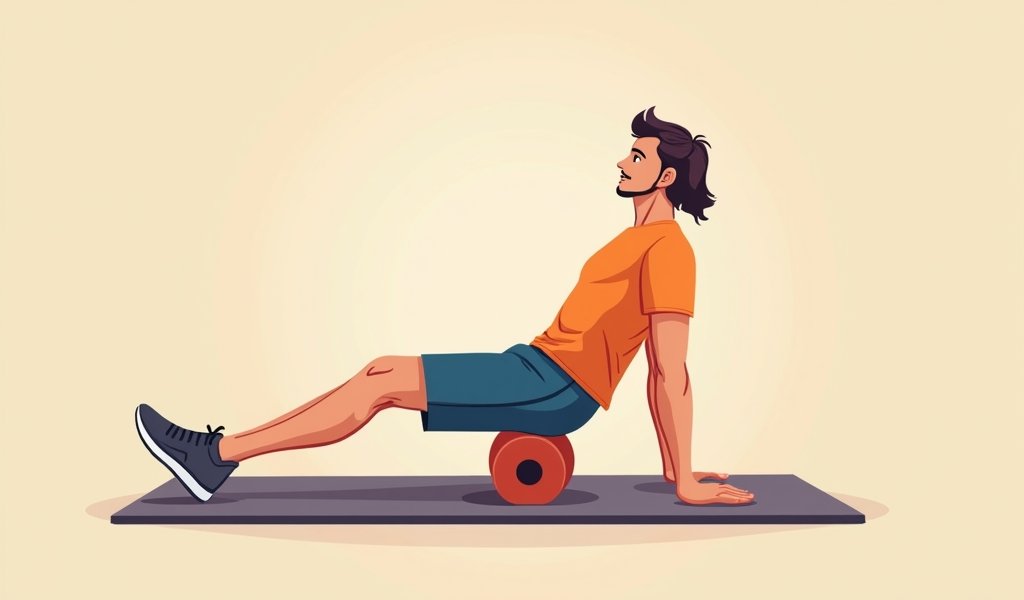
Overview
Who knew that the tiny rubber band connecting your kneecap could cause such a dramatic life pause when it decides to call it quits! This article outlines seven evidence-based strategies for optimizing torn patellar tendon recovery, including immediate post-injury care, dedicated physical therapy, proper nutrition, quality sleep, effective pain management, mental wellness maintenance, and a carefully planned gradual return to activity—all while emphasizing that patience and comprehensive rehabilitation are essential for complete healing and long-term knee health.
Table of Contents
- Understanding Torn Patellar Tendon Injuries
- Typical Recovery Timeline: What to Expect
- Tip 1: Immediate Post-Injury Care Matters
- Tip 2: Commit to Physical Therapy and Rehabilitation
- Tip 3: Optimize Your Nutrition for Healing
- Tip 4: Prioritize Quality Sleep
- Tip 5: Master Smart Pain Management
- Tip 6: Maintain Mental Wellness
- Tip 7: Plan a Gradual Return to Activity
- Conclusion
- Frequently Asked Questions
A torn patellar tendon can be a devastating injury that significantly impacts your mobility and quality of life. As an orthopedic specialist who’s helped countless patients through this challenging recovery process, I’m sharing proven strategies to help you heal faster without compromising long-term outcomes. Whether you’re an athlete eager to return to sport or simply want to regain your normal function, these evidence-based tips can help reduce your torn patellar tendon recovery time while ensuring proper healing.
Understanding Torn Patellar Tendon Injuries
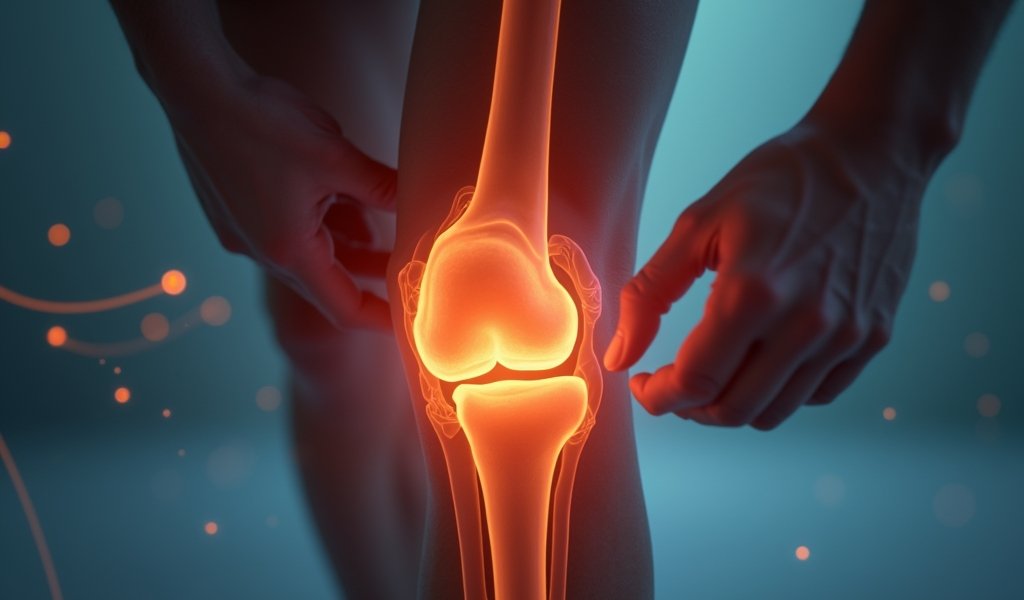
The patellar tendon connects your kneecap (patella) to your shinbone (tibia) and plays a crucial role in straightening your knee. When this tendon tears partially or completely, the consequences are immediate and often dramatic. You might hear a popping sound, experience sudden pain, feel your knee buckle, and notice swelling developing quickly.
Complete tears typically require surgical repair, while partial tears might be managed non-operatively in some cases. The severity of your tear significantly influences recovery duration, with complete tears generally requiring 6-12 months for full rehabilitation. Your age, overall health, activity goals, and compliance with rehabilitation protocols also play major roles in determining how quickly you’ll recover.
What many patients don’t realize is that patellar tendon recovery isn’t just about the tendon healing—it’s about restoring proper quadriceps function, knee mechanics, and rebuilding confidence in your knee’s stability. That’s why a comprehensive approach is essential for optimal recovery.
Typical Recovery Timeline: What to Expect
Before we dive into acceleration strategies, let’s establish realistic expectations. For surgically-repaired complete tears, most patients follow a timeline something like this:
- 0-6 weeks: Immobilization and protection phase with limited weight-bearing
- 6-12 weeks: Progressive weight-bearing and initial range of motion exercises
- 3-6 months: Strength rebuilding and functional exercise progression
- 6-9 months: Advanced strengthening and return to modified activities
- 9-12 months: Sport-specific training and potential full return to activities
For partial tears managed conservatively, this timeline may be compressed, but the phases remain similar. Remember that healing biology does have certain constraints—no “hack” can completely circumvent the fundamental processes of inflammation, proliferation, and remodeling that comprise tissue healing.
That said, there’s substantial evidence that specific interventions can optimize these natural processes and help you recover more efficiently. Let’s explore the seven most effective strategies that can potentially reduce your overall recovery time.
Tip 1: Immediate Post-Injury Care Matters
The actions you take in the first 72 hours after injury can significantly influence your overall recovery timeline. The traditional RICE protocol (Rest, Ice, Compression, Elevation) remains valuable, but with some modern refinements.
For the first 48-72 hours, focus on controlling inflammation without completely eliminating it (since some inflammatory response is necessary for healing). Apply ice for 15-20 minutes every 2-3 hours while awake, use a compression bandage or sleeve to minimize swelling, and keep your leg elevated above heart level when resting.
Avoid anti-inflammatory medications during this initial period unless specifically prescribed by your doctor. Research suggests these medications may actually impair the initial healing response when taken too early.
Once you’ve received medical evaluation and treatment guidance (which should happen as soon as possible after injury), follow your healthcare provider’s instructions precisely regarding weight-bearing restrictions and immobilization. This early protection phase is crucial for allowing the initial healing process to establish properly—rushing it can extend your overall recovery by months.
Tip 2: Commit to Physical Therapy and Rehabilitation
If there’s one factor that consistently separates patients who recover quickly from those who don’t, it’s dedication to rehabilitation. Physical therapy isn’t just something you “check off” with occasional attendance—it’s a commitment to daily work that progressively rebuilds your knee function.
Find a physical therapist experienced in patellar tendon rehabilitation, ideally someone who’s worked with athletes if you’re planning to return to sports. A skilled therapist will develop a personalized program that progresses at the optimal pace for your specific situation—challenging enough to stimulate adaptation but not so aggressive that it causes setbacks.
Expect to perform home exercises daily between PT sessions. These aren’t optional—they’re essential components of your recovery program. Studies show that patients who adhere closely to their home exercise programs recover function significantly faster than those who only complete in-clinic work.
Modern rehabilitation often incorporates blood flow restriction (BFR) training, which allows for strength gains with lighter weights—particularly valuable during early recovery phases. Ask your physical therapist if this might be appropriate for your situation.
Don’t underestimate the importance of addressing the entire kinetic chain—not just your knee. Hip and core strengthening will be crucial components of comprehensive rehabilitation that reduces re-injury risk and optimizes function.
Tip 3: Optimize Your Nutrition for Healing
Your body needs specific nutritional resources to repair damaged tissue efficiently. While no diet can magically heal a torn tendon overnight, strategic nutrition can create an optimal internal environment for recovery.
Protein intake is particularly important. Aim for 1.6-2.0 grams of high-quality protein per kilogram of body weight daily, spread across meals. This provides the amino acid building blocks your body needs for tissue repair. Collagen supplementation with vitamin C (taken about an hour before rehabilitation exercises) has also shown promise for supporting tendon healing in clinical research.
Anti-inflammatory foods like fatty fish, berries, nuts, olive oil, and leafy greens can help modulate excessive inflammation without completely suppressing the healing response. Stay well-hydrated and ensure adequate vitamin D levels, as deficiency can impair tissue healing and muscle function.
Avoid excessive sugar and processed foods, which can promote inflammation and potentially slow healing. If your appetite is decreased following surgery or due to reduced activity, consider working with a registered dietitian who specializes in sports nutrition or rehabilitation to ensure you’re meeting your nutritional needs during recovery.
Tip 4: Prioritize Quality Sleep
Sleep isn’t just rest—it’s when your body conducts much of its repair work. Consistently poor sleep can significantly extend recovery time for musculoskeletal injuries, including patellar tendon tears.
Aim for 7-9 hours of quality sleep nightly. If pain is disrupting your sleep, work with your healthcare provider to develop a pain management strategy specifically for nighttime. Consider using pillows strategically to support your injured leg in a comfortable position.
Establish a consistent sleep schedule and routine, avoiding screens for at least an hour before bedtime. The blue light from devices can suppress melatonin production and make falling asleep more difficult. Create a cool, dark sleeping environment and consider relaxation techniques like deep breathing or progressive muscle relaxation if anxiety about your injury is keeping you awake.
Tip 5: Master Smart Pain Management
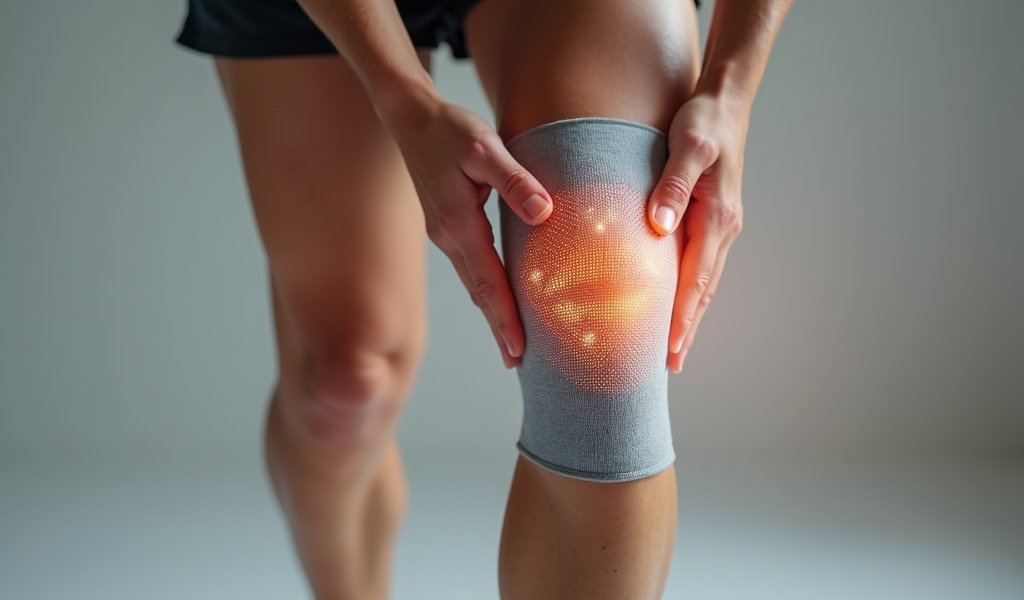
Effectively managing pain without over-relying on medication is a delicate but important balance. Uncontrolled pain can limit your ability to perform rehabilitation exercises and disrupt sleep, both of which can extend recovery time.
Work with your healthcare provider to develop a multi-modal pain management approach. This might include appropriate medication, especially during the early phases, combined with non-pharmaceutical approaches like cryotherapy (controlled cold application), appropriate activity modification, and possibly modalities like TENS (transcutaneous electrical nerve stimulation).
As you progress, be attentive to the difference between “good pain” (the mild discomfort of appropriate tissue loading during rehabilitation) and “bad pain” (sharp, severe, or increasing pain that may indicate you’re pushing too hard). Learning this distinction is crucial for optimal recovery pacing.
Research indicates that pain neuroscience education—understanding how and why we experience pain—can actually improve outcomes in musculoskeletal rehabilitation. Ask your physical therapist about educational resources that might help you better understand and manage your pain experience.
Tip 6: Maintain Mental Wellness
The psychological aspect of recovering from a serious injury like a torn patellar tendon is often underappreciated. Frustration, anxiety, and even depression can emerge during the lengthy recovery process, and these mental states can actually impair physical healing through various physiological mechanisms.
Set realistic, incremental goals throughout your recovery process. Celebrating small victories—like achieving a new range of motion benchmark or progressing to a more advanced exercise—provides motivation and a sense of progress during a lengthy recovery.
Consider working with a sport psychologist or mental health professional experienced in injury recovery, particularly if you’re an athlete. Techniques like visualization, mindfulness, and cognitive behavioral strategies have been shown to support both psychological well-being and physical recovery outcomes.
Stay connected socially and find ways to maintain involvement in activities you enjoy, modified as necessary for your current capabilities. Isolation can worsen the psychological burden of injury and potentially slow your physical recovery through various stress-related mechanisms.
Tip 7: Plan a Gradual Return to Activity
One of the most common mistakes patients make is rushing back to pre-injury activities too soon. This eagerness is understandable but often results in setbacks that ultimately extend total recovery time.
Work with your healthcare team to develop clear, objective criteria for activity progression rather than relying solely on time milestones or subjective feelings. These criteria typically include strength measurements (compared to your uninjured leg), functional tests, and movement quality assessments.
When returning to sports or demanding physical activities, implement a graduated exposure approach. For example, a runner might start with a walk-jog program at 50% of pre-injury volume, progressing by no more than 10-15% per week if no symptoms develop. Athletes should master practice environments before returning to competition.
Maintenance exercises should continue even after you’ve returned to full activities. Evidence suggests that ongoing prehabilitation significantly reduces re-injury risk and supports long-term tendon health.
Consider working with a strength and conditioning specialist during the later phases of rehabilitation to optimize your return to performance. They can help bridge the gap between clinical rehabilitation and sport-specific demands.
Conclusion
Recovering from a torn patellar tendon requires patience, dedication, and a comprehensive approach that addresses not just the injured tissue, but your entire physical and mental well-being. While the biological healing process has certain time constraints, implementing these seven strategies can help you optimize each phase of recovery and potentially reduce your total rehabilitation time.
Remember that the goal isn’t just to heal quickly—it’s to heal completely and build a foundation for long-term knee health. The extra effort you invest in thorough rehabilitation now can pay dividends for years to come in the form of better function, reduced re-injury risk, and confidence in your recovered knee.
Every patient’s recovery journey is unique, so work closely with your healthcare team to adapt these principles to your specific situation. With commitment to the process and the right support, you can maximize your outcomes and get back to the activities you love as efficiently as possible.
Frequently Asked Questions
How long does it take to recover from a torn patellar tendon?
Recovery from a surgically repaired complete tear typically takes 6-12 months for full return to activities. Partial tears may heal more quickly, but still require several months of progressive rehabilitation.
Will I need surgery for my torn patellar tendon?
Complete tears almost always require surgical repair, while partial tears may be treated non-operatively depending on the severity and your activity goals. Your orthopedic surgeon will evaluate your specific case to determine the optimal treatment approach.
When can I start walking after patellar tendon surgery?
Most patients begin partial weight-bearing with crutches and a brace around 2-6 weeks post-surgery, progressing to full weight-bearing by 6-8 weeks. Your surgeon will provide specific instructions based on your procedure and healing progression.
Can I speed up my patellar tendon recovery?
While the biological healing process has certain time constraints, optimizing nutrition, sleep, adherence to rehabilitation, and proper pain management can help you recover more efficiently. Avoid shortcuts that might compromise long-term outcomes.
What exercises should I avoid during patellar tendon recovery?
Initially avoid deep squats, lunges, jumping, and any activities that cause pain. Your physical therapist will guide your exercise progression based on healing phases, gradually introducing more challenging movements as your tendon heals.