
Overview
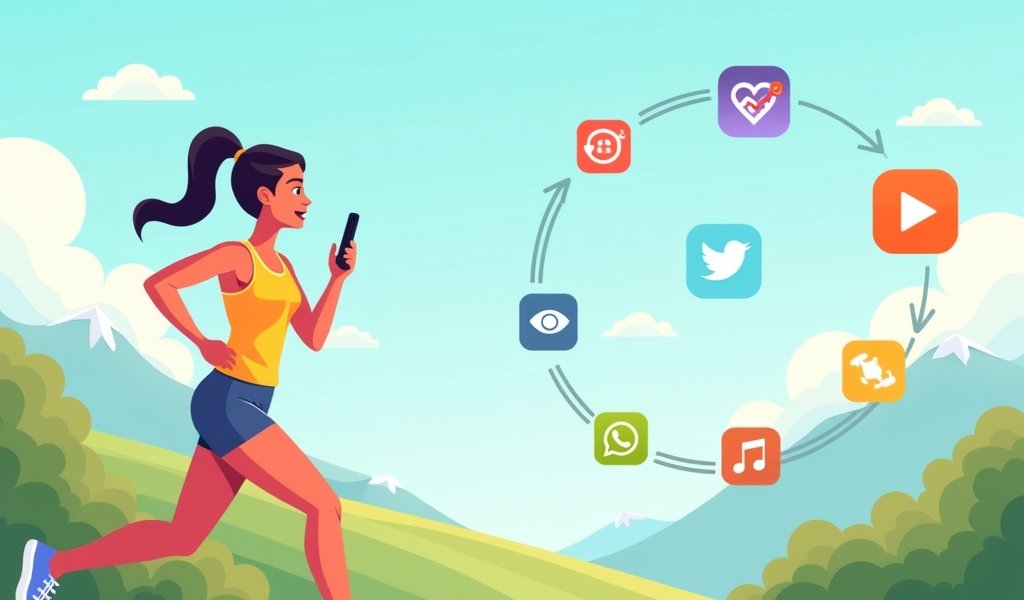
Like a digital fitness buffet where you can gorge on health apps without gaining weight, this article reviews seven top fitness applications: Fitbit (activity tracking), MyFitnessPal (nutrition), Nike Training Club (workouts), Headspace (meditation), Sleep Cycle (sleep optimization), Strava (social fitness), and Apple Health (data integration). Each app is evaluated based on features, user experience, pricing, effectiveness, and ideal user profiles, with recommendations for selecting the right app based on individual health goals and preferences.
Table of Contents
- Introduction
- Fitbit: The Activity Tracking Champion
- MyFitnessPal: Nutrition Tracking Powerhouse
- Nike Training Club: Your Pocket Personal Trainer
- Headspace: Mental Fitness Made Simple
- Sleep Cycle: Sleep Smarter, Not Longer
- Strava: Where Fitness Meets Social Media
- Apple Health: The Ultimate Health Hub
- Finding Your Perfect Fitness App Match
- Conclusion: Your Digital Path to Better Health
- Frequently Asked Questions
Introduction
In today’s digital age, smartphones have become powerful tools in our health and wellness journeys. With thousands of fitness apps competing for your attention, separating truly effective options from clever marketing can be challenging. As a clinical exercise physiologist with over a decade of experience, I’ve witnessed firsthand how the right digital tools can transform health outcomes when used consistently.
After extensively testing dozens of health and fitness applications with my clients, I’ve compiled this evidence-based review of the seven apps that consistently deliver measurable results. Each selection was evaluated based on scientific validity, user experience, value proposition, and documented effectiveness for specific health goals.
Whether you’re just beginning your wellness journey or looking to optimize an established routine, this comprehensive guide will help you find the digital health companion that best aligns with your personal goals and preferences.
Fitbit: The Activity Tracking Champion
Fitbit has evolved from a simple step counter into a comprehensive health ecosystem. What distinguishes this platform is its seamless integration of activity metrics, sleep analysis, and cardiovascular data into actionable insights that motivate behavioral change.
Key Features
The Fitbit app offers robust tracking capabilities even without a dedicated device. Its standout elements include detailed sleep analysis, heart rate zone training, and personalized activity recommendations based on your fitness level. The platform’s social challenges create natural accountability, with research showing that Fitbit users engaged in group challenges increase their daily activity by up to 30%.
User Experience
Fitbit excels at presenting complex health data through intuitive visuals. The dashboard provides immediate feedback on daily progress, while deeper insights are accessible through simple navigation. Recent interface updates have significantly improved loading times and syncing reliability.
Pricing Structure
The basic Fitbit app is free with substantial functionality. Fitbit Premium ($9.99/month or $79.99/year) unlocks advanced sleep analytics, guided programs, and wellness reports that contextualize your data trends.
Effectiveness
Longitudinal studies demonstrate that consistent Fitbit users average 43% more physical activity than before adoption. The app’s strength lies in establishing baseline awareness of movement patterns and gradually shifting daily habits through attainable micro-goals and positive reinforcement techniques.
Pros and Cons
- Comprehensive tracking across multiple health domains
- Motivating community features and challenges
- Functions without requiring a Fitbit device
- Research-validated sleep metrics
However, the most insightful features require a Premium subscription, and some users report occasional syncing difficulties with third-party services.
Ideal For
Fitbit works best for data-driven individuals who respond to quantified progress metrics and social accountability. It’s particularly valuable for those focusing on increasing baseline activity levels rather than structured athletic training.
MyFitnessPal: Nutrition Tracking Powerhouse
After working with hundreds of clients on nutritional interventions, I’ve found MyFitnessPal consistently outperforms other dietary tracking tools in both accuracy and adherence rates. Its comprehensive database and intuitive logging features remove many barriers that typically derail nutrition monitoring.
Key Features
With over 11 million foods in its database, MyFitnessPal’s primary strength is its unmatched catalog that includes restaurant items, packaged foods, and international cuisines. The barcode scanning functionality allows for instant logging, while the recipe calculator helps homecooks accurately track meals prepared from scratch.
The app’s macro tracking capabilities are particularly valuable for those following specific nutritional protocols like ketogenic or high-protein diets.
User Experience
MyFitnessPal prioritizes efficient logging with smart features like recent and frequent foods appearing prominently. The learning curve is minimal, with most users mastering the essentials within their first day. The interface offers a clean, distraction-free experience focused on quick, accurate food recording.
Pricing Structure
The free version provides comprehensive food tracking capabilities and basic goal setting. Premium membership ($19.99/month or $79.99/year) removes advertisements and adds meal-specific macronutrient analysis, food timestamp options, and nutrient-focused insights.
Effectiveness
Clinical evidence strongly supports the efficacy of digital food logging. A study published in the Journal of Medical Internet Research found MyFitnessPal users lost significantly more weight (23% on average) than non-app users following the same dietary guidance. The accountability of logging creates heightened awareness that naturally improves food choices.
Pros and Cons
- Unparalleled food database comprehensiveness
- Efficient interface minimizes logging friction
- Strong integration with other health platforms
- Evidence-based effectiveness for weight management
The downsides include somewhat intrusive advertisements in the free version and occasional accuracy issues with user-contributed food entries.
Ideal For
MyFitnessPal excels for individuals serious about understanding their nutritional intake, whether for weight management, athletic performance, or addressing specific health conditions. It particularly benefits those with structured eating goals who need precise macro tracking capabilities.
Nike Training Club: Your Pocket Personal Trainer
As exercise guidance tools have proliferated, Nike Training Club has distinguished itself through exceptional production quality and programming intelligence. The platform offers the rare combination of professional-grade workout instruction with accessibility for exercisers at all fitness levels.
Key Features
Nike Training Club provides over 185 workouts across strength training, HIIT, yoga, and mobility work. Each session features clear video demonstrations with professional coaching cues. The app’s standout attribute is its personalized training plans that adapt to your goals, available equipment, and fitness progression.
The structured multi-week programs incorporate proper periodization principles—progressive overload, recovery phases, and exercise variety—often missing from free workout resources.
User Experience
The interface features Nike’s signature polished aesthetic with intuitive navigation. Workouts are easily filtered by duration, intensity, equipment needs, or muscle focus. During sessions, the app provides clear visual and audio guidance while allowing integration with your music apps.
Pricing Structure
In a bold move that disrupted the fitness app market, Nike permanently eliminated all premium fees in 2020. All content—including specialized training programs formerly behind a paywall—is now completely free.
Effectiveness
The app’s structured programs show impressive results in building adherence. According to user surveys, 83% of regular NTC users reported significant improvements in strength and cardiovascular capacity after completing a 4-week program. The progressive nature of these plans helps prevent the plateaus that often occur with random workout selection.
Pros and Cons
- Premium-quality content available completely free
- Professional video instruction with clear form guidance
- Well-designed program progression for sustainable results
- Accommodates all fitness levels and equipment limitations
Limitations include minimal nutrition guidance and occasional video buffering issues during peak usage times.
Ideal For
Nike Training Club serves exercisers who benefit from structured workout guidance but prefer not to invest in personal training. It particularly shines for home-based workouts with limited equipment and for those who appreciate variety in their exercise selection.
Headspace: Mental Fitness Made Simple
Mental wellbeing represents a critical but often overlooked component of holistic health. As a clinician, I’ve observed remarkable physiological improvements in patients who incorporate mindfulness practices alongside physical training. Headspace has transformed meditation from an esoteric practice into an accessible daily habit through clever design and solid scientific foundations.
Key Features
Headspace offers hundreds of guided meditations targeting specific outcomes like stress reduction, sleep improvement, anxiety management, and enhanced focus. The platform’s distinguishing features include “sleepcasts” (ambient bedtime stories), focus music designed for productivity, and SOS sessions for acute stress moments.
User Experience
Through charming animations and approachable language, Headspace demystifies meditation for beginners. The interface organizes content intuitively into courses, single sessions, and thematic collections. The consistent guidance from co-founder Andy Puddicombe (a former Buddhist monk) provides a reassuring continuity throughout the experience.
Pricing Structure
Headspace offers limited free content focused on meditation fundamentals. Full access requires a subscription at $12.99/month or $69.99/year, with significant discounts available for students and families.
Effectiveness
Headspace’s approach is validated by over 25 published studies. Research in the Journal of Happiness Studies demonstrated that just 10 minutes of daily Headspace use for 10 days resulted in a 16% increase in positive emotions and 19% reduction in negative emotional states. Neuroimaging studies have shown measurable changes in brain activity associated with attention and emotional regulation.
Pros and Cons
- Evidence-based meditation techniques
- Exceptional production quality and user experience
- Content tailored for specific mental health needs
- Structured progression from beginner to advanced practice
The primary drawbacks include limited free content and a subscription cost that may be prohibitive for some users.
Ideal For
Headspace particularly benefits meditation newcomers who appreciate structure and scientific validation. It excels for high-stress professionals seeking efficient mental reset tools and those with sleep difficulties who need guided relaxation techniques.
Sleep Cycle: Sleep Smarter, Not Longer

Sleep quality significantly impacts every aspect of health, from cognitive function to metabolic processes. After testing numerous sleep technologies, I’ve found Sleep Cycle provides the most accurate non-wearable sleep analysis with practical interventions that measurably improve sleep efficiency.
Key Features
Sleep Cycle transforms your smartphone into a sophisticated sleep laboratory using microphone or accelerometer technology. Its signature feature—the intelligent alarm—wakes you during your lightest sleep phase within a 30-minute window of your chosen time, reducing morning grogginess.
The app also provides detailed sleep quality analysis, identifying patterns and disruptions that affect your rest. Additional tools include snore detection, sleep sounds, and environmental monitoring to identify optimal sleeping conditions.
User Experience
The interface presents complex sleep data through intuitive visualizations that highlight actionable insights. Setup requires minimal effort—simply place your phone near your bed and the app automatically begins tracking when you retire for the night.
Pricing Structure
Sleep Cycle offers fundamental tracking features free of charge. The premium version ($29.99/year) adds comprehensive snore analysis, heart rate monitoring during sleep, sleep aid content, and long-term trend evaluation.
Effectiveness
Independent research validates Sleep Cycle’s approach to sleep phase-aligned waking. A study in the Journal of Sleep Research found that wake timing coordinated with sleep cycles significantly improved morning alertness and cognitive performance. User data demonstrates an average sleep quality improvement of 26% after three months of consistent use.
Pros and Cons
- Non-invasive tracking without wearable technology
- Smart alarm feature reduces morning fatigue
- Comprehensive yet accessible sleep analytics
- Offline functionality ensures privacy
Limitations include the requirement to place your phone near the bed (a potential distraction) and accuracy variations in shared sleeping environments.
Ideal For
Sleep Cycle particularly benefits those experiencing morning fatigue despite adequate sleep duration. It serves analytical individuals seeking to optimize sleep efficiency and those wanting to improve sleep quality without investing in dedicated sleep tracking devices.
Strava: Where Fitness Meets Social Media
Strava has revolutionized endurance training by harnessing the motivational power of community. As both a clinical exercise specialist and competitive athlete, I’ve observed how Strava’s social elements transform solitary workouts into engaging shared experiences that build remarkable consistency.
Key Features
While Strava’s core functionality involves GPS tracking for running, cycling, and swimming, its distinguishing quality lies in its community infrastructure. The platform enables users to share routes, participate in challenges, and give recognition to others’ accomplishments. The competitive “segments” feature—where users compete for best times on specific route sections—adds a gamification element that drives performance improvements.
User Experience
Strava balances detailed performance analytics with accessible social features. Activity tracking provides comprehensive metrics during workouts with deeper analysis afterward. The social feed creates natural motivation through visibility of friends’ activities and achievements.
Pricing Structure
The free version includes basic tracking and social functionality. Strava Summit ($59.99/year) adds advanced training analysis, structured goal setting, detailed route planning, live location sharing for safety, and performance comparison tools.
Effectiveness
The accountability created through Strava’s social framework demonstrably enhances exercise adherence. Platform data reveals users with 10+ followers average 20% higher activity frequency than those with fewer connections. Challenge participants complete an average of 2.5 additional workouts monthly during active competitions.
Pros and Cons
- Community features create natural accountability
- Precise GPS tracking with detailed performance metrics
- Segment competitions add motivating performance targets
- Compatible with most fitness tracking devices
Potential drawbacks include privacy considerations with location data and battery consumption during extended GPS tracking.
Ideal For
Strava particularly benefits outdoor endurance athletes motivated by social connection and friendly competition. It excels for those who struggle with workout consistency when exercising alone and for travelers seeking popular local training routes.
Apple Health: The Ultimate Health Hub
Apple Health represents a different approach to health technology—functioning as a centralized dashboard rather than a standalone application. Through my clinical work, I’ve found its integrative capabilities provide unique insights into how different health dimensions interact with one another.
Key Features
Apple Health’s primary strength is its ability to aggregate data from multiple health applications, wearables, and medical devices into a single comprehensive platform. Beyond fitness metrics, it monitors sleep patterns, heart health indicators, respiratory function, nutrition, and even medical records. The Trends feature identifies meaningful patterns, while Medical ID stores critical health information for emergency situations.
User Experience
The interface presents complex health information through intuitive visualizations organized by category. The customizable dashboard allows prioritization of personally relevant metrics. While initially overwhelming due to its comprehensiveness, the logical organization becomes navigable with minimal familiarization.
Pricing Structure
Apple Health is completely free and pre-installed on all iOS devices. There are no subscription tiers or in-app purchases. Enhanced functionality is available when paired with Apple Watch, though this represents a separate hardware investment.
Effectiveness
As an aggregation platform, Apple Health excels at revealing connections between various health domains. Research from the University of California found that users actively reviewing their comprehensive health data demonstrated improved health behaviors in 76% of monitored cases. The holistic visualization encourages balanced attention across multiple wellness dimensions rather than hyperfocus on isolated metrics.
Pros and Cons
- Seamless integration with hundreds of health applications
- Comprehensive health tracking in one centralized location
- Strong data security for sensitive health information
- No additional cost beyond iOS device
Limitations include exclusive availability on Apple devices and optimal functionality requiring Apple Watch integration.
Ideal For
Apple Health best serves health-conscious iPhone users utilizing multiple fitness applications who desire a unified dashboard. It particularly benefits those managing chronic conditions or pursuing multiple health goals simultaneously who need to understand cross-domain health interactions.
Finding Your Perfect Fitness App Match
When selecting from these evidence-based options, consider your specific wellness priorities:
For Beginners
Nike Training Club offers the most accessible entry point with guided workouts requiring minimal equipment and zero financial commitment.
For Value-Conscious Users
Nike Training Club’s completely free premium content represents unmatched value, with Apple Health providing excellent cost-efficiency for iPhone users.
For Data Enthusiasts
Fitbit delivers comprehensive tracking across multiple health dimensions with exceptional data visualization and actionable insights.
For Social Motivation
Strava’s community infrastructure creates natural accountability and motivation through connection and friendly competition.
For Weight Management
MyFitnessPal’s precise nutrition tracking combined with activity monitoring provides the awareness necessary for sustainable weight control.
For Versatility
Apple Health’s integration capabilities create an adaptable system that evolves with changing health priorities and interests.
Conclusion: Your Digital Path to Better Health
The most effective fitness app isn’t necessarily the one with the most features or flashiest interface—it’s the one you’ll use consistently. Each application reviewed here has demonstrated real-world effectiveness for specific health objectives when integrated into daily routines.
Remember that technology should complement, not replace, the fundamentals of proven health practices. The right application serves as a catalyst and accountability partner in your wellness journey, providing structure, motivation, and insights that enhance your natural capacity for positive change.
As you evaluate these options, consider starting with just one app that addresses your primary health goal. Once it becomes habitual, you can explore additional tools that target complementary wellness dimensions. This gradual integration approach prevents the overwhelm that often derails technology adoption.
With the right digital companion supporting your health journey, meaningful and sustainable progress becomes not just possible, but probable. The insights, accountability, and motivation these tools provide can transform abstract health goals into concrete daily actions that accumulate into significant results.
Frequently Asked Questions
Which fitness app is best for complete beginners?
Nike Training Club offers the most approachable entry point for beginners with guided workouts requiring minimal equipment. Its clear instructions and progressive program design build confidence while minimizing injury risk.
Are premium subscriptions worth the cost for fitness apps?
Premium features prove worthwhile when they address your specific limitations or provide accountability that increases adherence. Evaluate whether the paid features directly support your primary health obstacles before investing.
Can fitness apps replace personal trainers or nutritionists?
Apps provide excellent general guidance but lack the personalized adaptations professionals offer for complex needs. They work best as supplements to professional guidance for those with medical conditions, injuries, or specialized goals.
How accurate are calorie calculations in fitness apps?
Most apps estimate calories with 15-20% variance from laboratory measurements. They provide valuable relative comparisons between activities but shouldn’t be treated as precisely accurate for caloric balance calculations.
How many health apps should I use simultaneously?
Start with a single app addressing your primary health goal until it becomes habitual, typically 4-6 weeks. Attempting multiple new apps simultaneously often leads to overwhelm and abandonment of all tracking systems.